Traveling With Two Under Two: The Honest Parent's Guide (2026)
Real strategies for traveling with two under two — gear decisions, flight day logistics, sleep setups, feeding on the go, and honest advice.
Two car seats. A double stroller. Two diaper bags. A checked bag the size of a small refrigerator. And the two of us, standing in the TSA PreCheck line at 5:45 AM, looking at each other with the specific expression that says, "Why did we think this was a good idea?"
It was a good idea, as it turned out. We spent a week at my parents' house, the kids got to know their grandparents, and we even managed a dinner out. But the logistics of getting there — of physically moving two tiny humans and all their associated gear through an airport and onto a plane — were the most operationally complex thing we had ever done. And we say that as people who have planned corporate events and managed cross-country moves.
This guide is for every parent staring down a trip with two under two and wondering if it is even possible. It is. Thousands of parents do it every week. But it requires a level of planning, gear strategy, and emotional resilience that nobody warns you about.
We are going to be completely honest about all of it.
The Gear Multiplication Problem
The first shock of traveling with two under two is that your gear needs do not just double — they multiply in ways you did not anticipate. Two children need two car seats, two sleep setups, double the diapers, double the clothing, double the feeding supplies. But they also need a stroller situation that works for both, which may mean a new stroller you do not own yet. And everything needs to fit in a vehicle, make it through an airport, and work at your destination.
Let us break it down category by category.
Stroller Strategy: Double vs Two Singles vs One Plus a Carrier
This is the first big decision, and it affects everything else about your trip logistics.
Side-by-side double stroller: These are wide, which means they fit through most doorways but struggle in narrow airplane aisles and tight restaurant spaces. They are great for walking around a destination but awkward in airports. They are also heavy — most side-by-side doubles weigh 25 to 30 pounds.
Tandem (inline) double stroller: Front-to-back doubles like the Baby Jogger City Select or UPPAbaby Vista with a rumble seat are narrower and more maneuverable than side-by-sides. They handle airports better. The downside is weight (some exceed 30 lb even without the kids) and the length — they can be hard to navigate in tight spaces and elevators.
Single stroller plus baby carrier: This is what most experienced two-under-two parents recommend for travel, and it is what we use. Put the baby in a carrier on your chest, the toddler in a lightweight travel stroller, and you have freed up one adult to handle luggage and car seats. The baby is contained, the toddler is contained, and you have one compact stroller instead of a massive double.
Two lightweight single strollers: Only works if you have two adults and two very compact strollers. Each parent pushes one stroller. This gives you flexibility (you can split up at the destination) but doubles the gate-check headaches and means neither parent has a free hand.
Our recommendation: One compact travel stroller plus a baby carrier is the most flexible, lightest, and most airport-friendly option. Browse our travel strollers roundup for lightweight options and our baby carriers for travel page for carriers that work well for airport duty.
Two Car Seats
There is no getting around it: two children means two car seats. And two car seats means significant weight, bulk, and logistics at every transition point.
What to bring:
If both children are under 1, you likely have an infant carrier and a convertible seat. The infant carrier is the easier one to travel with because it clips in and out of a base, and it can be seat-belted into any vehicle (plane seat, rental car, taxi) without LATCH.
If one child is over 1 and forward-facing, you have a rear-facing seat and a forward-facing seat. Two different installation configurations. Two different belt paths. Practice both before you leave home.
Weight matters enormously. Two car seats can weigh 40 to 50 pounds combined. A lightweight travel car seat like the Baby Trend Trooper Slim (about 12 lb) can make the difference between a manageable airport experience and a miserable one. See our FAA-approved car seats roundup for the lightest options.
Car seat travel bags: Protect both seats if you are checking them. We use one large car seat bag and one medium one, both with backpack straps. Check our stroller travel bags roundup for bags that work for car seats.
For detailed guidance on using car seats on planes and in rental cars, check our airline car seat rules guide and our car seat rental car guide.
Two Cribs or Sleep Setups
At your destination, both children need a safe sleep space. Hotels typically provide one crib on request. Bringing one portable crib and requesting one from the hotel is the most common strategy.
If you are staying in a vacation rental or with family, you may need to bring two portable cribs. This is a lot of gear. Lightweight options like the Lotus Travel Crib (under 15 lb) make this more feasible, but you are still looking at a significant chunk of luggage weight and space.
Options to consider:
- Request a hotel crib plus bring one portable crib from our portable travel cribs roundup
- For babies under 5 months, a portable bassinet or travel bassinet is lighter and more compact than a full crib
- For toddlers who have transitioned to a bed, an inflatable toddler travel bed takes up minimal luggage space
- Renting cribs at your destination through a baby equipment rental company (available in most tourist destinations)
Our renting vs bringing gear guide has a full breakdown of when renting makes more sense than hauling your own equipment.
The Diaper Bag Situation
Two children in diapers means you need an absurd number of diapers for travel days. For a flight day, we pack:
- 12 to 16 diapers (6 to 8 per child — more than you think you need, because delays happen)
- Two full packs of wipes
- Diaper cream
- Two changes of clothes per child
- One change of clothes per parent (you will thank us)
- Plastic bags for dirty diapers and soiled clothes
- Changing pad
We use one large diaper backpack and one smaller cross-body bag. The backpack has the bulk supplies; the cross-body has the immediate-access items for quick diaper changes.
Flight Day Logistics: The Complete Playbook
Flying with two under two is a logistical operation. There are too many moving parts for improvisation. You need a plan, and both parents need to know the plan.
Before the Airport
Book smart. Buy a seat for the baby if you can afford it. Yes, children under 2 can fly as lap infants on domestic flights. But holding a baby on your lap while your toddler needs attention, while you are confined to an airplane seat, for two to five hours, is genuinely awful. A purchased seat for the baby means you can use the infant car seat on the plane, the baby sleeps better, and you have two free hands to deal with the toddler.
If you cannot buy a third seat, consider booking a flight that is likely to have empty seats (midweek, early morning, off-peak). At the gate, ask if there are empty seats and if you can move to a row with one. Airlines will often accommodate families.
Seat selection: If you have three seats (two adults, one purchased infant seat), book a window and middle on one side, with the aisle across. The car seat goes in the window, one parent sits in the middle next to the car seat, and the other parent sits across the aisle with the toddler (or vice versa). If you are in a row of three, window for the car seat, middle for one parent, aisle for the other parent with the toddler on their lap.
Timing: Arrive at the airport 30 minutes earlier than you normally would. With two under two, every transition takes longer. Security takes longer. Bathroom breaks take longer. Getting to the gate takes longer. Gate-checking takes longer. Boarding takes longer. Build in buffer time.
The Security Line
TSA PreCheck is worth every penny if you travel more than once a year with small children. The shorter line, keeping shoes on, and not removing liquids from bags saves you 15 to 20 minutes of wrestling time. Both parents should have PreCheck.
The security choreography with two under two:
- Parent A wears the baby in the carrier and pushes the stroller with the toddler
- Parent B handles the two carry-on bags, the diaper bag, and the car seat(s) if you are not gate-checking
- At the conveyor belt, Parent B loads bags onto the belt
- Parent A folds the stroller and places it on the belt (or flags an agent for a manual check if it does not fit)
- Parent A walks through with the baby in the carrier (you do not need to remove the baby from the carrier)
- Parent B walks through with the toddler
- Parent B collects bags on the other side while Parent A opens the stroller and loads the toddler back in
If you are flying solo with two under two (and yes, people do this — you are a superhero), see the "Solo Parent" section below.
Boarding
Board during the pre-boarding family call. Every US airline offers early boarding for families with young children. Take it. You need the time to:
- Install the car seat in the airplane seat (if using one on the plane)
- Set up your row with all the supplies you will need within reach
- Get both children settled before the chaos of general boarding
Pre-boarding setup checklist:
- Install car seat in window seat
- Place the diaper bag under the seat in front of you
- Put the entertainment bag (toys, snacks, tablet) in the seat pocket
- Buckle baby into car seat or get situated for lap baby hold
- Give toddler a snack to keep them occupied while other passengers board
- Take a deep breath
The Flight Itself
The key to surviving a flight with two under two is division of labor. Each parent owns one child for the duration of the flight. Parent A handles the baby. Parent B handles the toddler. You do not switch unless there is a crisis. This prevents the chaotic juggling that happens when both parents are trying to attend to both children simultaneously.
Baby management during flight:
- Nurse or bottle-feed during takeoff and landing for ear pressure
- The car seat is your best friend — a sleeping baby in a car seat on a plane is a parent's greatest achievement
- If the baby is a lap infant, use the flight time for contact naps in the carrier or in your arms
- Diaper changes happen in the lavatory. Bring the cross-body bag with diapers and wipes for quick trips
Toddler management during flight:
- Snacks are the primary behavioral management tool. Pack an obscene quantity. Our keeping toddler entertained on a plane guide has the full strategy
- New toys and activities, deployed one at a time. Sticker books, coloring, play dough, small figurines
- Tablet loaded with downloaded shows is the backup plan. No shame
- Walk the aisle during cruise if the toddler needs to burn energy
- For toy and activity ideas, check our travel toys and activities roundup
The diaper situation on planes: Airplane lavatories barely fit one adult, let alone an adult and a baby on the changing table. For two under two, you will make multiple lavatory trips. Keep the changing supplies in the cross-body bag so you can grab and go. If both children need a change at the same time, one parent handles one child while the other waits. Do not try to change both in the lavatory simultaneously — there is not enough surface area on the planet.
Deplaning and Car Seats
When the plane lands, your job is to get two children, all your carry-on items, and potentially a car seat off the plane. Here is the sequence:
- Wait. Let other passengers deplane first. You are not in a rush, and having an empty plane is dramatically easier for collecting your things
- Parent A takes the baby (in carrier or in arms)
- Parent B removes the car seat from the airplane seat and carries it, plus gathers the bags
- Walk to the jet bridge where your stroller is waiting (if gate-checked)
- Open the stroller, load the toddler, and proceed to baggage claim for your checked car seats and luggage
Car Travel Setup for Two Under Two
Road trips with two under two are in some ways easier than flying (no security, no strangers judging you, you can stop whenever you want) and in some ways harder (two car seats in one vehicle, no breaks from driving, longer duration).
Vehicle Configuration
Two car seats eat a lot of back-seat real estate. In a sedan, you can fit two car seats (one rear-facing, one forward-facing or rear-facing) in the outboard positions, but the middle seat is effectively unusable — no parent can sit between them for comfort. In an SUV or minivan, you have more options.
Best setup for sedans: Both car seats in the back, one parent driving, one parent in the front passenger seat. Whoever is not driving turns around to provide snacks, toys, and pacifiers. This is not ideal, but it works.
Best setup for SUVs with a third row: Both car seats in the second row, one parent in the third row to sit between/behind them. The parent in the third row can reach both children. The other parent drives. This is the dream setup if your vehicle allows it.
Best setup for minivans: Car seats in the two captain's chairs in the second row. A parent can sit in the third row and reach forward to both children. Or both car seats in the third row, allowing the second row for a parent to sit with them. The Chrysler Pacifica and Toyota Sienna are particularly family-friendly for this configuration.
For gear to make road trips more manageable, check our road trip gear roundup and our road trip survival guide.
Stopping Strategy
With two under two, you will stop more often than you want to. Accept this before you leave.
Plan for stops every 1.5 to 2 hours. Even if neither child needs a diaper change or feeding, they need to get out of their car seats. Extended time in a car seat is uncomfortable and, for very young babies, can be a breathing concern if their head falls forward.
Feeding stops take longer with two. If one child is breastfed and the other is bottle-fed, you are looking at 30 to 45 minutes per stop when you factor in feeding, burping, diaper changes, and getting everyone buckled back in.
The "tag team" stop: One parent handles both children while the other uses the bathroom and gets food/coffee. Then switch. Do not try to handle both tasks simultaneously.
Drive during nap time when possible. If both children nap at the same time (even a partial overlap), try to be on the road during that window. Two sleeping children is the closest thing to solo driving you will experience for the next few years.
Sleep Arrangements at Your Destination
Getting two children under two to sleep in an unfamiliar place is the hardest part of traveling with two under two. Their routines are different. Their sleep needs are different. They may wake each other up. And you are all probably sharing a hotel room.
The Room Configuration Problem
Most hotel rooms have one space. You cannot put the baby in one room and the toddler in another. This means:
- Both children will hear each other
- Both children will hear you
- You will hear both children
- Nobody will sleep great on the first night
Strategies that help:
The bathroom trick. If your hotel room has a bathroom that is large enough and sufficiently dark, one crib can go in the bathroom. This is not glamorous. It is effective. The baby in the bathroom (with the door cracked for airflow and a monitor) sleeps in a darker, quieter space, and the toddler in the main room is less likely to be disturbed. A portable sound machine for each child also helps.
The closet nook. Some hotel rooms have a walk-in closet area or an alcove near the entry that works for a portable crib. Any physical separation helps.
Request a suite or connecting rooms. If the budget allows, a suite with a separate bedroom or connecting rooms transforms the experience. One child in each space, with a parent available to each. This is the single biggest quality-of-life upgrade for traveling with two under two.
Vacation rentals. An Airbnb or VRBO with two bedrooms is often the same price as a single hotel room and gives you dramatically better sleep logistics. The trade-off is no housekeeping and usually no on-site amenities.
Sleep Products That Help
- Portable cribs for both children: see our portable travel cribs roundup for lightweight options
- Portable sound machines — bring two, one for each child. White noise masks the unfamiliar sounds of a hotel and masks the other child's noises
- Blackout curtains or shades — portable blackout solutions that stick to windows with suction cups. They make hotel rooms dark enough for naps and early bedtimes. Check our travel sleep accessories roundup
- Familiar sleep items from home: each child's sleep sack, lovey, or pacifier. Do not forget these. Pack them in the carry-on, not checked luggage
Our toddler sleep on vacation guide has detailed strategies for managing sleep disruption during travel.
Bedtime Logistics
When both children go to bed at similar times (as babies and toddlers often do — between 6:30 and 7:30 PM), you have a challenge: putting two children to sleep in the same room simultaneously.
What works for us:
- Get the room completely dark and both sound machines running
- One parent does the baby's bedtime routine (feeding, rocking, placing in crib)
- The other parent takes the toddler out of the room (hallway, hotel lobby, a short walk) to keep them occupied while the baby goes down
- Once the baby is asleep (usually 15 to 20 minutes), the second parent brings the toddler back for their bedtime routine
- Toddler's routine is quieter and shorter — pajamas, book, into crib or bed
- Parents hold their breath for 10 minutes until both are definitively asleep
- Parents whisper-celebrate their victory
The staggered approach prevents the chaos of two children crying simultaneously in the same dark room, which escalates both of them and resets the entire process.
Feeding Two on the Go
Feeding logistics with two under two depend entirely on the ages and feeding methods of your children. But the common thread is that everything takes twice as long and requires twice as much stuff.
If the Baby Is Breastfed
Breastfeeding while traveling is actually simpler in some ways — no bottles to wash, no formula to measure, no water temperature to worry about. The challenge is finding time and space to nurse when you also have a toddler to manage.
Strategies:
- Nurse the baby in the carrier while walking. Many parents master this, and it lets you keep the toddler contained in the stroller while feeding the baby
- When nursing at a restaurant, put the toddler in a travel high chair with finger foods first, then nurse the baby
- Your partner manages the toddler during dedicated nursing sessions
- A nursing cover gives you more flexibility in public spaces if you prefer privacy
If the Baby Is Bottle-Fed
Bottles add gear and cleaning logistics. For travel, we recommend:
- Pre-measured formula in dispensers for the flight and travel days
- Enough bottles for the travel day plus one extra (in case of delays)
- A bottle brush for cleaning at the destination
- Bottled water for mixing formula when tap water quality is uncertain
- A small cooler or insulated bag for breast milk if pumping
For bottle and feeding gear options, check our travel feeding and bottles roundup.
Toddler Food Strategy
The toddler is simultaneously easier (they eat real food) and harder (they have opinions about real food). For travel days:
- Pack enough snacks for three times the travel duration. Delays happen. Connecting flights get missed. Snacks are peace
- Choose low-mess options: dry cereal, crackers, cheese sticks, applesauce pouches, banana
- Avoid anything that stains, crumbles excessively, or melts (no berries, no chocolate, no crackers that turn to sand)
- Bring a silicone bib and a small plate/bowl for restaurants and hotel meals
- Accept that your toddler's diet will be terrible for the duration of the trip. Survival eating is a legitimate parenting strategy during travel
Managing Different Schedules
The core challenge of two under two is that your children are on different schedules. The baby naps three times a day. The toddler naps once. The baby eats every 2 to 3 hours. The toddler eats three meals and two snacks. The baby goes to bed at 6:30. The toddler goes to bed at 7:15. Trying to synchronize two different rhythms is like trying to merge onto two highways simultaneously.
The Acceptance Principle
First, accept that you will not maintain both schedules perfectly while traveling. Something will flex. The baby will skip a nap. The toddler will have a late lunch. Bedtime will drift. This is normal and temporary. Your children will not be permanently damaged by three to five days of schedule disruption.
Prioritize the Baby's Feeding Schedule
If one schedule is going to take priority, let it be the baby's feeding schedule. A hungry baby is louder, harder to console, and creates a more urgent problem than a toddler whose nap is 30 minutes late. Feed the baby on time. Flex everything else around that.
Nap Overlap Strategy
If your children's naps overlap at all (even by 30 minutes), protect that window with your life. That 30 minutes is when you eat, use the bathroom, and recharge. At your destination, try to engineer at least one daily nap overlap by adjusting the toddler's nap slightly earlier or the baby's second nap slightly later.
On-the-go naps: The stroller and the carrier are your nap tools. The baby naps in the carrier on your chest. The toddler naps in the stroller. You walk slowly through a quiet area. Both children are moving and contained, which is the sweet spot for travel naps.
The Tag Team Approach
With two parents and two children, you are constantly tagging in and out. The key is explicit communication:
- "I have the baby. You have the toddler."
- "I need to feed the baby. Can you take both for 20 minutes?"
- "I need a break. You are on both for 15 minutes."
- "The baby is down for a nap. I will stay in the room. Take the toddler to the pool."
Do not assume your partner knows the plan. State it. Confirm it. Execute it. Miscommunication with two under two leads to one child being unattended for a moment, which is how injuries happen.
The Airport Strategy: Two Parents, Two Car Seats, Two Bags, Two Children
This is the logistics problem that makes traveling parents break into a cold sweat. Here is how to solve it.
What You Are Moving Through the Airport
Let us do an honest inventory:
- Child 1 (baby, probably in a carrier on one parent's chest)
- Child 2 (toddler, in a stroller or walking)
- Car seat 1 (in a travel bag, checked or gate-checked)
- Car seat 2 (in a travel bag, checked or gate-checked)
- Stroller (gate-checked)
- Diaper bag / carry-on 1
- Carry-on 2
- Possibly a checked bag already dropped at the counter
That is 7 to 8 items and 2 humans for 2 adults. The math does not math.
The Solution: Minimize and Delegate
Check the car seats at the counter, not the gate. Yes, gate-checking is gentler on the seats. But gate-checking two car seats means you are hauling them through the entire airport, through security, and down the jet bridge. Checking them at the counter means you handle them for 5 minutes, not 90 minutes. Use good travel bags with padding and accept the trade-off.
Use a car seat travel cart. If you do want to gate-check, a travel cart lets you stack a car seat and roll it through the airport instead of carrying it. Some parents strap both car seats to one cart with bungee cords. Resourceful? Yes. Elegant? No. Effective? Surprisingly yes.
Ship luggage ahead. Services like Luggage Free or ShipGo will pick up your bags at home and deliver them to your hotel. It costs $30 to $100 per bag depending on size and destination, but removing even one bag from the airport equation changes everything when you have two under two.
Wear the baby, stroll the toddler. The baby carrier keeps the baby contained and frees both arms. The lightweight stroller keeps the toddler contained. One parent pushes the stroller and pulls a carry-on. The other parent carries the diaper bag. That is four items between two people, with both children secured. Manageable.
The Solo Parent Scenario
Some parents travel solo with two under two. If this is you, first of all: respect. Second, here is how:
- Baby in a carrier on your chest, always
- Toddler in a stroller with a wrist strap
- One carry-on backpack (both hands free)
- Check everything else: car seats, luggage, all of it
- Use family pre-boarding
- Accept help. When someone offers to help you with the overhead bin, say yes. When a flight attendant offers to hold the baby while you buckle the toddler, say yes
- Board first, deplane last
- Breathe
Realistic Expectations
We want to end this guide with something that most travel content skips: emotional honesty.
The Trip Will Not Be Relaxing
Traveling with two under two is not a vacation. It is parenting in a different location. You will not lounge by the pool reading a book. You will not have a leisurely dinner. You will not sleep in. Every moment will require the same level of attention and energy that your days at home require, except you are doing it without your support systems, your familiar routines, and your fully stocked kitchen.
That does not mean it is not worth doing. It means you should calibrate your expectations so the gap between expectation and reality does not crush you.
Lower the Bar
A successful trip with two under two is one where:
- Everyone gets home safely
- You have a few genuinely good moments (a toddler laughing at the ocean, a baby sleeping peacefully in a new crib, a family dinner that mostly works)
- Your relationship with your partner survives intact
That is it. The Instagram-worthy moments will happen. But they will be surrounded by hours of logistical grinding, schedule juggling, and low-grade exhaustion.
Ask for Help
If you are visiting family, let them help. If grandparents want to take the toddler to the park for an hour so you can nap with the baby, say yes. If your sister offers to do a night feeding, say yes. If your friend at the destination wants to hold the baby while you eat a meal with two hands, say yes.
Traveling with two under two is not a test of self-sufficiency. It is an exercise in accepting support gracefully.
It Gets Better
Two under two is a phase. A short one, cosmically speaking. Within a year, the baby will be a toddler with a more predictable schedule. The older child will be able to walk, communicate, and entertain themselves for longer stretches. The gear needs will simplify. The logistics will ease.
Every trip you take during the two-under-two phase teaches you something. You get faster at airport security. You get better at reading your children's needs in unfamiliar environments. You get more confident in your ability to handle the unexpected. And your children get more adaptable with every trip.
Sample Packing List for Two Under Two
This is in addition to your regular clothing and toiletries.
Gear:
- 1 lightweight travel stroller (see our travel strollers roundup)
- 1 baby carrier (see our carriers roundup)
- 2 car seats with travel bags (see our car seats roundup)
- 1-2 portable cribs (see our travel cribs roundup)
- 2 portable sound machines
- Portable blackout shade (see our sleep accessories roundup)
Diaper bag (carry-on):
- 12-16 diapers for travel day
- 2 packs of wipes
- Diaper cream
- 2 changes of clothes per child
- 1 change of clothes per parent
- Changing pad
- Plastic bags for dirty items
Feeding:
- Bottles and formula for travel day (if bottle-feeding)
- Nursing cover (if breastfeeding)
- Toddler snacks (triple what you think you need)
- Sippy cup for toddler
- 2 bibs
- Oral rehydration packets
Entertainment:
- 3-5 small new toys for toddler (see our toys and activities roundup)
- Sticker books, crayons, small coloring book
- Tablet loaded with downloaded shows
- Pacifiers (2-3 extras) for baby
- 1-2 familiar toys/comfort items from home
Sleep:
- Each child's sleep sack or wearable blanket
- Loveys / comfort items
- Pacifiers (extras)
Health:
- First aid kit (see our first aid kit guide)
- Medications (Tylenol, Motrin, Benadryl)
- Thermometer
- Sunscreen
- Insect repellent if needed
For a more comprehensive packing breakdown, see our toddler packing list guide and our packing organizers roundup.
Sample Travel Day Schedule
This is a realistic timeline for a family of four (two parents, two under two) catching a 9 AM domestic flight.
4:30 AM — Parents wake up. Shower if you have time. Load the car with pre-packed bags.
5:00 AM — Wake the baby for a feeding. Change both children. Dress them in comfortable travel clothes.
5:30 AM — Load children into car seats. Final house check: do we have passports, tickets, chargers, medications?
5:45 AM — Drive to airport.
6:15 AM — Arrive at airport. Unload at departures curb: one parent stays with children and stroller, other parent returns car to parking or hands keys to a park-and-ride shuttle.
6:30 AM — Check bags and car seats at the counter.
6:45 AM — Security. Baby in carrier, toddler in stroller, bags on the belt. Deep breaths.
7:00 AM — Through security. Regroup. Bathroom stop. Buy water and coffee.
7:15 AM — At the gate. Change the baby. Give the toddler a snack. Walk the toddler to burn energy before boarding.
7:30 AM — Family pre-boarding. Install car seat if using on plane. Set up the row.
7:50 AM — Settled. Snacks deployed. Baby in car seat or lap position. Toddler has a toy.
9:00 AM — Takeoff. Nurse or bottle-feed the baby. Give toddler a lollipop or snack for ear pressure.
9:30 AM to landing — Manage. Feed. Entertain. Change diapers. Survive.
Landing — Wait for the plane to empty. Gather belongings. Collect stroller at the jet bridge. Proceed to baggage claim. Collect checked car seats and bags.
Rental car counter or ground transportation — Install two car seats. Load luggage. Load children. Begin the next phase of the adventure.
First hour at destination — Do absolutely nothing ambitious. Go to the hotel. Set up the cribs. Feed both children. Let everyone decompress. The sightseeing can start tomorrow.
Final Thoughts
We will not sugarcoat it: traveling with two under two is the hardest version of family travel. It is the version with the most gear, the most logistics, the most potential for things to go sideways, and the least margin for error. Every experienced parent of two small children has a travel horror story, and most of them have three.
But here is the thing nobody tells you: it is also the version you will look back on with the most pride. You did it. You got two tiny humans to another place and back, and you survived. The photographs from a trip like that — the ones where your toddler is feeding ducks while you hold the baby and look slightly unhinged — tend to become the ones you keep.
You do not need to be a perfect parent to travel with two under two. You need to be a prepared one. Plan the gear. Plan the logistics. Lower your expectations. Accept help. And go.
For more planning resources, check our complete flying guide, our packing list, and our hotel baby proofing checklist for making your destination safe for two explorers.
Products Mentioned
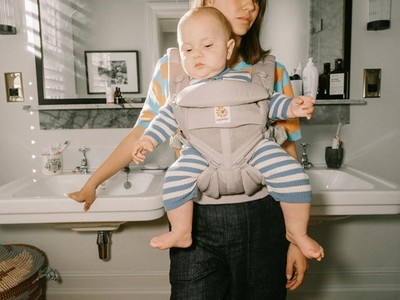
Ergobaby
Ergobaby Omni Classic Baby Carrier for Newborn to Toddlers 0-48 Months
Read review →
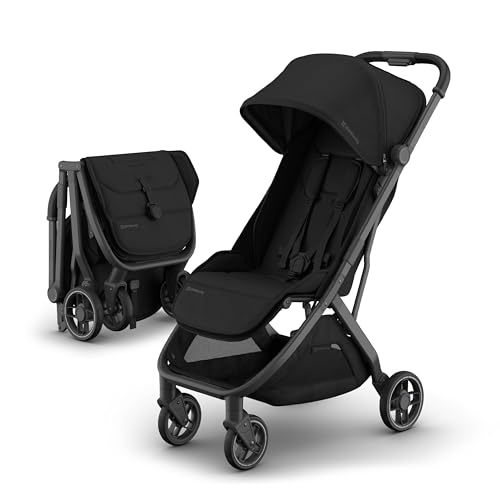
UPPAbaby
UPPAbaby Minu V3 Travel Stroller
Read review →
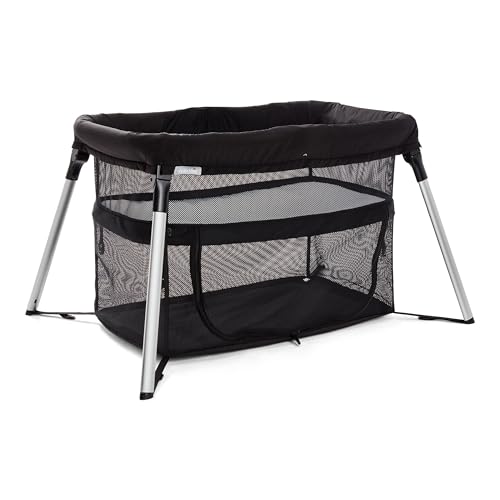
Munchkin
Munchkin Ultra-Lite 3-in-1 Playard, Travel Crib and Bassinet
Read review →
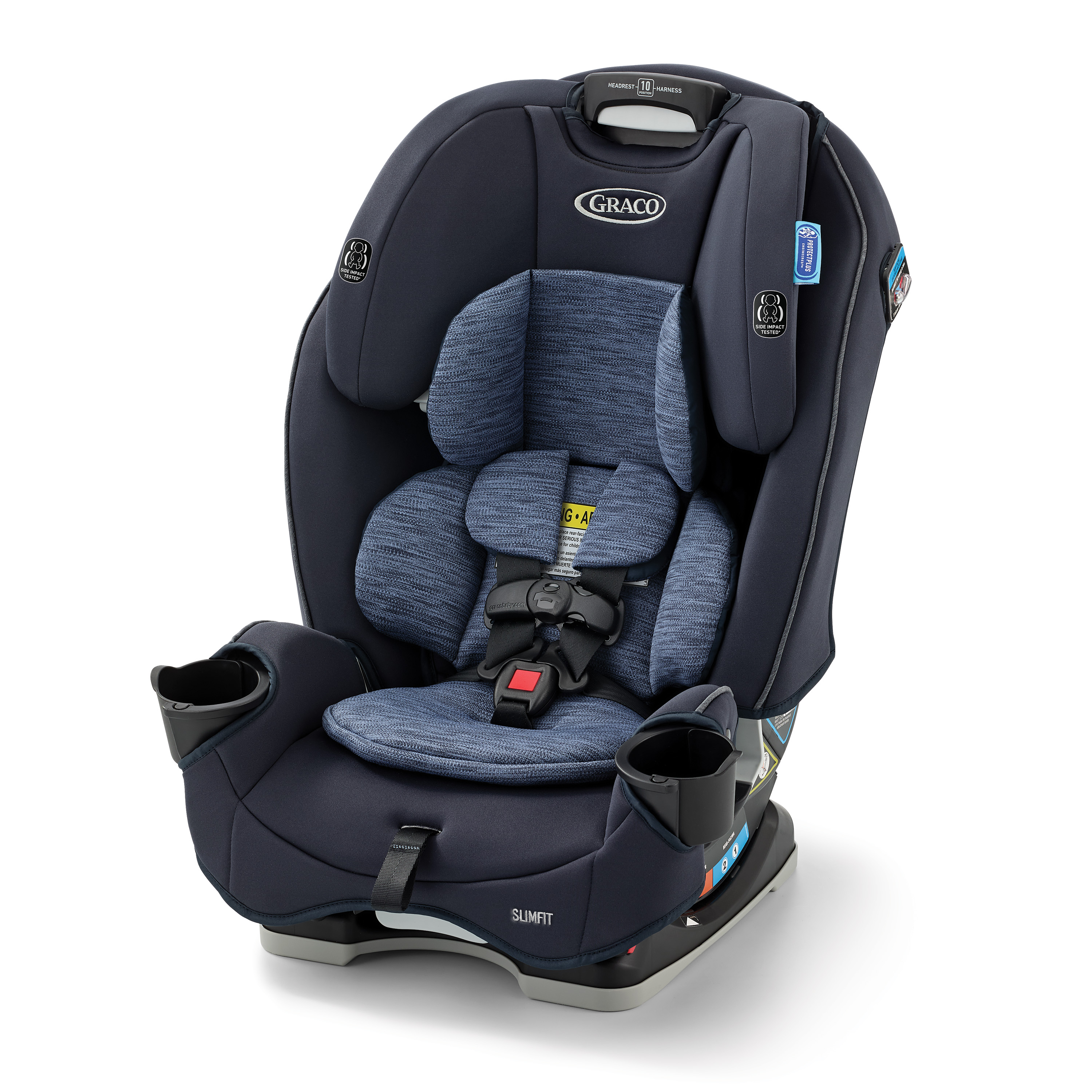
Graco
Graco Slimfit 3-in-1 Convertible Car Seat, Space Saving Design
Read review →
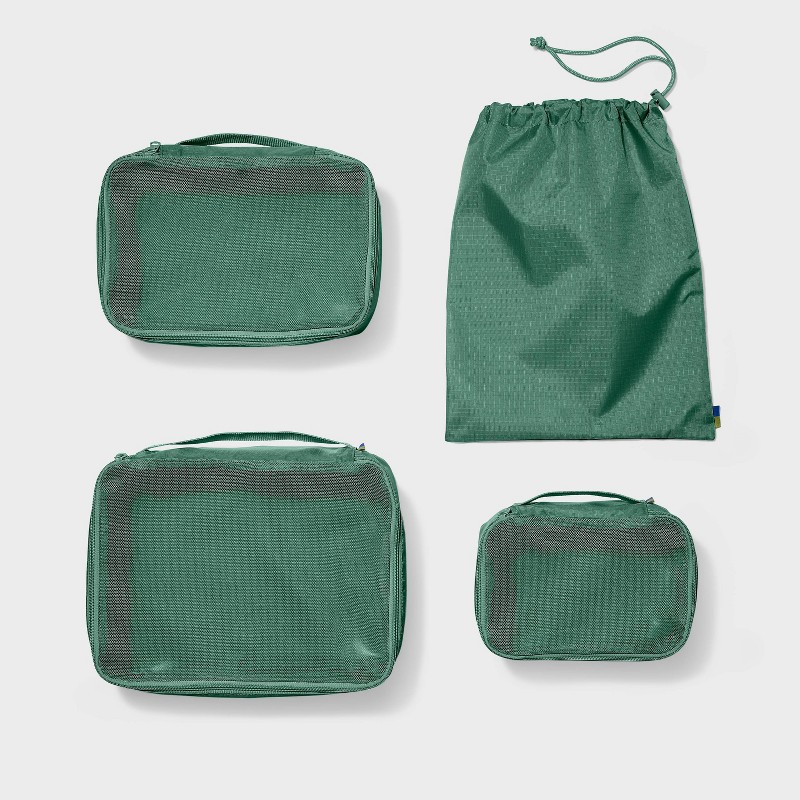
Amazon Essentials
Amazon Essentials 4-Piece Packing Cubes Set, Mesh Top, Double Zipper, Large, Gray
Read review →
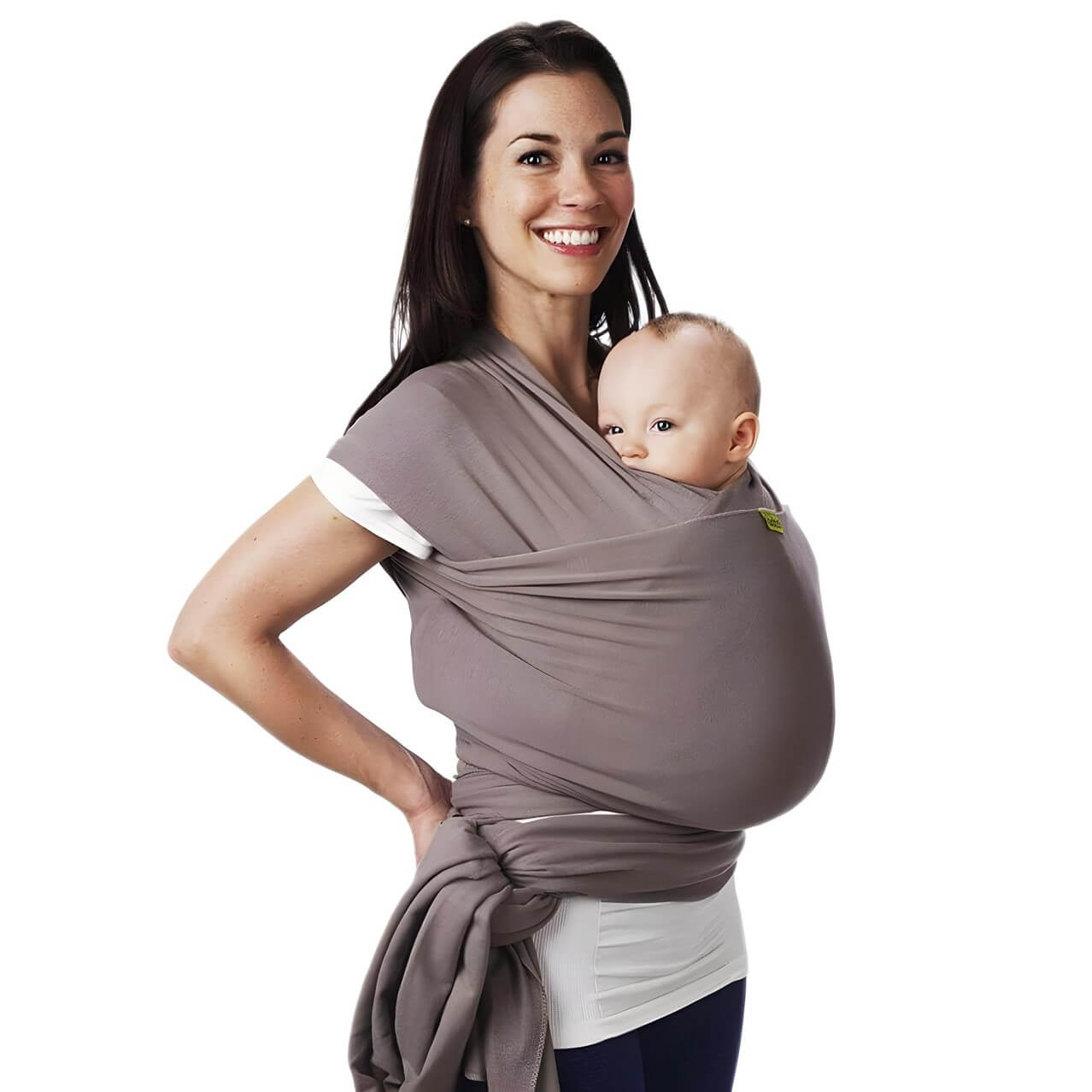
Boba
Boba Baby Wrap Carrier – Original Baby Sling Carrier for Newborns
Read review →
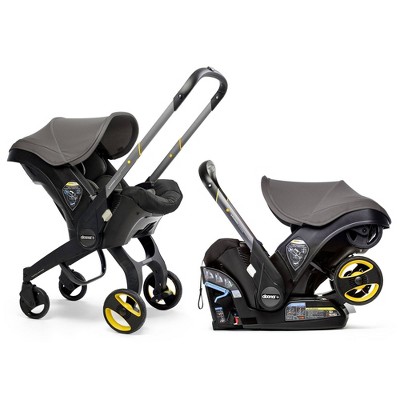
Doona
Doona Car Seat & Stroller, All-in-One Travel System
Read review →
Related Content
International Travel with a Toddler: The Complete Parent's Guide (2026)
Everything parents need for international travel with a toddler — passports, vaccinations, car seats abroad, food safety, time zones, packing, and emergency planning.
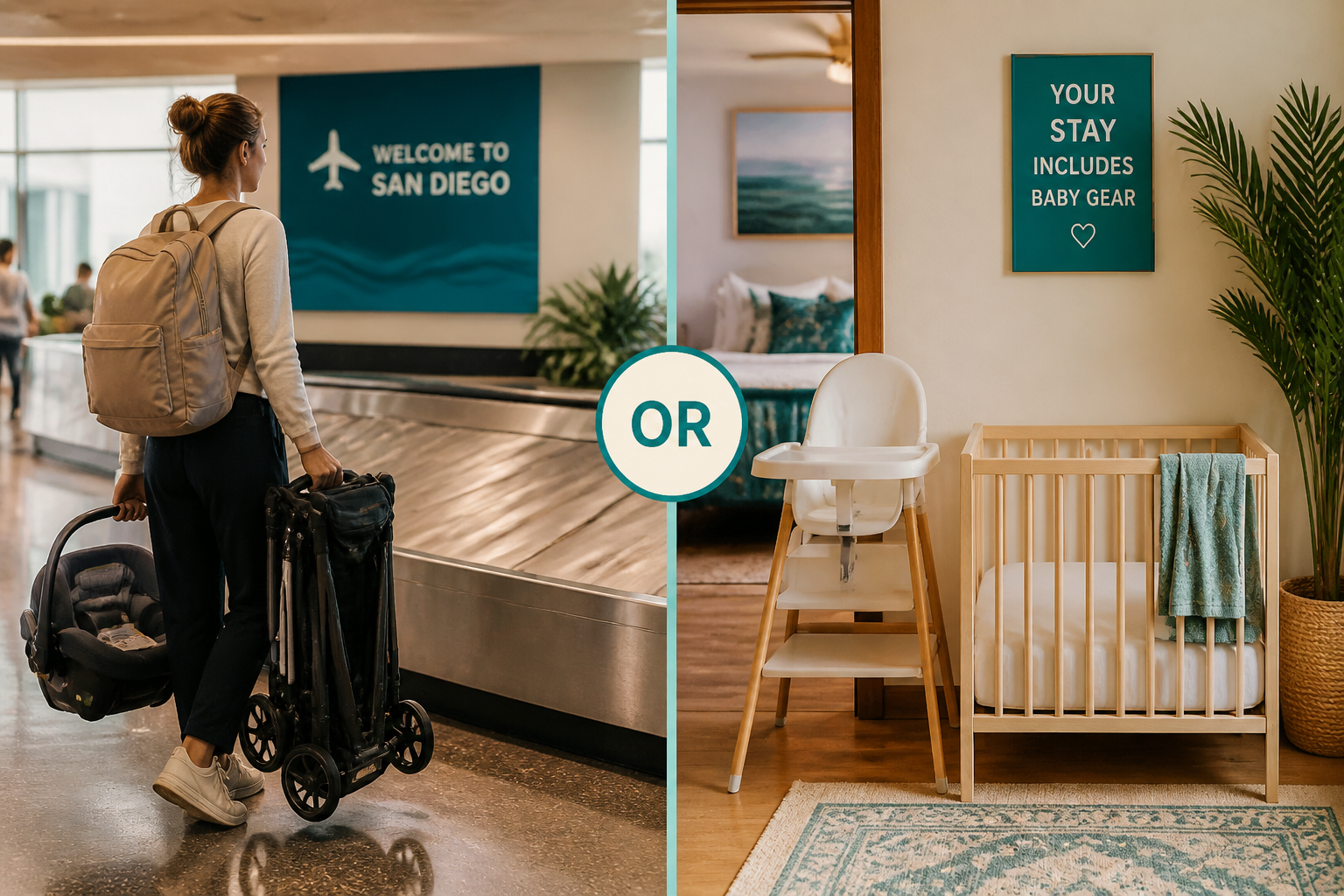
Renting vs Bringing Baby Gear: Cost & Stress Tradeoffs (2026)
Should you rent baby gear or bring your own? Full cost comparison for strollers, car seats, cribs, and high chairs — plus hidden fees and the hybrid approach.
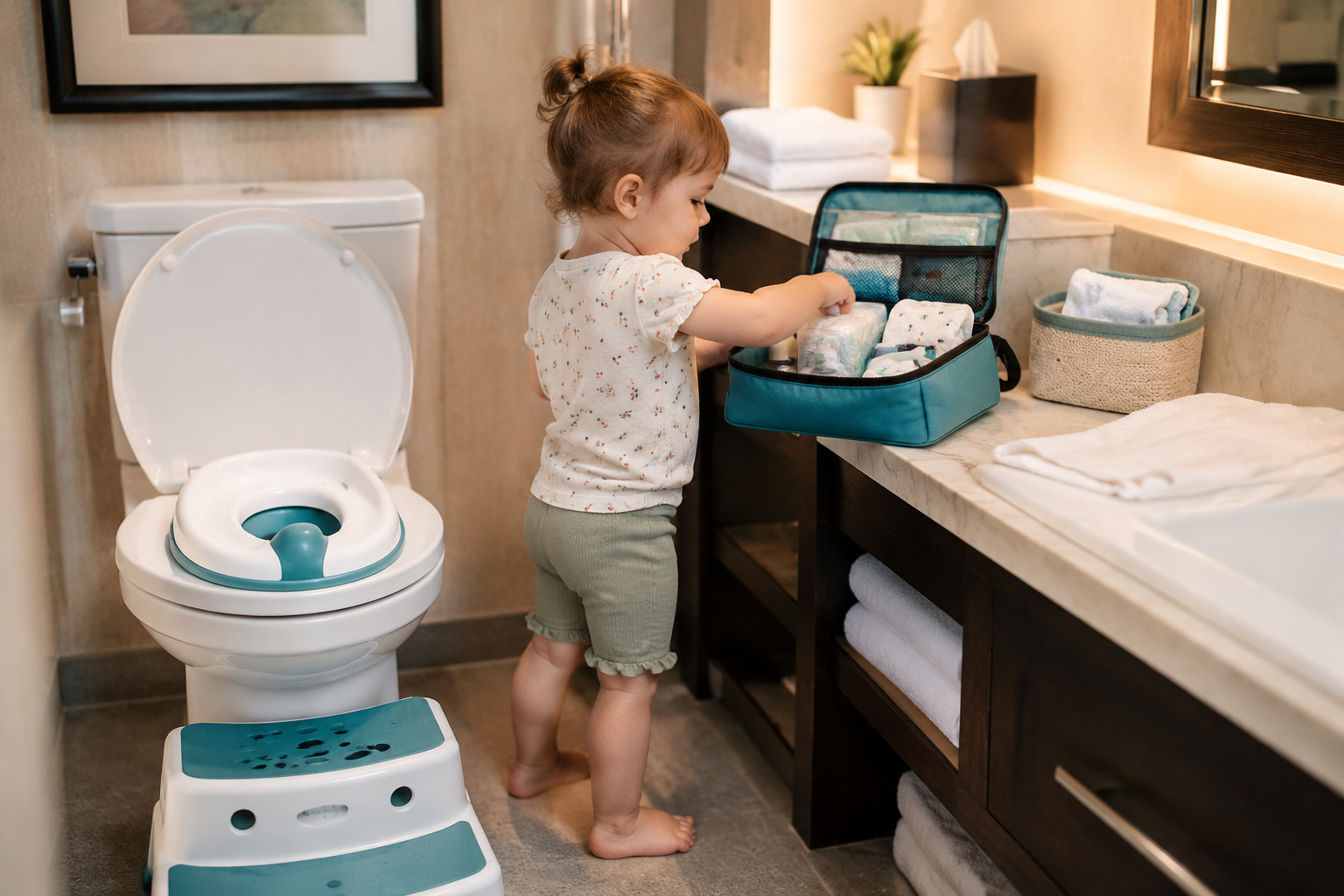
Potty Training During Travel: The Honest Parent's Guide (2026)
How to handle potty training during travel — portable potty options, airplane bathrooms, car trip protocol, handling regression, and what to pack.