International Travel with a Toddler: The Complete Parent's Guide (2026)
Everything parents need for international travel with a toddler — passports, vaccinations, car seats abroad, food safety, time zones, packing, and emergency planning.
On a first international trip with a toddler, the travel itself is rarely the hardest part. The flights are manageable and the hotel is usually fine. What catches families out is everything either side of it.
Every one of those problems was preventable with better planning. International travel with a toddler is absolutely doable — millions of families do it every year, and many of the best family travel memories happen abroad. But the planning window is longer, the stakes are higher when something goes wrong, and the logistics have layers that domestic trips simply do not.
This guide covers everything you need to know, organized by timeline so you can work through it systematically.
Documents and Paperwork: Start Here, Start Early
Passports for Babies and Toddlers
Every U.S. citizen, regardless of age, needs a passport to travel internationally. Yes, your three-month-old needs their own passport. And the process for children under 16 is different from adult passports in ways that catch many parents off guard.
Key requirements for a child's first passport:
- Both parents must appear in person at the passport acceptance facility with the child. If one parent cannot attend, they must complete Form DS-3053 (Statement of Consent) and have it notarized. This catches a lot of families — you cannot just send one parent with the baby.
- The child must be present at the appointment, even if they are a newborn.
- Proof of U.S. citizenship — usually the child's birth certificate (original or certified copy, not a photocopy).
- Proof of parental relationship — the birth certificate typically covers this if both parents are listed.
- Passport photo — must meet specific requirements (white background, neutral expression, eyes open). Getting a passport photo of a baby is an exercise in patience. Many parents lay the baby on a white sheet and take the photo from above. Some passport acceptance facilities can take the photo on-site.
Timeline: Standard processing is 6 to 8 weeks. Expedited processing is 2 to 3 weeks and costs an additional $60. If you are within 2 weeks of travel, you can make an appointment at a regional passport agency for emergency processing, but availability is limited and stressful.
Our strong recommendation: Apply for your child's passport the moment you have their birth certificate, even if you have no international trip planned. Passports for children under 16 are valid for 5 years. Having it ready eliminates the single biggest source of international travel stress for parents.
Passport validity requirements: Many countries require your passport to be valid for at least 6 months beyond your travel dates. Check the specific entry requirements for your destination country. A passport that expires in 4 months might be fine for domestic travel but could get you denied entry abroad.
Other Documents to Prepare
Child's birth certificate: Bring the original certified copy. Some countries, and some airlines, may ask for proof that you are the parent of the child you are traveling with. This is especially true for single parents or parents with a different last name than the child.
Consent letter for single-parent travel: If you are traveling internationally without the child's other parent, carry a notarized letter of consent from the absent parent. Not all countries require this, but some do, and airlines occasionally ask for it. The letter should include: the absent parent's name, their relationship to the child, the travel dates and destinations, and their explicit consent for the trip. Include a copy of the absent parent's ID.
Travel insurance documents: More on this below, but have your policy number and emergency contact info printed, not just on your phone.
Medical records: Bring a copy of your child's immunization records and any prescriptions they take. If your child has allergies or a medical condition, carry a letter from their pediatrician describing the condition and necessary treatments, translated into the local language of your destination if possible.
Embassy registration: Register your trip with the U.S. State Department's Smart Traveler Enrollment Program (STEP) at travel.state.gov. It is free, takes 5 minutes, and means the nearest U.S. embassy or consulate knows you are in the country. If there is a natural disaster, political crisis, or other emergency, they can contact you and assist with evacuation. It also makes it easier if you lose your passports and need emergency replacements.
Health and Vaccination Preparation
Routine Vaccinations
Make sure your child is up to date on all routine vaccinations before international travel. This sounds obvious, but the standard U.S. vaccination schedule means that a 12-month-old may not have received their MMR or Varicella vaccines yet (typically given at 12 to 15 months), and a 6-month-old has not completed their primary series for several vaccines.
The CDC allows accelerated vaccination schedules for international travel. Your pediatrician can give certain vaccines earlier than the standard schedule if travel timing requires it. For example, the MMR vaccine can be given as early as 6 months for international travel (though the dose given before 12 months does not count toward the routine series and will need to be repeated).
Schedule a travel health consultation with your pediatrician at least 6 to 8 weeks before departure. Bring your itinerary, including all countries and regions you will visit.
Destination-Specific Vaccinations and Medications
Depending on where you are going, your child may need additional vaccinations or prophylactic medications:
Hepatitis A: Recommended for travel to most of Central and South America, Africa, Asia, and Eastern Europe. The first dose can be given at 12 months. If your child is under 12 months, they cannot receive this vaccine — extra food and water precautions are essential.
Typhoid: Recommended for travel to South Asia, parts of Africa, and other regions with poor sanitation. The oral vaccine is not approved for children under 6. The injectable vaccine can be given at age 2 and older. For younger children, prevention is entirely about food and water safety.
Yellow Fever: Required for entry into some countries in Africa and South America. The vaccine is not approved for children under 9 months and is generally not recommended for children under 2 unless the risk is high. Check CDC destination-specific guidance.
Malaria prophylaxis: If you are traveling to a malaria-endemic area with a toddler, discuss prophylactic medications with your pediatrician. Some antimalarials are approved for infants and young children. Insect repellent and mosquito nets are also critical.
Traveler's diarrhea preparation: Your pediatrician may recommend bringing oral rehydration salts (ORS) and possibly an antibiotic for empiric treatment of severe traveler's diarrhea. For toddlers, dehydration from diarrhea can become dangerous much faster than in adults.
Travel Health Kit
Pack a dedicated health kit for international travel. This goes beyond the standard diaper bag first aid supplies:
- Children's acetaminophen and ibuprofen (check your child's weight-based dosing before you leave)
- Oral rehydration salts (individual packets)
- Antibiotic prescribed by your pediatrician for traveler's diarrhea (if applicable)
- Thermometer
- Antihistamine (children's diphenhydramine or cetirizine) for allergic reactions
- Hydrocortisone cream for insect bites and skin irritation
- Insect repellent with DEET (20 to 30 percent for children over 2 months — apply to clothing, not skin where possible)
- Band-aids and antiseptic wipes
- Any prescription medications your child takes, in their original labeled containers, plus a letter from the prescribing doctor
- Sunscreen
- Saline nasal drops (for dry airplane air and altitude changes)
Medication note: Bring enough of every medication for the entire trip plus 3 extra days in case of delays. Do not plan to buy children's medications abroad — formulations, dosages, and even active ingredients may differ from what you are used to. In some countries, medications that require a prescription in the U.S. are available over the counter, and vice versa. Stick with what your pediatrician recommended and what you brought from home.
Packing Differently for International Travel
International trips require more strategic packing than domestic ones because you may not be able to easily buy what you forgot. A Target run is not an option in rural Tuscany.
Gear Decisions: What to Bring vs What to Rent or Buy
Always bring:
- Your own car seat, if driving at the destination (more on this below)
- A lightweight travel stroller — cobblestones, narrow sidewalks, and public transit make a compact stroller essential
- Enough diapers for the travel days plus 2 days at the destination (you can buy more locally, but sizes and brands differ)
- Formula or specialized food if your child has dietary restrictions (availability varies enormously by country)
- All medications
Consider renting or buying locally:
- Cribs (many international hotels provide them upon request, and our renting vs bringing gear guide breaks down when this makes sense)
- High chairs (restaurants abroad are often more accommodating than U.S. restaurants about seating children)
- Beach or outdoor gear if applicable
Leave behind:
- Bulky items you can live without for the trip length
- Anything that has a voltage incompatibility you cannot solve with an adapter
For the full packing framework, our toddler packing list guide is the foundation. For international trips, add these items:
- Universal power adapter (not just a plug adapter — a voltage converter if you are bringing devices that are not dual-voltage)
- Copies of all documents (passport, insurance, prescriptions) stored separately from the originals
- Local currency for the first day (enough for a taxi and a meal in case ATMs are not immediately available)
- A prepaid international SIM card or international phone plan activated before departure
- Translation app downloaded with offline language packs for your destination
Our packing organizers roundup has compression cubes and bag systems that are particularly useful for international trips where you are fitting more into the same luggage.
Car Seats Abroad
This is one of the most complicated aspects of international toddler travel, and it catches families off guard constantly.
The reality: Car seat laws vary enormously by country. In some European countries, car seat requirements are stricter than in the U.S. In others, enforcement is minimal. In many developing countries, car seats are not commonly used at all.
Our recommendation: Bring your own car seat if you will be in a car at your destination for any reason. Do not rely on rental car company car seats — they are often unavailable, poorly maintained, or models that do not meet current safety standards. A car seat that was in a previous accident may still be in rental circulation.
A lightweight, FAA-approved travel car seat serves double duty — use it on the plane and in the car at your destination. Our FAA-approved car seats roundup has options under 15 pounds that are designed for exactly this scenario. A car seat travel bag protects it in transit.
Taxi and rideshare situations: In most countries, taxis are exempt from car seat laws. This does not mean it is safe — it means the law does not require it. If you are taking taxis frequently, bring an easily portable car seat or a travel harness that works in vehicles with lap-and-shoulder belts. For short, low-speed taxi rides from the airport, some parents make the judgment call to hold the child on their lap. We are not going to pretend every parent uses a car seat in every taxi in every country — but we will say that a car seat is always safer than a lap, everywhere in the world.
Navigating Foreign Airports
International airports with a toddler have their own rhythm, and it differs from domestic terminals in a few important ways.
Immigration and Customs with Kids
Passport control lines can be very long at international arrivals. Some airports have family lines or priority lines for passengers with small children — look for signage or ask an airport employee. In the EU, many airports have automated passport gates, but these typically do not work for children.
Prepare your child for the process. Toddlers need to be visible to the immigration officer, which sometimes means holding them up to the window. The officer may ask your child's name or ask you questions about your relationship to the child. This is normal and a security measure.
Customs declarations: If you are bringing formula, baby food, or medications, be prepared to declare them. Most countries allow reasonable quantities of baby food and formula for personal use, but rules vary. Sealed, commercially packaged items are usually fine. Homemade baby food in unmarked containers can raise questions.
Layovers and Connections
International itineraries often involve layovers. With a toddler, you need a minimum of 2 hours for international connections — 3 hours is better. This accounts for the slow deplaning, the walk between terminals (some international airports are enormous), the security re-screening that some connections require, and the inevitable diaper change or meltdown break.
During long layovers:
- Many international airports have family rooms or play areas. Singapore Changi, Amsterdam Schiphol, Munich, and Dubai are particularly well-equipped for families.
- Some airports offer transit hotels or sleeping pods for layovers over 4 hours. These are genuinely useful with a toddler — a dark, quiet room for a nap can save the next flight.
- Walk. Let your toddler walk (or run, within reason) through the terminal. They have been confined and they need to move. Airport moving walkways are endlessly entertaining for toddlers.
For keeping your child occupied during flights and layovers, our airplane comfort and entertainment roundup has gear specifically designed for long-haul travel, and our keeping toddler entertained on a plane guide has strategies that work on 10-hour flights.
Jet Lag and Time Zone Management
Jet lag with a toddler is a unique kind of challenging because you cannot explain it to them, and their sleep drive is stronger than an adult's ability to keep them awake through an adjustment period.
Eastbound travel (losing hours) is harder than westbound (gaining hours) for most children. Gaining hours means a later bedtime, which toddlers handle surprisingly well. Losing hours means an earlier bedtime and wake-up, which fights against their internal clock.
Strategies that work:
For trips of 5 days or fewer: Do not bother adjusting. Keep your child on home time as much as possible. This might mean late dinners and late mornings, which actually works well in many European and Latin American countries where dinner at 9 PM is normal.
For trips of a week or more: Adjust gradually.
- Start shifting your child's schedule 2 to 3 days before departure. Move bedtime 30 minutes earlier (for eastbound) or later (for westbound) each day.
- On arrival, get outdoor light exposure in the morning. Natural light is the strongest signal for resetting circadian rhythm, even in toddlers.
- Accept that the first 2 to 3 nights will be rough. Your child may wake at 3 AM fully alert and ready to play. This is normal. Keep the room dark, offer a quiet activity or a feed, and try to wait until at least 6 AM local time before starting the day.
- Protect naps during adjustment. A well-napped toddler adjusts faster than an overtired one because overtiredness causes fragmented night sleep, which slows adaptation.
- Melatonin is sometimes used for jet lag in adults, but it is not recommended for children under 3 without specific guidance from your pediatrician. Do not give it without asking.
Our toddler sleep on vacation guide goes deep on sleep disruption management. For international trips, the jet lag section is especially relevant.
The return trip: Jet lag coming home is often worse because you are also exhausted from the trip. Plan for 2 to 3 easy days at home before returning to daycare or normal routines.
Food and Water Safety Abroad
Traveler's diarrhea is the most common health problem for international travelers, and toddlers are more vulnerable because their immune systems are less experienced with unfamiliar bacteria and their smaller bodies dehydrate faster.
The Water Question
In Western Europe, Japan, South Korea, Australia, New Zealand, Canada, and Singapore, tap water is safe for drinking and preparing formula or food. You can brush teeth with it and eat ice in restaurants.
In most of Central and South America, Africa, South and Southeast Asia, and parts of Eastern Europe, assume tap water is not safe for your child. This means:
- Drink only bottled or boiled water (and check that the seal on bottled water is intact)
- Use bottled or boiled water to mix formula, cereal, and any food preparation
- Brush teeth with bottled water
- Avoid ice in drinks unless you are confident it was made with purified water
- Avoid uncooked fruits and vegetables unless you can peel them yourself (the "cook it, boil it, peel it, or forget it" rule)
- Be cautious with street food — not because it is inherently bad, but because you cannot verify the water and ingredient sourcing
For formula-fed babies: Bring enough formula for the trip if possible, or verify that your brand is available at your destination. Water quality for mixing is the critical variable. A portable water purifier or purification tablets (confirm they are safe for infant use) can be a backup plan. Boiling water for one minute is effective at killing pathogens — let it cool to the appropriate temperature before mixing formula.
Eating Out with a Toddler Abroad
Restaurant culture varies enormously worldwide, and this actually works in your favor more often than you might expect.
Southern Europe (Spain, Italy, Greece, Portugal): Extremely child-friendly. Children are welcomed at restaurants, even late at night. High chairs are usually available at family restaurants. Meals tend to be relaxed and long, and no one will rush you. Many dishes are naturally toddler-friendly — plain pasta, rice, grilled fish, bread with olive oil.
Northern Europe (Scandinavia, UK, Germany): Generally child-friendly, with many restaurants offering children's menus. Portions tend to be smaller and more manageable for toddlers. Meal times are earlier than Southern Europe, which may align better with your toddler's schedule.
Japan: Extraordinarily family-friendly despite the "quiet culture" reputation. Many restaurants have private rooms, children's menus with kid-sized portions, and staff who genuinely enjoy children. Rice, noodles, and miso soup are natural toddler foods.
Southeast Asia (Thailand, Vietnam, Indonesia): Very child-friendly cultures. Food is fresh and flavorful but can be spicy — ask for "mai pet" (not spicy) in Thailand or "khong cay" in Vietnam. Plain rice and noodles are always available. Be cautious about street food hygiene for toddlers.
Bring backup food. Regardless of destination, pack familiar snacks and a few pouches for the inevitable moment when nothing on the menu works, the child is melting down, or the restaurant food takes 45 minutes to arrive. Our travel feeding roundup has containers and supplies that make eating on the go internationally much easier.
Handling Emergencies Overseas
Nobody wants to think about emergencies, but being prepared for them is part of responsible international travel with a young child.
Travel Insurance: Non-Negotiable
Domestic health insurance typically does not cover medical care abroad (Medicare never does; some private plans have limited international coverage). Travel insurance with medical coverage is not optional for international family travel — it is essential.
What to look for in a policy:
- Medical coverage of at least $100,000 (hospitalization abroad is expensive)
- Medical evacuation coverage of at least $250,000 (an air ambulance from a remote location can cost six figures)
- Trip cancellation and interruption coverage (kids get sick, plans change)
- Coverage for pre-existing conditions if applicable
- 24/7 assistance hotline that can help you find English-speaking medical care
Buy the policy as soon as you book your trip. Many policies have a window for pre-existing condition coverage that starts from the booking date, not the departure date.
Print your policy information and carry it separately from your phone. If your phone dies, gets stolen, or has no signal, you need to be able to access your policy number and emergency contact.
Finding Medical Care Abroad
Before you leave, research:
- The location of the nearest hospital or clinic to your accommodation
- Whether the country has a universal emergency number (112 in the EU, 999 in the UK, etc.)
- The location of the nearest U.S. embassy or consulate (they maintain lists of English-speaking doctors and can assist in medical emergencies)
- Whether your travel insurance has a preferred provider network at your destination
If your child needs medical care abroad:
- Call your travel insurance assistance hotline first (unless it is a life-threatening emergency, in which case go directly to the nearest emergency room). The hotline can direct you to vetted, English-speaking providers and may arrange direct payment so you do not have to pay out of pocket.
- Bring your child's medical records, vaccination history, and any medication information.
- Keep all receipts, medical reports, and documentation for insurance claims.
Lost or Stolen Passports
If your child's passport is lost or stolen abroad:
- File a police report in the local jurisdiction (you will need this for the replacement process).
- Contact the nearest U.S. embassy or consulate immediately.
- They can issue an emergency passport, typically within 1 to 2 business days. You will need the police report, a passport photo of the child, proof of citizenship (this is why you bring copies stored separately from the originals), and both parents present if possible.
This process is much smoother if you registered with STEP before your trip and have backup copies of all documents.
Cultural Considerations and Child-Friendliness
The way children are treated in public varies dramatically by culture, and knowing what to expect reduces stress.
Cultures That Are Extremely Child-Welcoming
In much of Latin America, Southern Europe, the Middle East, and East and Southeast Asia, children are celebrated in public spaces. Strangers may want to touch your child, hold your baby, offer your toddler food, or play with them. Waitstaff may pick up your crying baby without asking. This can feel invasive if you are not expecting it, but it comes from genuine warmth. A polite smile and gentle redirection ("thank you, but she is shy") works in almost every culture.
In these regions, toddler meltdowns in restaurants are met with sympathy, not annoyance. Nobody will give you a dirty look. Someone might offer to help.
Cultures with Different Expectations
In some Northern European countries, Japan, and certain formal dining environments worldwide, there is a higher expectation of quiet and order in public. This does not mean children are unwelcome — it means the cultural norm is more reserved. In these environments:
- Choose family-friendly restaurants rather than upscale or formal ones
- Have a plan for quickly leaving if a meltdown escalates
- Use quiet activities at the table (stickers, coloring, a tablet with headphones)
- Do not take it personally if someone looks bothered — your child has as much right to exist in public as anyone else
Practical Cultural Differences
Diaper changing facilities vary wildly. In Scandinavia and Japan, changing facilities are everywhere, including in men's restrooms. In much of Southern Europe and developing countries, you may not find a single changing table outside of major hotels. Bring a portable changing pad and be prepared to change diapers on any flat surface.
Breastfeeding in public is generally accepted throughout most of the world, though attitudes vary. In most of Europe, nobody will bat an eye. In some more conservative cultures, a nursing cover may make you more comfortable.
Stroller accessibility is a real challenge in many international destinations. Cobblestone streets, narrow sidewalks, stairs without elevators, and public transit systems that predate accessibility requirements are common in Europe's older cities. A compact, lightweight travel stroller with good suspension handles these conditions better than a full-size stroller. In some cities, a baby carrier is more practical than a stroller for much of the day.
Planning Your International Itinerary with a Toddler
Slow Down
The biggest mistake first-time international parents make is planning an itinerary at the same pace as they would travel without a child. You will see less per day. You will spend more time in the hotel. You will skip things you planned because of naps, meltdowns, or weather. This is fine.
Plan one major activity per day. One museum, one landmark, one excursion. Fill the rest of the day with unstructured wandering, playground stops, meals, and naps. Toddlers do not care about seeing every church in Florence. They care about the pigeons in the piazza and the gelato after lunch.
Accommodation Matters More Than Usual
For international trips with a toddler, the accommodation is not just where you sleep — it is your home base, your safe retreat, and your toddler's anchor of familiarity in an unfamiliar environment.
Rental apartments are often better than hotels for international family travel because they have kitchens (essential for preparing familiar food when restaurant options are not working), living space separate from the bedroom (so adults can have an evening after the child is asleep), and washing machines (you will need to do laundry).
Hotels offer convenience — housekeeping, front desk assistance, and often cribs and high chairs. Many international hotel chains are very accommodating for families if you call ahead and specify your needs.
Wherever you stay, our hotel room baby-proofing checklist applies internationally as well, and our travel safety and baby-proofing roundup has portable supplies that work anywhere.
Destination Recommendations by Toddler Age
Easiest first international trips (any toddler age):
- Canada or the Caribbean — minimal time zone change, familiar food, English widely spoken
- UK or Ireland — English speaking, excellent healthcare, very family-friendly
- Spain or Portugal — incredibly welcoming to children, easy food, warm weather, beautiful beaches
Great for adventurous toddler families:
- Japan — extraordinary infrastructure, family-friendly culture, safe, clean, fascinating for children
- Costa Rica — manageable flights from the U.S., nature-focused activities, warm weather, increasingly good infrastructure
- Italy — children are welcomed everywhere, food is naturally kid-friendly, and the pace of life allows for slow travel
More challenging but rewarding:
- Southeast Asia — incredible experiences but requires more health preparation, careful food/water management, and heat adaptation
- Morocco — sensory overload in the best way, but medinas are difficult with strollers and healthcare access varies
- Eastern Europe — wonderful value and less crowded tourist sites, but infrastructure varies significantly
The International Travel Timeline
Here is your planning calendar, working backward from departure:
3 to 6 months before:
- Apply for or renew passports
- Schedule travel health consultation with pediatrician
- Book flights and accommodation
- Purchase travel insurance
- Begin researching destination-specific requirements (visas, entry rules, health advisories)
6 to 8 weeks before:
- Get destination-specific vaccinations
- Register with STEP
- Start shifting sleep schedule if crossing multiple time zones
- Begin assembling the travel health kit
- Confirm car seat plans for the destination
2 to 4 weeks before:
- Pack (use our toddler packing list guide as a base)
- Make copies of all documents and store separately
- Download offline maps and translation apps
- Confirm all reservations
- Alert your bank and credit card companies about international travel
- Get local currency for arrival
Day before departure:
- Charge all devices
- Pack carry-on with everything needed for the flight plus one extra day (in case luggage is delayed)
- Confirm check-in and seat assignments
- Put all documents in one secure, easily accessible location
Departure day:
- Arrive at the airport early — international check-in takes longer, and you need time for the unexpected
- Put the baby carrier on before you get out of the car (you will need your hands)
- Breathe. You are doing something incredible for your child. The planning is done. Now you just live the adventure.
International travel with a toddler is more work than traveling without one. It is also more rewarding. Watching a one-year-old taste gelato for the first time in Rome, or a three-year-old stare wide-eyed at a castle they thought only existed in storybooks, or a two-year-old making friends with a child who speaks a completely different language in a park in Tokyo — these are experiences that shape who your child becomes, even if they will not remember them consciously.
The planning is worth it. The stress is temporary. The memories are permanent. Start with the passports and work forward from there.
For the flight itself, our complete flying with a toddler guide and airline car seat rules guide cover everything you need for the air travel portion. And our travel toys and activities roundup has entertainment that works across cultures, time zones, and meltdowns.
Products Mentioned
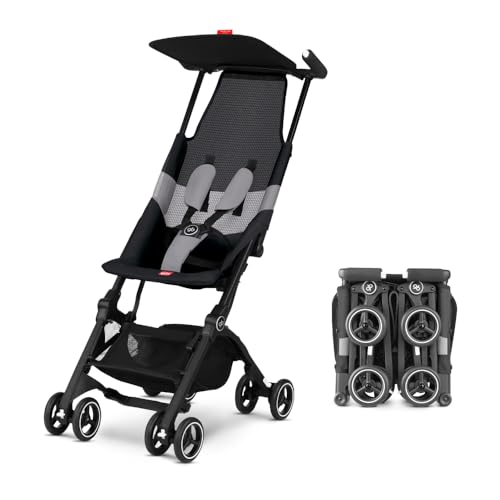
gb
gb Pockit Air All-Terrain Ultra Compact Travel Stroller
Read review →
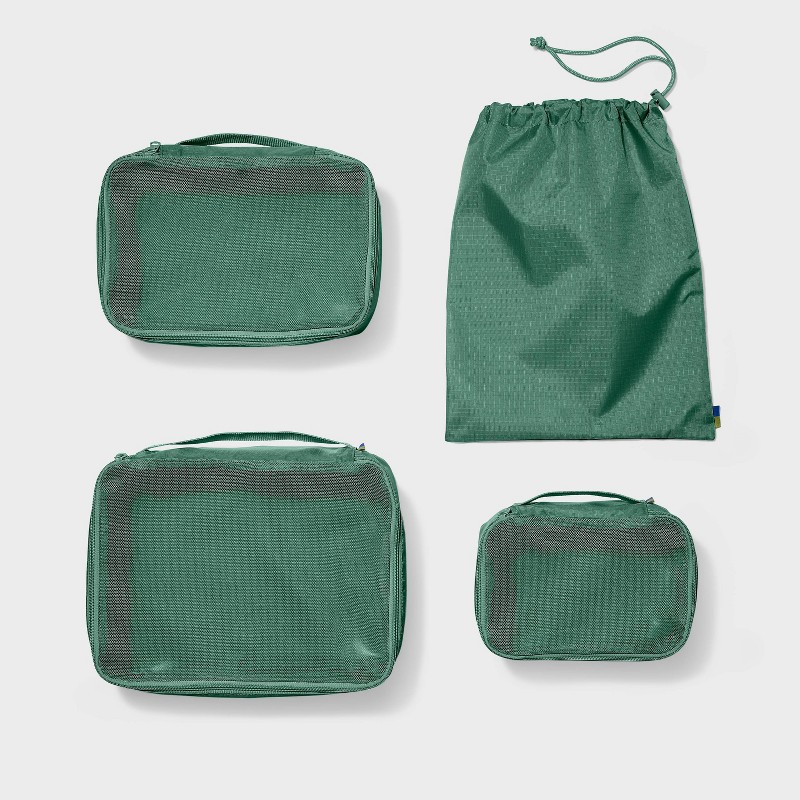
Amazon Essentials
Amazon Essentials 4-Piece Packing Cubes Set, Mesh Top, Double Zipper, Large, Gray
Read review →
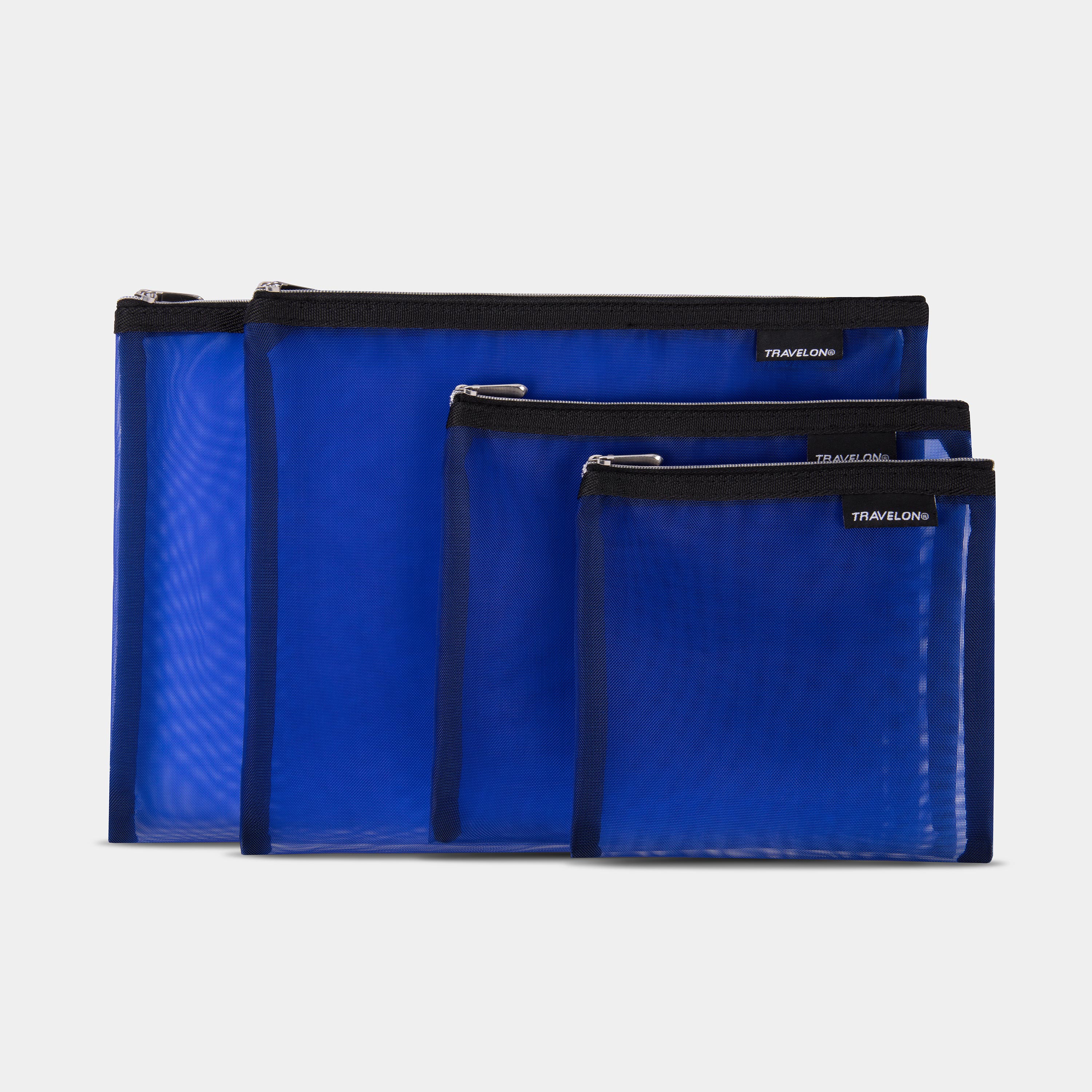
Travelon
Travelon Set of 4 Mesh Pouches, Assorted Sizes
Read review →
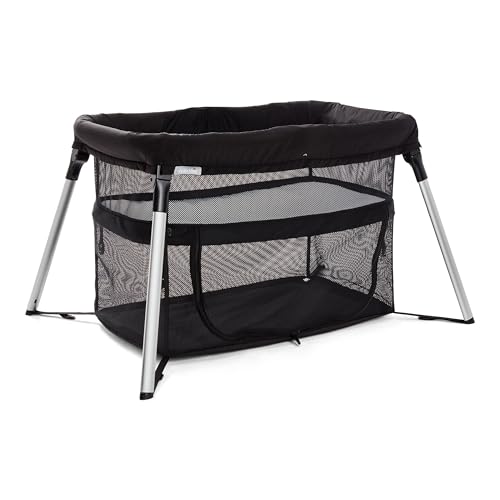
Munchkin
Munchkin Ultra-Lite 3-in-1 Playard, Travel Crib and Bassinet
Read review →
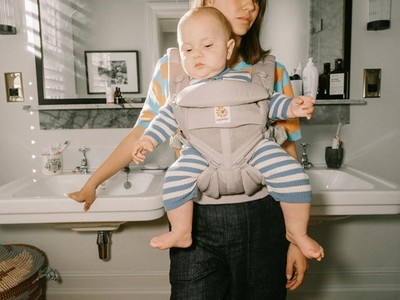
Ergobaby
Ergobaby Omni Classic Baby Carrier for Newborn to Toddlers 0-48 Months
Read review →
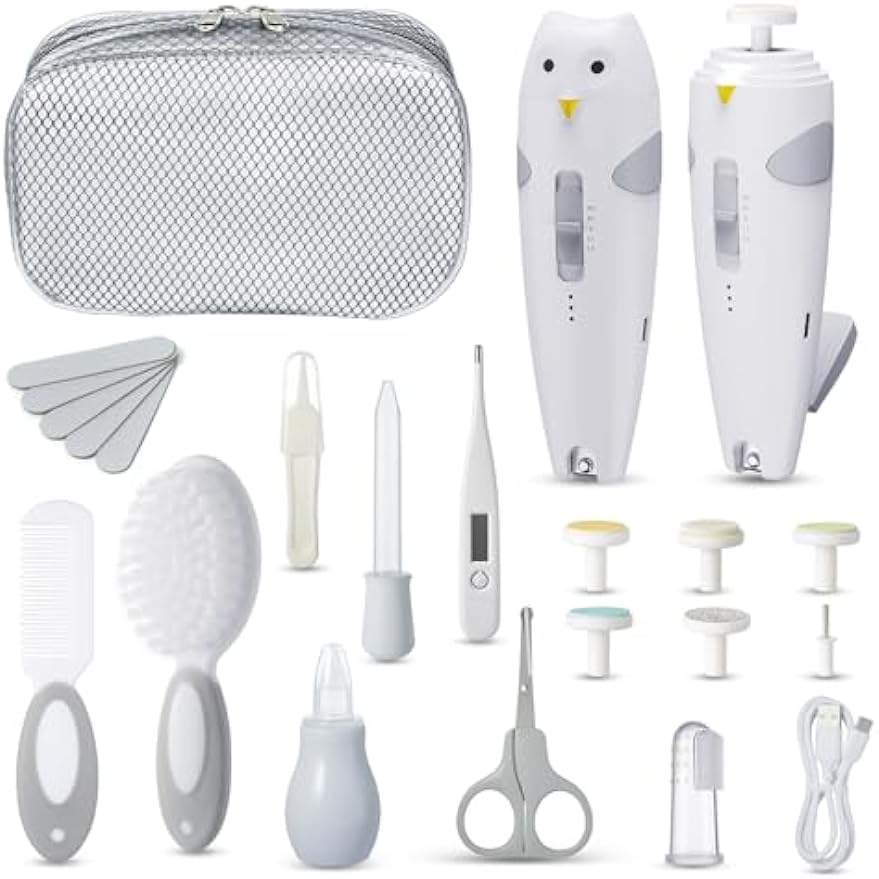
Lictin
Lictin Baby Healthcare and Grooming Kit, 26 in 1 Rechargeable Nail Trimmer Electric Set
Read review →
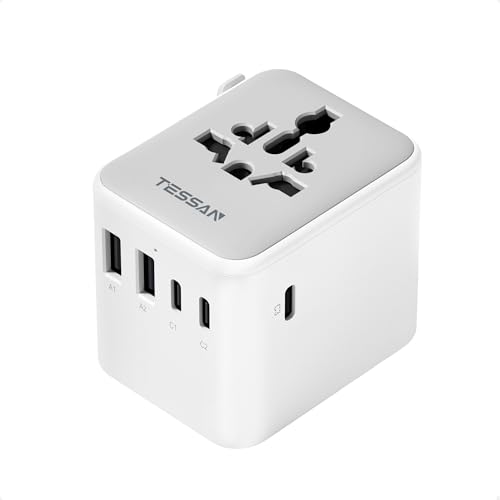
TESSAN
TESSAN Universal Travel Adapter, 28W with 5 USB Ports
Read review →
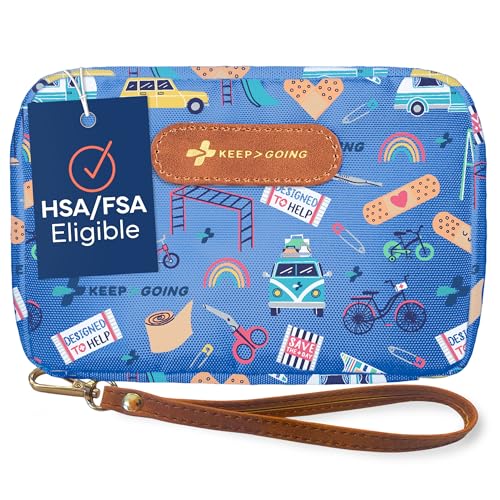
KeepGoing
KeepGoing Travel First Aid Kit for Kids, 130 Pieces
Read review →

SKYLA HOMES
SKYLA HOMES Baby Locks (8-Pack) Child Safety Cabinet Proofing, 3M Adhesive
Read review →
Related Content
Traveling With Two Under Two: The Honest Parent's Guide (2026)
Real strategies for traveling with two under two — gear decisions, flight day logistics, sleep setups, feeding on the go, and honest advice.
Potty Training During Travel: The Honest Parent's Guide (2026)
How to handle potty training during travel — portable potty options, airplane bathrooms, car trip protocol, handling regression, and what to pack.
Renting vs Bringing Baby Gear: Cost & Stress Tradeoffs (2026)
Should you rent baby gear or bring your own? Full cost comparison for strollers, car seats, cribs, and high chairs — plus hidden fees and the hybrid approach.