Potty Training During Travel: The Honest Parent's Guide (2026)
How to handle potty training during travel — portable potty options, airplane bathrooms, car trip protocol, handling regression, and what to pack.
We were three weeks into potty training our 2.5-year-old — things were finally clicking, accidents were down to one a day, and she was starting to tell us before she needed to go instead of after.
The question every family in this position runs into is the same: keep going and take the potty training chaos on holiday, or go back to nappies for the trip and restart at home?
Ask around and the advice splits almost exactly in half. One camp says pause — travel is too disruptive and you will undo your progress. The other says never pause — going back to nappies sends a confusing message and costs you the momentum you have built.
The honest answer is that both can work, and which one is right depends on how established the training is and how long the trip is. This guide covers how to make each choice work, what to pack for either, and the specific situations — long flights, unfamiliar toilets, disrupted routines — where training tends to break down.
This is the real, honest, sometimes-gross truth about potty training during travel. We cover every scenario: airplanes, road trips, hotels, restaurants, public restrooms, and the inevitable regression that nobody warns you about.
To Pause or Not to Pause: Making the Decision
This is the first question every parent asks, and the answer genuinely depends on your specific situation. There is no universal right answer, but there are clear factors that point one way or the other.
Keep Going If...
- Your child has been training for more than two weeks and is having mostly dry days. If the foundation is solid, travel is a test drive, not a setback. Kids who are already demonstrating bladder awareness will usually maintain that awareness in a new environment.
- Your trip is short (under a week). A long weekend or a five-day vacation is manageable. You can pack the supplies, stay vigilant, and get back to your normal routine quickly.
- Your child is showing ownership of the process. If they are telling you they need to go, pulling down their own pants, and showing pride in using the potty, they have internalized it. Going back to diapers can feel like a demotion to a kid who is proud of their progress.
- You are emotionally prepared for accidents. This is about you, not your kid. If you can handle a wet car seat, a puddle at the airport, or a soaked restaurant chair without losing your composure, keep going.
Pause and Use Diapers or Pull-Ups If...
- Training just started (less than a week in). The habit is not formed yet. Travel disruption at this stage often leads to full regression, and you end up starting from scratch anyway.
- Your child is showing resistance or stress about potty training at home. Adding travel pressure on top of training pressure is a recipe for a power struggle you will not win.
- Your trip is long (more than a week) and involves multiple destinations. Constantly changing bathrooms, routines, and environments is a lot even for a well-trained toddler. A two-week European trip with four hotel changes is not the time to push potty training forward.
- You are flying solo with the toddler. Managing a newly potty-training toddler in an airplane bathroom by yourself while the seatbelt sign is on and your other bag is at your seat is a level of difficulty that borders on unfair.
The Pull-Up Compromise
Many parents land on a middle option: underwear during the day, pull-ups during transit and sleep. This preserves daytime training while providing a safety net during the scenarios where accidents are hardest to manage — car seats, airplane seats, and nap time.
If your child understands the difference between pull-ups and diapers, this can work well. Tell them: "These are your travel underwear. They are just in case. We are still using the potty." Some kids accept this. Others see pull-ups as permission to stop trying. You know your child.
Portable Potty Gear: Your Travel Options
The right gear makes potty training during travel dramatically easier. Here is what exists and what actually works.
Portable Folding Potty
This is a small, foldable potty seat that stands on its own legs. You set it up anywhere — a restroom stall, the side of the road, the back of the car, a hotel bathroom — and your child sits on it like a regular potty. Most fold flat enough to fit in a large diaper bag or suitcase.
Best for: Road trips and hotel stays. Having a familiar, consistent potty in every new location helps kids who are nervous about unfamiliar toilets. A folding potty in the hotel bathroom gives them something that feels like home.
Drawback: You need disposable bags or liners to catch waste, and you have to deal with those bags afterward. In a car, this means a sealed waste bag in the trunk. In a hotel, it means the bathroom trash can.
Foldable Toilet Seat Cover
This is a child-sized seat that sits on top of a regular toilet. It folds flat, fits in a bag, and gives your toddler a smaller, more comfortable seat on any standard toilet. No legs, no standalone frame — it just sits on the existing toilet.
Best for: Restaurants, airports, and any public restroom where a full-sized toilet is available. It eliminates the "I am going to fall in" fear that keeps many toddlers from using adult toilets.
Drawback: It requires an existing toilet. You cannot use it on the side of the road or in situations where there is no bathroom nearby.
Disposable Potty Liners and Seat Covers
Disposable seat covers are large paper or plastic sheets that cover a public toilet seat. Disposable potty liners are bags that fit inside a portable potty to catch waste — you tie them up and throw them away.
Best for: Hygiene-conscious parents and toddlers who refuse to sit on a "dirty" toilet. Many toddlers will not sit on a public toilet that looks different from theirs at home. A familiar-looking seat cover can make the difference between using the potty and refusing.
Tip: Pack more than you think you need. We typically go through 8 to 12 disposable liners per day of travel. They are light, pack flat, and running out is not an option.
Absorbent Car Seat Pads
These are waterproof, absorbent pads that sit on top of your child's car seat. When an accident happens — and it will happen — the pad absorbs the mess and protects the car seat underneath. You pull off the pad, toss it (or wash it, if it is reusable), and put a fresh one down.
Essential for road trips. Cleaning a full car seat after a potty accident on the highway is a 30-minute ordeal involving removing the cover, wiping down the frame, and hoping the smell comes out. An absorbent pad reduces that to a 2-minute swap.
Public Restroom Strategies
Public restrooms are the biggest source of potty training anxiety during travel. They are loud, unfamiliar, and often genuinely unpleasant. Here is how to handle them.
The Pre-Entry Routine
Before you walk into any public restroom with your toddler, establish a routine:
- Warn them about the noise. Automatic flushers, hand dryers, and echoey tile walls are terrifying to some toddlers. Say, "This bathroom might be loud. I will cover your ears if it is." This single sentence has prevented more restroom refusals than any other trick we know.
- Carry sticky notes. Place a sticky note over the automatic flush sensor before your child sits down. Automatic flushers going off while a toddler is still sitting are the number one cause of public restroom phobia in potty-training kids. A sticky note blocks the sensor. Remove it when your child is standing and ready.
- Let them choose: big potty or travel potty. If you have a foldable seat cover, offer the choice. Giving them control reduces resistance.
The Timing Problem
At home, your toddler tells you when they need to go and the potty is 15 steps away. In public, the nearest restroom might be a 5-minute walk, a 10-minute wait, or nonexistent.
Solution: scheduled potty breaks. Do not wait for your child to tell you they need to go. Set a timer on your phone for every 60 to 90 minutes and take them to the bathroom whether they say they need to or not. Yes, they will protest. Yes, they will say, "I do not need to go." Take them anyway. The one time you skip it is the time they have an accident at the restaurant table.
Find restrooms proactively. When you arrive at any new location — airport terminal, restaurant, shopping area, tourist attraction — locate the restroom first, before you need it. Knowing where it is removes the panic when your toddler suddenly announces "I need to go RIGHT NOW" and you have about 60 seconds before the window closes.
Family Restrooms vs Standard Restrooms
Family restrooms are larger, usually single-occupancy, and designed for parents with children. They are also harder to find and often occupied.
Standard restrooms work fine with a system: Take your child into the larger accessible stall if available. Hang your bag on the hook. Place the seat cover or foldable seat. Help them sit. Stand in front of them so they feel secure. Cover the auto-flush sensor. Done. The whole process takes 3 to 4 minutes once you have the routine down.
Airplane Bathrooms: The Ultimate Challenge
The airplane lavatory was not designed for one adult, let alone one adult and a potty-training toddler. It is approximately the size of a phone booth, the door swings inward, the toilet is loud, and there is turbulence. This is the final exam of travel potty training.
Getting There
The hardest part is often just getting to the bathroom. The seatbelt sign might be on. The aisle might be blocked by the beverage cart. Your toddler might announce their need at the worst possible moment.
Strategies:
- Go during calm periods. Right after the seatbelt sign turns off following takeoff, and before the drink service starts. This is your optimal window. Use it even if your child says they do not need to go.
- If the seatbelt sign is on and it is urgent, ring the call button and tell the flight attendant your child needs to use the restroom. They will almost always let you go. A potty accident in seat 23B is worse for everyone than a quick trip to the lavatory during light turbulence.
- Book an aisle seat if you are actively potty training. The frequent trips to the back of the plane are much easier without climbing over two strangers.
Inside the Lavatory
Here is the step-by-step for a potty-training toddler in an airplane bathroom:
- Enter the lavatory first, then pull your child in and close the door. There is not enough room for both of you to enter simultaneously.
- Put the toilet lid down (if there is one). Stand your toddler on the closed lid or on the floor while you set up.
- Place a disposable seat cover on the toilet. The airplane toilet seat is cold, metal, and loud. Cover it.
- Warn them about the flush. Airplane toilets flush with a loud vacuum sound that terrifies children. Tell them, "It is going to make a loud noise, but it is just the toilet saying goodbye to the pee-pee. I will hold your ears." Flush while they are not sitting on it and their ears are covered.
- Help them sit. Hold them steady. The space is tight, and turbulence can make the floor feel unstable.
- Wash hands with the tiny faucet. Bring a wet wipe as backup — the airplane sink is nearly impossible for a toddler to use effectively.
- Exit with your child first, then back out yourself.
Timing: Budget 5 to 7 minutes for the entire process. It feels like an eternity in that tiny space, but rushing leads to accidents and meltdowns.
The Pull-Up Option for Flights
Even parents who are committed to daytime underwear often switch to pull-ups for flights. This is not giving up. It is being realistic about a situation where bathroom access is unreliable, timing is unpredictable, and the consequences of an accident include soaking an airplane seat that 200 more people will use after you.
If you keep underwear on for the flight, bring a waterproof pad for the seat. Place it under your child before takeoff. An airline seat is nearly impossible to clean properly after a potty accident.
Car Trip Potty Protocol
Road trips present a completely different set of challenges than flying. The good news: you can stop whenever you want. The bad news: "whenever you want" sometimes means the shoulder of a rural highway with no restroom for 30 miles.
The Every-Hour Stop
During active potty training, plan to stop every 60 to 90 minutes on a road trip. Yes, this slows you down. Yes, it adds significant time to your drive. Yes, it is necessary.
Map your route in advance and identify restroom stops. Gas stations, rest areas, fast food restaurants, and highway rest stops all work. Know where they are so you are never more than 20 minutes from a bathroom when your child announces urgency.
The Roadside Emergency
Sometimes there is no bathroom nearby and your toddler cannot wait. This is where the portable folding potty earns its place in your travel kit.
The procedure:
- Pull over safely. A parking lot is ideal. The shoulder of a highway works but is less ideal for obvious reasons.
- Open the rear door on the traffic-safe side to create a privacy shield.
- Set up the portable potty behind the open door.
- Help your child use it.
- Tie up the disposable liner and place it in a sealed waste bag.
- Hand sanitizer for everyone.
This sounds awkward, and it is. But it is dramatically less awkward than a full accident in the car seat.
Car Seat Protection
A waterproof car seat pad is not optional during travel potty training. It is mandatory. Put one on the car seat before every drive. Pack at least two — one in use, one clean and ready — for longer trips. If your child has an accident, you can swap the pad in under two minutes and keep driving.
Pack a full change of clothes in a bag that is accessible from the front seat — not buried in the trunk under luggage. When an accident happens on the highway, you need clothes you can reach without unpacking the car.
For more road trip planning, our road trip survival guide covers scheduling, entertainment, and logistics for long drives with toddlers, and our road trip gear roundup has the specific products that make car travel easier.
Hotel Bathroom Setup
The hotel bathroom is your home base for potty training during travel. Set it up right and you create a reliable, familiar environment that gives your child confidence.
Making It Feel Like Home
The biggest obstacle in a hotel bathroom is unfamiliarity. Your child's routine at home involves their specific potty, in their specific bathroom, with their specific step stool and hand soap. The hotel has none of that.
Bring these items:
- Your child's portable potty or seat cover — the same one they have been using during training
- A small step stool if they use one at home (collapsible options exist)
- Their hand soap from home, or at least a familiar scent. This sounds ridiculously specific, but smell is a powerful comfort trigger for toddlers.
- A small reward (stickers, chocolate chips, whatever you use at home) for successful uses
Night Training During Travel
If your child is not night-trained yet, this is the one area where we strongly recommend pull-ups during travel regardless of your daytime approach. Hotel beds are expensive to clean, and the stress of a nighttime accident in an unfamiliar room can set night training back significantly.
If your child IS night-trained at home, bring a waterproof mattress protector for the hotel bed. Pack it in your suitcase. It takes up almost no space and saves you from a 3 AM strip-and-remake that would wake everyone up.
Limit fluids after dinner. Take your child to the bathroom right before bed. And if they wake up in the night and you are unsure whether they need to go, take them. It is easier to sit on the potty for 30 seconds at 2 AM than to change sheets and pajamas.
The Hotel Room Bathroom Schedule
Set an alarm or a mental timer to take your child to the hotel bathroom every 60 to 90 minutes during waking hours. This is the same schedule you use in public, but it matters even more in the hotel room because kids get absorbed in the novelty of the new space and forget their body signals.
First thing in the morning: bathroom. After every meal or snack: bathroom. Before leaving the room: bathroom. Before nap: bathroom. Before bed: bathroom. After nap: bathroom immediately — this is the highest-risk time for accidents.
Handling Accidents and Regression
Accidents during travel are not a sign of failure. They are a statistical certainty. Even fully potty-trained kids have accidents in new environments. The change in routine, the unfamiliar bathrooms, the excitement and exhaustion of travel — all of it disrupts the patterns your child has learned.
When Accidents Happen
Stay calm. This is the single most important thing. Your reaction to an accident shapes how your child feels about the entire potty training process. If you show frustration, annoyance, or anger, your child associates the accident with shame — and shame does not help anyone learn bladder control.
What to say: "Oops, that is okay. Accidents happen. Let us get you cleaned up." That is it. No lecture. No disappointment face. No, "But you were doing so well at home." Clean up, change clothes, move on.
Pack for accidents. For each day of travel, pack:
- 2 to 3 extra pairs of underwear
- 2 extra pairs of pants or shorts
- Extra socks (accidents run down legs)
- 3 to 4 plastic bags for wet clothes
- A travel-size stain remover
- A pack of antibacterial wipes for surfaces
The Regression Reality
Here is what nobody tells you: regression during or after travel is almost universal. Your child might be 90 percent trained at home, have multiple accidents during the trip, and then seem to "forget" everything for a few days after you return.
This is normal. This is not permanent. This does not mean you need to start over.
Regression happens because potty training is a habit, and habits are context-dependent. Your child learned the habit in the context of home — their bathroom, their routine, their potty. Remove that context (travel), and the habit weakens. Return to the context (home), and the habit returns — usually within 3 to 5 days.
What helps recovery:
- Go back to the exact routine you were using before the trip. Same potty, same bathroom, same schedule, same rewards.
- Do not introduce anything new. Now is not the time for a potty seat upgrade or a reward system change.
- Be patient. Three to five days of increased accidents after travel is completely normal.
- If regression lasts more than two weeks after returning home, consider whether something else is going on — a developmental shift, a new stressor, or a medical issue worth discussing with your pediatrician.
Communication and Preparation: Setting Your Child Up
How you talk to your toddler about potty training during travel matters more than you might think. Toddlers handle transitions better when they are prepared, and potty training during travel is one of the biggest transitions you can ask of a small child.
Before the Trip
- Read books about using the potty in new places. "Even Firefighters Go to the Potty" and similar books normalize the idea of using different bathrooms.
- Talk about the trip and the potty plan. "We are going to the beach. They have bathrooms there, and we will bring your travel potty. You get to use the potty at the beach just like at home."
- Practice with the travel potty at home before the trip. If you bought a portable folding potty or a foldable seat cover, let your child use it at home a few times so it is familiar before they need to use it in a strange restroom.
- Role-play the airplane bathroom. This sounds silly, but go into your smallest bathroom at home, close the door, and practice the whole routine in a tight space. It removes some of the fear.
During the Trip
- Praise every success. Use the same praise and rewards you use at home. Consistency is comfort.
- Narrate the process. "We are going to find a bathroom now. It might look different, but it works the same way as our potty at home."
- Give them control where you can. Let them choose which stall. Let them flush (if the flush does not scare them). Let them wash their own hands. Autonomy reduces resistance.
The Complete Potty Training Travel Packing List
Here is everything you need to pack for a trip with a potty-training toddler, organized by category.
Potty Gear:
- Portable folding potty OR foldable toilet seat cover (or both)
- Disposable potty liners (8-12 per day of travel)
- Disposable toilet seat covers for public restrooms (10 per day)
- Sticky notes (for covering automatic flush sensors)
- Waterproof car seat pad (2 minimum)
- Waterproof mattress protector for hotel bed
- Step stool (collapsible) if your child uses one
Clothing:
- 2 to 3 extra underwear per day
- 2 extra pants/shorts per day
- Extra socks (2 pairs per day)
- Pull-ups for flights, long drives, and nighttime
- One extra pajama set
Cleaning Supplies:
- Plastic bags (gallon-size zip-lock, 4 to 6 per day)
- Antibacterial wipes (travel packs)
- Hand sanitizer (clip-on for your bag)
- Travel-size stain remover spray
- A small roll of paper towels
Comfort and Incentives:
- Rewards from home (stickers, small treats)
- Familiar hand soap (travel size)
- A potty training book for the trip
In Your Carry-On or Easily Accessible Bag:
- 1 portable potty or seat cover
- 4 disposable liners
- 2 changes of underwear and pants
- 1 pack of wipes
- 2 plastic bags
- Sticky notes
This list looks like a lot. It is a lot. But every item on it exists because a parent somewhere learned the hard way that they needed it. Packing thoroughly for potty training travel means the difference between a manageable situation and a crisis.
Our toddler packing list guide has the complete list for all travel needs, and our packing organizers roundup has the bags and cubes that keep all of this organized.
The Honest Conclusion
Potty training during travel is not fun. It is stressful, messy, and it will test your patience. But it is also completely doable, and thousands of parents do it successfully every year.
The key is preparation, not perfection. Pack the right gear. Set a bathroom schedule. Stay calm during accidents. Accept that regression is temporary. And remind yourself that your child is learning one of the most complex body awareness skills of their young life — and they are doing it in an environment that is entirely unfamiliar.
That deserves patience, not frustration. That deserves praise, not pressure.
And when you get home and your child walks to the bathroom on their own and uses the potty without being asked, you will realize that the trip did not derail the training. It stress-tested it. And your kid passed.
For more travel planning advice, check out our complete flying with a toddler guide for air travel logistics and our road trip survival guide for long-drive strategies. Our travel safety and baby-proofing roundup has products that keep your toddler safe in unfamiliar environments, and our bath and hygiene roundup covers travel-friendly cleaning supplies for every kind of mess.
Products Mentioned
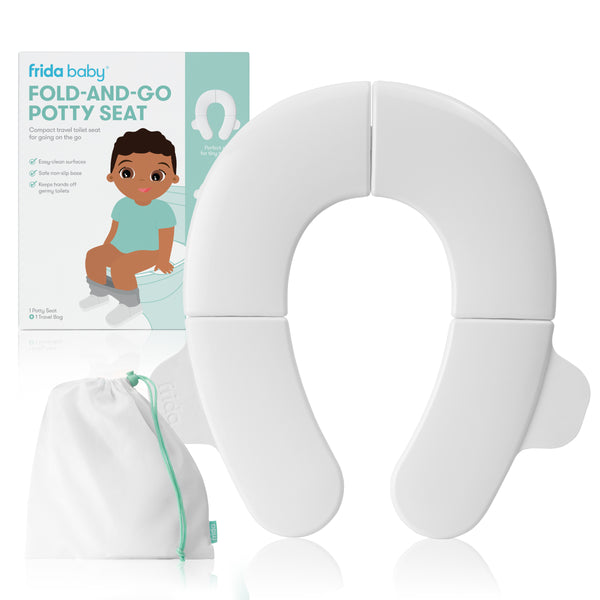
Frida Baby
Frida Baby Fold-and-Go Portable Potty Seat for Toilet, Foldable Travel Potty Seat
Read review →
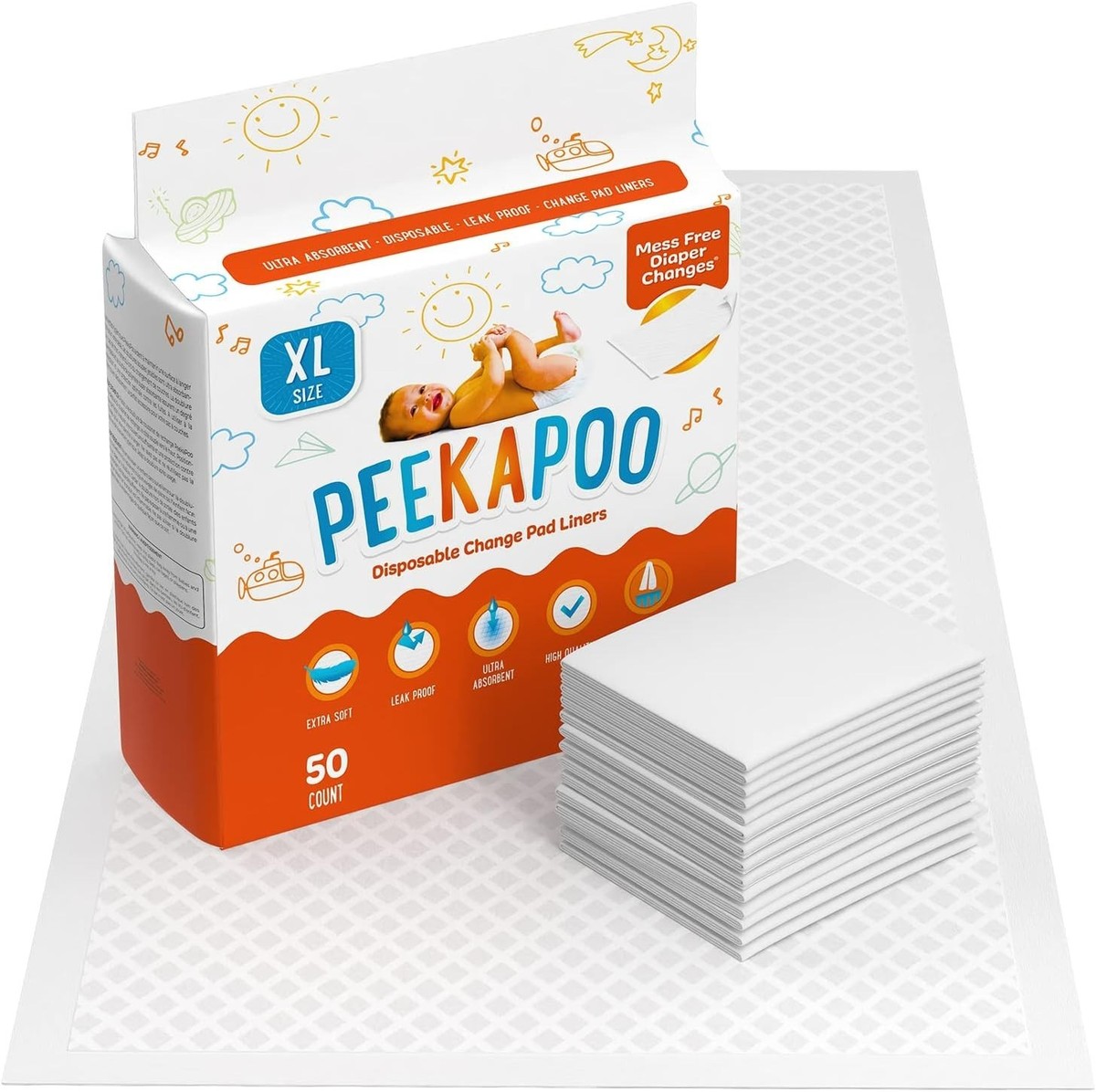
Peekapoo
Peekapoo Disposable Baby Changing Pad Liners, 50 Pack, Waterproof Ultra Absorbent
Read review →
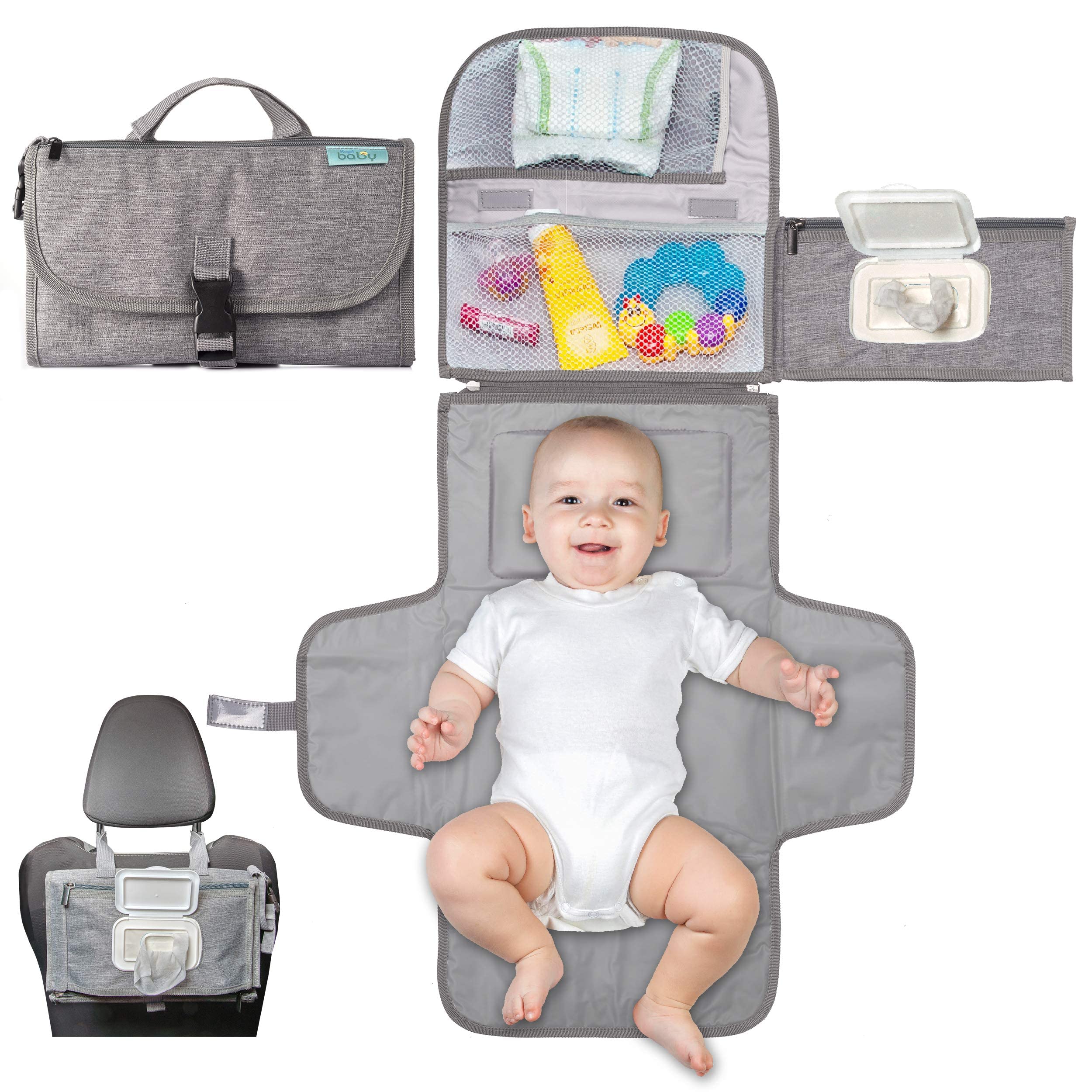
Kopi Baby
Kopi Baby Portable Diaper Changing Pad with Wipes Pocket, Travel Station Kit
Read review →
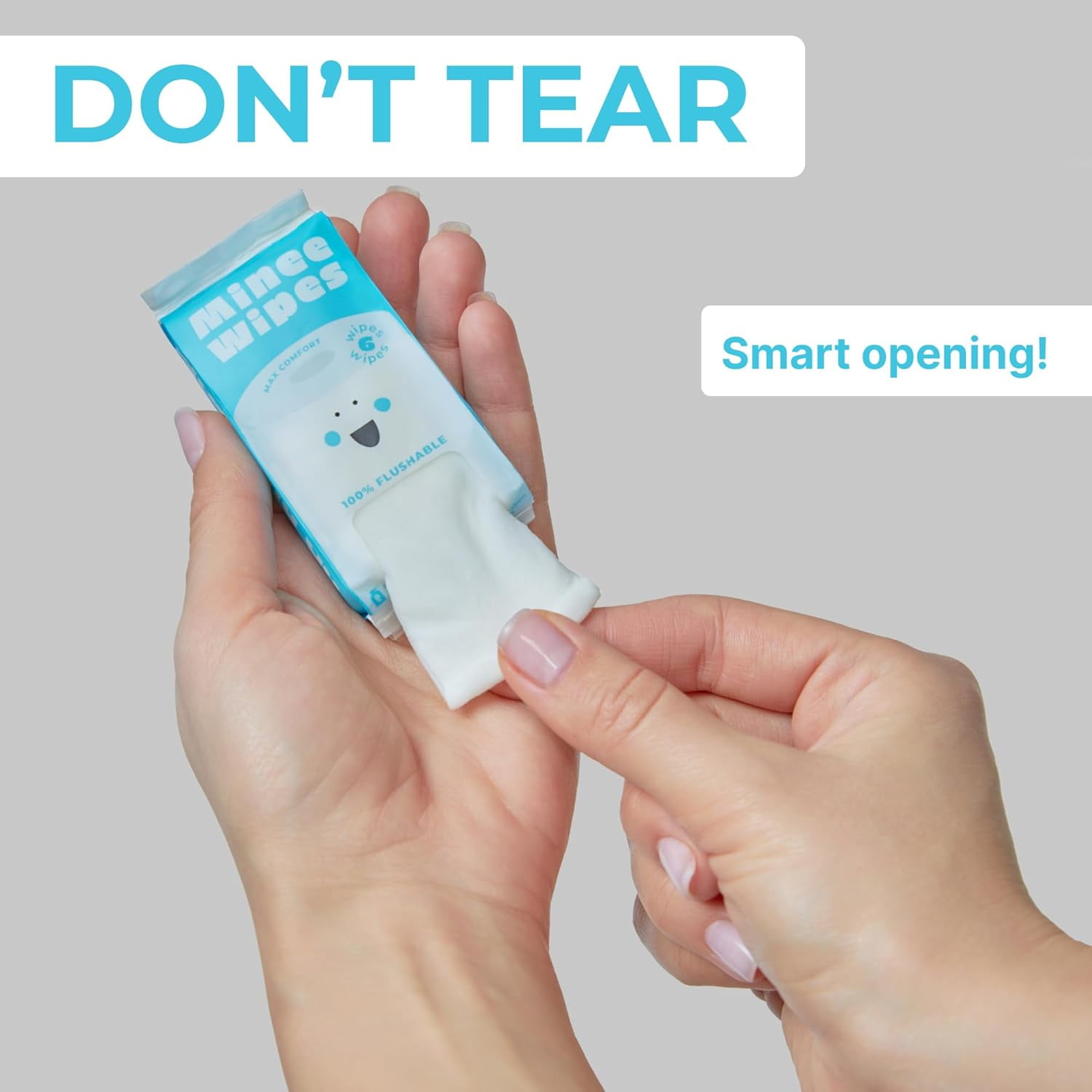
Impossibly Compact
Impossibly Compact Travel Flushable Wipes, 99.5% Water and Aloe, 8 Pack 48 Wipes
Read review →
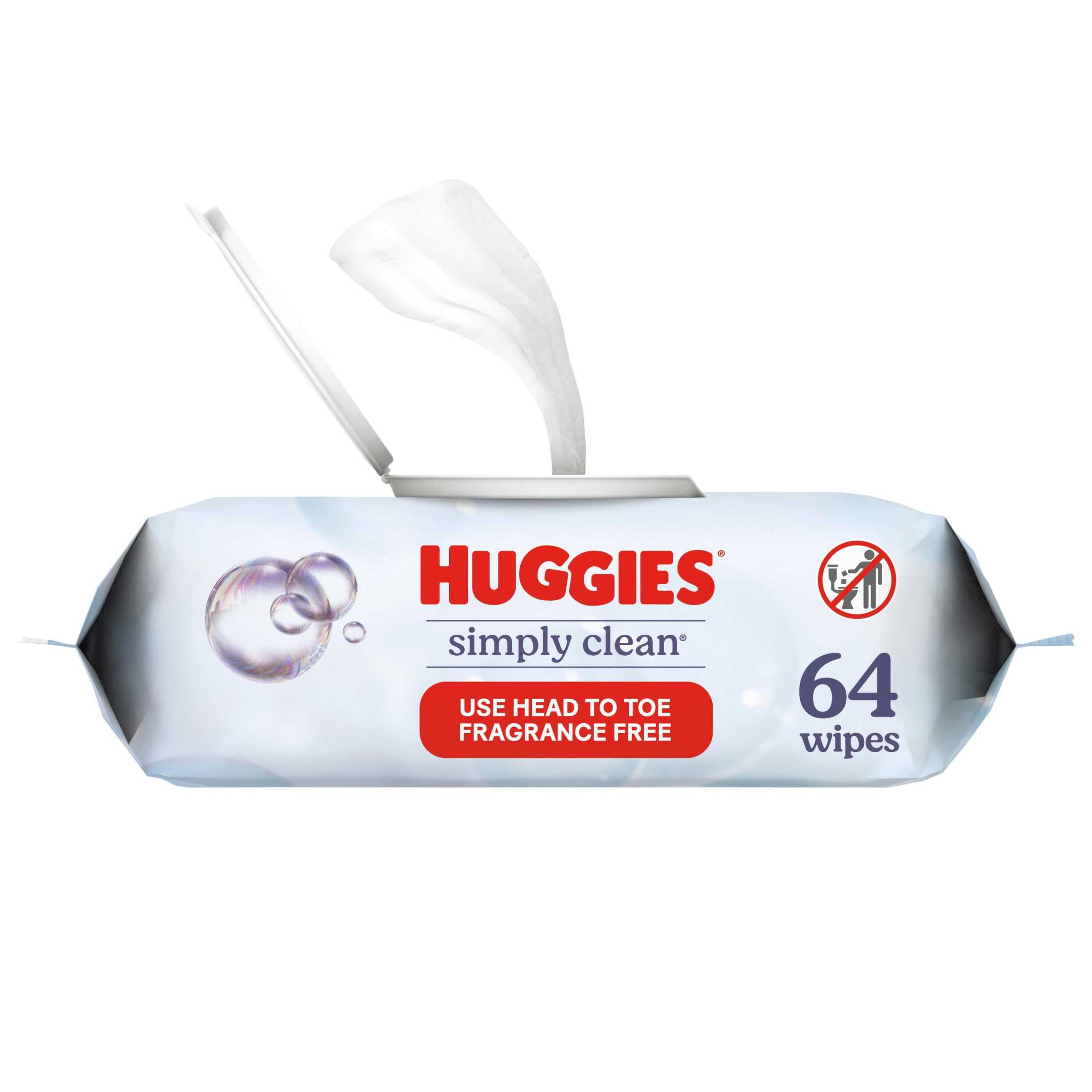
Huggies
Huggies Simply Clean Unscented Baby Diaper Wipes, 64 Count
Read review →
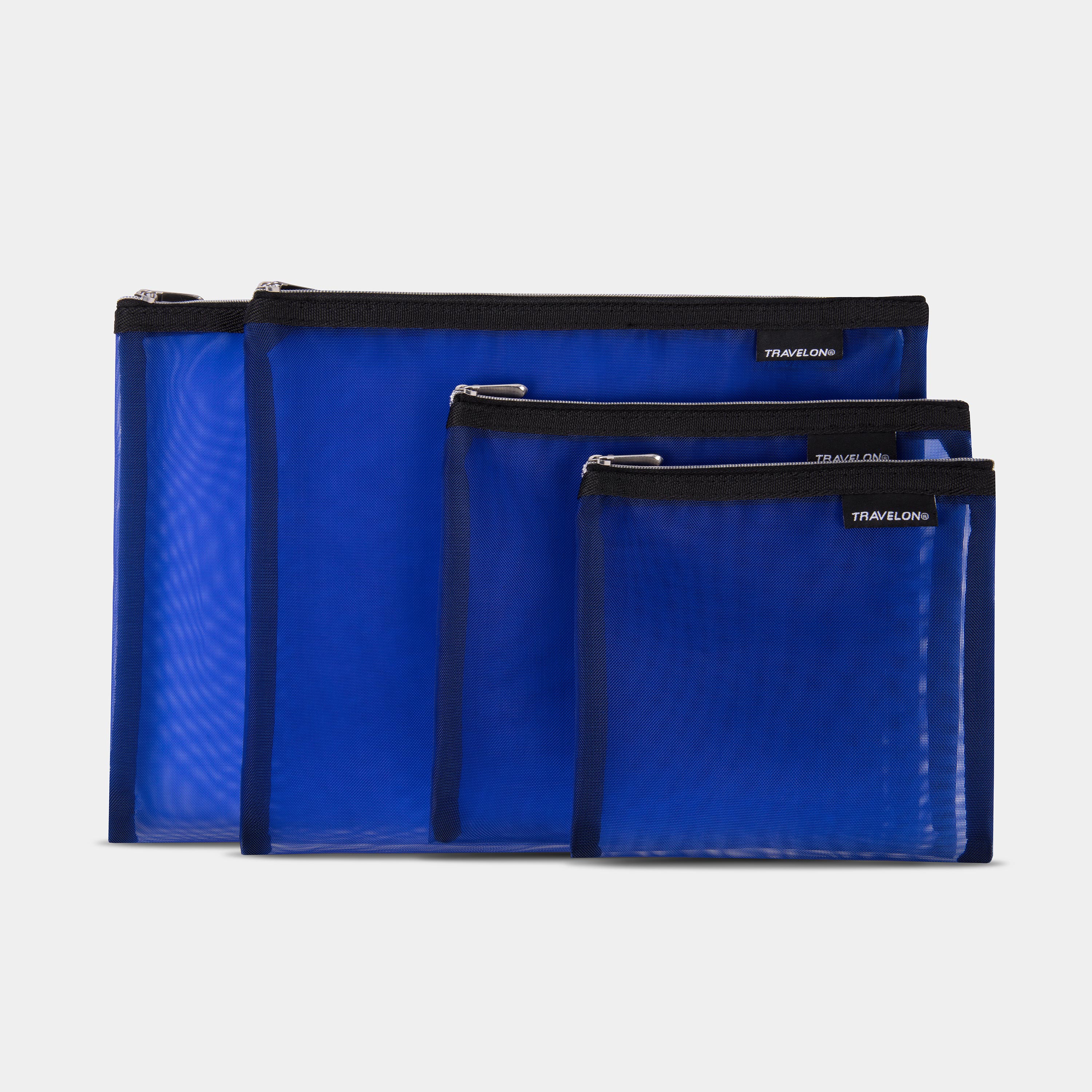
Travelon
Travelon Set of 4 Mesh Pouches, Assorted Sizes
Read review →
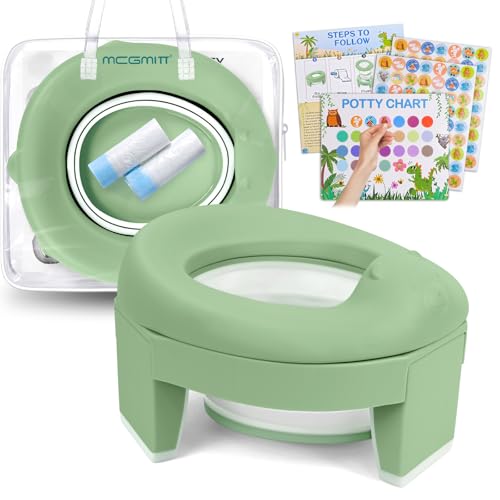
MCGMITT
MCGMITT Portable Folding Travel Potty and Toilet Seat
Read review →
Related Content
International Travel with a Toddler: The Complete Parent's Guide (2026)
Everything parents need for international travel with a toddler — passports, vaccinations, car seats abroad, food safety, time zones, packing, and emergency planning.
Traveling With Two Under Two: The Honest Parent's Guide (2026)
Real strategies for traveling with two under two — gear decisions, flight day logistics, sleep setups, feeding on the go, and honest advice.
Feeding Your Toddler While Traveling: The Complete Parent's Guide (2026)
How to feed your baby or toddler on the road — snack packing strategy, restaurant survival tips, formula logistics, TSA rules for baby food, and picky eater tactics.