The Complete Toddler Travel First Aid Kit Guide (2026)
Build the perfect toddler travel first aid kit — medications, doses, TSA rules, common ailments, and when to seek emergency care abroad.
A toddler spiking a 103-degree fever at 11 PM, three days into a holiday abroad, is the scenario this guide exists for. The front desk has a number for a doctor who may not share your language. The nearest pharmacy is a taxi ride away and probably closed. And whatever medication you packed is all the medication you have. "It is only a week — what are the odds?" is the reasoning that leaves families one dose short at exactly the wrong hour.
The odds, as every experienced traveling parent will tell you, are basically 100 percent. Kids get sick on vacation. They get fevers, stomach bugs, ear infections, mystery rashes, sunburns, bug bites, and scrapes. It is not a matter of if but when. The difference between a minor inconvenience and a vacation-ruining crisis often comes down to whether you packed the right things in a small bag that you can reach at 2 AM without turning on the lights.
This guide is the kit worth assembling before that situation arises rather than during it. It covers exactly what to pack, the right doses for common medications, how to handle the most likely travel ailments, the TSA rules for flying with medicine, and the signs that mean you should stop treating it yourself and find a doctor.
The Essential Items Checklist
This is the core kit. Every item on this list has earned its place through actual use on actual trips. Nothing here is theoretical.
Medications
Acetaminophen (Tylenol) — The most important thing in your kit. Treats fever and pain. Available in infant drops (for under 2) and children's liquid (for 2 and up). Bring more than you think you need. We pack at least 8 to 10 doses' worth for a week-long trip.
Ibuprofen (Motrin/Advil) — For children 6 months and older. Treats fever, pain, and inflammation. Can be alternated with acetaminophen for stubborn fevers. Children's liquid formulation.
Antihistamine (Benadryl/diphenhydramine) — For allergic reactions, bug bites, hives, and (in some cases, with pediatrician approval) to help with sleep disruption. Children's liquid. Also available in a topical cream for localized reactions.
Hydrocortisone cream (1%) — For bug bites, rashes, eczema flare-ups, and mild allergic skin reactions. The over-the-counter 1% strength is safe for toddlers on small areas.
Saline nasal spray or drops — For congestion. Safe for all ages. Helps with the dry cabin air on flights too.
Simethicone drops (gas drops) — For stomach discomfort and gas. Especially useful for babies.
Oral rehydration solution (Pedialyte packets) — For dehydration from vomiting, diarrhea, or heat. The powder packets are lighter and more travel-friendly than bottles. Mix with bottled water.
Diaper rash cream — A small tube of zinc oxide cream (Desitin or similar). Travel changes in water, wipes, and food can trigger sudden diaper rash.
Antibiotic ointment (Neosporin) — For cuts and scrapes. A small tube lasts forever.
Sunscreen (SPF 50+) — Technically not a medication, but it belongs in your first aid kit, not buried in a suitcase. Mineral sunscreen (zinc oxide or titanium dioxide) is recommended for babies under 6 months and preferred by many parents for toddlers.
Supplies
Adhesive bandages (Band-Aids) — Assorted sizes, including some with characters on them. The psychological healing power of a Bluey bandage on a toddler's scraped knee is not to be underestimated.
Gauze pads and medical tape — For larger scrapes or cuts that need covering.
Digital thermometer — A fast-read digital thermometer is essential. Rectal is most accurate for babies under 3 months; forehead or ear thermometers are faster and good enough for toddlers. Bring extra batteries or a backup thermometer.
Nasal aspirator (NoseFrida or bulb syringe) — For clearing congestion. The NoseFrida is more effective but grosses out some parents. Your call.
Tweezers — For splinters, ticks, and the occasional mystery object embedded in a toddler's skin.
Instant cold packs — The squeeze-to-activate kind. For bumps, bruises, and sprains. Two is enough.
Medical-grade hand sanitizer — For treating wounds when you do not have access to soap and water.
Oral syringe — For administering liquid medication accurately. Pack two in case you lose one.
Disposable gloves — Two or three pairs. For dealing with vomit, blood, or other situations where you want a barrier.
Small scissors — For cutting tape, gauze, or clothing if needed.
Nice-to-Have Items
These are not essential for every trip but are worth including for specific destinations or situations:
Insect repellent — DEET-based (20-30% concentration) for children over 2 months, or picaridin-based as an alternative. Check CDC travel health recommendations for children for your destination.
After-bite treatment — Calamine lotion or a dedicated after-bite pen for itchy bites.
Motion sickness bands or medication — If your child is prone to car sickness. Dramamine makes a children's formulation for ages 2 and up.
Aloe vera gel — For sunburn relief. A small travel tube.
Eye drops (saline) — For flushing sand, dirt, or irritants from eyes.
Probiotic drops or packets — Some parents swear by these for preventing traveler's stomach. The evidence is mixed, but they are harmless and lightweight.
Teething gel or tablets — If your child is actively teething.
Tick removal tool — If you are traveling to wooded or grassy areas. The credit-card-sized tick removers take up zero space.
Medication Guide With Dosing Notes
This section is for reference, not a substitute for your pediatrician's advice. The AAP's first aid guide is another reliable resource. Always confirm dosing with your child's doctor before travel, especially for children under 2.
Acetaminophen (Tylenol) Dosing
Acetaminophen is dosed by weight, not age. However, approximate guidelines are:
- 6 to 11 lb (newborn to roughly 3 months): Ask your pediatrician before giving any medication to a child this young.
- 12 to 17 lb (roughly 4 to 11 months): 2.5 mL of infant drops (160 mg/5 mL concentration)
- 18 to 23 lb (roughly 12 to 23 months): 3.75 mL of infant drops
- 24 to 35 lb (roughly 2 to 3 years): 5 mL of children's liquid (160 mg/5 mL)
- 36 to 47 lb (roughly 4 to 5 years): 7.5 mL of children's liquid
Can be given every 4 to 6 hours. Do not exceed 5 doses in 24 hours.
Ibuprofen (Motrin/Advil) Dosing
Ibuprofen is for children 6 months and older. Also dosed by weight:
- 12 to 17 lb (roughly 6 to 11 months): 1.25 mL of infant drops (50 mg/1.25 mL)
- 18 to 23 lb (roughly 12 to 23 months): 1.875 mL of infant drops
- 24 to 35 lb (roughly 2 to 3 years): 5 mL of children's liquid (100 mg/5 mL)
- 36 to 47 lb (roughly 4 to 5 years): 7.5 mL of children's liquid
Can be given every 6 to 8 hours. Do not exceed 4 doses in 24 hours.
Alternating Tylenol and Motrin
For stubborn fevers that do not respond to a single medication, many pediatricians recommend alternating acetaminophen and ibuprofen. The typical schedule:
- Give acetaminophen at Hour 0
- Give ibuprofen at Hour 3
- Give acetaminophen at Hour 6
- Give ibuprofen at Hour 9
- Continue alternating every 3 hours as needed
Write down every dose you give and the time you gave it. Sleep-deprived and worried, it is dangerously easy to lose track and double-dose, and paracetamol overdose in small children is serious. A running note on your phone with the medication and a timestamp is enough, and it also gives a doctor an accurate history if you end up needing one.
Diphenhydramine (Benadryl) Dosing
Benadryl is generally not recommended for children under 2 without a pediatrician's specific direction. For children 2 and older:
- 24 to 35 lb: 5 mL of children's liquid (12.5 mg/5 mL)
- 36 to 47 lb: 7.5 mL of children's liquid
Can be given every 4 to 6 hours. Do not exceed 6 doses in 24 hours.
Important: Benadryl can cause drowsiness in most children but has a paradoxical excitatory effect in some — making them wired and restless instead of sleepy. If you have never given your child Benadryl before, do a test run at home before the trip so you know how they react.
Oral Rehydration
Pedialyte or a generic oral rehydration solution. For children with vomiting or diarrhea:
- Offer small, frequent sips — 1 to 2 tablespoons every 5 to 10 minutes
- Do not give large amounts at once (it comes right back up)
- Continue breast milk or formula if the child is still nursing
- For older toddlers, popsicles made from Pedialyte can help (freeze some in advance if you have access to a freezer)
Treating Common Travel Ailments
Fever
Fever is the number one travel ailment for young children. New environments, disrupted sleep, and exposure to different germs make it almost inevitable on longer trips.
What to do:
- Take the temperature to confirm (do not guess)
- Give acetaminophen or ibuprofen per the dosing guide
- Dress the child lightly — remove blankets and extra layers
- Offer fluids frequently
- Lukewarm bath or cool washcloth on the forehead can help comfort but does not significantly lower temperature
- Recheck temperature 30 to 45 minutes after medication
When to worry: See the "When to Seek Emergency Care" section below.
Stomach Bugs (Vomiting and Diarrhea)
The dreaded travel stomach bug. It can come from new foods, water, or simply the stress of travel on a developing digestive system.
What to do:
- Focus on hydration above everything else. Oral rehydration solution in small, frequent sips
- Do not force food. When the child is ready to eat, start with bland foods: crackers, toast, rice, bananas
- Continue breastfeeding or formula for babies
- Expect 24 to 48 hours of symptoms for a typical viral stomach bug
- Change diapers frequently and apply diaper rash cream preventively — diarrhea and diaper rash go hand in hand
What NOT to do: Do not give anti-diarrheal medication (like Imodium) to young children. Their bodies need to expel whatever is causing the problem.
Sunburn
Toddlers burn faster than adults and feel it more intensely. Prevention is everything, but when it happens:
What to do:
- Get out of the sun immediately
- Cool, damp cloths on the burned areas
- Aloe vera gel for comfort
- Acetaminophen or ibuprofen for pain
- Extra fluids — sunburn causes dehydration
- Loose, soft clothing over burned areas
- Stay out of direct sun until the burn heals
Prevention reminder: Apply mineral sunscreen 15 to 30 minutes before sun exposure. Reapply every 2 hours and after swimming or sweating. Use sun-protective clothing (UPF 50+ rash guards) whenever possible — they are more reliable than sunscreen on a squirming toddler.
Bug Bites
Mosquito bites, ant bites, bee stings — the outdoor world is full of things that want to bite your child.
For mosquito and ant bites:
- Clean the area with soap and water
- Apply hydrocortisone cream or calamine lotion
- A cold pack reduces swelling and itching
- Distract your toddler from scratching (easier said than done)
- Benadryl for widespread or very itchy bites
For bee or wasp stings:
- Remove the stinger if visible (scrape it out with a credit card edge — do not squeeze with tweezers, as this can inject more venom)
- Clean with soap and water
- Cold pack for swelling
- Acetaminophen or ibuprofen for pain
- Benadryl for swelling and itching
- Watch for signs of allergic reaction: widespread hives, difficulty breathing, swelling of face or throat — this is an emergency
Cuts and Scrapes
Toddlers fall. On vacation, they fall on unfamiliar surfaces in unfamiliar places.
What to do:
- Clean the wound thoroughly with clean water (bottled water if you are unsure of tap water quality)
- Apply gentle pressure with gauze if bleeding
- Apply antibiotic ointment
- Cover with a bandage
- Change the bandage daily and watch for signs of infection: increasing redness, warmth, swelling, or pus
Ear Pain (Especially After Flying)
Ear pain from pressure changes during flights is extremely common in babies and toddlers because their eustachian tubes are smaller and do not equalize pressure as efficiently.
During the flight:
- Nurse, bottle-feed, or offer a sippy cup during takeoff and landing — the swallowing motion helps equalize pressure
- A pacifier also helps
- For toddlers, encourage them to yawn or blow their nose gently
- Do not let them sleep through descent if they are prone to ear pain — wake them so they can swallow
After the flight:
- Acetaminophen or ibuprofen for pain
- If pain persists more than a few hours after landing, it may be an ear infection (flying does not cause ear infections, but the pressure changes can worsen an existing one)
- If the child has a cold or congestion, saline nasal spray before the flight can help open the eustachian tubes
For more flight-specific strategies, check our flying with a toddler guide.
Motion Sickness
Some children are more susceptible than others. Motion sickness typically does not appear until age 2, but some younger toddlers do experience it.
Prevention:
- Face forward in the vehicle. Rear-facing car seats can contribute to motion sickness in some children — talk to your pediatrician about when to transition
- Fresh air (crack a window) helps
- Avoid screens and books during car rides for susceptible children
- Keep the car cool
- Offer small, bland snacks rather than heavy meals before driving
- Dramamine for Kids (for age 2+) can be given 30 to 60 minutes before travel with pediatrician approval
Treatment (when it hits):
- Stop the car if possible and let the child get fresh air
- Cool, damp cloth on the forehead and neck
- Small sips of water or ginger ale
- Have a vomit bag or towel ready — always
- Resume driving only when the child feels better
Our road trip survival guide has more strategies for managing motion sickness on long drives.
Altitude Sickness
If your trip involves significant altitude change (ski resorts, mountain destinations, cities like Denver, Bogota, or Quito), children can experience altitude sickness just like adults.
Symptoms in toddlers:
- Fussiness and irritability (hard to distinguish from normal toddler behavior, honestly)
- Loss of appetite
- Trouble sleeping
- Nausea or vomiting
- Lethargy
Prevention and treatment:
- Ascend gradually when possible — spend a night at a moderate altitude before going higher
- Push fluids aggressively
- Let children rest and do not overschedule activities on the first day at altitude
- Acetaminophen or ibuprofen for headache
- If symptoms are severe or include persistent vomiting, difficulty breathing, or extreme lethargy, descend to a lower altitude and seek medical attention
Note: Prescription altitude medications (like acetazolamide) are not typically recommended for young children. Discuss with your pediatrician before any high-altitude trip.
Dehydration
Dehydration sneaks up on small children fast, especially in hot climates, at altitude, after vomiting or diarrhea, or during long travel days when routines are disrupted.
Signs of dehydration in babies and toddlers:
- Fewer wet diapers than usual (fewer than 6 wet diapers in 24 hours for babies, fewer than 3 for toddlers)
- Dark yellow urine
- Dry lips and mouth
- No tears when crying
- Sunken soft spot (fontanelle) in babies
- Lethargy or unusual sleepiness
What to do:
- Oral rehydration solution in small, frequent sips
- Continue breastfeeding or formula
- Avoid juice — the sugar can worsen diarrhea
- Get out of the heat
- If the child cannot keep fluids down at all, seek medical attention — they may need IV fluids
TSA and Airline Rules for Medicines
Good news: traveling with children's medications is straightforward. The TSA is parent-friendly on this.
What You Can Bring
Liquid medications are exempt from the 3.4-ounce (100 mL) limit. You can bring as much children's Tylenol, Motrin, Benadryl, or any other medication as you need. This applies to medically necessary liquids in general.
You do need to declare them. Tell the TSA officer at the security checkpoint that you have liquid medications. They will likely ask you to remove them from your bag so they can be screened separately (either visually inspected or run through the X-ray machine).
Prescription medications should be in their original pharmacy-labeled containers. This is not strictly required by TSA, but it avoids questions and is especially important for international travel.
Formula, breast milk, and juice for children are also exempt from the 3.4-ounce rule. You can bring them in reasonable quantities for the duration of the flight.
What to Pack Where
Carry-on (always):
- All medications your child might need during the flight or in case of checked luggage delays
- Thermometer
- Oral syringe
- Saline nasal spray
- Oral rehydration packets
- A basic first aid selection (bandages, antibiotic ointment)
Checked luggage:
- Backup supplies (extra medication, extra bandages)
- Sunscreen (full-size bottles)
- Insect repellent
- Anything you will not need until you arrive
The general rule: if your child might need it during the travel day, it goes in the carry-on. If it can wait until you reach your destination, it can go in checked luggage — but always have essential medications in your carry-on because checked bags get lost. For more carry-on packing strategies, see our packing list guide and packing organizers roundup.
International Considerations
If you are traveling internationally, medication rules vary by country. Some things to know:
- Some over-the-counter medications in the US require a prescription in other countries, and vice versa
- Certain ingredients that are legal in the US may be restricted or banned in some countries (codeine, pseudoephedrine, etc.)
- Bring medications in original packaging with clear labels
- Carry a letter from your pediatrician listing your child's medications if your child takes prescription medication regularly
- Research the availability of specific medications at your destination — brand names differ internationally
When to Seek Emergency Care
This is the section we hope you never need, but having clear guidelines in your head before an emergency makes a real difference. When you are panicked and sleep-deprived in a foreign city, you need simple rules.
Go to the Emergency Room or Call Emergency Services If Your Child Has:
- Fever over 100.4F (38C) in a baby under 3 months — this is always an emergency, no exceptions
- Fever over 104F (40C) at any age that does not respond to medication within an hour
- Difficulty breathing — labored breathing, wheezing, retracting (skin pulling in between ribs), blue lips or fingertips
- Signs of severe dehydration — no wet diapers for 8+ hours, no tears when crying, sunken fontanelle, extreme lethargy
- Seizure — febrile seizures (seizures caused by rapid temperature rise) are more common than parents realize; they are usually not dangerous but always require medical evaluation
- Severe allergic reaction — hives over large areas of the body, swelling of face/lips/tongue, difficulty breathing, vomiting after a sting or new food exposure
- Head injury with loss of consciousness, vomiting, or behavioral changes
- Deep cut that will not stop bleeding after 10 minutes of firm pressure
- Suspected broken bone — obvious deformity, inability to bear weight, severe swelling
- Stiff neck with fever — could indicate meningitis
- Blood in stool or vomit
- Persistent vomiting — cannot keep any fluids down for 4+ hours in a baby, 8+ hours in a toddler
Before You Travel: Preparing for Medical Situations
Ask your pediatrician for a pre-trip consult. Many pediatricians will do a quick phone or telehealth appointment to review your travel plans and make recommendations. Ask about:
- Any vaccines needed for your destination
- Prescription medications to have on hand (anti-nausea, antibiotics for ear infections, etc.)
- Your child's specific health considerations
- A letter summarizing your child's medical history and current medications (critical for international travel)
Know how to access medical care at your destination. Before you leave home:
- Identify the nearest hospital or urgent care to your hotel or rental
- Save the local emergency number (it is not 911 everywhere — it is 112 in the EU, 999 in the UK, etc.)
- Check whether your health insurance covers international medical care (many do not)
- Consider travel medical insurance for international trips — it is inexpensive and can save you from catastrophic medical bills abroad
- Download a translation app if you are traveling to a non-English-speaking country
Register your trip with the US State Department (STEP program) for international travel. In a genuine emergency, the embassy can help connect you with English-speaking medical providers.
Organizing and Packing the Kit
A first aid kit is only useful if you can find what you need quickly. At 2 AM in a dark hotel room with a screaming toddler, you do not want to be digging through a jumbled ziplock bag.
The Container
Use a clear, zip-top pouch or a small, dedicated first aid organizer. We prefer something that:
- Is see-through (or has clear compartments) so you can spot items quickly
- Has multiple sections or pockets for categorizing items
- Is water-resistant
- Fits in your carry-on bag
- Can be hung on a hotel bathroom hook or doorknob for easy access at your destination
A medium-sized packing cube from our packing organizers roundup works well if you do not want a dedicated first aid bag.
Organization System
We organize in three categories:
Red zone (urgent): Thermometer, acetaminophen, ibuprofen, oral syringe, Benadryl. These go in the most accessible spot because they are what you reach for at 2 AM.
Yellow zone (common): Bandages, antibiotic ointment, hydrocortisone cream, diaper rash cream, saline spray, sunscreen. Used frequently but not usually in an emergency.
Green zone (just in case): Gauze, medical tape, cold packs, scissors, tweezers, insect repellent, oral rehydration packets. Packed and ready, but hopefully not needed.
Dosing Card
This is the single most useful thing to add to a travel first aid kit, and it costs nothing. Take an index card, or a piece of paper folded to that size, and write:
- Your child's name and current weight
- Acetaminophen dose (amount in mL)
- Ibuprofen dose (amount in mL)
- Benadryl dose (amount in mL, if applicable)
- Any prescription medication doses
- Pediatrician's name, phone number, and after-hours number
- Any allergies
Tape it to the inside of your first aid pouch. When you are exhausted and stressed, you will not have to calculate doses or search through your phone. The information is right there.
Replenishing
Before every trip, check your kit:
- Are any medications expired? (Check the expiration date printed on the bottle, not just the box)
- Are you low on anything? (Especially acetaminophen and ibuprofen)
- Has your child's weight changed? (Update the dosing card)
- Has your child outgrown any medication formulation? (Switched from infant drops to children's liquid, for example)
- Do you need destination-specific items? (Insect repellent for tropical trips, altitude considerations, etc.)
For travel safety gear beyond the first aid kit, our travel safety and baby proofing roundup covers outlet covers, door locks, and other items for keeping your hotel room or rental safe.
The Pre-Trip Pediatrician Checklist
Schedule a quick appointment or phone call with your pediatrician two to four weeks before your trip. Go in with this list:
- Destination and duration — so they can assess destination-specific risks
- Vaccine status — are any boosters due or travel-specific vaccines needed?
- Medication doses — confirm the correct doses for your child's current weight
- Prescription backup — ask for prescriptions for common issues (amoxicillin for ear infections, ondansetron for severe nausea) that you can fill as "just in case" supplies
- Altitude concerns — if traveling above 5,000 feet, ask about acclimatization strategies
- Water safety — ask about safe water practices for your destination
- Sun protection — confirm the appropriate sunscreen type for your child's age
- Medical letter — request a letter summarizing your child's health, medications, and allergies (essential for international travel, helpful domestically too)
- Telehealth availability — ask if your pediatrician offers telehealth appointments. If your child gets sick on vacation, a video call with their own doctor who knows their history is invaluable
- Travel insurance recommendation — your pediatrician may have recommendations for travel medical insurance, especially for international trips
Building the Kit vs Buying Pre-Made
You can buy pre-made first aid kits marketed for families and children. They are fine as a starting point, but they universally lack the specific medications and doses your child needs. No pre-made kit includes acetaminophen, ibuprofen, or antihistamines because those are medications that should be selected based on your child's age and weight.
Our recommendation: buy a basic pre-made kit for the supplies (bandages, gauze, tape, scissors, tweezers) and add your own medications, oral syringe, thermometer, and dosing card. This gives you a decent organizational container with the basic supplies already in it, and you customize it with the items that actually matter most.
Total cost for a well-stocked toddler travel first aid kit: $30 to $50, most of which you already have at home. The peace of mind is worth exponentially more than that.
Final Thoughts
The thermometer at midnight in a Costa Rica Airbnb. The Benadryl after a fire ant encounter in Florida. The oral rehydration packets during a stomach bug in a Portland hotel. The bandages and antibiotic ointment approximately four hundred times on every trip ever.
None of these situations ruined our trips because we had what we needed within arm's reach. The first aid kit is not about being paranoid — it is about being prepared. It takes 20 minutes to assemble, fits in a quart-sized pouch, and lets you handle 95 percent of the health issues that come up during travel without panic, without a midnight pharmacy run, and without cutting your vacation short.
Pack the kit. Check the doses. Talk to your pediatrician. Then go have an amazing trip, knowing that whatever comes up, you have got it handled.
For the rest of your travel packing needs, check our complete toddler packing list and our packing organizers roundup to keep everything accessible and organized.
Products Mentioned
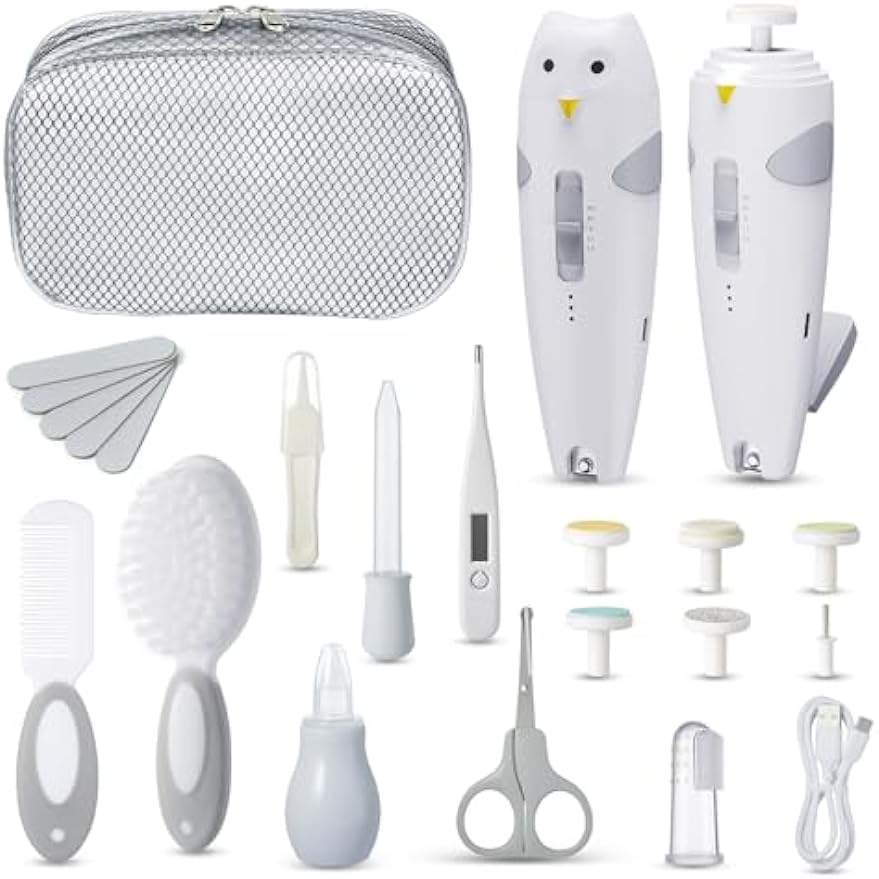
Lictin
Lictin Baby Healthcare and Grooming Kit, 26 in 1 Rechargeable Nail Trimmer Electric Set
Read review →
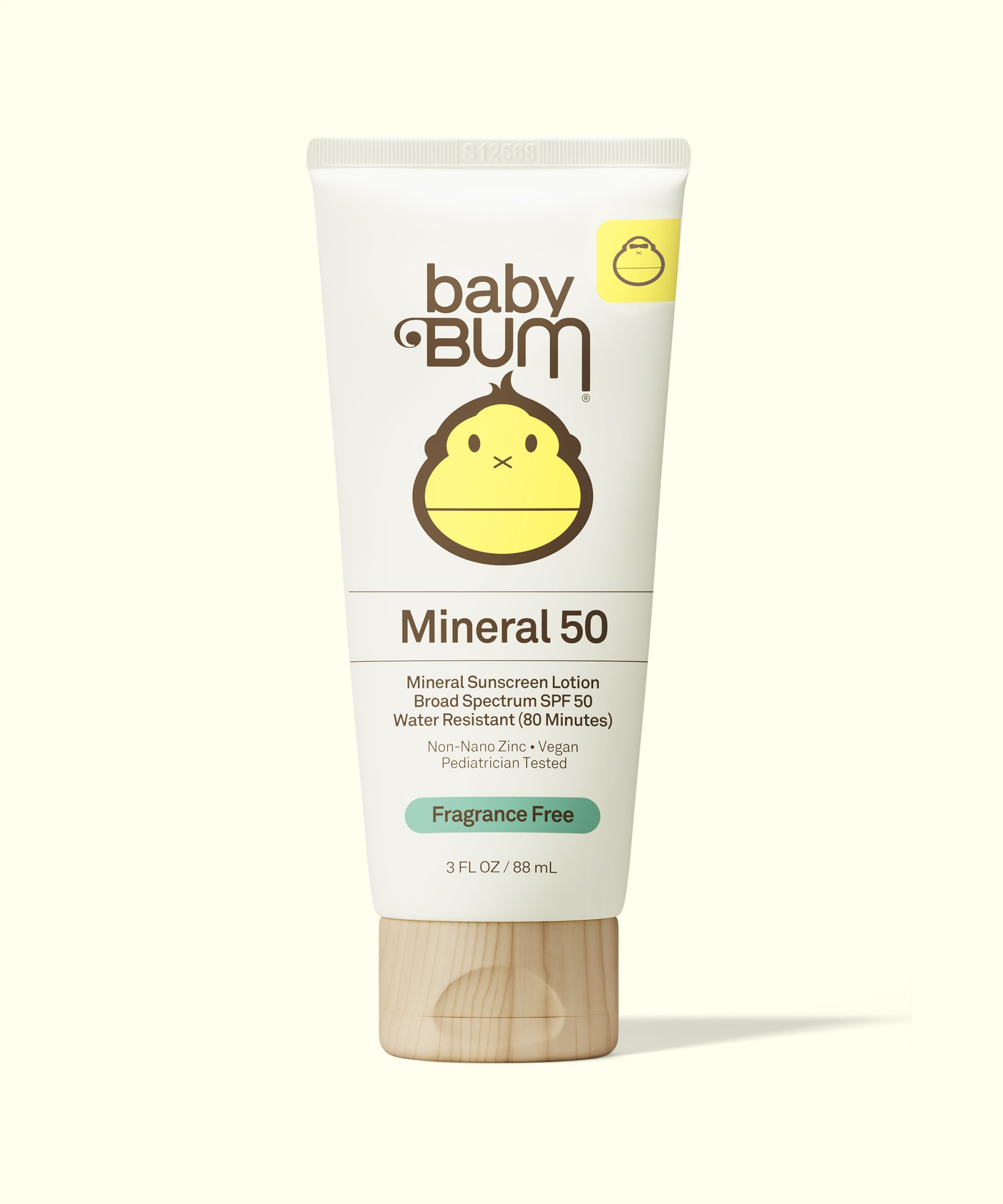
Baby Bum
Baby Bum SPF 50 Sunscreen Lotion, Mineral UVA/UVB Protection, Travel Size
Read review →
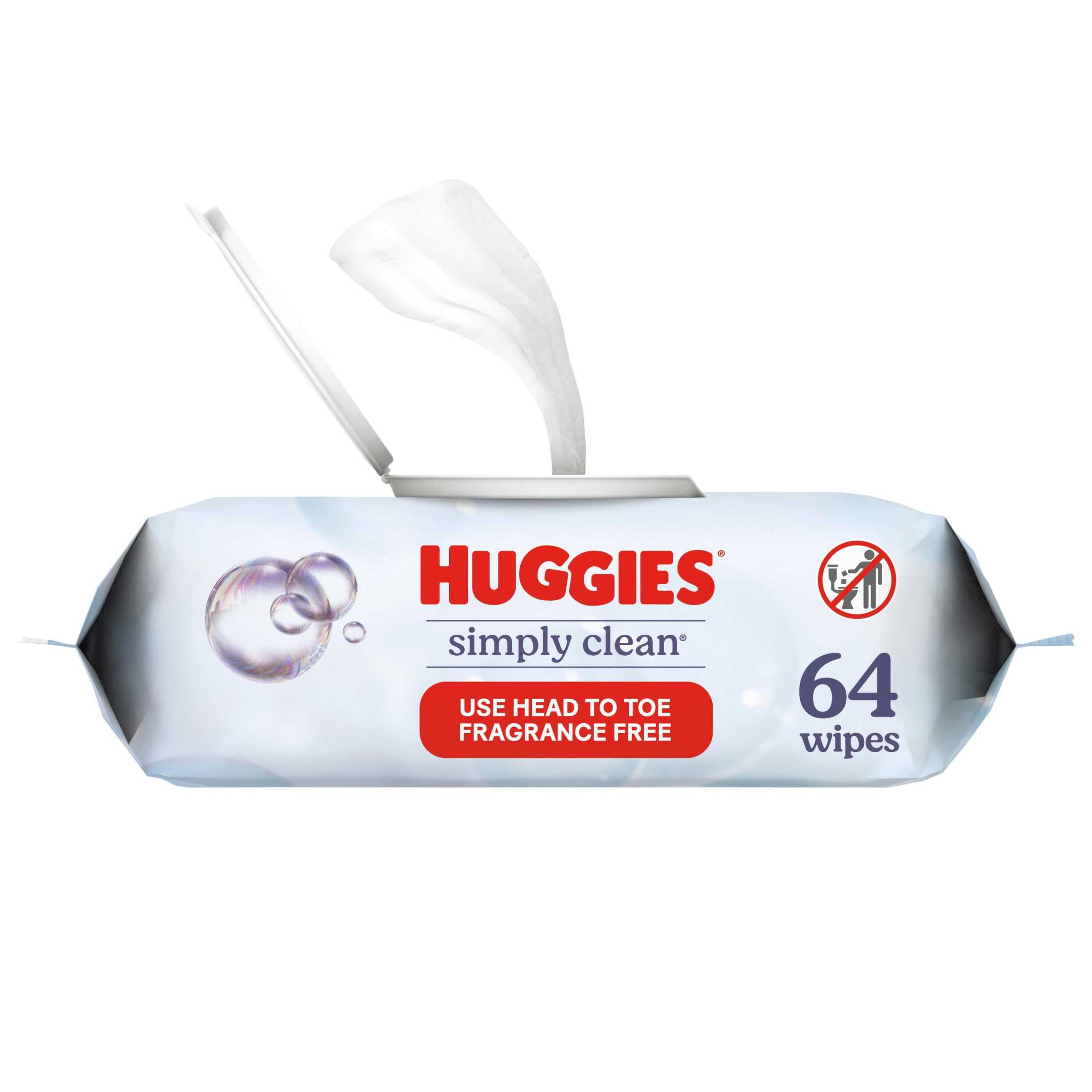
Huggies
Huggies Simply Clean Unscented Baby Diaper Wipes, 64 Count
Read review →
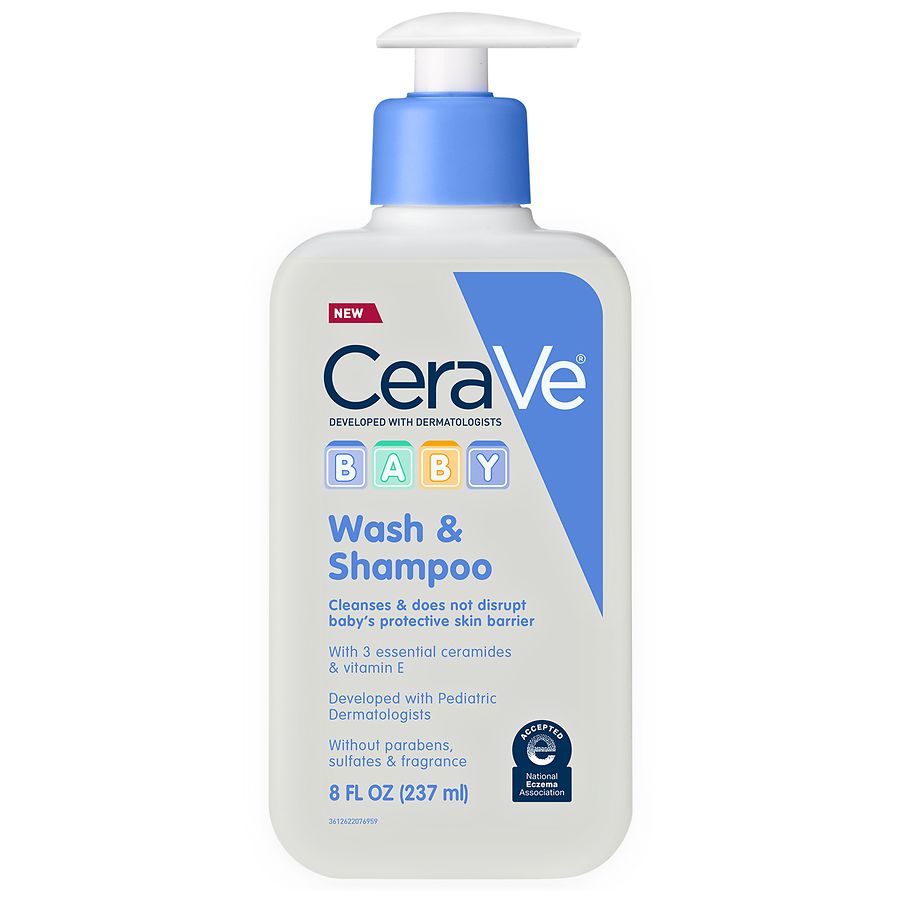
CeraVe
CeraVe Baby Wash & Shampoo, Fragrance, Paraben & Sulfate Free
Read review →
Travelon
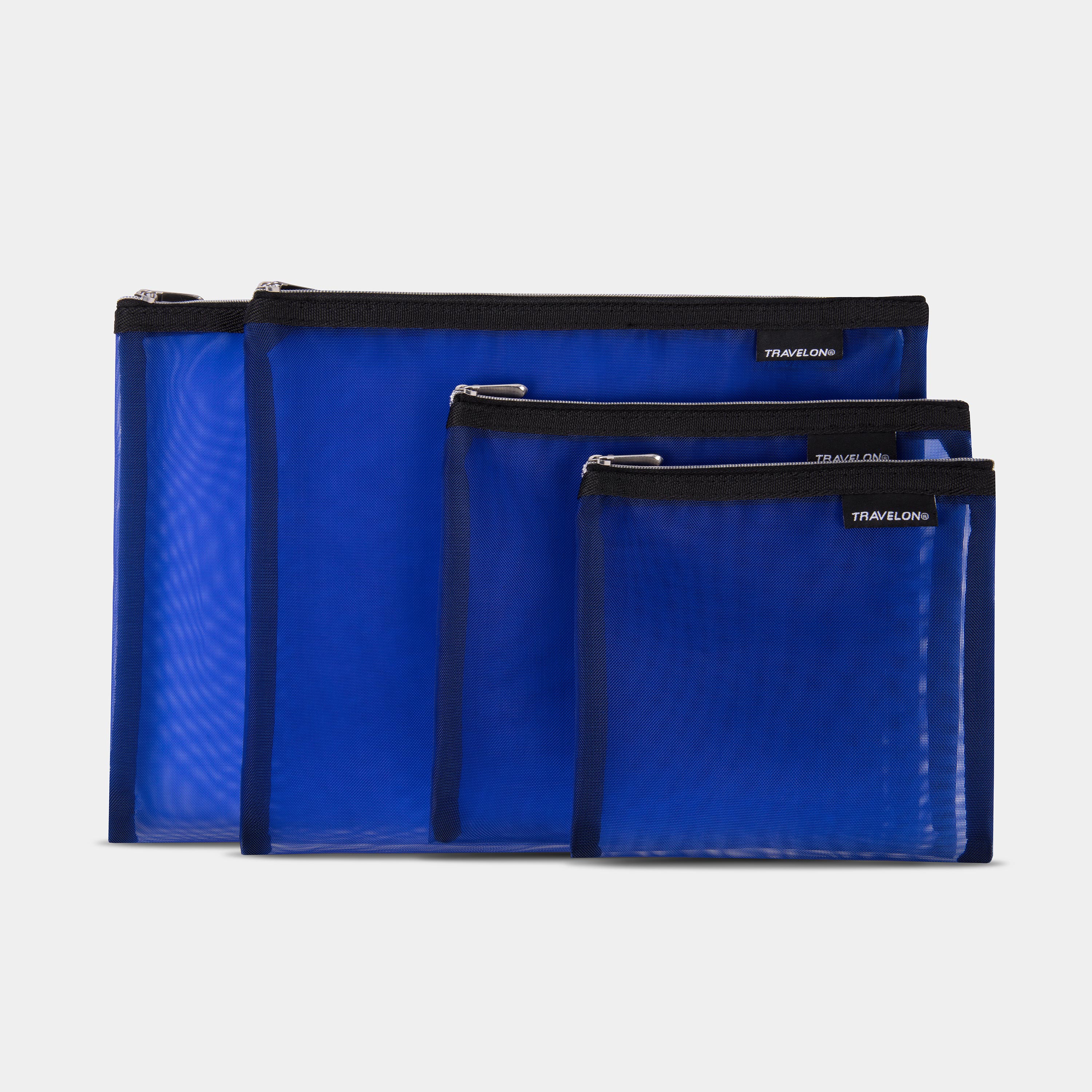
Travelon Set of 4 Mesh Pouches, Assorted Sizes
Read review →
Trueocity
Kids Toothbrush 4 Pack, Soft Bristles with Suction Cup, Ages 3–10
Read review →
KeepGoing
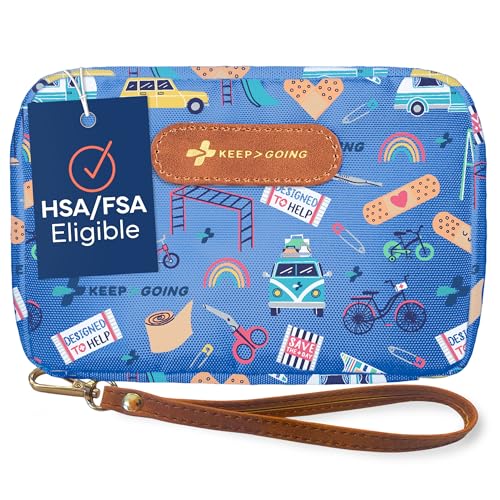
KeepGoing Travel First Aid Kit for Kids, 130 Pieces
Read review →
Dr. Brown's
Dr. Brown's Infant-to-Toddler Toothbrush, Giraffe & Strawberry Toothpaste Set
Read review →
Related Content
KeepGoing Travel First Aid Kit: 130 Pieces, and What It Doesn't Include
A spec-led look at the KeepGoing 130-piece kids travel first aid kit: TSA-approved size, diaper-bag footprint, and the one thing no kit includes. $39.95.

Camping with a Toddler: The Complete Parent's Guide (2026)
Complete guide to camping with a toddler — campsite selection, sleep setup, safety, gear lists, meal planning, and outdoor entertainment.
Feeding Your Toddler While Traveling: The Complete Parent's Guide (2026)
How to feed your baby or toddler on the road — snack packing strategy, restaurant survival tips, formula logistics, TSA rules for baby food, and picky eater tactics.