Road Trip Survival Guide With a Toddler (2026)
Practical road trip guide for parents of toddlers: timing, car seat comfort, stop planning, entertainment, snacks, meltdown management, and emergency kit.
A road trip with a toddler is not the same as a road trip without one. Gone are the days of driving straight through with nothing but a gas station coffee and a podcast. Now you are navigating nap windows, snack schedules, diaper blowouts at rest stops, and the kind of backseat meltdown that makes you question every life decision you have ever made.
But here is the thing — road trips with toddlers can actually be great. Parents report some of their best family memories happening in the car, between the meltdowns, when their kid spotted a cow out the window for the first time or fell asleep mid-sentence holding a cracker. The key is planning, realistic expectations, and a backseat full of snacks.
This guide covers everything you need to make it work.
Timing Your Drive: When to Hit the Road
The single biggest factor in a successful toddler road trip is timing. Get this right and the rest falls into place.
Option 1: The Early Morning Start
Leave the house between 4:30 and 5:30 AM, before your child normally wakes up. Transfer them to the car seat in their pajamas, still groggy. With any luck, they sleep for the first 2–3 hours while you knock out miles in blissful silence.
Best for: Drives of 4–8 hours. You get a huge head start before anyone is awake enough to be bored.
The catch: You need to be packed and loaded the night before. Everything. Do not underestimate how loud a trunk closing is at 5 AM.
Option 2: The Nap-Time Launch
Leave right when your child would normally nap (usually between 12 and 1 PM for toddlers). They fall asleep in the car and you get 1–3 hours of quiet driving.
Best for: Shorter drives of 3–5 hours. You arrive by late afternoon, in time for dinner and a semi-normal bedtime.
The catch: The morning at home can feel rushed if you are still packing. Get everything done the day before.
Option 3: The Overnight Drive
Leave after your child's normal bedtime (7–8 PM). They sleep in the car while you drive through the night.
Best for: Very long drives (8+ hours) where you want to skip the entertainment and stop-planning entirely.
The catch: One parent drives in the dark while exhausted. This is the most physically demanding option and requires careful planning for driver safety. If you choose this, the non-driving parent should be available to drive in shifts. Pull over and sleep if you feel drowsy — no destination is worth the risk.
What About Driving During Awake Hours?
Sometimes you have no choice but to drive during your toddler's peak awake time. That is fine. This guide has an entire section on entertainment and snack strategy for exactly that situation. It just requires more active management — think of it as a 4-hour playdate in a confined space.
Car Seat Comfort for Long Drives
Your child is strapped into a car seat for hours. Their comfort matters — and it directly affects their mood (and yours).
Clothing Matters
Dress your child in soft, stretchy clothes without bulky layers. No puffy jackets in the car seat — they compress in a crash and create slack in the harness. Instead:
- Thin, flexible layers (a long-sleeve onesie or cotton shirt)
- Fleece blanket over the harness for warmth (not under or behind)
- Soft pants without stiff waistbands or buttons
- Socks, not shoes (more comfortable, and toddler shoes end up thrown anyway)
Head Support
Toddlers' heads flop when they fall asleep, which looks uncomfortable and wakes them up when it jerks to the side. If your car seat does not have adequate head support, look for car seats with integrated head support systems. Our FAA-approved car seats roundup includes options that are comfortable for long drives too — many parents use their travel car seat in the car for everyday use.
The Sun Problem
Even with tinted windows, direct sun on a toddler in a car seat is miserable. Use:
- Static-cling window shades (they stick without suction cups that pop off)
- A breathable car seat canopy for infants
- Strategic parking in shade during stops
When to Take Breaks
The American Academy of Pediatrics recommends that babies under 1 should not spend more than 2 hours at a time in a car seat. For toddlers 1–4, a break every 2 hours is still a good target — not just for their comfort, but for their circulation and your sanity.
Stop Planning Strategy
How you plan your stops can make or break the trip. Random gas station stops are survival mode. Planned stops with purpose are actually enjoyable.
The Every-2-Hours Rule
Plan a stop roughly every 2 hours, but be flexible. If your child is sleeping peacefully at the 2-hour mark, keep driving. If they are melting down at 90 minutes, pull over.
Playground Stops vs Gas Station Stops
This is the game-changer most parents miss. Instead of stopping at gas stations (boring for kids, stressful for parents), plan stops at:
- Playgrounds — Use Google Maps to search "playground" along your route. A 20–30 minute playground stop lets your toddler burn energy, which buys you another 1–2 hours of calmer driving.
- Rest areas with grass — Even a rest area with a grassy field lets your toddler run around and reset.
- Fast food with play areas — Not the healthiest lunch option, but a 30-minute play area session is worth its weight in gold for the driving time it buys you.
- Parks, farms, or attractions near the highway — Some exits have petting zoos, local parks, or playgrounds. A quick search before the trip identifies them.
The Stop Routine
Make every stop efficient with a consistent routine:
- Diaper change (even if it seems clean — preventive changes save you from a mid-highway blowout; if your toddler is in the middle of potty training, bring the portable potty into the rest area)
- Stretch and move (let them walk, run, or climb for 10–15 minutes)
- Snack and drink (not in the car — eat at the stop to reduce mess)
- Quick parent needs (bathroom, coffee, gas)
- Back in the car with a new activity or snack waiting in the car seat
Total time per stop: 20–30 minutes. It feels like it slows you down, but it buys you more peaceful driving time than it costs.
In-Car Entertainment by Age
This is the tactical section. How to keep a tiny human engaged when they are strapped into a seat with nowhere to go. For product picks, see our best travel toys and activities roundup.
For Babies (0–12 Months)
- Mirror mounted on the headrest so they can see themselves (and you can see them)
- High-contrast crinkle toys clipped to the car seat handle
- Music and white noise — a playlist of nursery songs or a white noise app can keep them calm
- Rotating toys — clip 2–3 toys to the car seat and swap them every 30 minutes
For Toddlers (1–2 Years)
- Busy boards or buckle toys that attach to the car seat
- Sticker books — they peel and stick for remarkably long periods
- Magna Doodle or mess-free drawing pad — no crayons rolling under seats
- Nursery rhyme songs — these are hypnotic for this age group
- Snack time as entertainment — spread out snack time into a slow, extended activity (more on this below)
- Tablet with downloaded shows — save this for when other options fail. It is your nuclear option.
For Older Toddlers (2–4 Years)
- Audiobooks and podcasts — Story-based shows designed for kids (there are dozens of great ones) can hold attention for 30–60 minutes
- Activity bins — A small bin or bag with themed activities: Play-Doh, coloring pages, figurines, sticker scenes. Reveal one activity at a time. Each new bin is a reset.
- I Spy and car games — "I spy something green," "count the red cars," "find a truck" — surprisingly effective at 2.5+
- Tablet with downloaded movies and games — 2–4 year olds can handle longer screen sessions. Download content in advance — do not rely on cellular data.
- Volume-limited headphones — Essential. They let the child listen to their shows while the front seat has adult conversation or silence.
- Window clings — Reusable clings they can stick and restick on the car window
The Golden Rule of Car Entertainment
Reveal items one at a time. Do not dump everything in their lap at once. Each new toy, snack, or activity is a fresh attention span. Space them out: one new thing every 20–30 minutes. Wrap small toys in paper or put them in paper bags — the act of unwrapping buys you extra minutes.
Snack Strategy: Mess-Free and Meltdown-Free
Snacks are not just food on a road trip. They are entertainment, comfort, bribery, and a bargaining tool. Manage them strategically. (For bottles, sippy cups, and feeding gear that works in the car, check our travel feeding and bottles roundup and our guide to feeding your toddler while traveling.)
The Best Road Trip Snacks for Toddlers
Choose snacks that are:
- Low mess (no chocolate, no yogurt, no berries)
- Slow to eat (things they have to pick up one at a time)
- Not choking hazards (avoid whole grapes, hard candy, popcorn, nuts — especially in a moving car where you cannot easily help)
Great options:
- Dry cereal (Cheerios are the universal toddler road trip snack for a reason)
- Goldfish crackers
- Puffed rice snacks
- Banana slices (pre-cut before the trip)
- String cheese (when stopped — not while moving, due to choking risk)
- Applesauce pouches (mess-contained)
- Graham crackers
- Freeze-dried fruit (strawberries, bananas)
- Soft pretzels
Container Strategy
- Snack catcher cups with the silicone lid — they can reach in but the snacks do not spill out when the cup inevitably tips over
- Divided bento containers with small portions of different snacks — variety is engaging
- Ziplock bags portioned in advance — each bag is a "snack round"
When to Feed (and When Not To)
- Do feed during awake, calm stretches to extend contentment
- Do not feed when the child is upset or crying — choking risk increases when they are worked up
- Do not feed heavy meals right before you want them to nap — a light snack helps, a full meal can cause carsickness
- Do feed at stops when possible — eating outside the car seat means less mess in the car
The Snack Schedule Trick
Instead of giving snacks on demand, create a loose schedule: one snack round every 30–45 minutes. This stretches your snack supply over the whole drive and turns each round into a mini event the child looks forward to.
Emergency Kit Checklist for Road Trips
Beyond your regular packing (see our complete toddler packing list), a road trip with a toddler needs a dedicated car emergency kit:
- Extra outfit for the child (in a ziplock bag, stashed in the seat-back pocket — not in the trunk)
- Extra shirt for the parent driving (trust us)
- Full pack of wipes (accessible from the driver's seat)
- Plastic bags (for dirty diapers, soiled clothes, carsickness)
- Paper towels (a full roll)
- Diapers (minimum 6 extras beyond what you think you need for the drive)
- Diaper cream
- Children's Tylenol/Motrin
- Thermometer
- Band-aids
- Sunscreen
- Blanket (for the child, and one for emergency warmth if the car breaks down)
- Bottled water (for drinking, mixing formula, or cleaning up messes)
- Phone charger (two — one for each front-seat parent)
- Flashlight
- First aid kit
- Car seat manual (in case you need to reinstall after a stop)
Keep this kit in a bag behind the front passenger seat — not in the trunk. You need to reach everything without stopping the car.
Hotel vs Driving Through the Night: The Decision Framework
This is one of the most debated topics among road-tripping parents. Here is how to decide:
Drive Through the Night When:
- The total drive is under 10 hours
- Both adults can share driving shifts
- Your child sleeps well in the car
- You want to maximize time at your destination
- Your child's schedule is already disrupted anyway (holidays, etc.)
Stop at a Hotel When:
- The total drive exceeds 10 hours
- Only one adult is driving
- Your child wakes frequently in the car
- Safety is a concern (drowsy driving, unfamiliar roads, bad weather)
- The halfway point has something fun to see (make the stop part of the trip)
The Hotel Stop Pro Tips
If you decide to stop:
- Book in advance — A hotel with a pool is gold. A 30-minute swim before bed tires out your toddler and makes bedtime easier in an unfamiliar room.
- Request a ground-floor room — Easier with gear, and your toddler's running will not bother downstairs neighbors.
- Bring your child's sleep items into the hotel room: portable crib, sleep sack, white noise machine, lovey. The more familiar the sleep environment, the better they sleep. (See our travel sleep accessories roundup for what to pack.)
- Stick to the bedtime routine as closely as possible: bath, pajamas, book, lights out. Same order, different place. Our toddler sleep on vacation guide walks through how to protect naps and nighttime sleep while traveling.
Dealing With Meltdowns on the Road
It is going to happen. Here is how to handle it.
Prevention
Most toddler car meltdowns have a predictable cause:
- Hunger — Offer a snack before they hit the hunger wall
- Boredom — Rotate activities before the current one loses its magic
- Tiredness — Watch for sleep cues and dim the car, play soft music, and let them drift off
- Physical discomfort — Check the harness, temperature, sun exposure, and diaper
- Loss of control — Toddlers hate being strapped down with no autonomy. Give them choices: "Do you want the crackers or the apple sauce? Do you want the puppy song or the duck song?"
Management (When Prevention Fails)
- Stay calm. Your stress escalates theirs. Lower your voice, speak slowly. "I know, buddy. I know it is hard."
- Offer a new snack or toy. The novelty reset works more often than you would expect.
- Turn on their favorite song. Music is surprisingly powerful at this age.
- Open a window slightly. Fresh air changes the sensory environment.
- Talk to them. Even if they are screaming, narrate what you see: "Look at the big truck! I see a bridge!" Sometimes engagement cuts through the emotion.
When to Pull Over
Pull over if:
- The crying has lasted more than 15 minutes with no break
- Your child seems to be in pain (not just frustration)
- The driver is getting stressed or distracted
- It has been more than 2 hours since your last stop
A 10-minute stop to get them out of the car seat, walk around, and reset is almost always more efficient than driving through a screaming session. Those miles you "save" by pushing through cost you in parental stress and a toddler who is now even more wound up.
The Rest Stop Routine: Making Stops Efficient
When you pull over — whether planned or emergency — follow the same routine every time. Consistency helps your toddler know what to expect, which reduces resistance when it is time to get back in the car.
The 4-Step Rest Stop
- Diaper — Change them first, even if they seem dry. Preventive changes save emergency stops later.
- Stretch — Let them walk, run, climb, or just stand and wiggle. Minimum 10 minutes. If there is a playground or grassy area, use it.
- Snack and drink — Feed them outside the car. Less mess, and they associate the stop with something positive.
- Back in the car — Have a new toy, book, or snack waiting in the car seat. Make re-entry a positive transition, not a battle. "Look what is waiting for you in your seat!"
The Re-Entry Trick
The hardest part of any stop is getting a mobile toddler back into the car seat. Two things help:
- A new item in the seat. Something they have not seen before. Even a wrapped granola bar or a new set of stickers.
- A countdown. "We are going to walk to the car in 2 minutes. Then we get back in and listen to the Bluey song." Toddlers handle transitions better when they are not surprised.
Making It Fun: The Road Trip Is Part of the Vacation
A final mindset shift that changes everything: the drive is not just transportation. It is part of the trip.
- Point things out. Cows, trucks, bridges, tunnels, rivers. Toddlers are fascinated by things adults have stopped noticing.
- Play simple games together. Even a 2-year-old can play "find the color red" or "moo when you see a cow."
- Sing together. Badly. Loudly. It does not matter. The car is a judgment-free zone.
- Stop at something unexpected. A weird roadside attraction, a park you have never been to, an ice cream shop in a small town. These unplanned stops become the memories your family talks about for years.
The perfect road trip with a toddler is not one where they are quiet the whole time. It is one where the hard parts are manageable and the good parts are memorable. With the right planning, the right snacks, and the right expectations, you can absolutely make that happen.
For more help with the gear side of family road trips, check out our road trip gear for toddlers roundup, our complete toddler packing list, and our FAA-approved car seats roundup — those lightweight travel car seats work just as well for road trips as they do for flying. Traveling with siblings? Our guide to traveling with two under two has logistics tips that apply to any multi-kid road trip.
Frequently Asked Questions
Products Mentioned
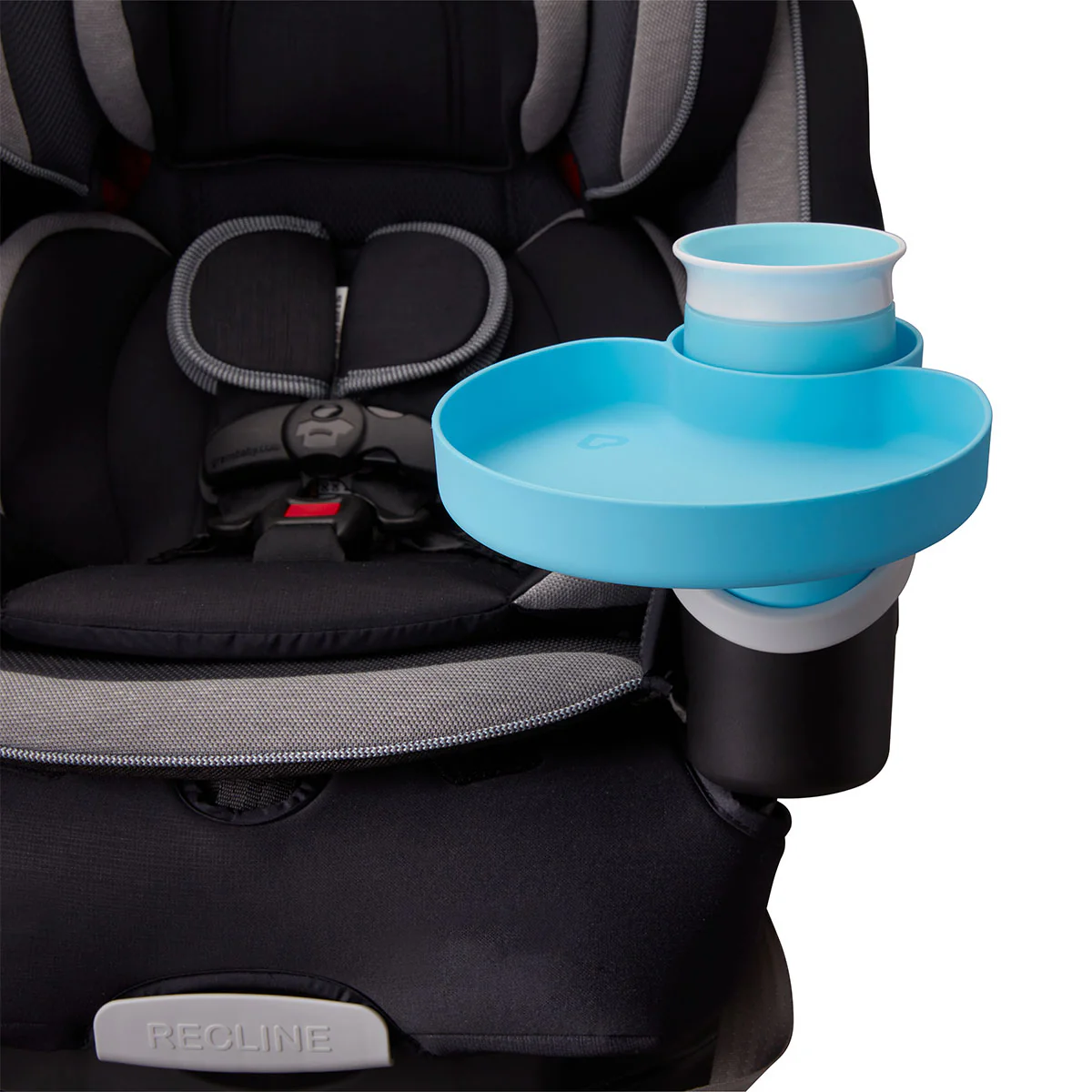
Munchkin
Munchkin Carseat Tray (2-Pack), Toddler Travel & Road Trip Snacking Accessory
Read review →
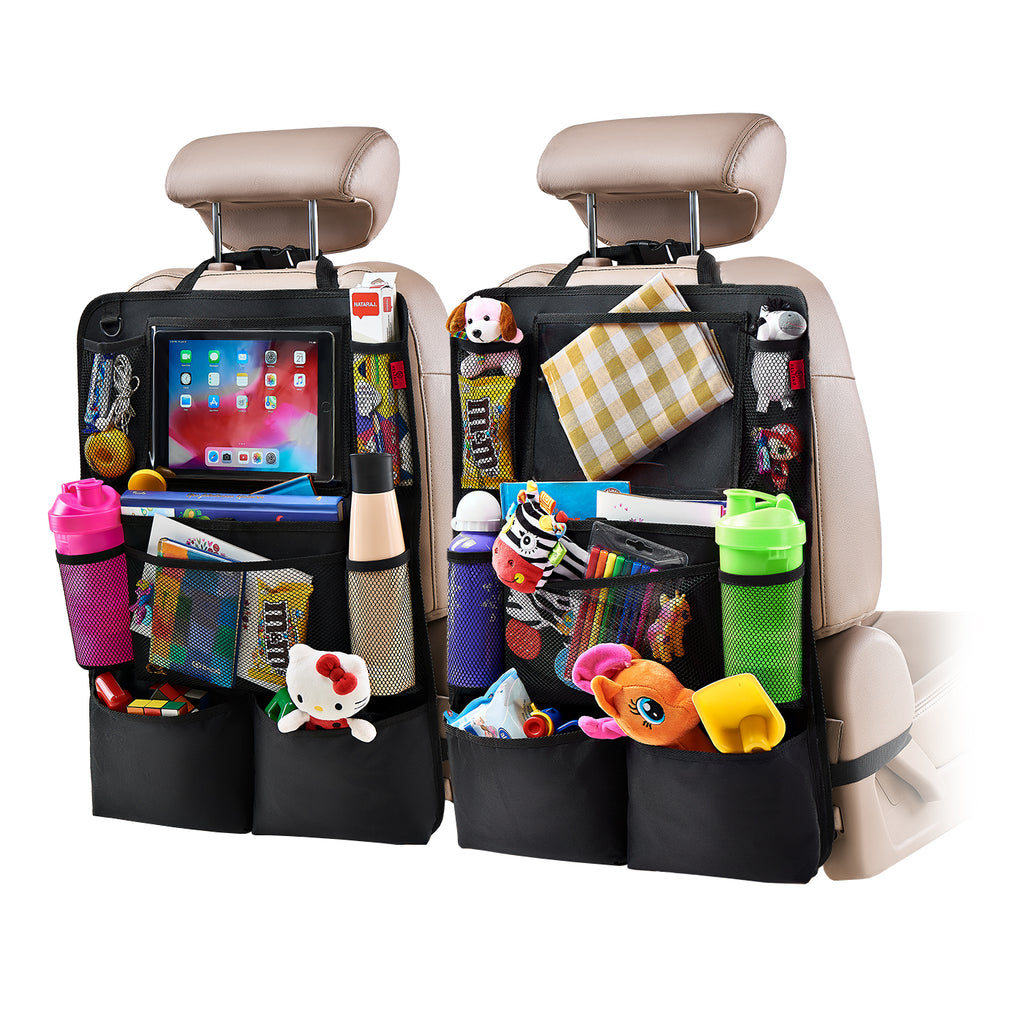
Helteko
Helteko Backseat Car Organizer & Kick Mats with Touch Screen Tablet Holder, 2 Pack
Read review →
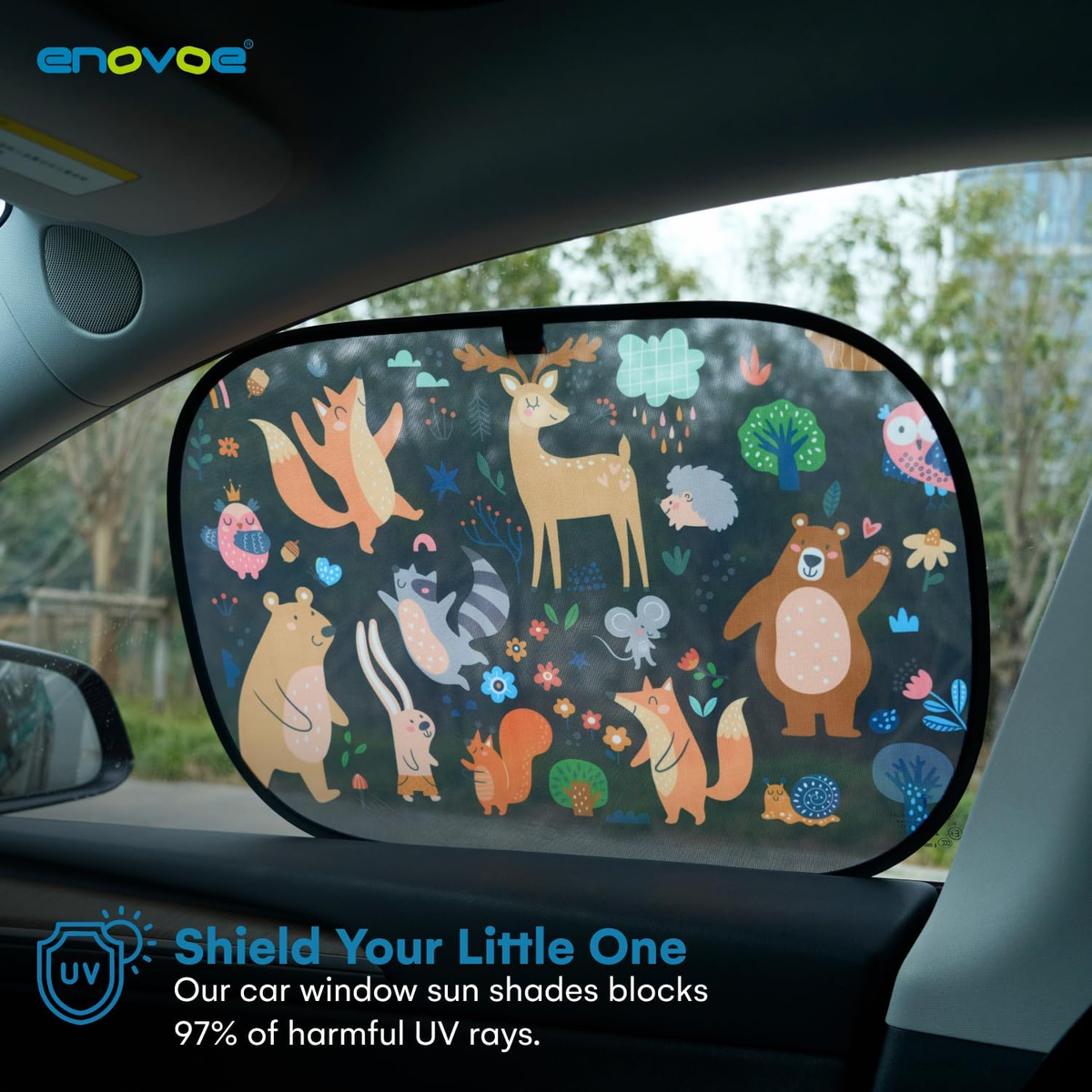
Enovoe
Enovoe Car Window Shades for Baby (4 Pack), 21"x14" Static Cling UV Protection
Read review →
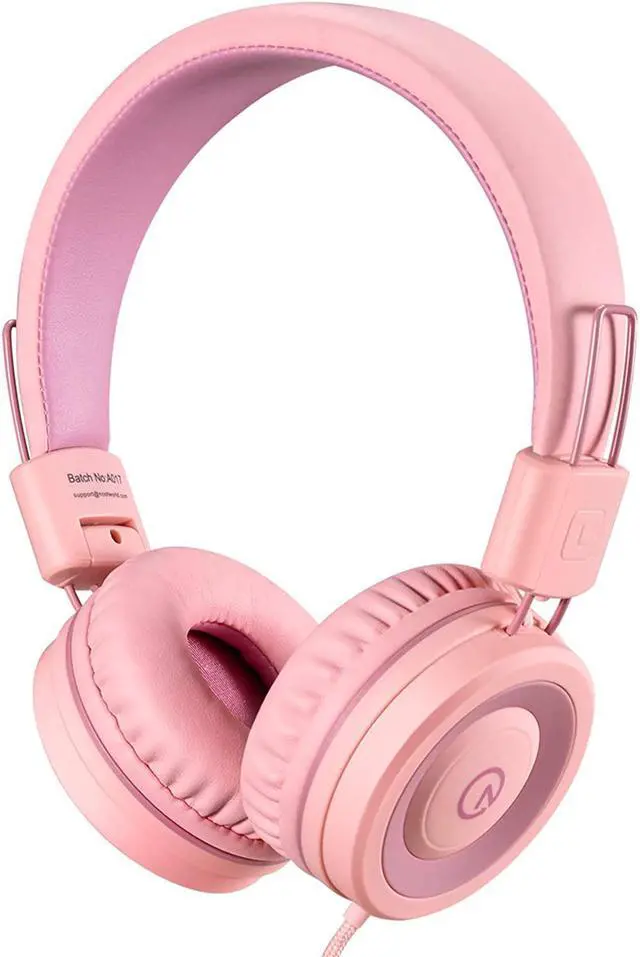
noot products
noot products K11 Kids Headphones, Foldable Stereo Tangle-Free 3.5mm Wired On-Ear
Read review →
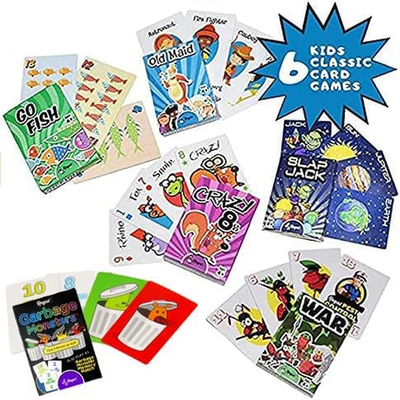
Regal Games
Regal Games Card Games for Kids – Go Fish, Crazy 8's, Old Maid, Slap Jack, War (6 Set)
Read review →
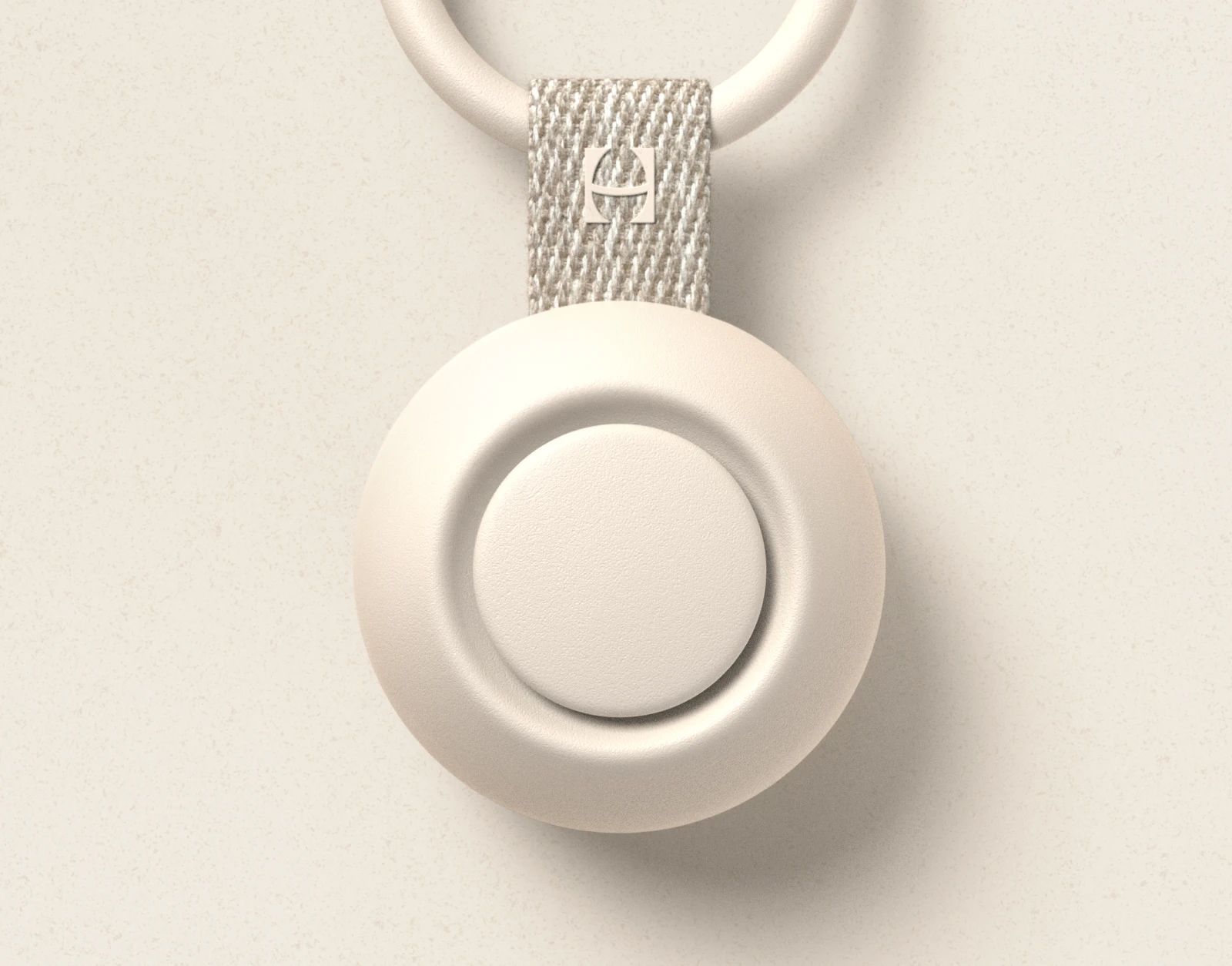
Hatch
Hatch Go Portable Sound Machine for Babies and Kids, 10 Soothing Sounds
Read review →
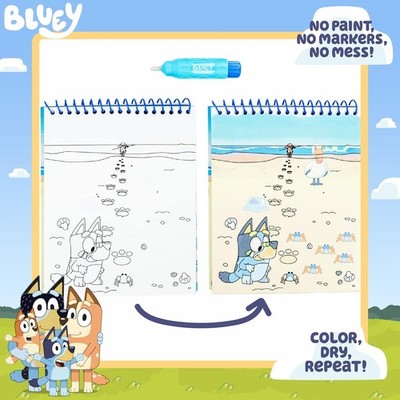
Horizon Group USA
Horizon Group USA Bluey Aqua Art, Reusable Water Reveal Activity Pages with Water Pen
Read review →
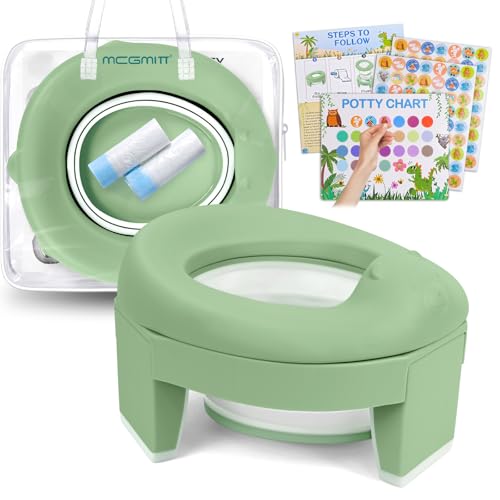
MCGMITT
MCGMITT Portable Folding Travel Potty and Toilet Seat
Read review →
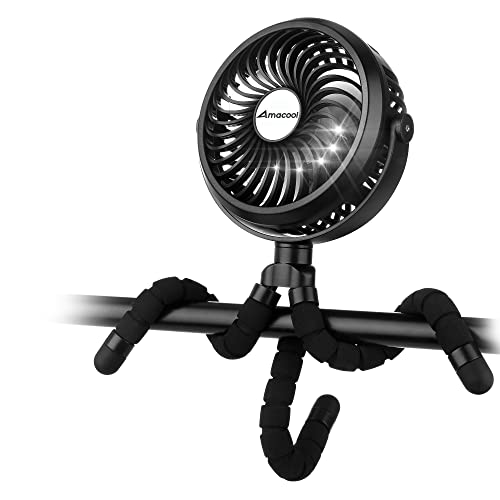
AMACOOL
AMACOOL Rechargeable Clip-On Stroller Fan
Read review →
Related Content
Best Road Trip Gear for Toddlers (2026): Everything You Need for a Stress-Free Drive
11 parent-reviewed products for long car rides with toddlers — from portable car seats to entertainment trays, window shades, and sound machines. $39.99.
Traveling With Two Under Two: The Honest Parent's Guide (2026)
Real strategies for traveling with two under two — gear decisions, flight day logistics, sleep setups, feeding on the go, and honest advice.
How to Keep a Toddler Entertained on a Plane (2026): Age-by-Age Activity Guide
40+ airplane activities for toddlers organized by age — from mess-free coloring to sensory toys, with a minute-by-minute flight plan that actually works.