Feeding Your Toddler While Traveling: The Complete Parent's Guide (2026)
How to feed your baby or toddler on the road — snack packing strategy, restaurant survival tips, formula logistics, TSA rules for baby food, and picky eater tactics.
There is a moment every traveling parent knows. You are mid-flight or two hours into a road trip, your toddler starts the whimper that means hunger, and you reach into your bag to discover the carefully packed snack container somehow opened and its contents have migrated into every crevice of your carry-on. Meanwhile, the banana you packed as a backup has turned into brown mush at the bottom of the diaper bag.
Feeding a toddler away from home is where most travel days actually come apart — not the flight, but the restaurant with no high chair and a two-year-old past the point of negotiation.
Feeding kids on the road is one of those things that sounds simple until you actually do it. At home, you have your kitchen, your routine, your stash of backup meals in the freezer, and a grocery store five minutes away. On the road, you have whatever you packed, whatever you can find, and whatever your toddler is willing to eat in an unfamiliar environment while overstimulated, under-napped, and completely off schedule.
This guide covers all of it — the snack strategy that holds up across long travel days, restaurant tactics, formula and breast milk logistics, food safety abroad, and how to handle a picky eater who decides a holiday is the perfect time to reject every food they normally accept.
The Snack Strategy That Changes Everything
Snacks are not just food on a trip with a toddler. They are entertainment, comfort, bribery material, meltdown prevention, and schedule anchors all rolled into one. Nailing your snack game is the single most impactful thing you can do to improve any travel day.
The Three-Tier Snack System
The approach that works is to stop thinking of travel food as one problem and split it into three. Call it the three-tier approach: it covers cross-country flights, ten-hour drives, and everything in between.
Tier 1: Everyday snacks (unlimited access). These are the boring, reliable snacks that your toddler will eat anytime, anywhere. Think dry cereal, crackers, pretzels, rice cakes, or puffs. These are the snacks you hand over freely whenever hunger strikes. They do not melt, they do not get gross quickly, and your kid will not refuse them. Pack more than you think you need — at least double. We typically bring an entire gallon zip-lock bag of Cheerios on any trip and never regret it.
Tier 2: Favorite snacks (strategic deployment). These are the snacks your kid lights up for — fruit pouches, yogurt melts, animal crackers, the specific brand of cheddar bunnies they are obsessed with. You do not hand these out freely. You save them for moments when you need to buy 15 minutes of cooperation: the last stretch of a flight, a long wait at a restaurant, the car ride from the airport to the hotel. Having these in reserve means you always have an ace up your sleeve.
Tier 3: Special occasion snacks (emergency use only). These are treats your kid rarely gets at home — a lollipop, a small chocolate, gummy bears, whatever your particular kid considers the ultimate prize. These come out only during genuine emergencies: an epic meltdown that will not stop, a multi-hour flight delay, a situation where you desperately need your toddler to sit still for another 20 minutes. We are not above this. Nobody should be. One lollipop during a stressful travel moment will not ruin your child's health or create a permanent sugar dependency.
What to Actually Pack (and What to Skip)
Great travel snacks that survive anything:
- Cheerios or similar dry cereal (endlessly useful, never spoils)
- Goldfish or cheddar crackers (toddler universals)
- Peanut butter crackers (if no allergy concerns)
- Freeze-dried fruit (lighter than fresh, does not get mushy, surprisingly tasty)
- Fruit and veggie pouches (no refrigeration needed, mess-free with the cap on)
- Raisins or dried cranberries
- Rice cakes or puffed grain cakes (light, easy to eat, satisfying)
- Pretzels or pretzel sticks
- Granola bars designed for toddlers (soft enough for young teeth)
- Beef or turkey jerky sticks for older toddlers (protein keeps them full longer)
Snacks that sound good but fail on the road:
- Fresh fruit (bananas turn to mush, berries get crushed, grapes roll everywhere)
- Cheese sticks (need to stay cold, get slimy when warm)
- Yogurt (leaks, needs refrigeration, the mess potential is astronomical)
- Anything with chocolate (melts in a car, melts in a carry-on, melts in a hand)
- Crackers with crumbly toppings (the crumbs go everywhere — your car seat will never recover)
- Hummus with dippers (great at home, logistical nightmare while moving)
The exception for fresh fruit: If you have a good cooler bag and you are road-tripping, fresh fruit can work — sliced apples, mandarin oranges (pre-peeled), and grapes (cut in halves for young toddlers) travel decently. Just plan to eat them within the first few hours before they warm up. Mandarin oranges are honestly the best travel fruit because the natural packaging keeps them fresh and they are easy for small hands to eat.
The Container Situation
How you pack snacks matters almost as much as what you pack. We learned this the hard way when an entire bag of Goldfish exploded inside a backpack during a flight.
Small, segmented containers are the way to go. Multiple compartments let you pack several snack varieties without them mixing, and they give a toddler the satisfying business of choosing. The system to run is one ready-to-go container kept permanently accessible, refilled from a larger supply in the luggage. Our packing organizer roundup covers containers that fit neatly into carry-on bags and diaper bags.
Reusable silicone bags are great for portioning out larger snack supplies. They are lighter than hard containers, take up less space, and seal reliably. We pre-portion our Tier 1 snacks into individual servings before the trip so we are never digging around in a giant bag in a crowded airplane row.
Snack Timing as Schedule Management
Here is something most travel guides do not mention: snacks are not just about hunger. They are your most powerful tool for managing your toddler's schedule on travel days.
We plan snack offerings around the moments we anticipate being hardest. Boarding the airplane? Snack. Taking off? Snack (the chewing and swallowing also helps with ear pressure). Long stretch of highway with no stops? New snack. Waiting for food at a restaurant? Snack from the bag. Twenty minutes before landing? Special snack.
The goal is that your toddler never hits the point of being genuinely hungry, because once a toddler crosses that threshold, recovery is much harder. A steady trickle of small snacks throughout the day keeps blood sugar stable and moods manageable.
TSA Rules for Baby Food, Formula, and Breast Milk
This section trips up a lot of parents. The rules are actually more generous than most people think, but there are specifics worth knowing.
What You Can Bring Through Security
The TSA allows "reasonable quantities" of the following items in carry-on bags, exempt from the standard 3.4-ounce liquid rule:
- Breast milk
- Formula (liquid or powder)
- Baby food (purees, pouches, jars)
- Juice or water for infants and toddlers
- Gel or liquid-filled teethers (frozen or not)
"Reasonable quantities" means enough for your travel day, not your entire holiday. In practice that comfortably covers 6 to 8 pouches, a full can of formula powder, several pre-mixed bottles and a few jars of baby food — all of which are routinely screened without difficulty when declared.
What Actually Happens at the Checkpoint
Here is the real-world process: Separate all baby food and liquids from your other carry-on items and place them in a separate bin. Tell the TSA agent you have baby food and formula or breast milk. They will visually inspect the items and may run them through additional screening. Sometimes they swab containers for explosive residue. This whole process adds 2 to 5 minutes.
The one area where we have seen inconsistency is ice packs. TSA technically allows ice packs to keep breast milk or formula cold, but they sometimes get pulled for additional screening if they are not fully frozen. Our recommendation: freeze them solid the night before and use an insulated bag. If an agent gives you trouble, calmly reference the TSA website guidelines for medically necessary liquids — breast milk is specifically listed.
Formula-Specific Tips
If you formula-feed, powder is easier for travel than liquid. A formula dispenser with pre-measured portions means you just need to add water at your destination. Bring bottled water to mix with formula if you are uncertain about local water quality — this is especially important for international travel.
For longer travel days where you need pre-mixed bottles, keep them cold with an insulated bottle bag. Most formula can stay at room temperature for up to 2 hours once mixed (check your specific brand's guidelines), so time your mixing accordingly.
Breast Milk Logistics
Traveling with breast milk requires a bit more planning but is absolutely manageable. If you are pumping during travel, a portable pump like the Willow or Elvie makes airport and airplane pumping discreet. You are legally allowed to pump anywhere you are allowed to be, including your airplane seat.
For storing pumped milk during travel, an insulated cooler bag with ice packs keeps milk safe for up to 24 hours. Label everything with the date and time expressed. Many hotels will offer a mini-fridge upon request — call ahead and confirm before arrival.
Restaurant Survival Guide
Eating at restaurants with a toddler is one of those things that gets easier with practice — and also one of those things that never becomes completely stress-free. But with the right approach, it can go from "dreaded obligation" to "actually kind of enjoyable."
The Golden Rules of Restaurant Dining With Toddlers
Go early. This is the single best piece of advice. Eating at 5:00 or 5:30 PM means fewer people, faster service, and a toddler who has not yet hit the overtired danger zone. We know early dinners feel geriatric. We do not care. Early dinners with toddlers are successful dinners.
Eat where kids are welcome. This sounds obvious, but it matters more than you think. A restaurant that is genuinely family-friendly will have high chairs, a kids' menu, servers who are not visibly panicked when they see your toddler, and an ambient noise level high enough to mask your child's contributions to the soundscape. Look for restaurants with outdoor seating — the space and fresh air give your toddler more room, and noise carries differently outside.
Know your child's time limit. Every toddler has a restaurant time limit, and it is shorter than you think. For most kids under 2, it is about 30 to 45 minutes. For 2 to 3-year-olds, maybe 45 minutes to an hour. For 3 to 4-year-olds, you can sometimes push to an hour and a half with the right entertainment. Plan accordingly.
Order the second you sit down. Do not browse the menu at leisure. One parent manages the toddler while the other reads the menu and decides. When the server comes for drink orders, order food too. Every minute between sitting down and food arriving is a minute you need to fill with entertainment, and that bank empties fast.
The Restaurant Bag
We never go to a restaurant without a small bag of supplies. This is separate from the main diaper bag and contains:
- A portable placemat that sticks to the table (especially for kids who eat off the table surface)
- 2 to 3 small, quiet toys or activities (crayons and paper, sticker sheets, a small figurine)
- A bib or smock
- Backup snacks from your stash (the crackers that buy you 10 minutes while waiting for food)
- Wet wipes — several, because the mess will happen
- A sippy cup or straw cup with water (restaurant cups are an accident waiting to happen)
High Chair Solutions When Traveling
Not every restaurant has high chairs. Not every restaurant that has high chairs has clean ones. And not every high chair fits your toddler — those old-school wooden restaurant high chairs have safety straps that may or may not work and trays that may or may not attach properly.
A portable travel high chair solves this problem entirely, and it is one of the highest-value things you can pack. Our travel high chair roundup covers the options, from clip-on seats that attach to a table edge to fabric chairs that fold into a pouch. A good clip-on weighs about 2 to 4 pounds and puts your child at the table with you at any restaurant, park bench, or rental dining table.
For kids between 1 and 3, a harness-style portable high chair works particularly well — it wraps around any adult chair and keeps your toddler secured and upright. It packs flat and weighs almost nothing, making it ideal for situations where you are not sure what kind of seating you will find.
Toddler-Friendly Ordering Strategy
When eating out with a toddler, the goal is getting food in front of them as fast as possible. Here is what works:
Order an appetizer that works as the kid's meal. Bread, plain pasta, steamed vegetables, or a side of fruit often arrives much faster than an entree. Get something simple on the table quickly and let your toddler eat while you wait for the real food.
Do not over-order. Toddlers on vacation eat unpredictably. Sometimes they inhale everything on the plate; sometimes they take two bites and declare they are done. Ordering a full kids' meal plus sides plus dessert means you are often paying for food that goes untouched. Start small, order more if they are still hungry.
Stick to familiar foods when possible. Vacation is not the time to introduce your 18-month-old to spicy Thai curry, no matter how good the restaurant smells. Plain rice, pasta, bread, steamed vegetables, grilled chicken, and fruit are reliably accepted by most toddlers in most places. You can try new things in small bites, but have a safe option on the table.
Ask for modifications without guilt. "Can we get the pasta with just butter?" "Can the chicken come without the sauce?" Servers hear this constantly from parents. You are not being difficult; you are being practical.
The Exit Strategy
Always know how you are going to leave. Sit near the door when possible. Have the credit card ready before you need it. In many countries, you can ask for the check when your food arrives so you are not waiting around after the meal.
If your toddler hits the wall — and you will know when they do — one parent takes the kid outside while the other handles the check. Do not try to push through a meltdown at a restaurant. It is not worth it for you, your child, or the other diners. A calm exit is a successful exit.
Formula and Milk Logistics for Longer Trips
Short day trips are easy — you pack what you need and you are good. But longer vacations require more planning, especially if your child is still on formula or has specific milk needs.
Formula Planning
Domestic trips: Pack enough formula for your travel days plus one extra day as a buffer, and buy the rest at your destination — the same brands stock at Walmart, Target and most grocery chains nationwide. Find the nearest store to your accommodation before you arrive, so that a shortfall is a ten-minute errand rather than a scramble with a hungry baby.
International trips: This is where it gets more complicated. Your specific formula brand may not be available abroad. Options include:
- Packing enough formula for the entire trip (bulky but reliable)
- Researching equivalent brands at your destination (European formulas, for example, are often higher quality but different brands)
- Shipping formula to your accommodation ahead of time if the rental or hotel allows package delivery
If your child is on a specialty formula for allergies or medical reasons, always pack the full supply. Do not gamble on finding an equivalent abroad.
Whole Milk for Toddlers
Once your pediatrician has approved whole milk (usually around 12 months), things get easier. Whole milk is available essentially everywhere in the world, though the taste varies by region. Some toddlers notice the difference and complain; most adjust within a day.
For road trips, shelf-stable milk boxes are brilliant. They do not need refrigeration until opened, they come with straws, and they are perfectly portioned for one serving. We always pack a few in the car for travel days.
Keeping Things Cold
If you are traveling with breast milk, pre-mixed formula, yogurt, cheese, or any perishable food, you need a cold-storage plan.
For road trips, a quality cooler in the car handles this easily. We dedicate a small soft cooler specifically to kid food and milk. Freeze a few water bottles the night before — they serve double duty as ice packs and drinking water as they thaw.
For flights, an insulated bottle bag with ice packs keeps things cold for 4 to 6 hours. TSA allows the ice packs when they are associated with baby food and formula. After landing, get perishables into a fridge as soon as possible — call your hotel ahead of time to confirm a mini-fridge is available.
Food Safety Considerations
At home, food safety is mostly automatic — you know your water is clean, your fridge works, and the grocery store is regulated. On the road, especially internationally, you need to think about things you normally take for granted.
Domestic Travel Food Safety
For most domestic travel, the main concerns are:
Temperature control. Perishable food should not sit at room temperature for more than 2 hours (1 hour if the ambient temperature is above 90 degrees Fahrenheit). This is especially important on road trips when the cooler in the back of the car has been sitting in the sun. If in doubt, throw it out. A $3 container of yogurt is not worth a stomach bug.
Water quality. Tap water is safe throughout the US, Canada, and most of Western Europe. If you are visiting a location with boil-water advisories (which happen after storms or infrastructure issues), use bottled water for everything — drinking, mixing formula, even brushing teeth for older toddlers.
Restaurant hygiene. Use your judgment. If a restaurant looks dirty, it probably is. Stick to places that are busy (high turnover means fresher food) and well-maintained.
International Travel Food Safety
This is where extra caution is warranted, especially with babies and toddlers whose immune systems and digestive tracts are still developing.
Water: In many parts of Asia, Africa, Central and South America, and parts of Eastern Europe, tap water is not safe for drinking. Use bottled water for everything — drinking, mixing formula, making ice cubes for drinks, and washing fruit. Be cautious with ice in drinks at restaurants unless you are confident the ice is made from purified water.
Produce: In areas with unsafe tap water, avoid raw fruits and vegetables that cannot be peeled. Bananas, oranges, mangoes — anything with a thick skin you remove — are generally safe. Lettuce, berries, and other produce washed in local water can cause illness.
Street food: We love street food. It is one of the best parts of international travel. But for toddlers, stick to items that are cooked fresh at high heat right in front of you. Avoid anything that has been sitting out at room temperature, anything raw, and anything pre-made that you cannot verify is fresh.
Dairy: In many developing countries, pasteurization standards differ. For toddlers, stick to sealed commercial dairy products from major brands rather than local artisanal dairy — at least until their digestive systems are more mature.
The backup plan: Pack a stash of familiar, shelf-stable foods that can serve as a complete meal if your child cannot or will not eat local food. Oatmeal packets, nut butter packets, shelf-stable milk boxes, and fruit pouches mean you always have a safe fallback.
Handling Picky Eaters on Vacation
If you have a picky eater at home, vacation can amplify the problem significantly. New environments, disrupted routines, and unfamiliar foods create a perfect storm for food refusal.
Why Picky Eating Gets Worse on Trips
At home, your picky eater has their routine. They eat the same breakfast, the same lunch, the same dinner, and they are comfortable. On vacation, everything changes at once: the plates look different, the kitchen smells different, the food presentation is different, the dining environment is different. For a toddler who is already cautious about food, all this novelty triggers the "nope" response.
Add in exhaustion, schedule disruption, and overstimulation, and you have a child who might refuse foods they normally eat without complaint. This is normal, temporary, and not something you need to fix on vacation.
The Vacation Picky Eater Strategy
Lower your expectations. Seriously. If your toddler normally eats a balanced diet at home, a week of eating mostly bread and crackers on vacation will not harm them. Nutritional balance is measured in weeks and months, not days. Let go of the guilt.
Bring safe foods from home. Pack a supply of your child's most reliable foods — the ones they eat 100 percent of the time, no exceptions. For most toddlers, this includes some combination of Cheerios, crackers, peanut butter, pouches, and a few specific brands of snacks. These are your insurance policy.
Offer but do not push. Put new foods on your child's plate alongside familiar ones. Let them see you eating and enjoying the new food. If they try it, great. If they do not, fine. Pressuring a tired, overstimulated toddler to eat something new at a restaurant in a foreign country is a battle you will not win and do not need to fight.
Use the "bridge" technique. This works surprisingly well: take a familiar food and connect it to something new. "This bread is just like the bread at home, but it is from this bakery." "This pasta looks different but it tastes just like your pasta." Making new food feel like a slight variation on something familiar lowers the novelty barrier.
The 80/20 approach. Aim for 80 percent familiar foods and 20 percent new exposures. This gives your child enough nutritional comfort while still offering opportunities to expand their palate — on their terms.
Specific Age Considerations
Babies (6 to 12 months): If your baby is still in early solids, travel is actually simpler. Pouches are your best friend — portable, shelf-stable, and available in every grocery store. If you are doing baby-led weaning, most soft restaurant foods work: steamed vegetables, soft bread, ripe avocado, banana. Bring a mesh feeder for letting them gnaw on fruits safely.
Young toddlers (12 to 24 months): This is often the pickiest phase. These kids are old enough to have preferences but too young to reason with. Lean heavily on reliable favorites and do not introduce a lot of new foods during the trip itself.
Older toddlers (2 to 4 years): You can start involving them in food choices. "Do you want the pasta or the rice?" Giving them a sense of control over what they eat reduces refusal. Some older toddlers also respond well to the adventure framing: "This is what kids eat in Italy! Want to try it?"
Meal Timing and Disruption Management
Travel destroys meal schedules. Flights that depart during lunch, time zone changes that shift dinner by three hours, activities that run through snack time — it all adds up.
The Flexible Schedule Approach
Rigid meal schedules do not survive contact with travel. Instead, we use what we call "anchor meals" — one or two meals that we try to keep at roughly the same time every day, and everything else is flexible.
For most families, breakfast is the easiest anchor meal. You are at your accommodation, you control the timing, and most toddlers are hungry when they wake up. Keep breakfast consistent — the same time, the same general food — and let lunch and dinner flex around your activities and energy levels.
Grocery Store Strategy at Your Destination
One of the first things we do after arriving anywhere is find a grocery store. Not because we are going to cook every meal, but because having a stocked kitchen or mini-fridge changes the entire dynamic of feeding a toddler on vacation.
What to buy immediately upon arrival:
- Whole milk or your child's preferred milk
- Fresh fruit (bananas, berries, mandarin oranges)
- Bread or bagels
- Cheese sticks or sliced cheese
- Yogurt or yogurt pouches
- A box of your child's preferred cereal
- Peanut butter or almond butter
- A simple carb your kid likes (pasta, rice cakes, crackers)
With these items, you can handle breakfast at your accommodation every morning and have backup meals and snacks available throughout the day. This alone reduces restaurant dependence by 30 to 40 percent and means you are never caught without food options.
For Airbnb or rental stays, we always plan to cook 2 to 3 dinners at the accommodation. Pasta with butter and a vegetable is a 15-minute meal that most toddlers accept. It saves money, avoids restaurant stress on tired evenings, and gives your child familiar food in a relatively familiar setting.
Snack Organization on the Go
For day-trip outings, we pack a day bag with organized snacks and a refillable water cup. Our packing organizer picks include options that have insulated pockets for keeping milk or yogurt cool during a morning at the zoo or an afternoon at the beach.
The key is having snacks organized and accessible, not buried at the bottom of a packed bag where you cannot reach them when your toddler starts fussing in the stroller. A dedicated snack pocket or pouch in your day bag that you can grab without stopping is worth its weight in gold.
Feeding Gear Worth Packing
You do not need to bring your entire kitchen, but a few key items make feeding on the road dramatically easier.
The Essential Feeding Travel Kit
A portable high chair or booster seat. We already mentioned this in the restaurant section, but it is worth repeating: a travel high chair is one of the most valuable items in your luggage. Whether it is a clip-on, a harness, or a portable booster, having your own seat means your child can eat comfortably anywhere.
A silicone bib or two. These roll up to nothing and catch food that would otherwise end up on your child's vacation outfit. Worth packing even if you do not use bibs at home.
A travel set of utensils. Your toddler's familiar fork and spoon from home can make unfamiliar food feel more approachable. Plus, restaurant utensils are full-size and hard for small hands to manage.
A spill-proof cup. Bring your child's regular cup from home. Consistency matters, and a familiar cup reduces one variable in an unfamiliar dining environment. Our travel feeding gear roundup covers the best travel-friendly cups, bottles, and feeding accessories.
Wet wipes and a wet bag. Feeding a toddler is messy at home. Feeding a toddler on the road, where your cleanup resources are limited, requires industrial quantities of wipes. A wet bag for storing dirty bibs and used wipes keeps the rest of your bag clean.
What You Can Skip
You do not need a bottle warmer (ask restaurants for hot water to warm a bottle), a special travel plate set (restaurants provide plates, and for picnics a reusable container works fine), or a full supply of cleaning supplies for bottles (a small bottle brush and a travel-size soap bottle covers it).
Feeding on Planes Specifically
Airplane feeding deserves its own section because the constraints are unique — tiny tray tables, no real cleanup facilities, limited movement, and an audience of fellow passengers.
Setting Up for Success
Use a tray table cover. Airplane tray tables are among the germiest surfaces you encounter while traveling. A tray table cover from your airplane comfort kit gives you a clean eating surface and often has pockets or raised edges that keep food from rolling onto the floor.
Pre-cut everything. Do not bring food that requires cutting or assembly on the plane. Anything your toddler eats on a flight should be ready to eat straight from the container. Pre-sliced, pre-portioned, pre-peeled.
Bring a garbage bag. A small zip-lock bag for trash saves you from having a pile of wrappers, pouches, and crumbs on your tray table for the entire flight. Flight attendants do not come by with trash bags often enough when you are generating toddler-level food debris.
The Best Airplane Foods for Toddlers
- Dry snacks (cereal, crackers, pretzels) — no mess, easy to manage
- Pouches — self-contained, cap goes back on, no spill risk
- Peanut butter on crackers or bread (check airline allergy policies)
- String cheese (does not need to stay cold for a few hours)
- Cut-up deli meat rolled into pinwheels
- Small muffins or banana bread
- Raisins or dried fruit
Avoid on planes: Anything liquid or saucy that can spill. Anything crumbly that becomes a seat crevice nightmare. Anything with a strong smell that will not endear you to your seatmates.
Timing Food on Flights
Offer food during takeoff — the chewing and swallowing helps with ear pressure equalization, and it keeps your toddler occupied during the period when they need to stay seated. Space out the rest of your food offerings to correspond with the times you anticipate restlessness. The last 30 minutes of a flight is prime meltdown territory, so save a compelling snack for that window. Check our complete flying guide for more strategies on managing the entire flight experience.
Allergies and Dietary Restrictions on the Road
Traveling with a child who has food allergies or dietary restrictions adds a layer of complexity, but it is completely manageable with preparation.
Before You Leave
Research your destination's allergen labeling laws. In the US and EU, major allergens must be listed on packaged foods. In many other countries, labeling requirements are less comprehensive. Know what to expect.
Learn how to communicate allergies in the local language. For international trips, write out your child's allergies on a card in the local language. Apps and translation services can help, but a printed card that you can hand to a server is more reliable than trying to explain via phone translation in a noisy restaurant.
Pack enough safe food for travel days. Never rely on being able to find allergen-free food in airports, rest stops, or on airplanes. Pack your own.
Carry medication. If your child has an EpiPen or other emergency allergy medication, bring it everywhere. In your carry-on on flights. In your day bag at restaurants. In the car. Always accessible, never checked.
At Restaurants
Ask about ingredients directly — do not assume. "Does this contain dairy?" is a clearer question than "Is this safe for a dairy allergy?" Many restaurants can accommodate allergies if you communicate clearly and specifically. When in doubt, stick to simple, whole foods where you can see exactly what is on the plate.
Putting It All Together: The Feeding Game Plan
Here is how we approach feeding on a typical travel day, combining all the strategies above.
Before departure: Stock the snack system (all three tiers packed and organized). Fill a cooler bag if needed for formula or perishable items. Pack the restaurant bag. Locate a grocery store near your destination.
Travel day: Lean on snacks and portable foods. Do not stress about balanced meals — travel days are survival days. Feed your toddler what they will eat, when they will eat it, with zero guilt about nutritional perfection.
First day at destination: Hit the grocery store. Stock up on breakfast supplies, milk, and backup foods. Scope out nearby family-friendly restaurants.
Vacation days: Anchor breakfast at your accommodation. One restaurant meal per day if your toddler's tolerance allows. Backup meals from your grocery supply on tired evenings. Snacks in the day bag always.
The most important thing to remember is that feeding a toddler on vacation is temporary. A week of imperfect nutrition will not set your child back. What matters is that they are fed, hydrated, and not having a hunger-induced meltdown at the Louvre. Everything else is a bonus.
For more travel planning, our toddler packing list includes a complete food and feeding gear section, and our road trip survival guide covers snack and meal strategy specifically for long drives.
Products Mentioned
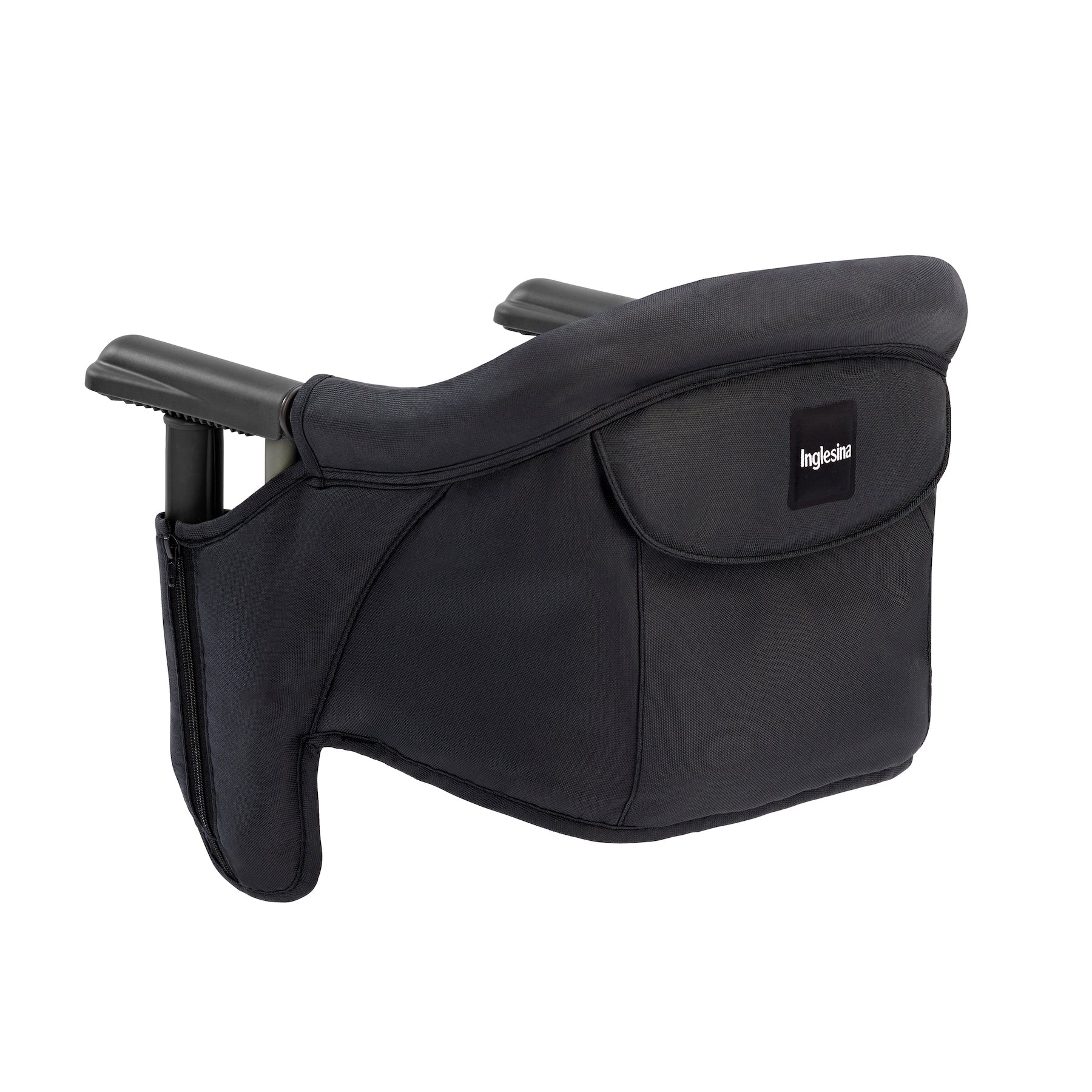
Inglesina
Inglesina Fast Table Chair - Portable Baby High Chair
Read review →
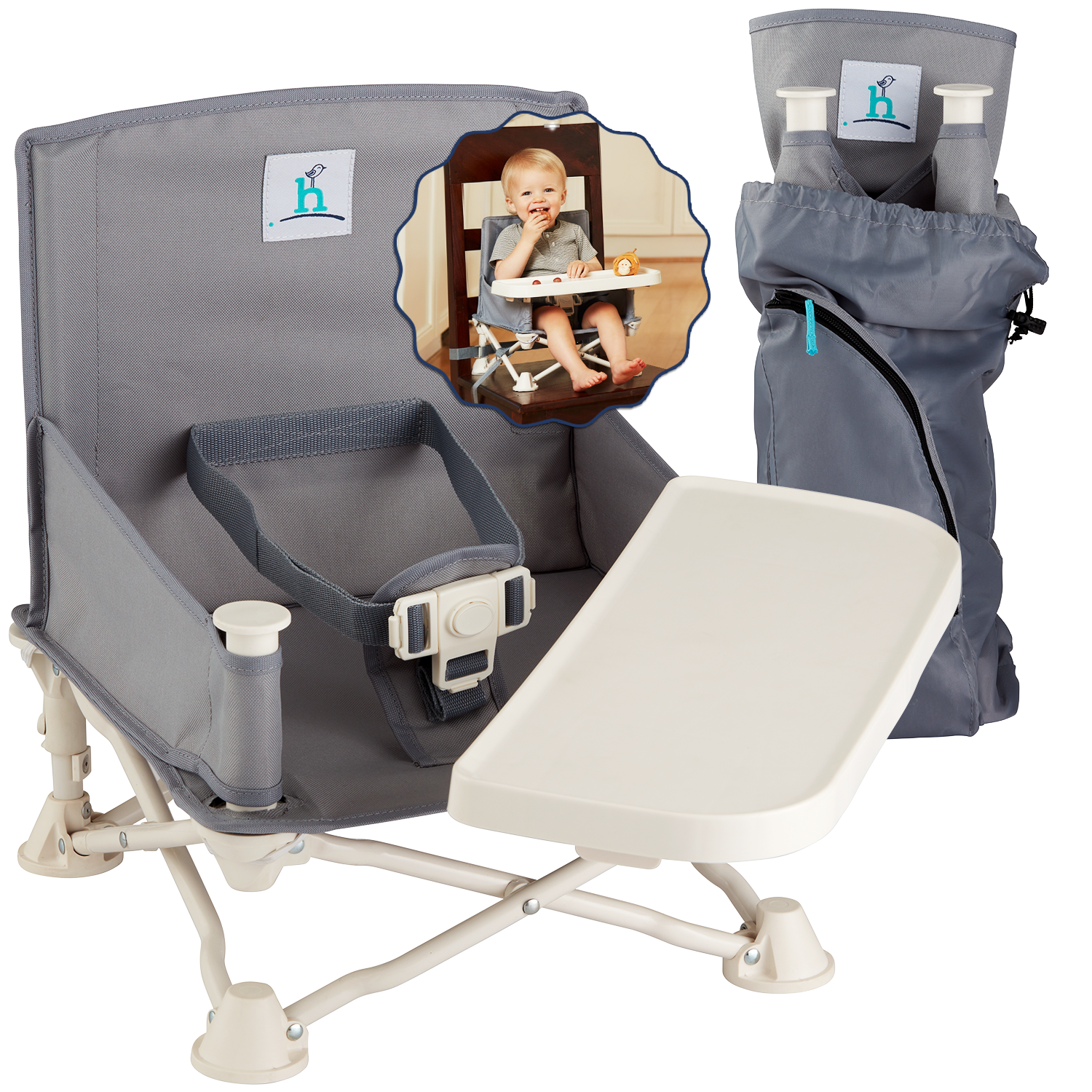
hiccapop
Hiccapop OmniBoost Travel Booster Seat with Tray
Read review →
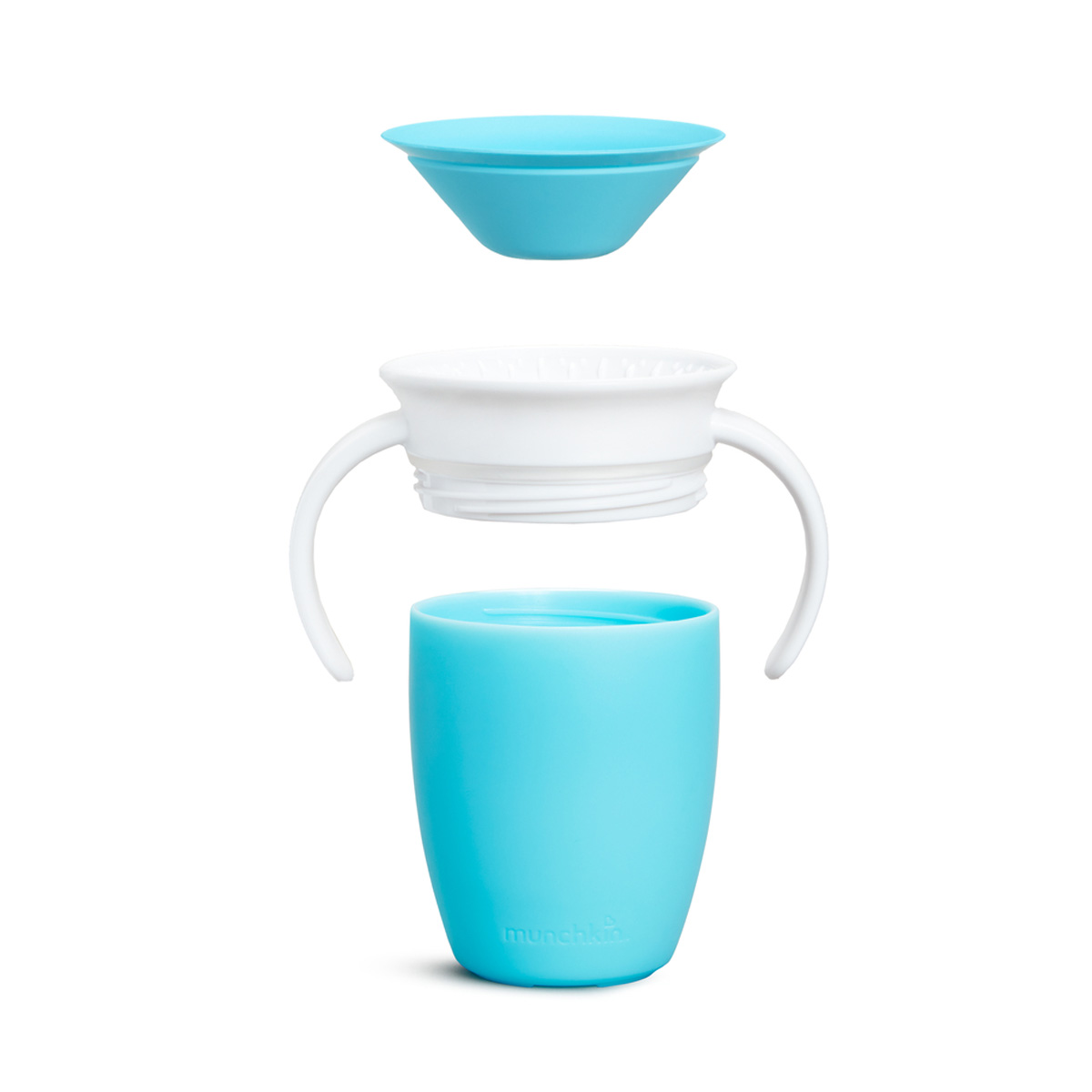
Munchkin
Munchkin Miracle 360 Sippy Cups, 10 oz, 2 Pack, Spill Proof
Read review →
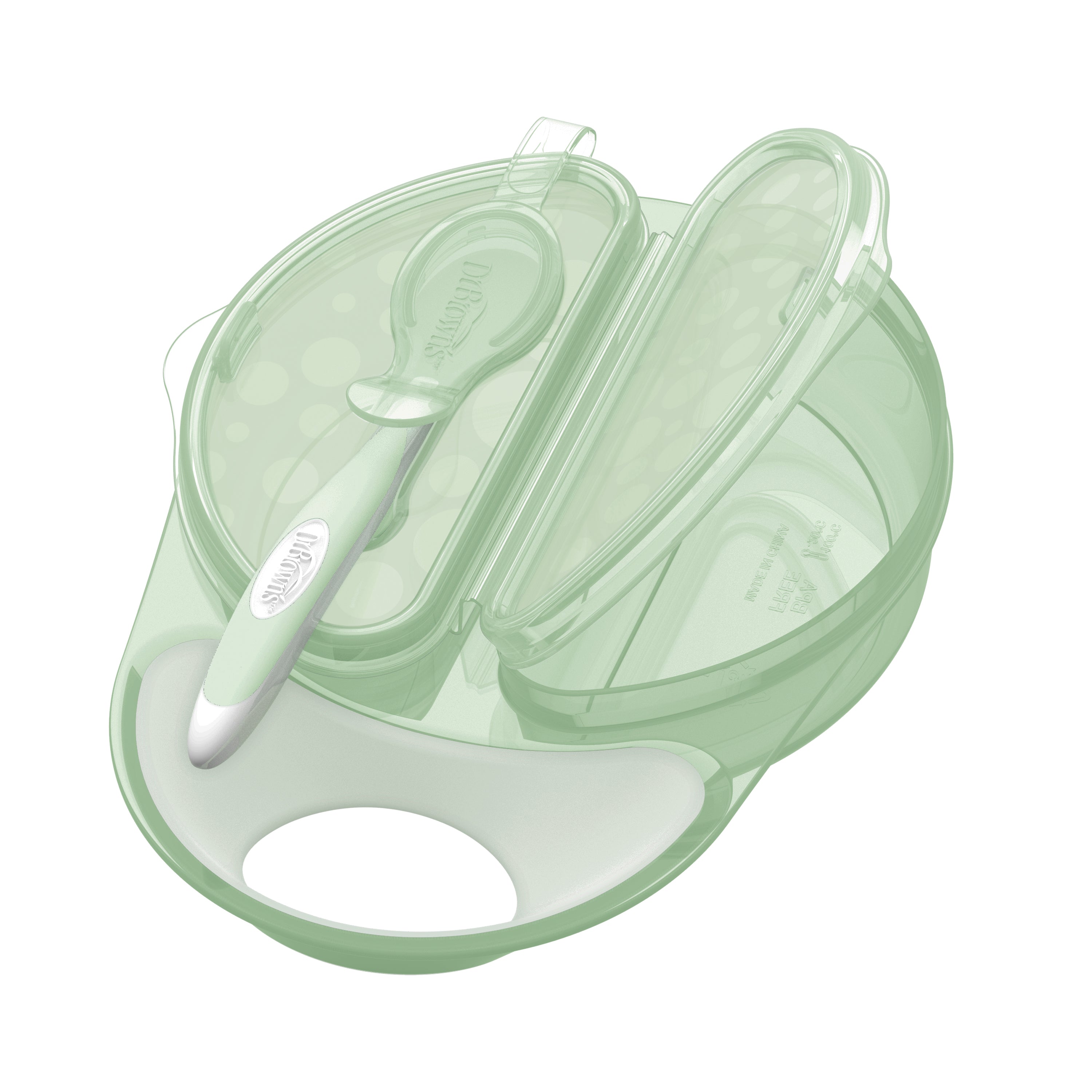
Dr. Brown's
Dr. Brown's Travel Fresh Bowl and Snap-in Spoon for Toddler Feeding On the Go, BPA-Free
Read review →
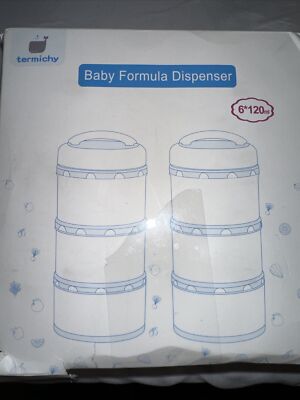
Termichy
Termichy Stackable Formula Dispenser Portable Milk Powder Container, 2 Pack
Read review →
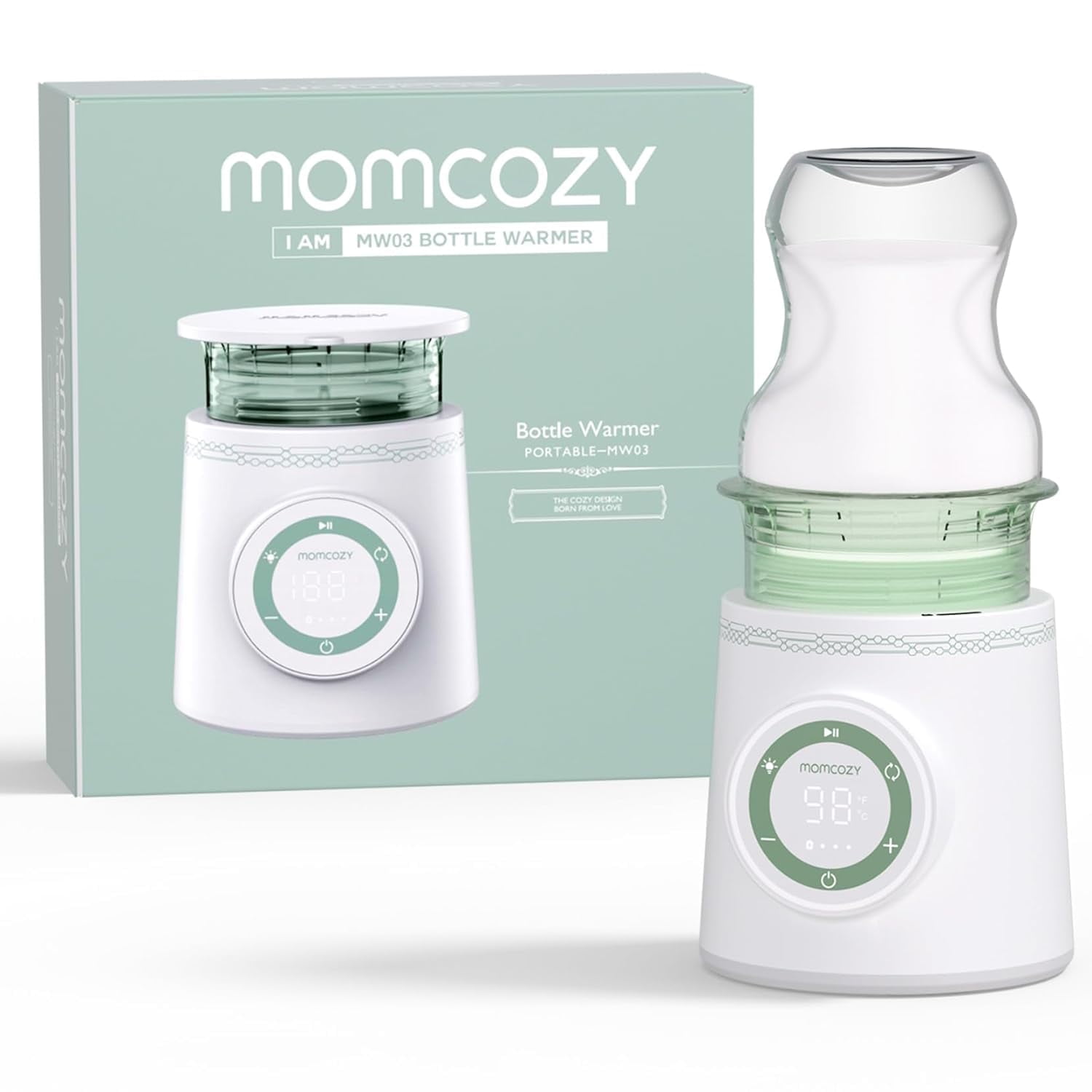
Momcozy
Momcozy Portable Bottle Warmer for Travel, Dual Heating Modes, 17 oz Capacity
Read review →
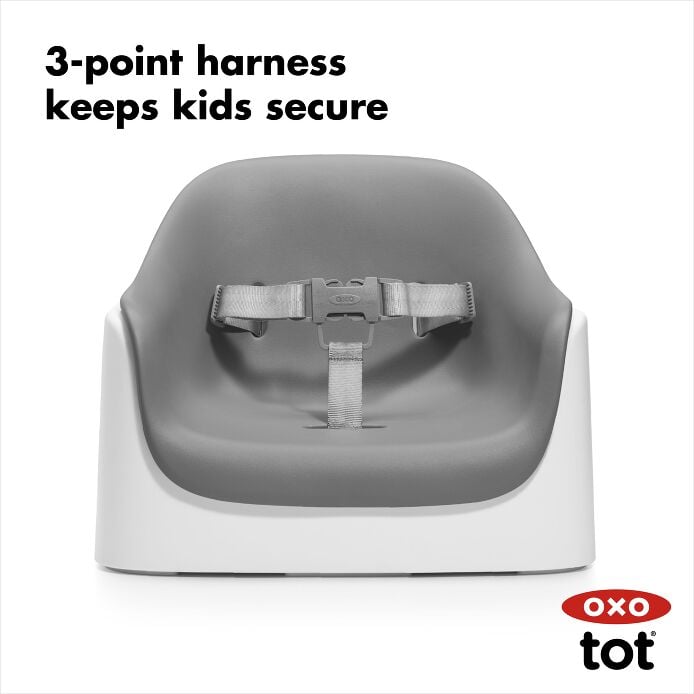
OXO Tot
OXO Tot Nest Booster Seat with Removable Cushion
Read review →
Related Content
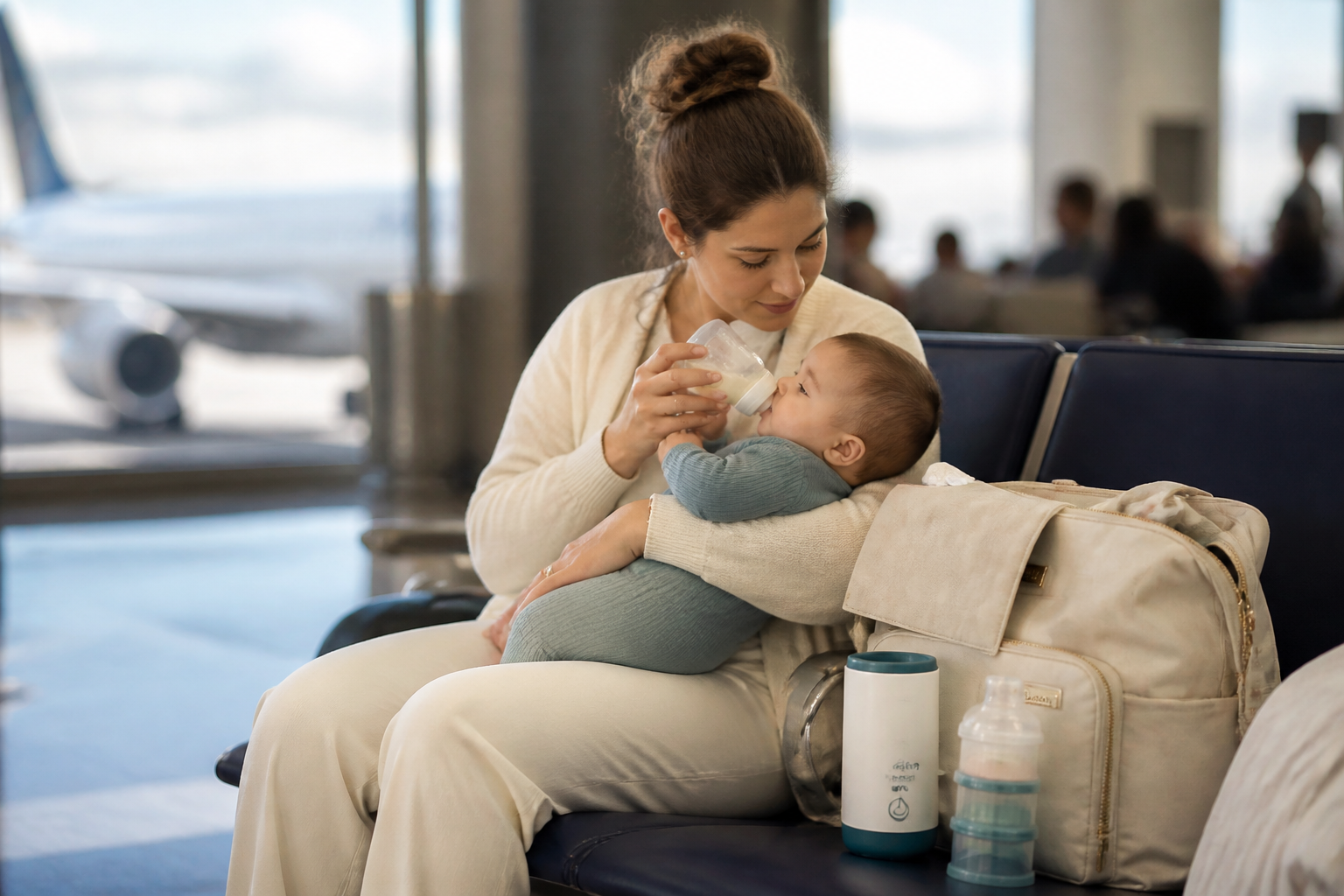
Best Travel Feeding & Bottle Essentials for Toddlers (2026)
Researched picks for bottles, formula dispensers, bottle warmers, breastmilk storage, sippy cups, and travel bowls that make feeding on the go stress-free from TSA to the hotel room.
Potty Training During Travel: The Honest Parent's Guide (2026)
How to handle potty training during travel — portable potty options, airplane bathrooms, car trip protocol, handling regression, and what to pack.
The Complete Toddler Travel First Aid Kit Guide (2026)
Build the perfect toddler travel first aid kit — medications, doses, TSA rules, common ailments, and when to seek emergency care abroad.