Toddler Sleep on Vacation: The Complete Survival Guide (2026)
How to get your toddler to sleep on vacation — jet lag strategies, hotel room setups, nap schedules, and the gear that makes it possible. Based on real parent experiences.
You spent months planning the perfect family trip. You researched restaurants, booked the ideal hotel, mapped out activities. Then night one hits, and your toddler is wide awake at 2 AM, screaming in an unfamiliar room while you whisper-argue with your partner about whose turn it is.
Parents have been there. Multiple times. Across time zones, hotel rooms, Airbnbs, grandparents' houses, and one particularly memorable beach rental where a two-year-old decided 4:30 AM was morning and nothing — nothing — was going to convince her otherwise.
Here is what hundreds of traveling families have learned: you cannot guarantee perfect toddler sleep on vacation. But you can dramatically improve your odds. This guide covers everything from the science behind why toddlers struggle to sleep in new places to the exact gear, strategies, and schedules that parents report working consistently.
Why Toddlers Do Not Sleep on Vacation
Before we get into solutions, it helps to understand what you are fighting against. It is not just stubbornness (though there is plenty of that). There are real biological and developmental reasons why toddler sleep falls apart on vacation.
The "First Night Effect"
Sleep researchers have documented something called the first night effect — when humans sleep in a new environment, one hemisphere of the brain stays more alert than usual. It is an ancient survival mechanism. Your toddler's brain is literally keeping watch because the surroundings are unfamiliar. This is why the first night is almost always the worst, and things tend to improve by night two or three.
Disrupted Routine
Toddlers are creatures of habit. At home, they have cues: the same bath, the same pajamas, the same books, the same crib, the same darkness, the same sounds. On vacation, nearly every one of those cues changes simultaneously. Their brain does not know it is bedtime because none of the usual signals are present.
Overstimulation
Vacation days are packed with new experiences — new sights, new people, new foods, new sounds. All of that sensory input makes it harder for a toddler's brain to wind down. They have been processing new information all day, and their nervous system is still buzzing when you want them to sleep.
Time Zone Changes
Crossing time zones disrupts circadian rhythm, and toddlers have less ability to override their internal clock than adults do. Their bodies are telling them it is playtime when the local clock says bedtime. We will cover jet lag strategies in detail below, and our dedicated toddler jet lag guide goes even deeper with day-by-day adjustment plans.
Separation Anxiety and Environmental Awareness
Between 12 and 24 months especially, toddlers become acutely aware of their environment. They notice everything is different. Where is my room? Where is my crib? Why is it lighter in here? Why can I see Mommy and Daddy? This heightened awareness makes settling to sleep much harder.
Setting Realistic Expectations
Here is the honest truth: your toddler's sleep will probably be worse on vacation than at home. That is normal. The goal is not perfection — it is "good enough." If your toddler is getting roughly the same total hours of sleep (naps plus nighttime), even if the timing is off, you are doing fine. Give yourself permission to lower the bar. A vacation where everyone gets some rest is a success.
Pre-Trip Sleep Prep
The work starts before you leave home. A little preparation goes a long way toward smoother nights on the road.
Adjust Bedtime Before You Leave
If you are crossing time zones, start shifting your toddler's bedtime 3 to 4 days before departure. Move it 15 to 30 minutes per day in the direction of your destination's time zone. Heading east (earlier bedtime needed)? Start putting them down a bit earlier each night. Heading west? Push bedtime later gradually. You will not fully adjust before you leave, but even a partial shift helps.
Practice in the Travel Crib
If you are bringing a travel crib, set it up at home a week before the trip. Let your toddler play in it during the day. Do a nap or two in it. The goal is to make the travel crib familiar rather than foreign. Parents who do this with the Guava Family Travel Crib report the side zip door makes it feel like a fun tent rather than a cage. By the time families get to the hotel, their kids recognize it as "my bed" and settle much faster.
For toddlers who have transitioned to a regular bed, try a few nights on the Regalo My Cot at home if that is what you plan to use on the trip. It is low to the ground and feels different from a regular bed — better to work through that novelty at home than at midnight in a hotel.
Pack Your Sleep Cues
Make a list of every element of your child's bedtime routine and figure out which ones you can bring:
- Sleep sack or wearable blanket. This is the single most important sleep cue to bring. The HALO Easy Transition SleepSack or a familiar sleep sack from home signals "sleep time" like nothing else. It smells like home, it feels like home, and it is the one constant your toddler can count on.
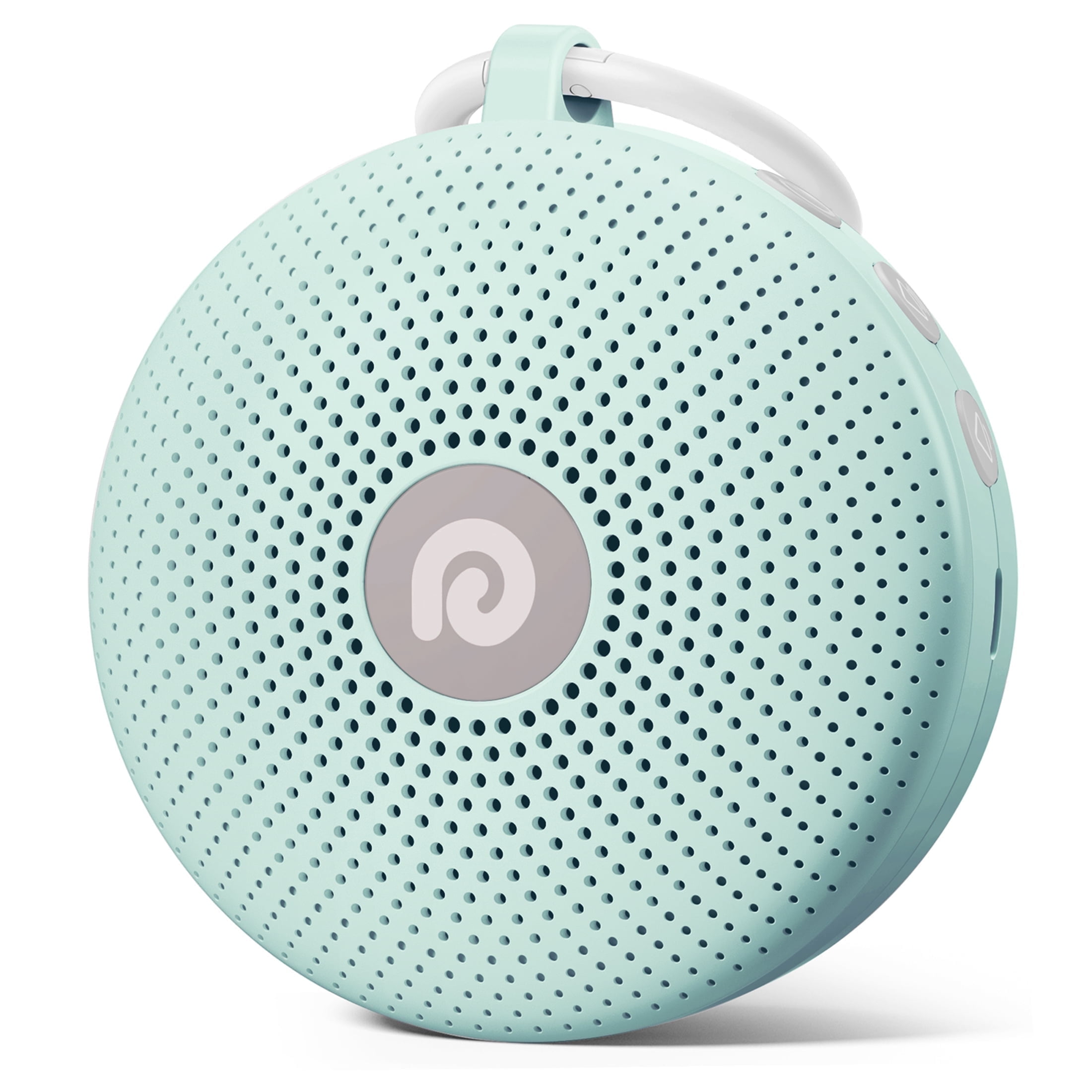
- White noise machine. If you use one at home, you need one on the trip. The Dreamegg Portable Noise Machine is compact, has 21 sounds, and the rechargeable battery means you are not hunting for outlets. If you want something even smaller, a clip-on sound machine attaches to the travel crib or stroller.
- Lovey or comfort object. Whatever your child sleeps with — bring it. And bring a backup if you have one. Losing a lovey on vacation is a crisis of epic proportions.
- Bedtime books. Bring 2 to 3 of the books you read every night. You do not need the whole library, but "Goodnight Moon" hitting at the expected time sends a signal to your child's brain.
- Pajamas that smell like home. Do not wash them right before the trip. The familiar scent of home laundry detergent on worn pajamas is a subtle but real comfort.
Talk About It
For toddlers old enough to understand (roughly 18 months and up), talk about the trip and where they will sleep. Show them pictures of the hotel room. Tell them their crib is coming with them. Build the expectation that sleep happens on vacation just like it does at home. "You are going to sleep in your special travel bed. It is going to be so fun."
Creating a Sleep Environment Anywhere
The single biggest factor in vacation sleep success — bigger than jet lag, bigger than schedule disruption — is the sleep environment. If you can make the room dark and the sound consistent, you have solved half the problem.
Blackout Solutions
Light is the enemy of toddler sleep, especially in summer destinations or hotel rooms with thin curtains. Here are your options, from premium to free:
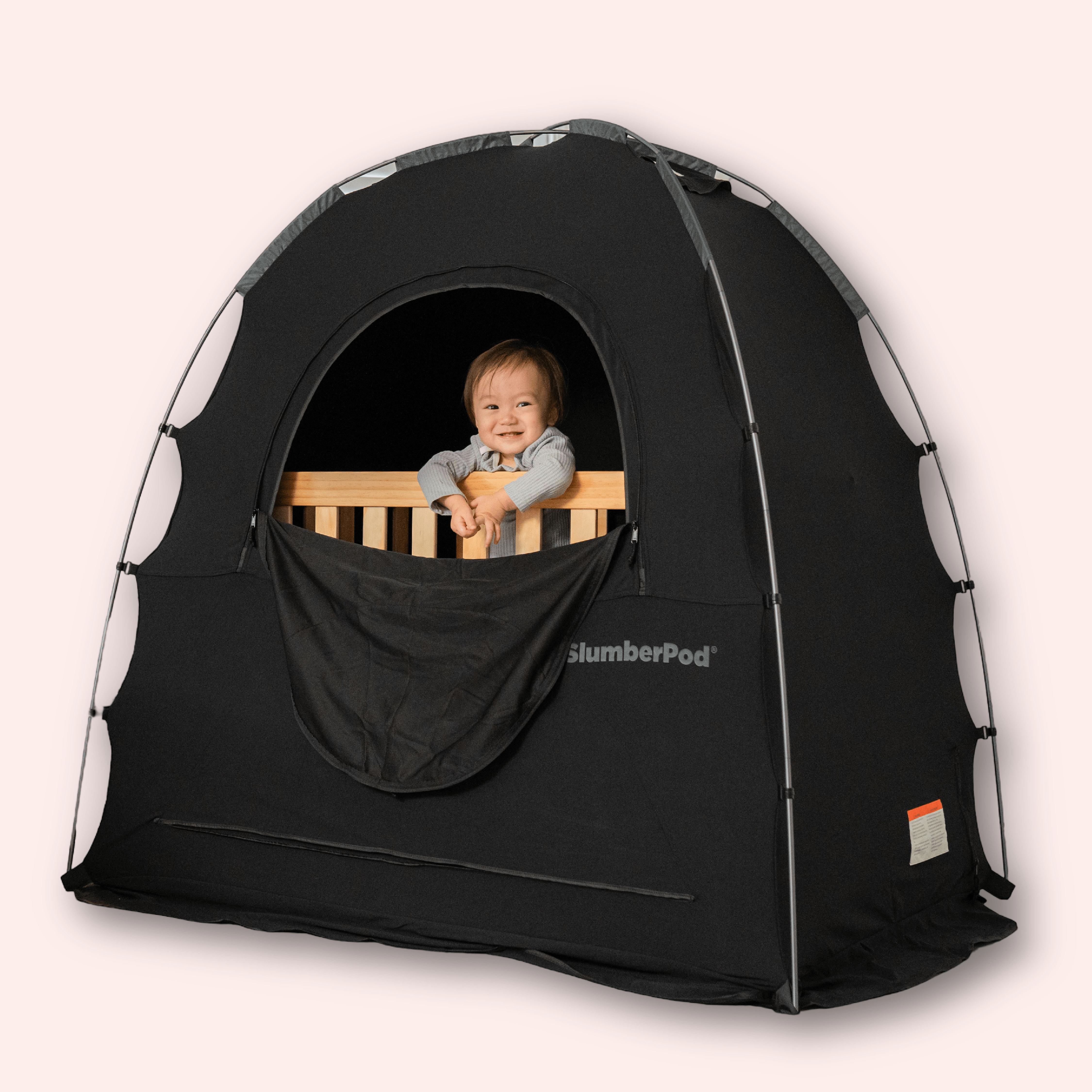
SlumberPod Original Blackout Tent — This goes over the travel crib or pack-and-play and blocks 95 percent or more of light. It creates a dark, contained sleep space even when you have the hotel room lights on. At $200, it is an investment, but if you travel more than a couple of times a year, it is worth every penny. It also solves the "I can see my parents and want to play" problem when room sharing. The built-in monitor and fan pouches are thoughtful touches. Check our full travel sleep accessories roundup for detailed comparisons.
Hiccapop Daydreamer Blackout Tent — At about half the price of the SlumberPod ($100), this is a solid budget alternative. It fits standard pack-and-plays and provides full blackout coverage. Ventilation is not quite as good, so pair it with a small clip fan in warm rooms.
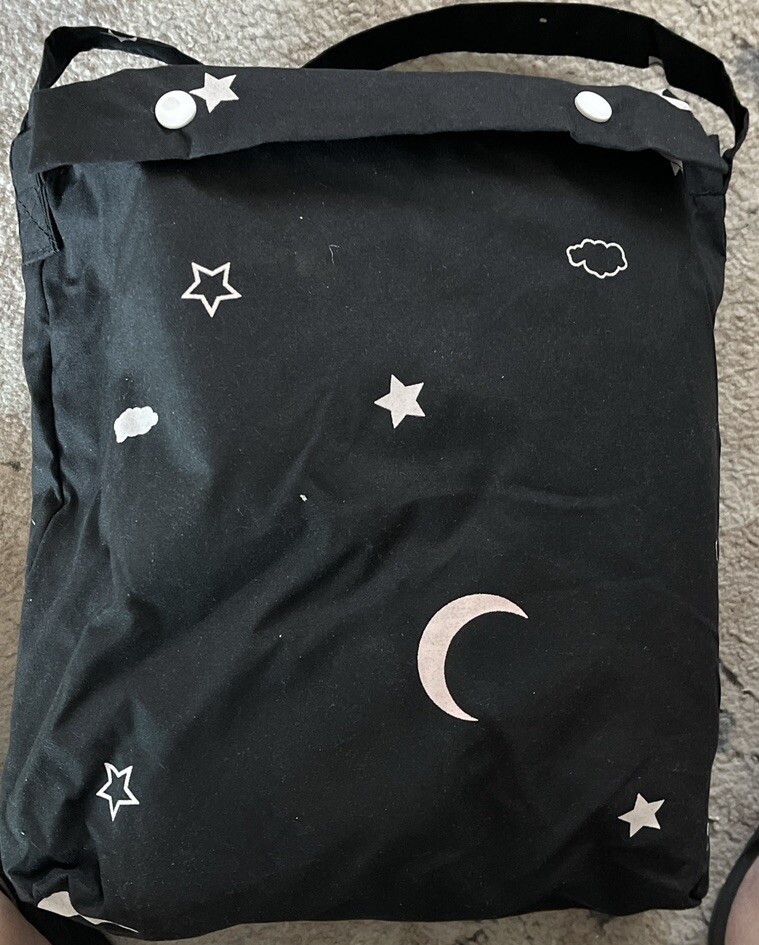
Amazon Basics Portable Blackout Curtain — At $20, these suction-cup blackout curtains are a bargain. Stick them to the hotel window and you have instant darkness. They do not require any tools or hardware. The moon and stars pattern is cute, and they also reduce noise slightly. The limitation: suction cups can fail on textured glass or in hot climates. Bring extra tape as backup.
The Garbage Bag Hack — Zero cost and surprisingly effective. Pack a roll of black garbage bags and painter's tape (not regular tape — it will pull paint off walls and cost you a damage deposit). Tape the bags over the window. It is ugly. It works. Parents have done it in multiple hotels and Airbnbs when the curtains were too thin. No shame.
Aluminum Foil — Another free option. Press aluminum foil against the window (it sticks with a little water). Blocks light completely. You can buy a roll at any grocery store at your destination.
White Noise
Hotel rooms are noisy. Hallway doors slam. Elevators ding. Other guests talk. Ice machines rattle. The air conditioner cycles on and off. A white noise machine masks all of this and creates a consistent sound environment that tells your toddler's brain "this is sleep."
The Dreamegg Portable Noise Machine has 21 sounds and runs on a rechargeable battery, so you are not tethered to an outlet. If you want a backup option, download a white noise app on your phone — but a dedicated device is better because your phone needs to be available and you do not want a notification buzz waking your child.
Place the white noise machine between your toddler and the door (or the main source of noise). This creates a sound buffer. Volume should be about the level of a running shower — loud enough to mask disruptions, not so loud it is uncomfortable.
Temperature
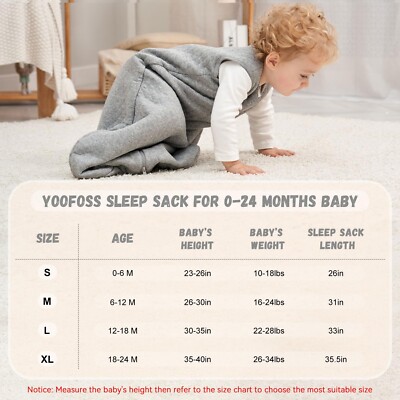
Hotel rooms tend to run warm, especially with the HVAC working overtime. Toddlers sleep best in rooms between 68 and 72 degrees Fahrenheit. If you cannot get the room cool enough, dress your child lighter than usual and skip the heavy sleep sack in favor of a lightweight one like the Yoofoss Sleep Sack (TOG 0.5).
If you are using a SlumberPod or blackout tent, pay extra attention to temperature inside the pod. It can get warmer than the rest of the room. The SlumberPod has a fan pouch for this reason — use it.
Recreating Home
The theme here is consistency. You cannot bring your child's entire nursery, but you can bring the most important sensory elements:
- Same sleep sack
- Same white noise sound (not just any white noise — the same one)
- Same darkness level
- Same lovey
- Same pre-bed routine (even abbreviated)
If your child sleeps with a specific blanket at home, bring it. If their room has a nightlight, bring a nightlight. Every element of sameness reduces the "first night effect" and helps your toddler's brain recognize that this is a sleep environment, even in a strange place.
The First Night Strategy
The first night in a new place is almost always rough. Knowing this in advance helps you prepare mentally and logistically.
Arrive Early Enough
If at all possible, arrive at your destination early enough that bedtime is not rushed. Ideally, you want at least 2 to 3 hours before bedtime to set up the room, do bath time, and run through your routine. Arriving at 9 PM with a melting-down toddler and an unassembled travel crib is a recipe for disaster. Many parents have learned this the hard way.
Set Up the Sleep Space First
Before you unpack anything else, set up the travel crib, hang the blackout curtains, and position the white noise machine. Getting the sleep environment ready while your toddler is still relatively happy (maybe exploring the room with your partner) is much easier than doing it during a bedtime meltdown.
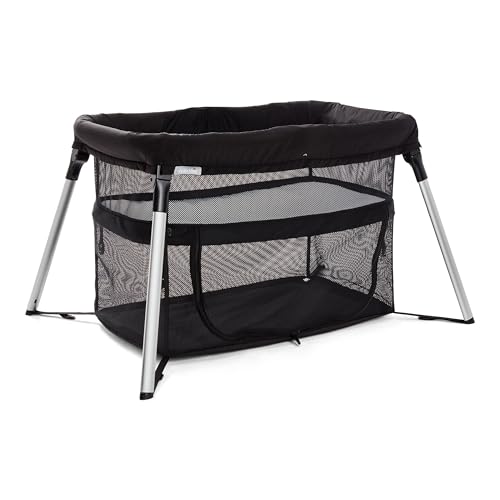
If you are using a Guava Family Travel Crib, setup takes about 15 seconds — this is one of the reasons parents love it for travel. The Munchkin Ultra-Lite 3-in-1 is similarly fast, unfolding in seconds with no tools. When you are exhausted from a day of travel, a crib that takes 10 minutes to assemble feels like an eternity.
Run the Full Routine
Even if you are tired. Even if it is late. Even if you just want to throw the kid in the crib and collapse. Do the routine. Bath (even a quick one), pajamas, sleep sack, books, songs — whatever you do at home. The routine is the bridge between "awake in a strange place" and "oh, it is time to sleep." Shortcutting it saves 15 minutes but may cost you an hour of settling.
Bath on the Road
Many hotels have bathtubs, but if yours does not, bring an inflatable baby tub or give a sink bath (if your child is small enough). The warm water itself is a sleep cue — it triggers a drop in core body temperature afterward, which signals sleepiness. If a bath is truly impossible, a warm washcloth wipedown while singing your usual bath songs can partially substitute.
When They Will Not Settle
It is 9:30 PM. You have done everything right. Your toddler is standing in the travel crib, wide awake, staring at you. What now?
- Stay boring. Do not make eye contact. Do not talk except for brief, quiet reassurances. Do not pick them up unless they are truly hysterical. You are a warm, present, but incredibly boring presence.
- Use your settling method. Whatever sleep training approach you use at home — chair method, check-ins, patting — use the same one here. Introducing a new method in a new place is asking for trouble.
- Accept that it might take a while. First night settling can take 30 to 60 minutes longer than usual. That is normal. It does not mean the whole trip will be like this.
- Do not give up and bring them to bed with you (unless co-sleeping is your normal arrangement). Once you set the precedent that screaming long enough results in sleeping in the big bed, you will fight that battle every night of the trip. Consistency matters more than ever in an unfamiliar environment.
Jet Lag with Toddlers
Crossing time zones adds a whole extra layer of difficulty. The strategies differ depending on which direction you are traveling and how many time zones you are crossing.
The Basic Rule: One Hour Per Day
The general guideline is that the body adjusts about one hour per day of time zone difference. A 3-hour time change takes roughly 3 days to fully adjust to. A 6-hour change (like East Coast US to Western Europe) takes about a week. For short trips (5 days or fewer) across more than 4 time zones, some families choose not to adjust at all and just stay on home time. This works best when your schedule is flexible.
Eastbound Travel (Harder)
Traveling east means your toddler needs to go to sleep earlier than their body wants. This is almost universally harder than going west. Your child will not be tired at the local bedtime and will fight sleep.
Strategies:
- Start shifting bedtime earlier 3 to 4 days before departure (15 to 30 minutes per day).
- On arrival, expose your toddler to bright morning light as early as possible. Light is the strongest signal for resetting circadian rhythm.
- Avoid screens and bright light for 2 hours before the target local bedtime.
- Push through to the local bedtime even if they are melting down. An overtired collapse at 7 PM local time is better than a 5 PM nap that pushes bedtime to midnight.
- Accept some early morning waking for the first 2 to 3 days. If they wake at 4 AM, keep the room dark and boring. Do not start the day.
Westbound Travel (Easier)
Traveling west means your toddler needs to stay up later. Most toddlers handle this better because they are not being asked to sleep when they feel wide awake. The challenge is usually early morning waking — they will pop up at 4 or 5 AM feeling ready to go.
Strategies:
- Let them stay up a bit later each night to match the local bedtime.
- On arrival, get afternoon and evening light exposure to signal "it is not nighttime yet."
- For early morning wake-ups, keep the room dark (this is where blackout curtains earn their cost) and offer quiet activities. Do not turn on lights or screens.
- Push breakfast and morning activities to the local schedule, even if your toddler has been up for 2 hours by then.
When to Push Through vs. Give In
This is the hardest judgment call with jet lag. Your toddler is begging to sleep at 4 PM local time, a full 3 hours before target bedtime. Do you let them nap?
Push through if: It is day 2 or later and you are making progress. A late nap will reset the clock backward. Offer an engaging activity, snack, bath — anything to bridge to a reasonable bedtime (even if you push bedtime 30 to 60 minutes early).
Give in if: It is day 1 and your child has been awake for 6+ hours and is absolutely falling apart. A short power nap (30 to 45 minutes maximum) is better than a complete meltdown. Set an alarm. Wake them gently. Then push to local bedtime.
Light Exposure Timing
Light is your most powerful tool for jet lag adjustment. Here is the simplified schedule:
- Eastbound: Get bright light in the morning, avoid light in the evening.
- Westbound: Get bright light in the afternoon and evening, avoid light in the early morning.
- Both directions: Natural outdoor light is 10 times more effective than indoor light. Get outside.
Nap Management on Vacation
Naps are where vacation sleep plans really get tested. You want to see things and do things, but your toddler needs to sleep.
The "One Good Nap" Minimum
The rule of thumb from experienced traveling parents: aim for at least one good nap per day — a real nap, in a dark room, in the crib. This is the foundation that holds everything else together. If your toddler gets one solid nap (ideally 60 to 90 minutes or more), they can tolerate more schedule flexibility the rest of the day. If they get zero good naps, you are heading for an evening meltdown and a rough night.
Stroller Naps
Stroller naps are a vacation survival tool. They are not ideal sleep (motion sleep is lighter and less restorative than stationary sleep), but they are infinitely better than no nap at all. Tips for successful stroller naps:
- Recline the seat as far back as it goes.
- Use a stroller cover or muslin blanket draped over the canopy to block light.
- Turn on the clip-on sound machine attached to the stroller frame.
- Time it right. Walk during the time your child is naturally tired, not when you decide it is convenient.
- Keep walking. The motion helps them stay asleep. Stopping at a cafe while they nap is risky — the cessation of movement often wakes them.
Car Naps
Car naps follow similar logic. They happen. They are not great quality. They keep you sane. If you are driving between destinations, time the drive to overlap with nap time. Start the drive 20 to 30 minutes before nap time, turn on white noise through the car speakers, and let the road do its work.
The challenge: transferring a sleeping toddler from car seat to crib. It rarely works. If they fall asleep in the car 20 minutes before you arrive at your destination, you have a choice: drive around for another 40 minutes to let them finish the nap, or accept the short nap and move on. There is no right answer — it depends on how much they need the sleep.
To Skip or Not to Skip
Sometimes you are at a theme park or beach and nap time arrives. Do you leave to go back to the hotel?
Skip the nap if: Your toddler is in good spirits, it is a special experience you do not want to miss, and you are willing to do an early bedtime. One skipped nap on vacation is not the end of the world.
Do not skip the nap if: Your toddler is already showing tired signs, it is the second day in a row without a good nap, or you are dealing with jet lag. The cumulative sleep debt will make everything worse — evening meltdowns, night waking, and early morning wake-ups.
The compromise: Go back to the hotel for one nap, then head back out. Yes, it breaks up the day. Yes, it is inconvenient. But a toddler who napped for an hour at 1 PM will still be functional and pleasant at 5 PM. A toddler running on fumes will make everyone miserable by 4 PM.
Hotel Room Sleep Setup
Hotel rooms were not designed with toddler sleep in mind. Here is how to make them work.
Where to Put the Crib
The bathroom trick. If your hotel room has a bathroom large enough to fit the travel crib, this can be a game-changer. Your toddler gets their own dark, quiet, enclosed space. You get to use the room normally after they fall asleep — lights on, TV at low volume, quiet conversation. It sounds strange, but it works. Just make sure the bathroom is clean, the toilet lid is down (or child-locked), and you remove anything within reach of the crib (toiletries, cleaning supplies, the trash can).
The closet or alcove. Walk-in closets in hotel rooms or vacation rentals can serve the same purpose. Remove anything on hangers that could fall into the crib. Use the closet door (left slightly ajar for ventilation) to create a separate dark zone.
The corner strategy. If neither the bathroom nor closet works, position the crib in the corner farthest from the door and the main light sources. Use the SlumberPod or a draped sheet (secured with clips, not loose) to create a visual barrier between your space and the crib. Your toddler cannot see you, and that matters more than you think.
What to Request from the Hotel
Call the hotel before your trip (not just at check-in) and request:
- A room away from elevators, ice machines, and stairwells. Noise is your enemy.
- A room with blackout curtains (ask specifically — "dark curtains" and "blackout curtains" are different things).
- A crib if you are not bringing your own. Ask what brand and model they provide. Hotel cribs range from modern pack-and-plays to ancient wooden cribs that should have been retired years ago.
- Extra towels (for improvised blackout solutions and general toddler chaos).
- A mini-fridge if one is not standard (for milk, snacks, and keeping things cold for middle-of-the-night requests).
- A room with a bathtub rather than just a shower, if your child's routine includes a bath.
Room Layout for Sleep
Before your first night, do a quick safety and sleep audit of the room. Check our full hotel room baby-proofing checklist for a comprehensive list, but for sleep specifically:
- Cover any standby lights on TVs, cable boxes, or alarm clocks with electrical tape or a towel. Those tiny red and blue lights are surprisingly bright in a dark room and some toddlers fixate on them.
- Check the curtain gap. Hotel curtains almost always have a gap in the middle or along the edges where light bleeds in. Use binder clips or clothespins to close the gap.
- Identify which light switches control which lights. You need to know how to turn off every light in the room without stumbling around in the dark.
- Figure out the thermostat. Some hotel HVAC systems are loud. If the on-off cycling will wake your toddler, set it to a constant fan speed rather than auto.
Room Sharing Survival
Unless you are in a suite or multi-bedroom rental, you are probably sleeping in the same room as your toddler. This creates its own set of challenges.
The "Stealth Bedtime" Routine
Once your toddler is asleep, your evening is constrained. Here is how to still function as a human:
- Set up your evening station before bedtime. Charge your phone. Get snacks and drinks out of crinkling bags. Arrange whatever you need on the nightstand. Open any bottles (that wine cork will wake a sleeping toddler from 10 feet away).
- Pre-load entertainment. Download shows on your tablet or laptop before the trip. Headphones are mandatory — not a suggestion.
- Keep one dim light source. A phone with the brightness turned all the way down, propped against the wall so the light faces away from the crib, gives you just enough light to move around without waking your child. Some parents use the bathroom light with the door mostly closed.
After They Fall Asleep
Can you watch TV? Only with headphones and the brightness turned way down. The flickering light alone can wake some toddlers, especially without a SlumberPod. If you are using a blackout tent over the crib, you have more flexibility.
Can you talk? Whisper. Not "I think I am whispering" — actual whispering. You will be amazed how loud a normal conversation sounds in a quiet hotel room to a sleeping child. Many couples find that texting each other from opposite sides of the bed is the safest option. It is absurd. It is effective.
Can you turn on lights? Briefly, if your toddler is a deep sleeper and you have the crib covered or in the bathroom. Otherwise, no. Use your phone flashlight pointed at the ground.
Can you shower? Depends on your kid and your bathroom situation. If the crib is in the bathroom, obviously not. If the crib is in the main room and the bathroom has a door, you can probably get away with a shower — the water sound is similar enough to white noise that many toddlers sleep through it.
The Midnight Bathroom Challenge
This is the room-sharing experience no one warns you about. Your toddler is asleep. You need to use the bathroom. The bathroom is 8 feet away, past the crib. The door creaks. The toilet flushes at 400 decibels.
Solutions:
- Locate the creaky floorboards during the day and memorize a silent path.
- Close the bathroom door fully before flushing. The door absorbs a surprising amount of sound.
- If your toddler wakes at every flush, consider the "wait until they are in deep sleep" strategy — usually 30 to 45 minutes after falling asleep and during the first half of the night.
- In truly desperate situations, some parents have used a fan or the room's heater/AC on high as additional white noise masking before bathroom trips.
When It All Falls Apart
Some nights, despite your best efforts, your toddler will wake up at 1 AM, see you right there, and decide it is party time. This is the moment when every parent questions why they thought vacation with a toddler was a good idea.
Stay calm. Keep the room dark. Do not engage. Use your normal middle-of-the-night settling approach. It may take longer because your child can see you, hear you, and knows exactly where you are. This is when the SlumberPod earns its price tag — if your child cannot see you, they are more likely to self-settle.
If it is truly a rough night, take turns. One parent handles the toddler while the other puts in earplugs and gets what sleep they can. Switch halfway through if needed. This is not a parenting failure — it is tactical resource management.
Age-Specific Sleep Challenges
Sleep challenges on vacation shift as your toddler grows. Here is what to expect at each stage.
12 to 18 Months: The Two-Nap Transition
Many babies are still on two naps at this age, and vacation is not the time to transition to one. If your child is solidly on two naps, keep two naps on vacation. It means more time at the hotel, but the alternative — a chronically overtired 14-month-old — is far worse.
Common challenges:
- Standing in the crib instead of sleeping (this is the age when they discover they can stand and it is too exciting to stop).
- Separation anxiety peaks between 12 and 18 months. Your child may need more reassurance in an unfamiliar crib.
- If they are on the cusp of dropping to one nap, vacation may accidentally push the transition. If that happens, let it happen — just expect a few rough days while they adjust.
Tips:
- Keep the morning nap short (30 to 40 minutes) and protect the longer afternoon nap.
- If two naps are truly impossible due to the vacation schedule, shift to one midday nap and do an early bedtime (5:30 or 6 PM).
- Bring a portable crib that feels enclosed and cozy. The Pamo Babe Compact Pack and Play or the Dream On Me Nest Portable Playard are lightweight options that work well for this age.
18 to 24 Months: Separation Anxiety and Night Waking
This is the peak age for separation anxiety, and being in an unfamiliar room can amplify it significantly. Your toddler may go from sleeping through the night at home to waking 2 to 3 times per night on vacation.
Common challenges:
- Crying when you leave the room (or when you are in the room but they cannot reach you).
- Night waking with real distress, not just fussiness.
- Wanting to be held to sleep rather than placed in the crib.
- Fear of the dark in an unfamiliar room.
Tips:
- A dim nightlight can help (bring one from home).
- Stay in the room while they fall asleep if needed, even if you do not do this at home. Vacation is a temporary situation, and you can reset habits when you return.
- Keep one parent visible until the child is drowsy. Then move to the bed and lie still.
- Be prepared for regression. If your child was sleep trained and suddenly needs more support, give it. You are not undoing months of progress — you are helping them feel safe in a new place.
2 to 3 Years: Negotiations and Early Mornings
Welcome to the age of opinions. Your two-year-old does not want to sleep. They want water. They want another book. They want the other pajamas. They want Mommy — no, Daddy — no, Mommy again.
Common challenges:
- Bedtime stalling taken to Olympic levels.
- "I need to go potty" (the ultimate delay tactic, and you cannot call their bluff).
- Climbing out of the travel crib.
- Early morning waking with loud demands to start the day.
Tips:
- Set clear expectations before bedtime. "We read two books, then we sing one song, then it is time to sleep." Hold the line.
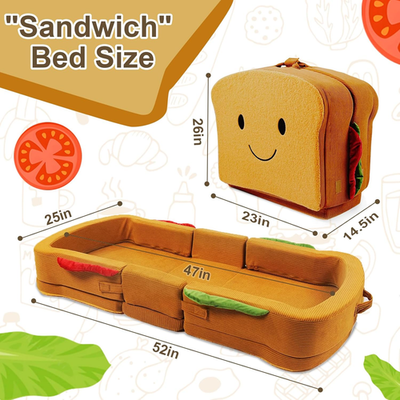
- If your child has outgrown the travel crib or is climbing out, consider the Regalo My Cot ($27) or the Toddler Travel Bed Sandwich Style with built-in safety rails. Put it right next to your bed if needed.
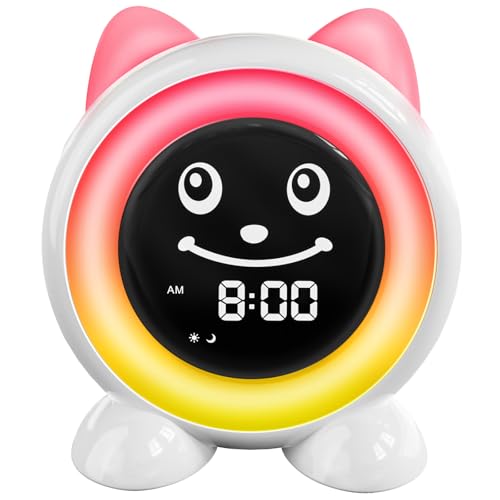
- For early morning wake-ups, a toddler clock (one that turns green when it is OK to wake up) can work, but only if your child already uses one at home. Introducing a new concept on vacation is unlikely to succeed.
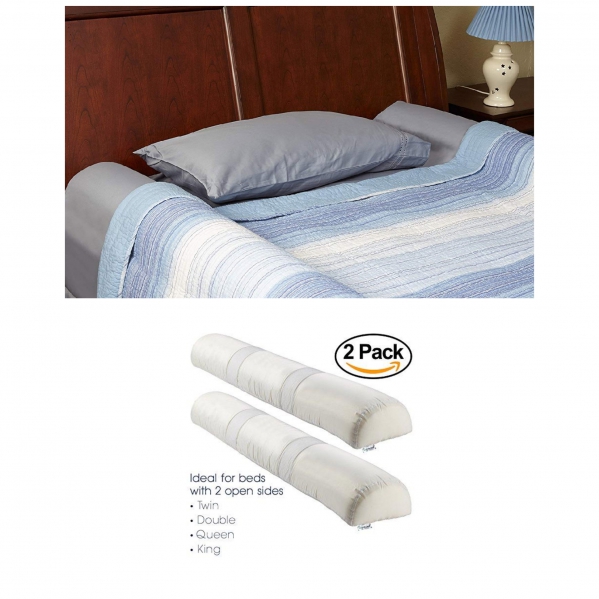
- Use hiccapop Inflatable Bed Rails if your toddler is sleeping in the hotel bed. They go under the fitted sheet and prevent rolling off, giving you peace of mind without the bulk of traditional bed rails.
3 to 4 Years: Dropping Naps and Late Bedtime Flexibility
By 3 to 4 years old, many kids are dropping or have dropped the daytime nap. This is actually a vacation advantage — without a nap to schedule around, you have more flexibility for activities.
Common challenges:
- The "I am not tired" proclamation (often followed by falling asleep in the stroller 15 minutes later).
- Late bedtimes leading to overtiredness.
- Nightmares or fears in an unfamiliar room (monsters, shadows, weird sounds).
- Wanting to stay up because they know you are staying up.
Tips:
- If your child has dropped naps, do quiet time instead. An hour of low-stimulation activity in the hotel room (coloring, watching a show, looking at books) gives their brain a break even without actual sleep.
- You can push bedtime later by 30 to 60 minutes for vacation without major consequences at this age. Enjoy a family dinner out.
- For nighttime fears, bring a familiar nightlight and do a "room check" together before bed. "See? No monsters in the closet. No monsters under the bed."
- A flashlight under their pillow can give them a sense of control over the darkness.
Coming Home: Re-Establishing Routine
The vacation is over. You made it. But now your toddler thinks 4 AM wake-ups, no naps, and sleeping in your bed are the new normal.
Expect Regression
It is coming. Almost every toddler has some degree of sleep regression after vacation. It may be night waking, bedtime resistance, nap refusal, or early morning wake-ups. This is normal and temporary. It typically lasts 3 to 7 days.
Go Back to Basics
The day you get home, go right back to your home routine. Same bedtime, same bath, same books, same crib, same sleep sack. Do not gradually ease back into it — just snap back to normal. Your toddler's brain recognizes the home cues and will readjust faster than you expect.
Be Consistent but Compassionate
If your toddler developed new habits on vacation (wanting to be held to sleep, sleeping in your bed, needing a nightlight), wean them off gently but firmly. Night one: "We are home now and you sleep in your crib. I will stay until you are sleepy." Night two: "I will check on you in five minutes." Night three: standard routine. Most kids readjust within 3 to 5 days if you are consistent.
Jet Lag Recovery
Coming home from a different time zone means another round of circadian adjustment. The same rules apply: one hour per day, use light exposure, push toward the home schedule. Going east-to-west (coming home westbound) is usually easier than the outbound trip.
How Long Does Full Adjustment Take?
For a vacation without jet lag (same time zone), expect 2 to 4 days for sleep to fully normalize. For jet lag trips, add one day per hour of time zone difference. For a transatlantic trip, full normalization may take 7 to 10 days. Be patient. It ends.
Give Yourself Grace
Your toddler's sleep will recover. Your sleep will recover. If the vacation created memories and experiences worth having, the temporary sleep disruption was worth it. Parents consistently say the same thing: they have never looked back at a trip and thought "we should not have gone because the sleep was hard." They look back and think "that was amazing, and yeah, the first night was rough, but we figured it out."
For gear recommendations mentioned in this guide, explore our full roundups:
- Best Travel Sleep Accessories — white noise machines, blackout solutions, sleep sacks, and bed rails
- Best Portable Cribs for Travel — from budget pack-and-plays to premium travel cribs
- Best Travel Safety and Baby Proofing Gear — outlet covers, corner guards, and locks for hotel rooms
- Toddler Packing List — the complete list of what to bring, including all sleep essentials
- Hotel Room Baby-Proofing Checklist — step-by-step safety audit for any hotel room
Related Guides
Sleep challenges vary depending on where you are traveling. These destination-specific guides include sleep tips tailored to each type of trip:
- International Travel with a Toddler — managing sleep across major time zone changes and unfamiliar accommodations
- Beach Vacation with a Toddler — nap strategies when sun and sand exhaust your little one
- Cruise with a Toddler — cabin sleep setups and dealing with port-day schedule disruptions
Disclosure: ToddlerTravelGear is reader-supported. We may earn a commission if you buy through links on our site — at no extra cost to you. Learn more
Frequently Asked Questions
Products Mentioned
SlumberPod
SlumberPod Original Blackout Sleep Tent for Babies and Toddlers, Blocks 95%+ Light
Read review →
Munchkin
Munchkin Ultra-Lite 3-in-1 Playard, Travel Crib and Bassinet
Read review →
Dreamegg
Dreamegg Portable Noise Machine for Baby Adult, 21 Soothing Sounds
Read review →
Amazon Basics
Amazon Basics Portable Blackout Curtain Shade with Suction Cups, 50"x78", Moon and Stars
Read review →
liftoza
liftoza Toddler Travel Bed Sandwich Style, Portable Foldable Soft Foam with Safety Rail (Medium)
Read review →
hiccapop
Hiccapop Inflatable Bed Rail for Toddlers (2-Pack), Portable Blow-Up Bed Bumper
Read review →
Yoofoss
Yoofoss Baby Sleep Sack 0-6 Months, 100% Organic Cotton, TOG 0.5, 3 Pack
Read review →
Sleep Trainer
Toddler Sleep Training Clock, Ok-to-Wake with Red and Green Light
Read review →
Related Content
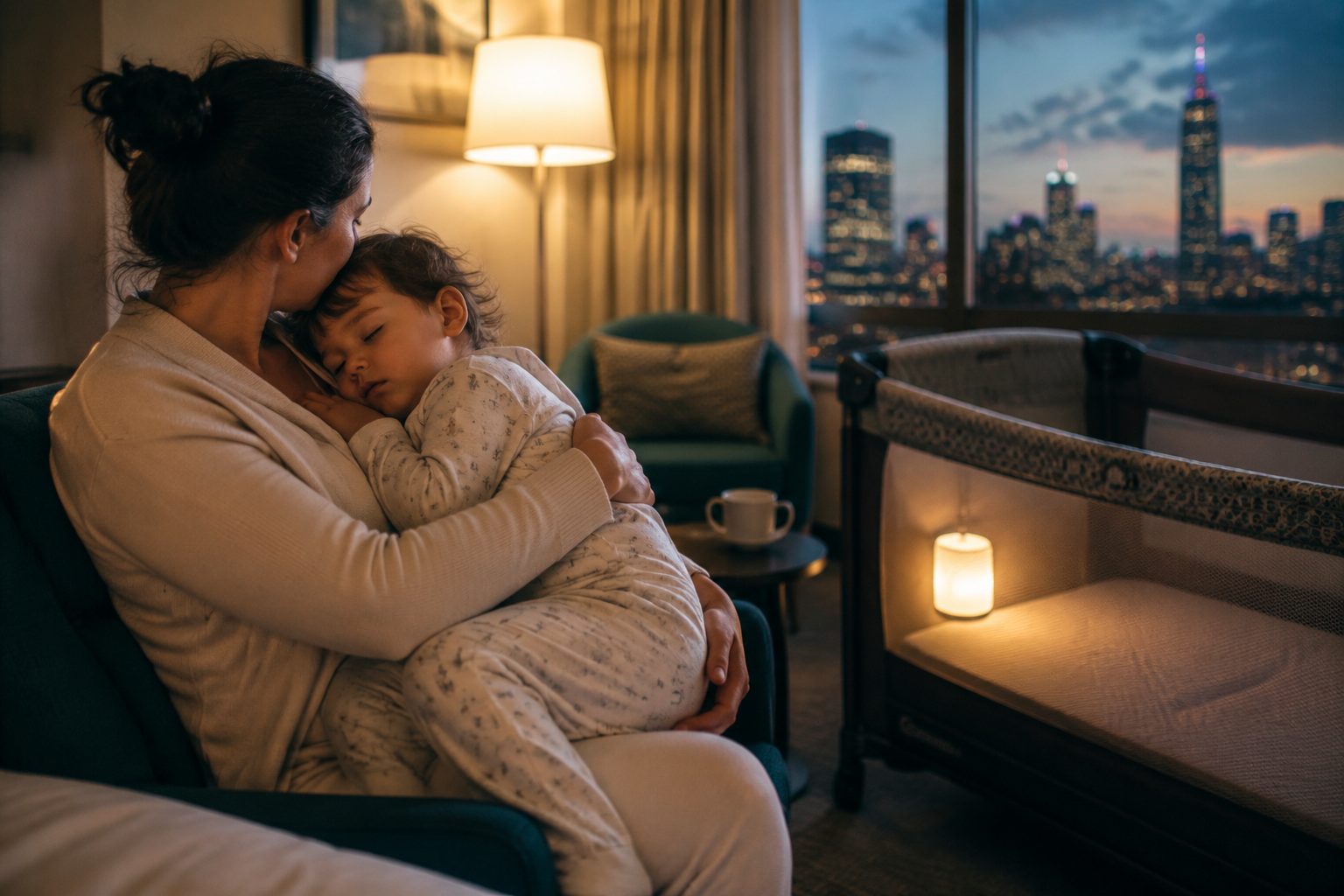
Toddler Jet Lag: The Complete Parent's Guide to Time Zone Travel (2026)
How jet lag affects babies and toddlers differently, plus day-by-day strategies for adjusting sleep schedules when traveling across time zones with young kids.
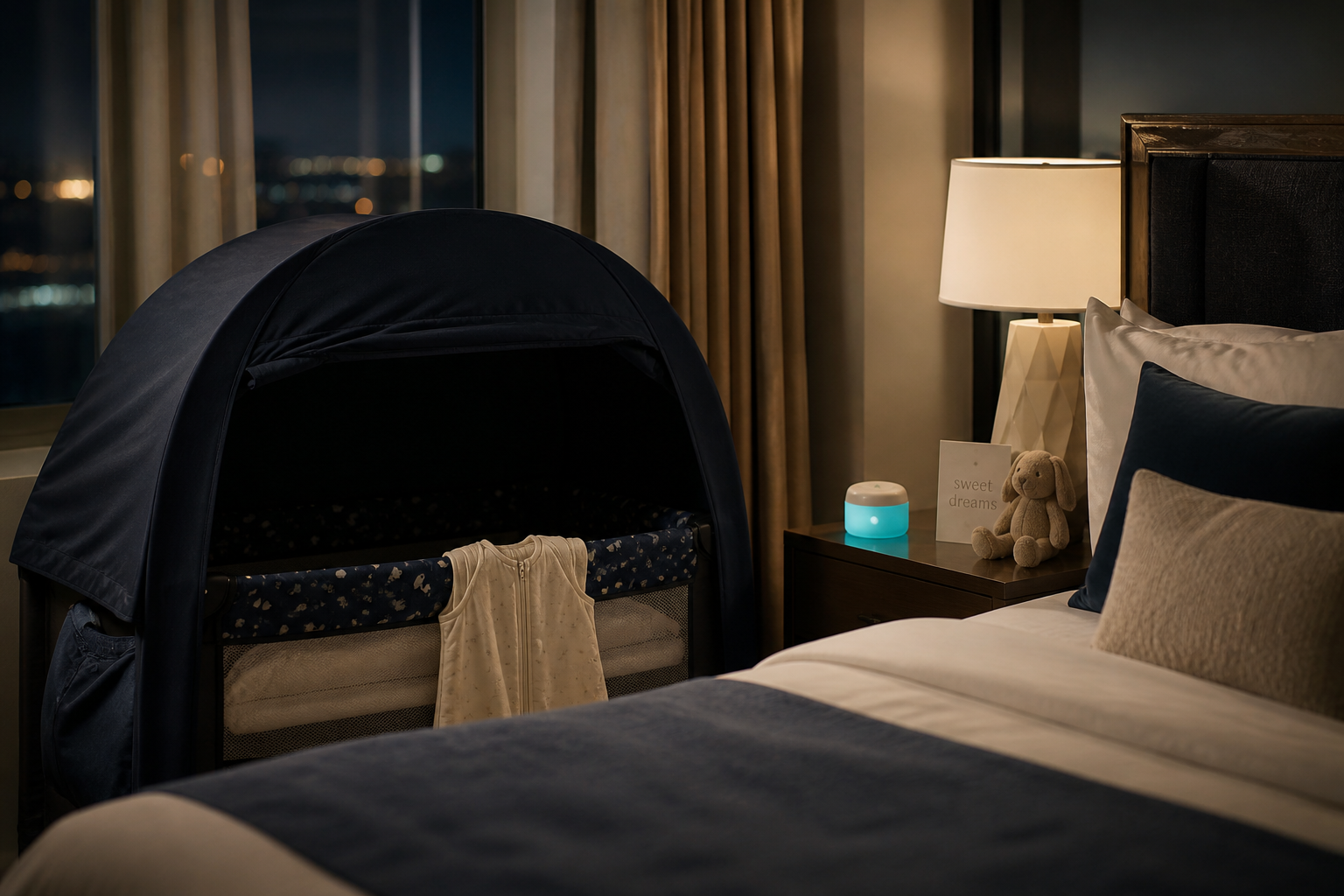
Best Travel Sleep Accessories for Toddlers (2026): Sound Machines, Blackout Solutions & More
Sound machines, blackout tents, portable beds, and sleep sacks compared for hotels and rentals — everything you need so your toddler actually sleeps on vacation.

Beach Vacation with a Toddler: The Complete Parent's Guide (2026)
Complete guide to beach vacations with a toddler — sun safety, gear essentials, water safety by age, sand management, and real strategies.