Cruising with a Toddler: The Complete Parent's Guide (2026)
Everything parents need to know about taking a cruise with a toddler — cruise line comparisons, cabin strategy, dining, port days, pool access, and packing.
A seven-night Caribbean itinerary on a ship carrying 5,000 passengers is a common first cruise, and it is a lot to work out from scratch with a toddler in tow.
By day three, we had figured it out. By day five, we were having one of the best vacations of our lives. By disembarkation, we were already talking about booking the next one.
Cruises are, somewhat counterintuitively, one of the best vacation formats for families with toddlers. Your hotel room moves with you. The food is included. The entertainment is steps away. And when your child melts down at 5:30 PM because they missed their nap, you are 90 seconds from your cabin instead of a 45-minute drive from a theme park.
But cruising with a toddler requires specific knowledge that cruise lines do not always make obvious. Age minimums for kids' clubs, pool restrictions, cabin hazards, dining logistics, and port day planning all have toddler-specific considerations that can make or break your trip.
This guide covers all of it. Every section is based on real experiences from parents who have cruised with kids ages 0 to 4 across the major cruise lines.
Choosing the Right Cruise Line for Toddlers
Not all cruise lines treat families with toddlers equally. Some are genuinely built for young families. Others tolerate them. Here is an honest breakdown of the major family-friendly options.
Royal Caribbean
Royal Caribbean is arguably the best overall cruise line for toddlers, and it comes down to one thing: the ships are built like floating theme parks. The newer Oasis-class and Icon-class ships have splash pads, water play areas, carousels, nature walks, and enough open deck space that a toddler can run without you worrying about them reaching a railing.
Nursery: Royal Caribbean offers the Royal Babies and Tots Nursery for children 6 to 36 months on most ships. This is a supervised drop-off nursery — you leave your child with trained caregivers and go enjoy the ship. It costs extra (typically $6 to $8 per hour), but it is one of the only cruise line nurseries that accepts children under 2. Availability is limited and popular time slots fill up on embarkation day, so book as early as possible.
Kids' Club (Adventure Ocean): The youngest age group starts at 3 years old. If your toddler is under 3, they cannot attend the kids' club. This is a significant limitation — it means no free childcare during the cruise unless your child is old enough.
Pool Access: Children who are not potty-trained cannot use the main pools. They CAN use the splash pads and water play areas, which are often the highlight of the cruise for toddlers anyway. Swim diapers are required.
Dining: Royal Caribbean has flexible dining options including the Windjammer buffet, which is the easiest option with a toddler — no wait, immediate food, and you can leave whenever you need to.
Disney Cruise Line
Disney is the most toddler-friendly cruise line, period. Everything is designed with young families in mind, from the theming to the dining schedule to the kids' club age ranges. It is also the most expensive.
Nursery (It's a Small World Nursery): Available for children 6 months to 3 years. Supervised drop-off with trained counselors. Costs approximately $9 per hour per child. The spaces are beautiful, themed, and well-staffed. Reservations open before the cruise, and popular evening time slots sell out quickly — book the moment your reservation window opens.
Kids' Club (Oceaneer Club): The youngest group starts at age 3. Same age minimum as Royal Caribbean. But the Disney kids' club programming is exceptional — character visits, themed activities, and spaces that feel like stepping into a movie.
Pool Access: Disney has a dedicated splash area for toddlers and babies on most ships, separate from the main pools. This is a significant advantage — your toddler has their own water play zone without competing with older kids.
Dining: Disney's rotational dining system moves your family through three themed restaurants over the course of the cruise, and your server follows you. This is brilliant for toddlers because the server learns your child's preferences by night two. They will have the milk ready, the chicken fingers plated, and the crayons on the table before you sit down.
The Disney Factor: For toddlers who are into Disney characters, the character meet-and-greets on a Disney cruise are less chaotic than at the parks. Shorter lines, more intimate settings, and characters who take their time. A 2-year-old who would melt down after 90 minutes in line at Magic Kingdom will happily hug Mickey in a 10-minute wait on the ship.
Norwegian Cruise Line (NCL)
NCL is a solid middle-ground option. Not as toddler-focused as Disney, not as massive as Royal Caribbean, but with a few key advantages.
Nursery (Guppies): Available on select ships for children 6 months to under 3 years. Similar pricing and format to Royal Caribbean. Not available fleet-wide, so confirm your specific ship has the program before booking.
Kids' Club (Splash Academy): Youngest group starts at 3. Same limitation as the others.
Pool Access: NCL has splash areas for young children on newer ships. Diaper policy is similar — swim diapers for non-potty-trained kids, splash areas only.
Freestyle Dining: NCL's "freestyle" approach means no fixed dining times. You eat when and where you want. For toddler families, this is a major benefit. If your child naps until 6:30 PM, you have dinner at 7. If they are starving at 5 PM, you eat at 5. No schedule pressure.
Age Minimums Summary
| Cruise Line | Minimum Sailing Age | Nursery Ages | Kids' Club Minimum |
|---|---|---|---|
| Royal Caribbean | 6 months (12 months for transatlantic/long voyages) | 6-36 months | 3 years |
| Disney | 6 months (certain itineraries higher) | 6 months - 3 years | 3 years |
| NCL | 6 months | 6 months - under 3 (select ships) | 3 years |
| Carnival | 6 months | 6-24 months (on some ships) | 2 years |
| MSC | 6 months | Under 3 (Chicco partnership) | 3 years |
Critical note: If your child turns 3 during the cruise, they can typically join the kids' club on their birthday. Some parents time their cruise specifically to cross this age threshold.
Cabin Strategy: Location, Layout, and Safety
Your cabin choice affects your daily quality of life on a cruise more than almost any other booking decision. With a toddler, the wrong cabin turns every nap time into a logistical nightmare.
Cabin Location
Mid-ship, lower decks are the best location for families with toddlers. Here is why:
- Less motion. Ships rock more at the bow (front) and stern (back), and more on higher decks. Mid-ship, lower decks feel the most stable. This matters both for your toddler's comfort and for motion sickness prevention.
- Closer to everything. Mid-ship cabins tend to be equidistant from the main dining rooms, pools, and elevators. When your toddler melts down and you need to get back to the cabin fast, every minute counts.
- Less elevator wait. Lower decks mean fewer floors to travel. During peak times (after shows, before dinner), elevator waits can be 10 to 15 minutes. Stairs with a toddler are doable from deck 5. From deck 14, not so much.
Cabin Type
Inside cabins are the budget option and they have one huge advantage for toddlers: complete darkness. No window, no natural light, no early sunrise waking your child up at 5:30 AM. For a toddler who sleeps better in the dark, an inside cabin is actually ideal.
Balcony cabins are the most popular family choice, but they require serious safety consideration. Balcony railings on cruise ships are designed to prevent adults from falling overboard. They are not designed to prevent a climbing toddler from going over. The gap between the bottom of the railing and the deck floor may be large enough for a small child to squeeze through. The furniture on the balcony gives a climber a boost.
If you book a balcony:
- Keep the balcony door locked at all times unless an adult is on the balcony with the child.
- Move balcony furniture away from the railing.
- Consider bringing a portable door lock or alarm for the balcony door. Some parents use a simple sliding door lock placed at the top where a toddler cannot reach.
- Never leave a toddler unsupervised on a balcony. Not for 10 seconds. Not while you grab something from the cabin.
Adjoining or connecting cabins work well for families traveling with grandparents or another couple. The adults can spread out, and the connecting door lets you check on the kids without going into the hallway. Make sure you request "connecting" (a door between cabins) rather than "adjacent" (next to each other with no interior connection).
Baby-Proofing the Cabin
Cruise ship cabins are not childproofed. They are small hotel rooms with additional hazards specific to being on a ship.
Bring from home:
- Outlet covers (8 to 10 should cover a standard cabin)
- Door knob covers for the bathroom door
- Corner protectors for the coffee table and desk edges
- A night light (cabins are extremely dark, and a toddler who wakes up in unfamiliar pitch-black darkness will panic)
- Electrical tape or duct tape for securing cords (the TV cables and bedside lamp cords are at toddler height)
On arrival, do the same hotel room safety sweep you would do in any hotel. Check under the bed, cover outlets, assess furniture stability, and lock the balcony.
Cruise-specific hazards:
- The cabin door is heavy and self-closing. It will crush small fingers. Prop it open with a towel or bring a door stopper if you are going in and out.
- The bathroom door locks from the inside. A toddler can lock themselves in. Bring a tool (a coin works) that fits the emergency release slot on the exterior of the bathroom door handle.
- The bed is usually higher than a standard bed. If your toddler sleeps in the bed, request bed rails from your stateroom attendant or push the bed against the wall. For younger toddlers, request a crib or pack-n-play from the cruise line at the time of booking — availability is limited and first-come, first-served.
Daily Schedule: Structuring Your Days with a Toddler
The biggest mistake parents make on a cruise with a toddler is trying to do everything. The ship has 15 restaurants, 3 pools, a water park, a rock climbing wall, shows every night, and port stops every other day. You will not do all of it. Accepting this on day one saves you from frustration on day seven.
Sea Days
Sea days — when the ship is at sea with no port stop — are the best days on a cruise with a toddler. No time pressure, no excursion schedule, no rushing. Here is a sample sea day schedule that works:
7:00 AM — Toddler wakes up (they always wake up). Quick breakfast at the buffet. The buffet is usually open by 6:30 or 7:00 and is nearly empty at this hour. Grab food, eat without a crowd, and get out before the rush.
8:30 AM — Pool deck or splash pad. Go early before it gets crowded and before the sun is intense. Most toddlers will happily splash for an hour.
10:00 AM — Activity time. Kids' club (if your child is 3+), nursery (if your child qualifies and you booked a slot), or family activity on the ship. Many cruise lines offer family-friendly activities in the morning — scavenger hunts, dance parties, craft sessions.
11:30 AM — Early lunch at the buffet. Beat the noon rush. Feed your toddler first, then eat yourself. A child who has been running and swimming all morning will eat anything you put in front of them.
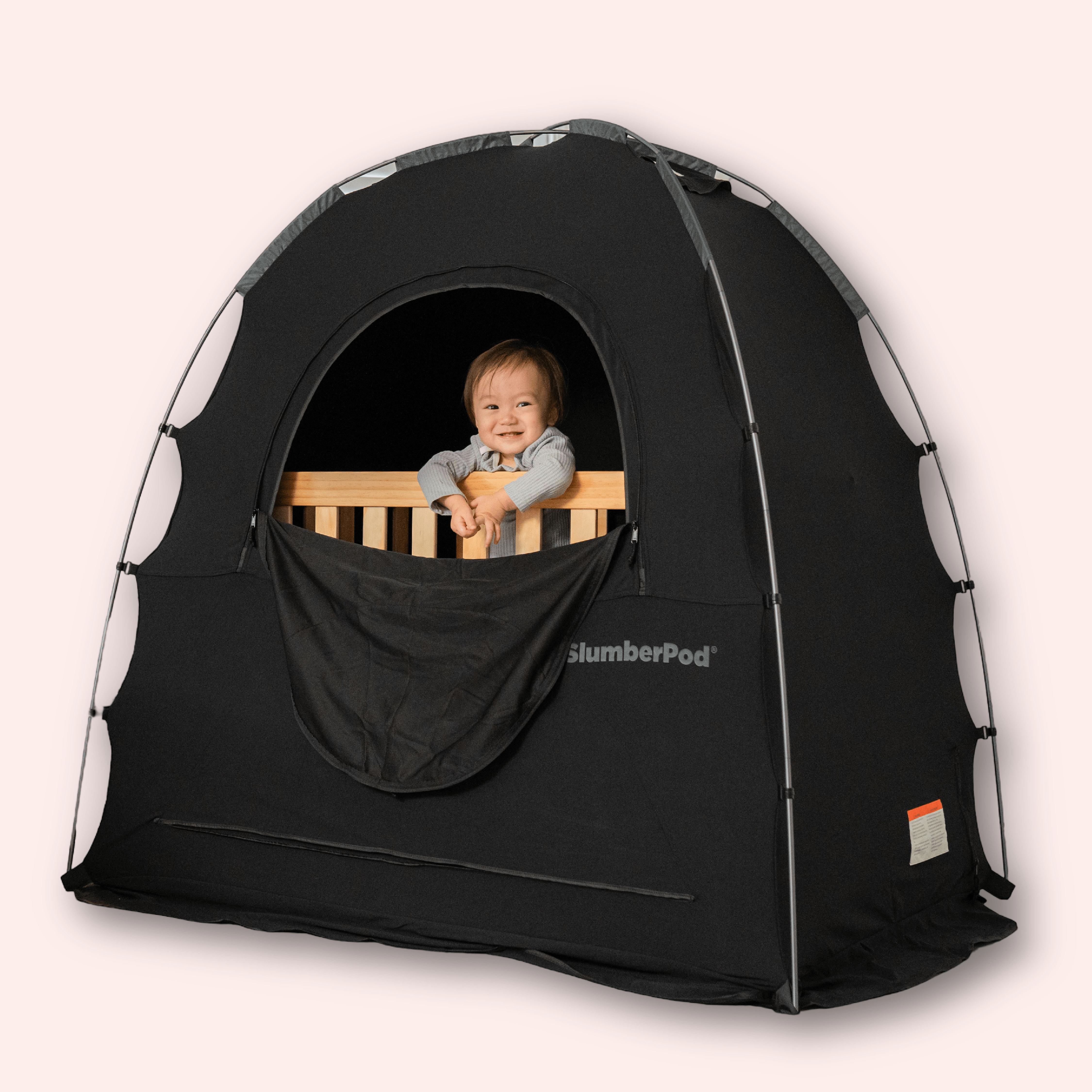
12:30 PM — Nap time. Back to the cabin. This is non-negotiable. A toddler who skips the nap on a cruise will ruin dinner, bedtime, and possibly the next morning. Darken the cabin (inside cabins are perfect for this), turn on white noise, and let them sleep.
While they nap: one parent stays in the cabin (read a book, watch the ocean, enjoy the quiet). The other parent goes to the pool, the adult lounge, the spa, the gym, or just walks the ship alone. This is your break. Take it.
2:30 PM — Toddler wakes up. Snack. Afternoon activity — splash pad again, exploring a new area of the ship, or just walking the promenade deck.
5:00 PM — Dinner. Early seating if your cruise line offers it. With a toddler, 5:00 or 5:30 PM is ideal. Waiting until 8:00 PM for the late seating is asking for a disaster.
6:30 PM — Bath and bedtime routine. Many families do bath, pajamas, a show on the cabin TV, and lights out by 7:30 PM. Then the parents take turns — one stays in the cabin, the other goes to the evening show, the bar, the casino, or a late-night buffet.
The baby monitor situation: Cruise cabins do not have baby monitors. Bring your own. A portable audio or video monitor with sufficient range for a cruise ship hallway works, but walls and metal construction on ships can limit range. Test it on the first night. Some parents use the ship's babysitting service for evening time instead of relying on a monitor.
Port Days
Port days require more planning and more compromise. You are getting off the ship with a toddler, navigating a port town, and trying to see something worthwhile before the ship leaves.
The port day decision: Do you go ashore or stay on the ship?
Staying on the ship on a port day is one of the best-kept secrets of cruising with a toddler. The pools are empty. The buffet is quiet. The kids' areas have no lines. While 4,000 passengers are exploring the port, you have the ship practically to yourself. If the port is not particularly interesting or kid-friendly, staying aboard is a legitimate choice.
If you go ashore, keep it simple. One activity. One meal. Back to the ship well before the all-aboard time. Ambitious port day itineraries work for adults. With a toddler, you are choosing between the beach and the historic fort — not both.
Dining Onboard: Feeding Your Toddler at Sea
Cruise ship dining is one of the great advantages of cruising with a toddler. Food is available nearly around the clock, it is included in your fare, and the variety means even picky eaters can find something acceptable.
The Buffet Strategy
The buffet is your default option with a toddler. Here is why:
- Immediate food. No ordering, no waiting. Walk up, grab food, sit down. A hungry toddler cannot wait 20 minutes for an appetizer.
- Visual selection. Picky eaters can see exactly what they are getting. "Do you want the pasta or the chicken?" works better when they can point at the actual food.
- Easy exit. If your toddler melts down, you stand up and leave. No flagging down a server for the check, no awkward walk past 30 tables.
- Multiple trips. Your child only ate the bread? Go get something else. The buffet does not judge.
Buffet tips:
- Go during off-peak hours. Early breakfast (before 8 AM), early lunch (11:30), early dinner (5:00).
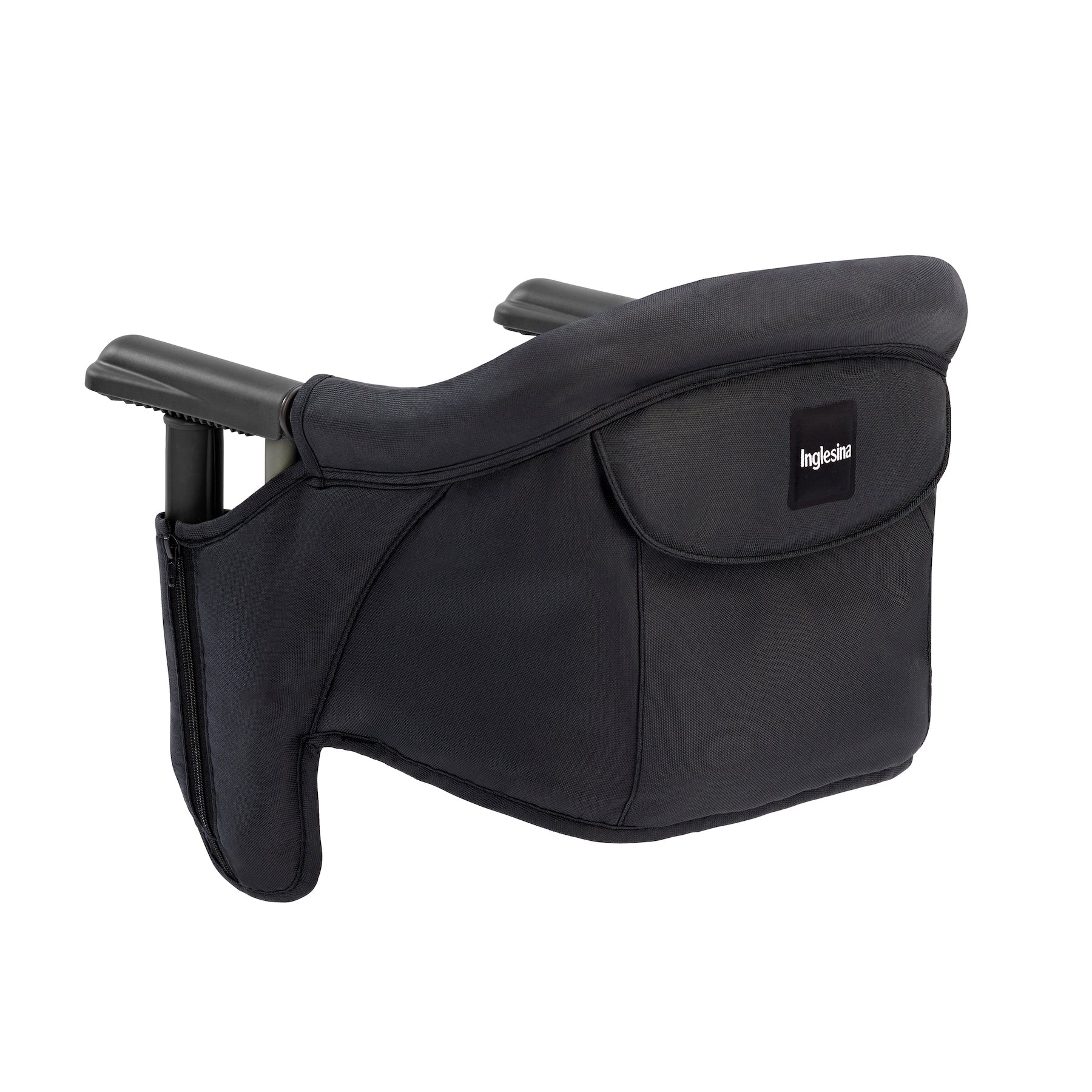
- Bring a portable high chair or a clip-on seat. Not all cruise ship buffet areas have high chairs, and the ones they have may be in use.
- Bring your child's own utensils, plates, or a suction bowl. Cruise ship dishes are heavy ceramic that slides easily on a table. A suction bowl prevents the dramatic sweep-everything-off-the-table move that toddlers love.
Main Dining Room Tips
The main dining room is a more formal experience, but it absolutely works with a toddler if you follow a few rules:
- Request early seating. 5:00 or 5:30 PM. This matches a toddler's eating schedule and means the dining room is not full yet.
- Order your child's food the moment you sit down. Ask your server to put in the kids' order immediately while you browse the adult menu. By the time your appetizer arrives, your toddler is already eating.
- Bring entertainment. Crayons, stickers, a small toy. The dining room is a waiting game, and toddlers lose patience fast. Our travel toys roundup has mess-free options that work at restaurant tables.
- Be ready to leave early. If your child finishes eating and starts getting restless, one parent takes them out while the other finishes dinner. This is normal on a cruise. Servers see it every night. Do not feel guilty.
- Tip your server well. A dining team that handles a toddler with grace and a smile deserves recognition.
Room Service
Room service is free on most cruise lines (some charge a small delivery fee). Use it. Breakfast in the cabin before the buffet opens. A late-night snack for the parent who stayed in the cabin during the show. A plate of fruit delivered at 3 PM when your toddler wakes up from a nap and needs food before you can get dressed and go anywhere.
Pool and Water Play
Water play is the highlight of most cruises for toddlers. But pool policies for young children are stricter than many parents expect.
The Diaper Rule
Children who are not fully potty-trained cannot use the main swimming pools on virtually every cruise line. This is a health department regulation, not a cruise line preference. Swim diapers do not change this policy — they are designed to contain solid waste, not urine, and that distinction matters for pool sanitation.
What non-potty-trained toddlers CAN use:
- Splash pads and spray areas (no standing water)
- Kiddie pools with less than 12 inches of water (available on some ships)
- The ocean or beach at port stops
- Their own inflatable pool on the balcony (yes, some parents do this — bring a small inflatable tub and fill it with a few inches of water)
What potty-trained toddlers CAN use:
- All pools, including the main pool
- Water slides (height restrictions apply — most require 40 inches or taller)
- Hot tubs (generally not recommended for children under 5 due to water temperature)
Splash Pad Tips
Splash pads and water play areas are the sweet spot for toddlers on a cruise. They are designed for young children, they are shallow or spray-only, and the kids can run, splash, and play freely.
- Go early. The splash pad gets crowded by 10 AM on sea days. Arrive by 8:30 or 9:00 for space.
- Bring water shoes. The deck surface gets hot in the sun and slippery when wet. Water shoes protect feet and prevent falls.
- Apply sunscreen 30 minutes before going out. The reflection off the water and the white deck intensifies UV exposure. Reapply every 90 minutes.
- Bring a sun shade or UV protective rashguard. Toddlers burn faster than adults, and they will not voluntarily leave the splash pad to sit in the shade.
- Bring a change of clothes. Your toddler will be soaked. Having a dry outfit in your pool bag means you can go straight from the splash pad to lunch without a cabin detour.
Kids' Club and Nursery: What to Actually Expect
The kids' club and nursery are the most misunderstood aspects of cruising with a toddler. Many parents book a cruise expecting free babysitting all day. The reality is more nuanced.
Nursery (Under 3)
The nursery is a paid, supervised childcare option. Here is what to know:
- Capacity is limited. Most ship nurseries hold 10 to 20 children at a time. On a ship with 1,000 families, those spots fill fast.
- Reservations are essential. Book nursery time as soon as your reservation window opens — often 30 to 60 days before sailing.
- They do not handle all situations. If your child has a fever, is vomiting, or has a rash, the nursery will call you to pick them up. Pack a ship phone or keep your phone on the ship's messaging system.
- Pack a bag for the nursery. Diapers, wipes, a change of clothes, a sippy cup, and a comfort item. Label everything with your child's name and cabin number.
- Separation anxiety is real. If your child has never been in group care, the first nursery session may involve tears. Start with a short session (1 hour) and build up.
Kids' Club (3 and Up)
The kids' club is usually free and offers structured activities — arts and crafts, movies, games, scavenger hunts, and character interactions (on Disney). If your child is 3 or older, this is a game-changer.
- Visit the club together on embarkation day. Let your child see the space, meet the counselors, and explore the toys. Familiarity reduces resistance on day two when you actually want to drop them off.
- Start with short sessions. One hour the first time. If they love it, extend to two or three hours. If they hate it, do not force it — you are on vacation, not at daycare.
- Evening sessions are available on most cruise lines, often until 10 PM or later. This is when both parents can have a real dinner, see a show, or just sit on the deck together. Worth every penny if it is a paid evening session.
Shore Excursions with Toddlers
Cruise line shore excursions are designed primarily for adults. The bus tours, zipline adventures, and snorkeling trips are not toddler-compatible. But you have options.
DIY Port Exploration
Skip the ship-organized excursion and explore on your own. In most Caribbean ports, the best toddler activity is the closest beach. Walk off the ship, take a short taxi ride to a family-friendly beach, set up for a few hours, and walk back.
What to bring ashore:
- Stroller (yes, even to the beach — you need it for the walk from the port to wherever you are going)
- Sunscreen, hats, UV clothing
- Snacks and water
- A change of clothes and swim diapers
- Cash for taxis and local food
- Your ship card (you cannot reboard without it)
The All-Aboard Time Rule
Whatever you do ashore, get back to the ship at least 30 minutes before the published all-aboard time. With a toddler, things take longer than you expect. The taxi back takes longer. The security re-screening takes longer. The walk from the port entrance to the gangway takes longer when you are pushing a stroller and carrying a sandy toddler who wants to walk but keeps stopping to look at birds.
The ship will leave without you. This is not an exaggeration. If you are not back by all-aboard time, the ship sails and you are responsible for getting yourself to the next port at your own expense. With a toddler. In a foreign country. Do not cut it close.
Motion Sickness in Toddlers
Motion sickness is less common in children under 2 (their vestibular systems are not fully developed), but it does occur in toddlers ages 2 to 4. Here is how to handle it.
Prevention:
- Book a mid-ship, lower-deck cabin (least motion).
- Spend time on deck looking at the horizon. Being below deck in an interior space makes seasickness worse.
- Keep them hydrated and fed with light foods. Empty stomachs and dehydration make nausea worse.
- Avoid reading or screen time during rough seas. Looking at a fixed object (book, tablet) while the environment moves triggers nausea.
Treatment:
- Children's Dramamine (dimenhydrinate) is approved for children 2 and older. Check with your pediatrician before the trip for dosing.
- Ginger-based remedies (ginger ale, ginger chews) can help with mild nausea.
- Sea-Bands (acupressure wristbands) are drug-free and safe for toddlers. Evidence for their effectiveness is mixed, but many parents swear by them.
- Fresh air and a view of the horizon is the simplest and most effective motion sickness remedy.
If your child vomits: Stay calm. Clean them up. Get them outside to fresh air. Offer small sips of water. If the vomiting continues for more than a few hours, visit the ship's medical center.
The Cruise-Specific Packing List
Cruising requires a few items beyond your standard toddler packing list. Here is what to add.
Cabin Essentials:
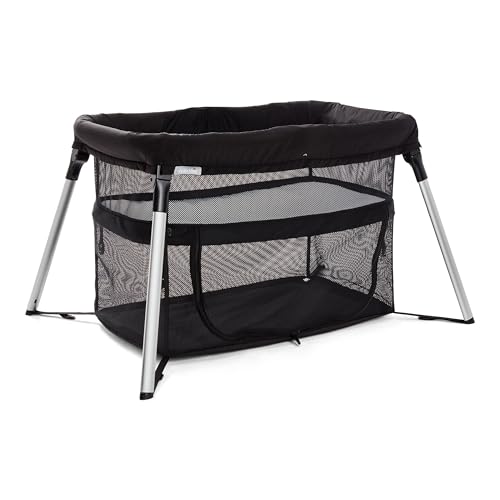
- Portable crib or pack-n-play (or request one from the cruise line at booking)
- Night light (inside cabins are pitch dark)
- White noise machine or app
- Baby-proofing kit — outlet covers, corner protectors, door knob covers
- Portable baby monitor
- Door stopper (for the heavy cabin door)
- Magnetic hooks (cruise cabin walls are metal — magnetic hooks hold bags, hats, and lanyards without damaging anything)
Pool and Beach:
- Swim diapers (plenty — bring more than you think)
- UV rashguard and sun hat
- Reef-safe sunscreen
- Water shoes for both pool deck and beach
- A small inflatable pool or tub for balcony water play
- Bath toys that double as pool toys
Dining:
- Portable high chair or clip-on seat
- Suction bowls and toddler utensils
- Spill-proof snack cups
- Bibs (silicone roll-up bibs pack flat)
- A few favorite non-perishable snacks from home for picky eater emergencies
Shore Excursion Bag:
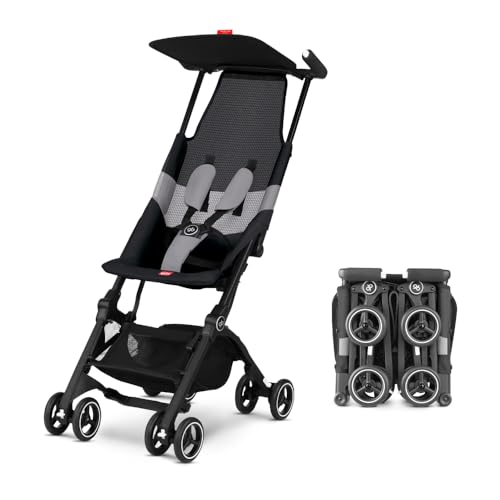
- Lightweight travel stroller (the same one you bring through the airport)
- Baby carrier for uneven terrain where a stroller cannot go
- Sunscreen and hats
- Cash and ship card
- Water and snacks
- Change of clothes and diapers
Safety:
- Children's Dramamine or Sea-Bands
- Sunburn relief gel
- First aid basics (bandages, antiseptic, children's pain reliever)
- A card with your cabin number, ship name, and emergency contact pinned to your toddler's clothing (in case of separation in a port)
Entertainment:
- Travel toys for cabin time and restaurants
- Sleep accessories — familiar blanket, stuffed animal, anything that helps them sleep in a new environment
- A tablet with downloaded shows for cabin downtime and rain days
- Coloring supplies and stickers
Embarkation Day: Setting the Tone
How you handle the first day on the ship sets the tone for the entire cruise. Here is the embarkation day playbook.
Before you go:
- Arrive at the port early. Embarkation usually starts between 11 AM and 1 PM. Arriving at the early end means shorter lines and more time to explore the ship before the crowds.
- Have all documents ready: passports, cruise booking confirmation, birth certificates for children, and any medical documentation for medications.
- Feed your toddler before you get to the port. The check-in process can take 30 to 90 minutes, and your child will be hungry and bored. A fed child is a patient child.
Once on the ship:
- Go straight to your cabin. Drop your carry-on bags, do a quick safety assessment, and set up the crib if it is already there.
- Head to the buffet for lunch. The buffet opens before most passengers board. Eat now while it is uncrowded.
- Explore the ship. Walk the main decks with your toddler. Find the pool, the splash pad, the kids' club, the buffet, and the nearest elevator and stairwell to your cabin. Knowing the layout prevents you from getting lost on day two with a crying child who needs a nap.
- Visit the kids' club or nursery. See the space. Talk to the counselors. Book any remaining nursery slots.
- Attend the muster drill. This is mandatory. Bring snacks and a toy for your toddler — the drill involves standing in one place for 15 to 20 minutes listening to safety instructions. A bored toddler during the muster drill is a loud toddler during the muster drill.
- Unpack and settle in. Get the cabin arranged for the week. Unpack suitcases so you are not living out of bags. Set up the baby-proofing kit. Make the cabin feel like a temporary home.
The Honest Truth About Cruising with a Toddler
A cruise with a toddler is not a relaxing couples' retreat. You will not spend hours by the pool reading a novel. You will not sleep in. You will not linger over a three-course dinner. You will miss the adults-only comedy show because it starts at 10 PM and you have been awake since 6 AM and you physically cannot keep your eyes open.
But you will watch your toddler discover the ocean for the first time and stare at it with open-mouthed wonder. You will eat dinner while someone else cooks, serves, and cleans up — three times a day, for an entire week. You will have breakfast on your balcony while your child sleeps in, listening to nothing but the waves. You will walk through a Caribbean port town with your family and feel, for an afternoon, like the whole world slowed down just for you.
A cruise is not the vacation you used to take. It is better. It is different, and it is harder, and some moments will test you. But the ratio of good moments to hard moments on a well-planned cruise is better than almost any other vacation format with a toddler.
Plan carefully. Pack thoroughly. Lower your expectations for yourself and raise them for the experience. You are going to have an incredible trip.
For more family travel planning, check out our complete flying with a toddler guide for getting to the port, our toddler packing list for the master list, and our toddler sleep on vacation guide for managing naps and bedtime in a new environment.
Products Mentioned
gb
gb Pockit Air All-Terrain Ultra Compact Travel Stroller
Read review →
SlumberPod
SlumberPod Original Blackout Sleep Tent for Babies and Toddlers, Blocks 95%+ Light
Read review →
Munchkin
Munchkin Ultra-Lite 3-in-1 Playard, Travel Crib and Bassinet
Read review →

Baby Bum
Baby Bum SPF 50 Sunscreen Lotion, Mineral UVA/UVB Protection, Travel Size
Read review →
Inglesina
Inglesina Fast Table Chair - Portable Baby High Chair
Read review →
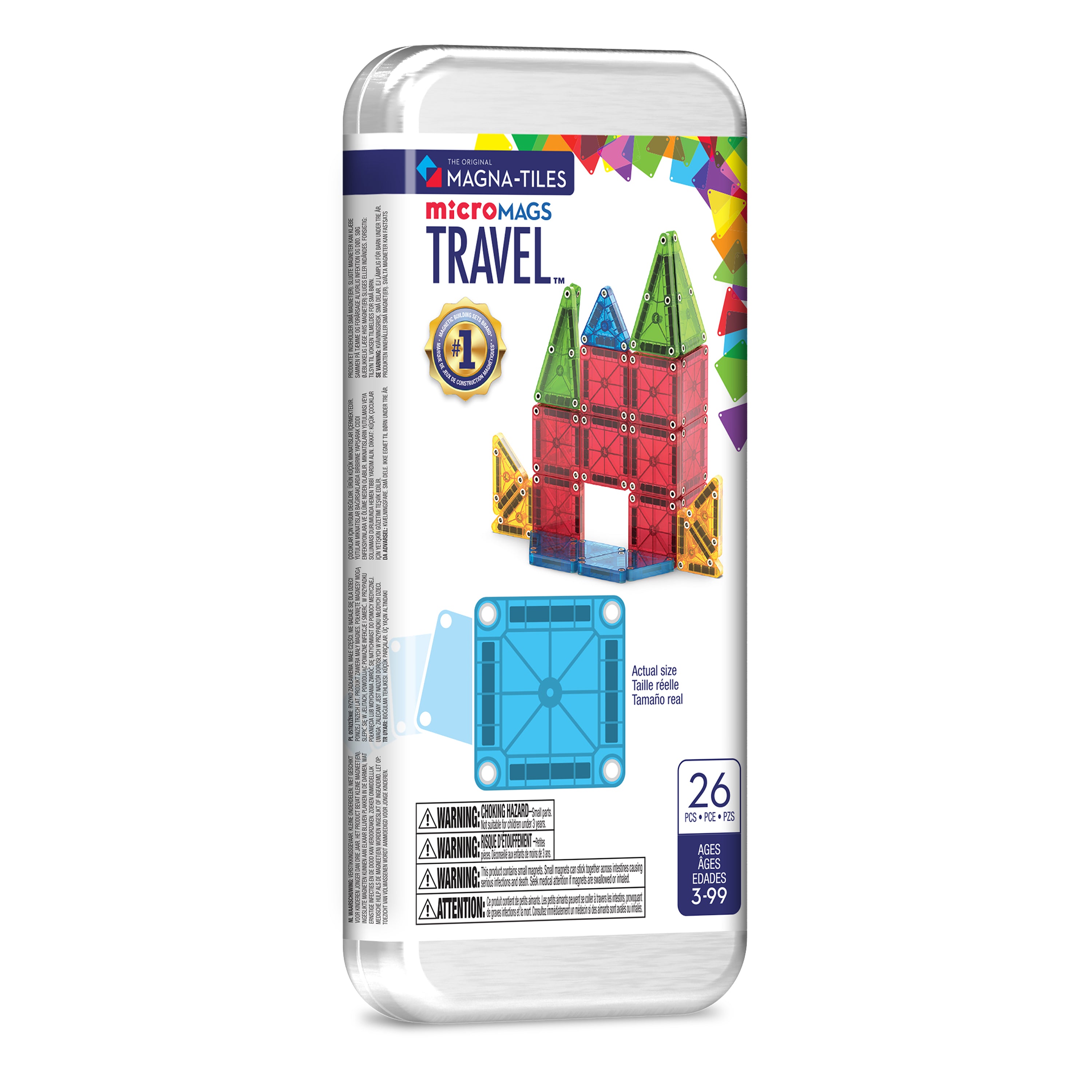
Magna-Tiles
Magna-Tiles microMAGS 26-Piece Travel Magnetic Construction Set
Read review →
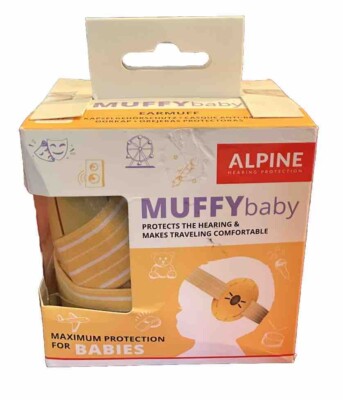
Alpine
Alpine Muffy Baby Ear Protection for Babies and Toddlers up to 36 Months, CE & ANSI Certified
Read review →
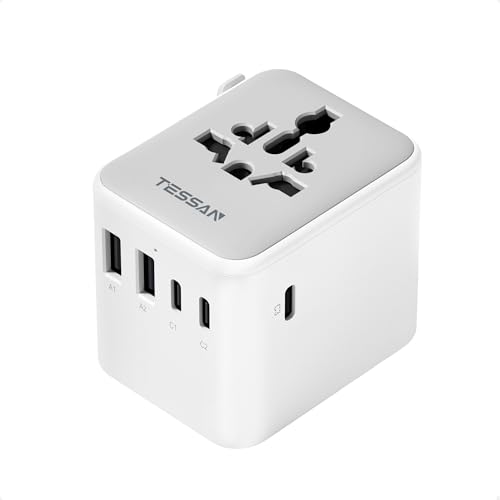
TESSAN
TESSAN Universal Travel Adapter, 28W with 5 USB Ports
Read review →
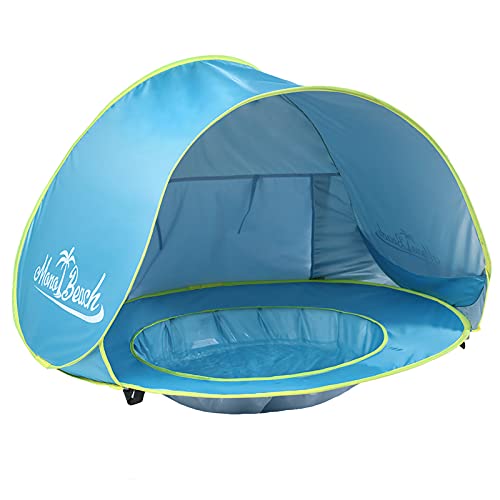
Monobeach
Monobeach Baby Beach Tent Pop-Up UV Sun Shelter
Read review →
Related Content

Beach Vacation with a Toddler: The Complete Parent's Guide (2026)
Complete guide to beach vacations with a toddler — sun safety, gear essentials, water safety by age, sand management, and real strategies.

Camping with a Toddler: The Complete Parent's Guide (2026)
Complete guide to camping with a toddler — campsite selection, sleep setup, safety, gear lists, meal planning, and outdoor entertainment.

Theme Parks with a Toddler: The Complete Parent's Guide (2026)
Everything parents need for theme parks with a toddler — ride guides, stroller strategy, nap management, character meets, dining tips, and meltdown prevention.