Theme Parks with a Toddler: The Complete Parent's Guide (2026)
Everything parents need for theme parks with a toddler — ride guides, stroller strategy, nap management, character meets, dining tips, and meltdown prevention.
She did not care about Cinderella's Castle. She did not care about the fireworks (they terrified her). She did not care about the $47 princess lunch we had booked three months in advance. What she cared about, with intense and unwavering focus, was a puddle near the exit of Adventureland. She splashed in that puddle for 35 minutes while we stood there holding overpriced turkey legs, watching the parade go by without us.
The families who enjoy these trips are rarely the ones whose plans survived. They are the ones who let go of what a theme park day is supposed to look like and accepted what it actually is with a toddler: slow, unpredictable, occasionally magical, and built almost entirely out of moments nobody scheduled.
This guide is for parents who want to take their toddler to a theme park and actually enjoy it. Not endure it. Enjoy it. That requires a specific kind of planning — one that prioritizes your child's natural rhythms over the park schedule, accepts that you will not ride most of the rides, and builds in flexibility for puddles, meltdowns, and the inexplicable 45-minute fascination with a decorative planter.
The Best Age for a First Theme Park Visit
This is the most common question, and the honest answer is: it depends on your expectations and your child.
Under 12 Months
Babies are surprisingly easy at theme parks compared to toddlers. They sleep in the stroller, nurse or take a bottle anywhere, and are not yet old enough to have strong opinions about what ride to go on next. The park is essentially a backdrop for the parents' experience — you ride what you want using rider swap programs (more on that below), and the baby comes along for the walking portions.
The downside is that a baby under 12 months cannot do any rides, will not interact with characters, and has no awareness of where they are. You are paying theme park prices for a trip that benefits you more than the child. Some parents are completely fine with that.
12 to 24 Months
This is the most challenging age for theme parks, and also potentially the most rewarding if you calibrate expectations correctly. Toddlers this age are mobile and opinionated but have very little patience, cannot understand wait times, tire easily, and may be frightened by loud noises, dark rides, and costumed characters.
They also light up at fountains, parade music, colorful environments, animal encounters, and other children. The magic is real — it just does not look like the brochure.
At this age, plan for half days at the park. Arrive at rope drop, do 2 to 3 hours of low-key exploration, leave for nap, and consider returning for an hour or two in the late afternoon if your child handles it well.
2 to 3 Years
The sweet spot begins to emerge. Two-year-olds can recognize characters they know from shows and movies, they can ride several attractions, and they have enough language to tell you what they want to do (even if what they want to do is ride the same carousel four consecutive times). They also melt down harder and faster when overtired, overstimulated, or denied a fifth ride on the carousel.
Three-year-olds are where theme parks start to become genuinely enjoyable for the child. They meet enough height requirements for several rides, they can interact with characters, they can eat theme park food, and they form real memories (though likely not lasting ones at this age). This is also the age where they will become obsessed with one specific thing — a character, a ride, a show — and want to do it repeatedly. Let them. That is their park experience.
3 to 4 Years
Many parents consider this the ideal first theme park age. Four-year-olds meet the height requirements for the majority of family rides, have the stamina for longer days (with a nap break), can express what they enjoy, and begin to understand concepts like waiting in line and taking turns. They will remember highlights from the trip, especially with photos and conversations to reinforce the memories.
Planning the Right Park Day
Rope Drop Is Everything
"Rope drop" means arriving when the park opens, and with a toddler, it is the single most important strategy. The first 2 to 3 hours after the park opens are when crowds are lowest, wait times are shortest, and your toddler is at peak energy and mood.
At Disney World's Magic Kingdom, for example, arriving at rope drop means you can walk onto rides like Dumbo, Buzz Lightyear, and the Jungle Cruise with 5 to 15 minute waits. By noon, those same rides have 45 to 60 minute waits. A toddler will not wait 60 minutes for anything. They will not wait 20 minutes happily. Your window for rides is the morning, and rope drop maximizes it.
The practical rope drop plan:
- Wake up early (yes, earlier than you want to on vacation)
- Feed the toddler breakfast at the hotel room or grab something quick
- Be at the park entrance 15 to 30 minutes before official opening
- Head straight for your top-priority rides when the gates open
- Ride 3 to 5 attractions in the first 2 hours while crowds build behind you
The Mid-Day Break Is Non-Negotiable
Here is where most parents sabotage their own park day: they push through the afternoon because they paid a lot for tickets and do not want to "waste" time at the hotel. By 2 PM, they have a toddler who has been walking, stimulated, and skipping naps for 6 hours straight. The result is a spectacular meltdown that ruins the afternoon and possibly the evening.
Leave the park between 12 PM and 3 PM. Go back to the hotel. Let your child nap. Let yourself rest. Recharge, reapply sunscreen, refill the snack bag. Return to the park at 3 or 4 PM for the evening session, when your child is rested and crowds often thin out as day guests leave.
This mid-day break strategy means you experience the park during its two best windows (early morning and evening) and avoid its worst window (the hot, crowded, meltdown-prone early afternoon). You will actually see and do more than families who white-knuckle it through the whole day.
This only works if your hotel is close to the park. At Disney World, the on-property hotels have bus, monorail, or boat access that gets you back in 15 to 30 minutes. At Universal Orlando, the on-site hotels are walking distance. If you are staying off-property with a 45-minute drive, the mid-day break becomes less practical — in that case, find a quiet corner of the park for a stroller nap and lower your expectations for the afternoon.
How Many Days Do You Need?
For a toddler's first theme park trip:
- Disney World: 3 to 4 park days is ideal. One day per park you want to visit (Magic Kingdom and Hollywood Studios are the best for toddlers; EPCOT and Animal Kingdom each deserve a half-day or full day). Do not try to do all four parks in two days.
- Disneyland: 2 to 3 days covers both parks comfortably at a toddler pace.
- Universal Orlando: 2 days (one per park). Islands of Adventure has more toddler-friendly options than Universal Studios.
- Universal Hollywood: 1 day is sufficient for toddler-age kids.
Add a rest day with no parks in the middle. Pool day, hotel day, whatever. Your toddler (and you) needs it.
Stroller Strategy
A stroller is not optional at a theme park with a toddler. Even if your child walks well, a theme park day involves miles of walking on hard surfaces in heat. Their legs will give out. You need a stroller for transport, for naps, for snack time, for shade, and for hauling your gear.
Bring Your Own vs Rent at the Park
Bring your own. Park rental strollers are hard plastic, have no recline, no shade canopy, and no storage. They are designed for occasional sitting, not for a full park day. They also cannot leave the park — so if you go to a restaurant at Disney Springs or the hotel pool, you are carrying your child.
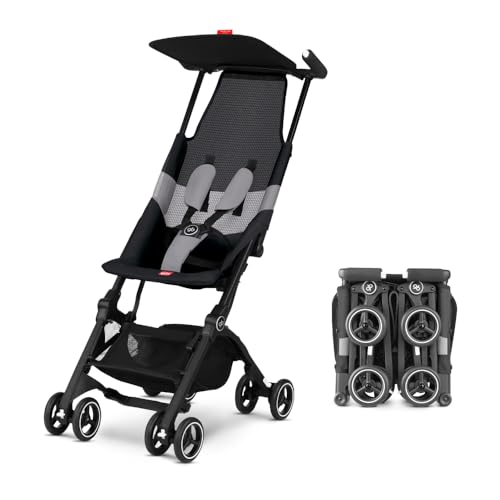
Your own stroller goes everywhere with you, has the features your child is used to, reclines for naps, and stores your bags. A compact travel stroller is ideal — it folds small enough for the bus or monorail, handles well on the park paths, and has a good canopy for sun and rain.
Stroller Parking and Theft Prevention
Theme parks have designated stroller parking areas outside every ride and attraction. You park your stroller, go on the ride, and come back to it. Two things to know:
Strollers get moved. Disney cast members regularly reorganize stroller parking areas when they get crowded. Your stroller may not be where you left it. It will be in the general area, but you might spend a few minutes looking. This is normal and not theft.
Stroller theft does happen. It is rare, but it happens, especially with popular strollers. To prevent it:
- Tie a distinctive ribbon, bandana, or luggage tag to the handlebar so you can spot yours quickly in a sea of identical strollers
- Do not leave valuables in the stroller basket while you are on a ride — bring your bag with you or have one parent stay with the stroller
- Consider a small stroller lock (a bicycle cable lock works) that attaches your stroller to a post or fence in the parking area
Stroller-Friendly Tips by Park
Disney Magic Kingdom: Very stroller-friendly. Paths are wide, stroller parking is well-organized, and the monorail and ferry accommodate strollers easily. You will need to fold for buses.
Disney Hollywood Studios, EPCOT, Animal Kingdom: All stroller-friendly with good parking areas. Animal Kingdom's paths through Pandora and the safari area are narrower but manageable.
Universal Orlando: Stroller-friendly but slightly less spacious than Disney. The Hogwarts Express between parks requires folding your stroller. Some areas of the Wizarding World are narrow and crowded.
If you are flying to the park, a stroller travel bag protects your stroller during the flight so it arrives ready to use.
The Ride-by-Ride Guide for Toddlers
This is the information every parent actually wants: which rides can my toddler go on, and which ones will they enjoy?
Height Requirements: The Reality Check
Most theme park rides have a minimum height requirement, typically 32 inches (81 cm), 36 inches (91 cm), 40 inches (102 cm), or 44 inches (112 cm). The average 2-year-old is about 34 inches tall. The average 3-year-old is about 37 inches. The average 4-year-old is about 40 inches.
This means a 2-year-old can ride attractions with no height requirement and some with a 32-inch minimum. A 3-year-old adds a few more options. A 4-year-old opens up significantly more.
Measure your child at home before the trip (without shoes, standing against a wall). Know exactly what their height qualifies them for. Nothing is worse than waiting in line for 30 minutes to find out your child is half an inch too short at the front of the queue.
Disney Magic Kingdom — Best Rides for Toddlers
No height requirement (any age can ride):
- Buzz Lightyear's Space Ranger Spin — interactive, not scary, toddlers love the spinning and the light guns
- "it's a small world" — the classic. Gentle boat ride, music, colorful characters. Most toddlers are mesmerized
- Pirates of the Caribbean — dark ride with some drops in the dark. Some toddlers love it; others find the dark sections scary. Know your child.
- The Haunted Mansion — surprisingly gentle as a ride, but the dark atmosphere and ghost effects scare many toddlers. Wait until age 3 or 4 unless your child handles spooky themes well.
- Jungle Cruise — boat ride, funny narration, animatronic animals. Great for toddlers who like animals.
- The Many Adventures of Winnie the Pooh — perfect for toddlers. Gentle, colorful, familiar characters.
- Peter Pan's Flight — absolutely wonderful for toddlers but has some of the longest waits in the park (60+ minutes midday). Rope drop this one.
- Carousel of Progress — a theater show on a rotating platform. Toddlers have mixed reactions; some love the movement, others get bored.
- The Tomorrowland Speedway — 32-inch minimum to ride as a passenger. Toddlers love the cars even though they cannot steer.
- Dumbo the Flying Elephant — 0-inch height requirement. The quintessential toddler ride. They control how high the elephant goes. Expect a long wait unless you do it at rope drop.
36-inch minimum:
- Tron Lightcycle Run — this is a roller coaster and too intense for most toddlers even if they meet the height requirement
Most toddlers' favorites at Magic Kingdom: Dumbo, the carousel, Buzz Lightyear, "it's a small world," and the train around the park (the Walt Disney World Railroad, which has no height requirement and is a great way to rest tired legs).
Universal Islands of Adventure — Best Rides for Toddlers
Seuss Landing is designed specifically for young children and is the single best area of any major theme park for toddlers. Every ride is toddler-appropriate:
- The Cat in the Hat — dark ride, gentle, fun. No height requirement.
- One Fish Two Fish Red Fish Blue Fish — similar to Dumbo. Toddlers control the height. No height requirement.
- Caro-Seuss-el — a carousel with Seuss characters. No height requirement.
- If I Ran the Zoo — an interactive play area where toddlers can explore, climb, and spray water.
Outside Seuss Landing:
- Hogwarts Express (to Universal Studios) — no height requirement. The train ride itself is a mild attraction with window effects.
- Jurassic World VelociCoaster — 51-inch minimum, so not relevant for toddlers, but the Jurassic Park area has a great play area and the Discovery Center is interactive.
Rides That Scare Most Toddlers
Avoid these unless your child specifically handles dark, loud, or fast environments well:
- Any roller coaster
- Haunted Mansion (at Disney) — dark, ghost effects
- Expedition Everest (at Animal Kingdom) — loud, dark, backward section
- Tower of Terror (at Hollywood Studios) — drops in the dark with loud sound effects
- Any simulator ride (they are bumpy, dark, and disorienting for small children)
- Most 3D shows (the glasses are uncomfortable and the effects can be startling)
Rider Swap (Child Swap)
This is the system that makes theme parks work for parents with toddlers. When a ride has a height requirement your child does not meet, you do not have to skip it entirely.
How it works at Disney: Go to the ride entrance as a family. Tell the cast member at the entrance that you would like to use Rider Swap. Parent A rides the attraction while Parent B waits with the child in a designated waiting area (usually air-conditioned). When Parent A finishes, they swap — Parent B rides the attraction using a return pass, skipping the regular line. Some rides allow Parent B to bring additional guests on their return ride.
How it works at Universal: Similar system called Child Swap. One parent waits with the child in a child swap room (most are themed and have seating and sometimes screens showing the ride footage). When the riding parent finishes, they swap.
This is genuinely the best perk at theme parks for parents of toddlers. You both get to ride the big rides, and the child is never alone. Use it for every ride with a height requirement.
Character Meets: Strategy and Expectations
Scheduling vs Walk-Up Characters
At Disney parks, some character meets are scheduled (characters appear at specific locations at specific times, often with long waits) and others are walk-up (characters roam the park and you encounter them randomly).
For toddlers, walk-up characters are generally better. There is no wait, the encounter is casual, and if your child gets scared, you can simply walk away. Scheduled character meets with 30 to 45 minute waits are difficult with a toddler — and there is nothing worse than waiting in line for 40 minutes only to have your toddler scream and refuse to go near the character.
The Fear Factor
Costumed characters are, from a toddler's perspective, giant unfamiliar creatures approaching them. Many toddlers who love Mickey Mouse on the television screen are terrified of the 6-foot costumed version in person. This is completely normal and not a failure of the trip.
Strategies for character shy toddlers:
- Start with "face characters" — characters like princesses, Peter Pan, or Mary Poppins who are real people in costumes, not wearing masks or full-body suits. These are less intimidating.
- Let your child observe from a distance first. Watch other children interact with the character before approaching.
- Do not force it. If your child says no, respect it. You can try again later in the trip — many toddlers warm up after seeing characters multiple times from a safe distance.
- Meet characters in smaller, less overwhelming environments. Character dining (where characters come to your table) can be less intimidating than a formal meet-and-greet because your child is seated, eating, and comfortable.
Character Dining
Character dining is a meal where costumed characters walk around the restaurant, visit each table, and interact with children. At Disney World, popular options include Chef Mickey's, Cinderella's Royal Table, and Tusker House.
Pros for toddlers: The child is in a chair, eating, and comfortable. Characters come to them rather than the child having to approach a character in an overwhelming environment. Photos happen naturally. The food is usually a buffet, which means options for picky eaters.
Cons for toddlers: These meals are expensive ($30 to $60+ per adult, children under 3 are sometimes free). The characters can still be frightening up close. The restaurants are loud. If your toddler melts down, you are committed to a sit-down meal you have already paid for.
Our recommendation: Book one character meal early in the trip. If your child loves it, book another. If they hate it, you have saved money by not booking three.
Dining Tips for Theme Park Days
Theme park food is expensive, not always toddler-friendly, and the dining logistics add complexity to an already complex day.
Eating Strategy
Breakfast before the park. Eat at the hotel or bring food to eat in the car or stroller on the way. Do not waste prime low-crowd morning time sitting in a park restaurant.
Mid-morning snack from your bag. Pack snacks, always. Pouches, crackers, fruit, granola bars. Theme park snack prices are absurd, and the options are primarily sugar and salt. Having your own snacks means you can refuel the toddler without leaving a ride queue or detouring to a food stand.
Lunch during the mid-day break at the hotel, if you are following the break strategy. If eating in the park, quick-service (counter-service) restaurants are far better than sit-down restaurants with a toddler. You order, you get food, you sit, you eat, you leave. Total time: 25 minutes. A sit-down restaurant involves waiting to be seated, waiting for a server, waiting for food, and waiting for the check — easily 60 to 90 minutes during which your toddler has exhausted the entertainment value of the crayon packet and is now dismantling the salt shaker.
Bring an insulated bag with milk, water, and perishable snacks. Theme parks allow outside food and non-alcoholic drinks (check specific park policies, but Disney and Universal both allow it). A small soft cooler that fits under the stroller is sufficient.
If your child is still in a high chair phase, most theme park restaurants have high chairs available. They are the standard restaurant variety — not great, but functional. If your child does better in a portable seat you bring from home, our travel high chairs roundup has clip-on and booster options that fit in a diaper bag.
Managing Naps and Meltdowns
The Stroller Nap
If your child naps in a stroller at home, they can nap in a stroller at the park. The key factors:
- Recline the stroller fully
- Put the canopy down and drape a muslin blanket over the front for darkness (leave airflow gaps)
- Turn on a portable white noise machine clipped to the stroller
- Walk slowly through a quieter area of the park (EPCOT's World Showcase, the paths between lands at Magic Kingdom, the waterfront areas at Universal)
Some children will nap for 60 to 90 minutes in a stroller in the middle of a theme park. Others cannot fall asleep with the stimulation. Know your child and plan accordingly. Our travel sleep accessories roundup has portable sound machines and stroller-compatible accessories that help create a sleep-friendly environment.
Meltdown Prevention
Theme park meltdowns are not a matter of "if" but "when." The environment is a perfect storm of overstimulation, disrupted routine, heat, sugar, and exhaustion. Your goal is not to prevent all meltdowns — it is to minimize their frequency and recover from them quickly.
Prevention strategies:
- Respect the nap. This is the foundation. A well-rested toddler can handle stimulation. An overtired toddler cannot handle anything.
- Feed before they are hungry. Toddlers do not always recognize or communicate hunger until they are already in a mood. Offer snacks proactively every 60 to 90 minutes.
- Hydrate constantly. Dehydration causes irritability before it causes thirst, especially in the Florida heat.
- Build in low-stimulation breaks. After 2 to 3 rides or attractions, take a break. Sit on a bench, eat a snack, watch people walk by. Not every minute needs to be an activity.
- Watch for the warning signs. Rubbing eyes, getting clingy, whining about things they would normally tolerate, refusing food — these are pre-meltdown signals. When you see them, shift to rest mode immediately.
When the meltdown happens:
- Remove the child from the immediate stimulation. Step to the side, find a bench, go into a shop (they are air-conditioned and quieter).
- Do not try to reason, negotiate, or redirect immediately. Let the storm pass for a minute.
- Offer water and a snack. Many meltdowns have a physical component — hunger, thirst, heat — that a snack break can address.
- If the meltdown is fatigue-based, it is time for a nap or time to leave. No ride is worth pushing through a tired toddler's breaking point.
Nobody at the theme park is judging you. Every parent there has been through the same thing. Cast members at Disney are specifically trained to help families with melting-down children. Do not be afraid to ask for help.
What to Pack for a Theme Park Day
Your theme park day bag should be a backpack (not a shoulder bag — you need your hands free), and it should contain:
Essentials:
- Diapers and wipes (6+ diapers for a full day)
- Change of clothes for the toddler (they will get wet, spilled on, or both)
- Sunscreen SPF 50+ and a face stick for reapplication
- Portable fan (clip-on, battery operated, for the stroller)
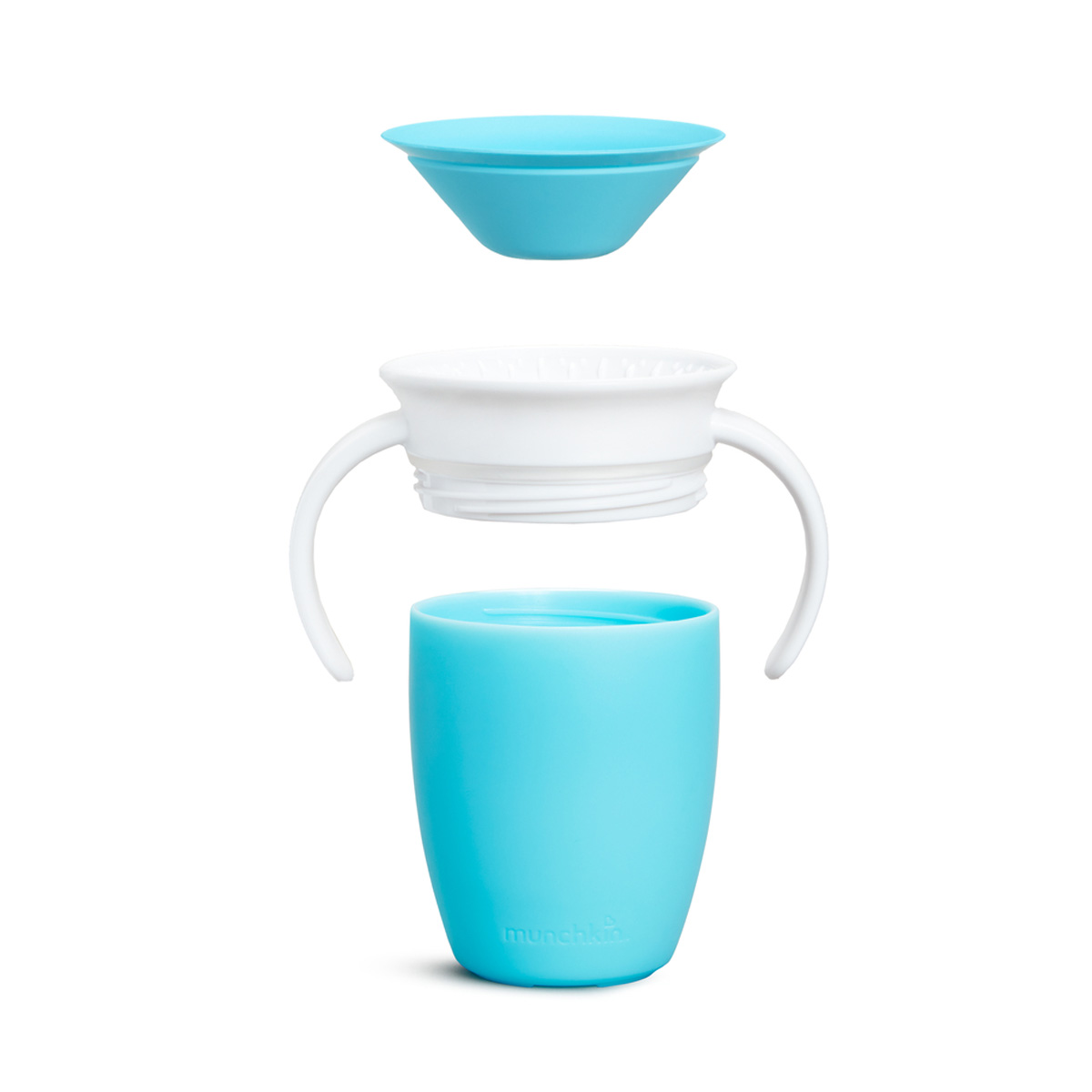
- Refillable water bottle for you and a straw cup for the toddler (all parks have free water fountains and quick-service restaurants will give you free ice water)
- Snacks — more than you think you need
- A lightweight rain poncho for the toddler (afternoon storms in Florida are daily in summer; theme park ponchos cost $15 each)
- Phone charger / portable battery pack
Comfort and entertainment:
- A small blanket or lovey for naps and comfort
- Portable white noise machine
- 2 to 3 small toys or activities for waits — sticker books, a small figure, a coloring pad. Our travel toys and activities roundup has options sized for a backpack pocket.
- A tablet with downloaded shows as the emergency nuclear option for long waits or meltdown recovery (no shame — it is a tool)
Nice to have:
- Autograph book and thick marker (characters can sign, and many toddlers enjoy the book even if they do not understand autographs yet)
- Glow sticks or light-up toy for evening visits (cheaper to bring than to buy at the park)
- Plastic zip-lock bags for wet clothes, half-eaten snacks, and miscellaneous containment
Do not bring too much. The backpack gets heavy fast, and you are carrying it for 8+ hours. Our packing organizers roundup has small packing cubes that keep the backpack organized so you are not digging through it at every stop.
Avoiding the Most Common Mistakes
Mistake 1: Booking Too Many Days
Three full park days with a toddler is a lot. Four is usually too many. Toddlers (and parents) hit a wall around day 3 where the magic wears off and the exhaustion takes over. Build in rest days, pool days, and non-park activities. A resort pool day is often a toddler's favorite day of the whole trip.
Mistake 2: Following the Adult Itinerary
Your childless friends did 7 rides before lunch, ate at the sit-down restaurant, watched the parade, met 4 characters, and stayed for fireworks. That is not your trip. Your trip is 3 rides, a snack, an encounter with a duck, nap time, 2 more rides, and an early dinner. It is a different trip. It is not a lesser trip.
Mistake 3: Skipping the Mid-Day Break to "Get Your Money's Worth"
Ticket prices create a powerful psychological pressure to stay in the park every possible minute. But a toddler who naps from 1 to 3 PM and returns refreshed will ride more rides, enjoy more experiences, and last until evening. A toddler who skips the nap will melt down at 2 PM and you will leave the park by 3 PM anyway — exhausted, frustrated, and having paid the same ticket price for a worse experience.
Mistake 4: Buying the $25 Toy at the First Gift Shop
Theme parks are designed to make you spend money, and gift shops are placed strategically at the exit of every ride. Your toddler will want everything. If you buy the first thing they want, you will be buying something at every shop for the rest of the day.
Strategy: tell your child they can pick one special thing at the end of the day. For toddlers too young to understand this concept, simply redirect and keep moving. If they have a meltdown about a toy, it is almost never actually about the toy — it is about overstimulation and fatigue.
Mistake 5: Forcing the Character Meet
Your child screaming in a photo with Mickey Mouse is not a magical memory. It is a photo of a traumatized toddler. If your child does not want to meet the character, that is okay. Try again tomorrow, or try a different character, or skip it entirely. The characters will exist in movies and shows long after the park trip. There is no urgency.
A Sample Theme Park Day Schedule
Here is what a well-paced day at Disney's Magic Kingdom looks like with a 2-year-old:
6:30 AM — Wake up at the hotel. Dress, sunscreen, breakfast in the room.
7:15 AM — Head to the park. Stroller loaded with the day bag.
7:45 AM — Arrive at park entrance. Wait for rope drop.
8:00 AM — Park opens. Head directly to Fantasyland.
8:05 AM — Ride Peter Pan's Flight (5-minute wait at rope drop vs 60+ minutes later).
8:25 AM — Ride "it's a small world" (walk-on).
8:50 AM — Ride Dumbo (10-minute wait). The indoor play area while you wait is a bonus.
9:15 AM — Snack break on a bench. Refill water.
9:30 AM — Walk to Tomorrowland. Ride Buzz Lightyear's Space Ranger Spin.
10:00 AM — Ride the Tomorrowland Speedway (if height allows) or the PeopleMover (a great calm ride with no wait).
10:30 AM — Walk-up character encounter if you happen to see one. No waiting in line — just a quick hello.
10:45 AM — Ride the Walt Disney World Railroad to Frontierland. This is transportation and attraction in one.
11:00 AM — Quick-service lunch (Pecos Bill Tall Tale Inn has reasonable toddler options).
11:45 AM — Head to the park exit. Bus or monorail back to the hotel.
12:30 PM — Arrive at hotel. Nap time.
2:30 PM — Wake up. Pool time if the hotel has a pool (this is often the toddler's highlight).
4:00 PM — Re-apply sunscreen. Reload the snack bag. Head back to the park.
4:30 PM — Arrive at the park. Evening crowds are building but the intense midday rush is easing.
4:45 PM — Ride the Jungle Cruise. Ride The Many Adventures of Winnie the Pooh.
5:30 PM — Snack or early dinner (quick-service).
6:00 PM — Explore. Walk through the shops on Main Street. Watch the Castle lighting. Let the toddler set the pace.
6:45 PM — Head to the exit. The toddler is tired, happy, and covered in ice cream.
7:15 PM — Back at the hotel. Bath, pajamas, bedtime.
7:45 PM — The toddler is asleep. You have the evening to yourself.
Total rides: 6 to 7. Total character encounters: 1 to 2. Total meltdowns: maybe 1, and it was short because you caught it early. Total cost: do not think about it. Total magic: plenty.
Making It Worth It
Theme parks with toddlers are expensive, exhausting, and nothing like the experience you remember from your own childhood or your pre-kid visits. They are also uniquely wonderful in ways you cannot predict. The look on a two-year-old's face when they see their favorite character for the first time. The belly laugh on a carousel. The way they talk about "the castle" for months afterward.
Lower the bar on what the day "should" look like. Follow your child's lead. Take the mid-day break. Pack the snacks. Bring the stroller. Expect the meltdown and do not let it ruin the day.
And if they end up spending 35 minutes in a puddle, sit down next to them and enjoy the puddle. That might be the best part of the whole trip.
For getting to the park, our flying with a toddler guide covers the flight, and our road trip survival guide handles the drive. For keeping the hotel room safe, check our baby-proofing checklist. And for the gear that makes it all work — strollers that handle park paths, car seats for the rental car, carriers for when the stroller will not cut it — browse our travel strollers, car seats, and baby carriers roundups.
Products Mentioned
gb
gb Pockit Air All-Terrain Ultra Compact Travel Stroller
Read review →

Baby Bum
Baby Bum SPF 50 Sunscreen Lotion, Mineral UVA/UVB Protection, Travel Size
Read review →
Osprey
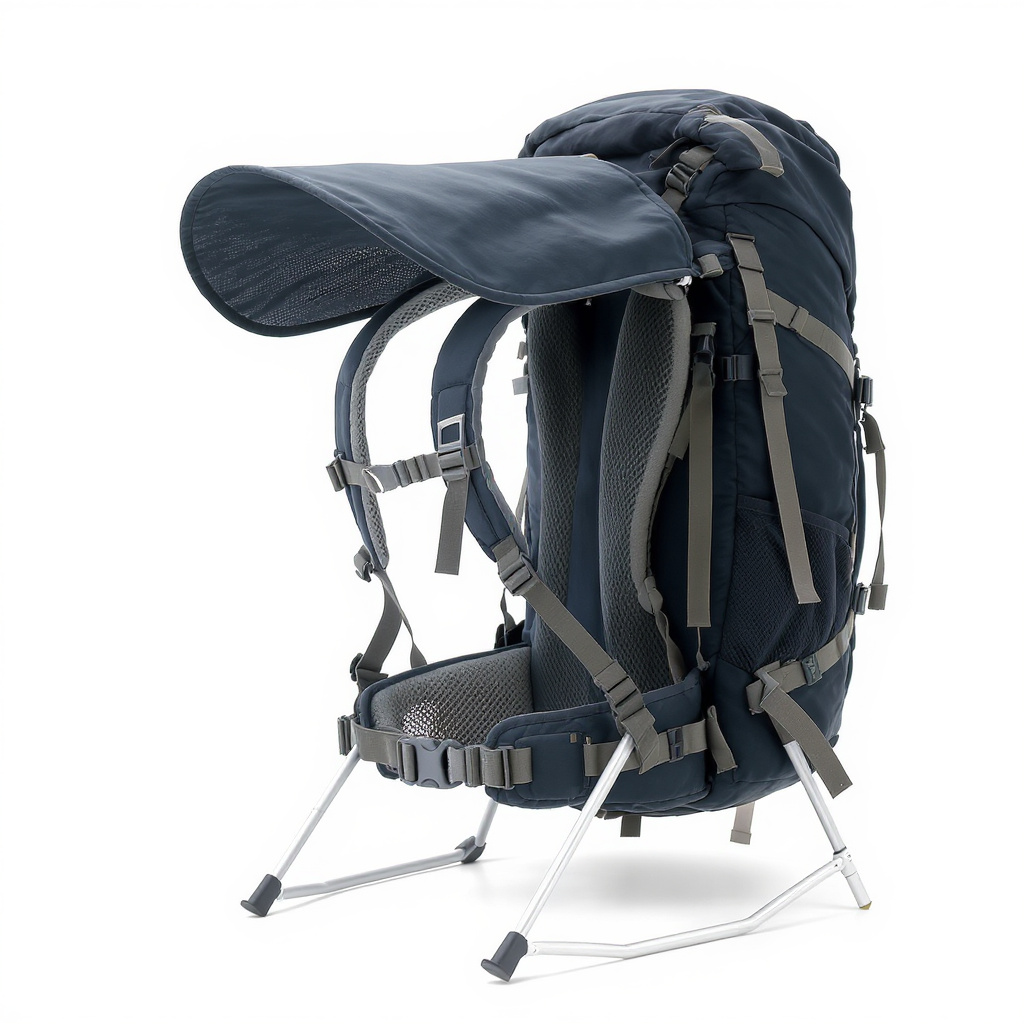
Osprey Poco Child Carrier Backpack - Adjustable Travel Baby Carrier with Sunshade
Read review →
Munchkin
Munchkin Miracle 360 Sippy Cups, 10 oz, 2 Pack, Spill Proof
Read review →
Accmor
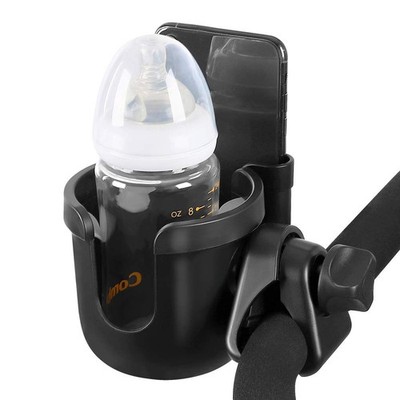
Accmor Universal Stroller Organizer with Insulated Cup Holder, Detachable Phone Bag and Shoulder Strap
Read review →
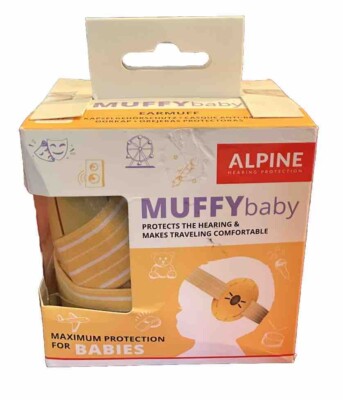
Alpine
Alpine Muffy Baby Ear Protection for Babies and Toddlers up to 36 Months, CE & ANSI Certified
Read review →
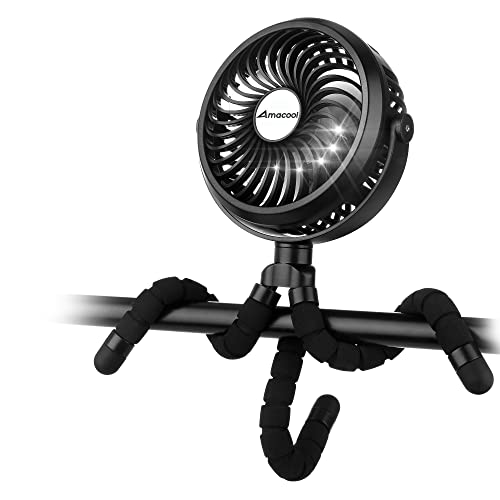
AMACOOL
AMACOOL Rechargeable Clip-On Stroller Fan
Read review →
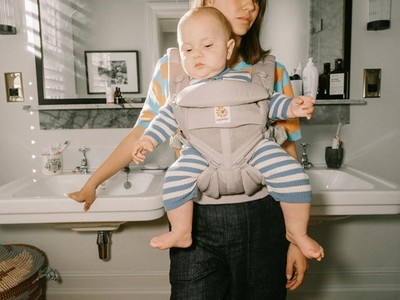
Ergobaby
Ergobaby Omni Classic Baby Carrier for Newborn to Toddlers 0-48 Months
Read review →
Related Content

Beach Vacation with a Toddler: The Complete Parent's Guide (2026)
Complete guide to beach vacations with a toddler — sun safety, gear essentials, water safety by age, sand management, and real strategies.

Camping with a Toddler: The Complete Parent's Guide (2026)
Complete guide to camping with a toddler — campsite selection, sleep setup, safety, gear lists, meal planning, and outdoor entertainment.
Cruising with a Toddler: The Complete Parent's Guide (2026)
Everything parents need to know about taking a cruise with a toddler — cruise line comparisons, cabin strategy, dining, port days, pool access, and packing.