Camping with a Toddler: The Complete Parent's Guide (2026)
Complete guide to camping with a toddler — campsite selection, sleep setup, safety, gear lists, meal planning, and outdoor entertainment.
The first hour of a first camping trip with a toddler is almost entirely spent on hazard management: the fire pit, the sharp corners of the picnic table, the neighbouring site's belongings, and whatever the child has found on the ground. Plan the site setup around that hour rather than being surprised by it, and the rest of the weekend goes considerably better.
By 7 PM, she was filthy. By 7:30, she was exhausted. By 8 PM, she was asleep in the travel crib wedged into the corner of our tent, and we were sitting outside in camp chairs, listening to crickets, watching the fire, and feeling like actual outdoor parents for the first time since she was born.
A first camping trip with a toddler will not be perfect, and it helps to expect that. Birds and a bright tent produce a 5:15 AM wake-up. Appetite narrows to crackers and fruit for a day or two. There will be at least one fall hard enough to need a change of clothes. What parents consistently report alongside all of that is the other half: fireflies, a creek, squirrels, and a child falling asleep to real sounds instead of a white noise machine.
Camping with a toddler is not the same as camping without one. It requires more gear, more planning, more vigilance, and more flexibility. But it is also one of the most rewarding outdoor experiences you can have as a family, and the barrier to entry is lower than most parents think. You do not need to be an experienced backpacker. You do not need thousands of dollars in gear. You need a campsite, a tent, some preparation, and the willingness to let things be a little messy.
This guide covers everything — from choosing the right campsite and setting up for sleep to campfire safety, meal planning, entertainment, and what to do when the weather turns.
When Is the Right Age for a First Camping Trip?
There is no universal "right age" — we know families who have camped with 3-month-olds and families who waited until age 4. But there are practical considerations for different ages.
Babies (3 to 12 months)
Camping with a baby is actually simpler than camping with a toddler in some ways. Babies are not mobile, so you are not chasing them. They sleep a lot, and they can nap in a carrier or car seat while you set up camp. If you are breastfeeding, food logistics are minimal.
The challenges: temperature regulation is harder for small babies, sleep can be disrupted by the unfamiliar environment, and you need to bring more gear (travel crib, feeding supplies, extra layers). We recommend waiting until at least 3 months, when nighttime sleep is starting to consolidate and temperature regulation is more reliable.
Young Toddlers (12 to 24 months)
This is the most gear-intensive age for camping. Your child is mobile but has zero judgment about hazards. They will walk directly into a fire pit, eat dirt, and attempt to befriend every insect. You need eyes on them every second they are awake.
The upside: this age is genuinely enchanted by nature. Everything is new and fascinating. A pinecone is the greatest toy ever invented. The wonder on a 16-month-old's face watching a campfire for the first time is worth every logistical headache.
Older Toddlers (2 to 4 years)
This is the sweet spot for many families. Kids this age can follow basic safety rules ("We do not go near the fire"), they can communicate what they need, they can walk on trails, and they have enough attention span to enjoy activities like fishing, rock collecting, or marshmallow roasting. They still need constant supervision around water and fire, but they are starting to understand boundaries.
The "Practice Run" Approach
If you have never camped with your child, we strongly recommend a practice run before committing to a multi-night trip. Options:
Backyard camping. Set up the tent in your yard, do the full routine — dinner outside, campfire or fire pit if you have one, sleep in the tent. If it falls apart at 2 AM, your real bed is 30 feet away.
One-night trip close to home. Pick a campground within an hour of home. Arrive in the afternoon, spend one night, leave the next morning. If it goes badly, you are not far from home. If it goes well, you know you are ready for more.
Choosing Your Campsite
Campsite selection is the foundation of a successful camping trip with a toddler. The right site makes everything easier; the wrong one creates problems you cannot solve with gear or planning.
Car Camping vs Backcountry: The Honest Assessment
Let us be direct: if this is your first time camping with a toddler, car camp. Car camping means you drive to your campsite and your car is right there, which means:
- You can bring as much gear as you need without worrying about weight
- You have a climate-controlled backup if the weather turns
- You can leave quickly if something goes wrong
- The car works as a changing station, feeding station, and emergency nap pod
Backcountry camping with a toddler is possible but requires significant experience, fitness, and planning. You are carrying everything on your back plus managing a child on the trail. We recommend at least a full season of car camping with your toddler before considering backcountry trips, and even then, keep distances short (2 to 3 miles in) and choose well-maintained trails.
What to Look for in a Campsite
Proximity to bathrooms. With a toddler in diapers, this matters less. With a potty-training toddler, it matters enormously. Being within a 2-minute walk of a restroom can be the difference between a successful trip and a stressful one. Many campgrounds list restroom locations on their maps — check before you book.
Flat ground. You need flat ground for the tent (obviously), but also for your toddler to play. A campsite on a slope means your child is constantly wandering downhill and you are constantly retrieving them.
Natural boundaries. The ideal toddler campsite has some natural containment — trees, bushes, or gentle terrain features that discourage your child from wandering into neighboring sites or toward the road. A site that opens directly onto a road or a steep embankment is a constant stress point.
Distance from water. Being near a lake or stream is lovely. Being too near with a toddler is dangerous. Choose a site that requires a deliberate walk to reach the water rather than one where your child could toddle there unsupervised in 30 seconds.
Shade. Toddlers overheat faster than adults. A campsite with afternoon shade keeps your tent cooler for naps and gives everyone relief on hot days.
Site size. Bigger is better with a toddler. You need room for the tent, a cooking area safely separated from the play area, a fire ring, and enough space for your child to move around without being in someone else's site.
Campground Amenities That Matter
Not all campgrounds are created equal. For toddler camping, look for:
- Flush toilets (vault toilets work, but they are dark and often scary for small children)
- Running water (for washing hands, dishes, and the endless stream of dirt-covered items)
- A camp store or nearby town (because you will forget something)
- Family-friendly atmosphere (some campgrounds cater to parties and late-night noise — check reviews)
- Cell service or at least a ranger station (for emergencies)
- Easy road access (gravel or dirt roads are fine, but deeply rutted 4WD-only roads with a sleeping toddler in the car seat are not)
Booking Strategy
For popular campgrounds, especially state and national parks, book early. Many sites open reservations 6 months in advance and fill up within hours for peak weekends. Weekday trips are easier to book, less crowded, and quieter — ideal for a first camping trip with a toddler.
When selecting a specific site, look at the campground map online. Sites at the end of loops or in cul-de-sacs tend to have less through-traffic. Sites near the playground (if the campground has one) are convenient but can be noisier.
Essential Camping Gear for Toddlers
Car camping with a toddler requires more gear than camping without one, but the list is finite and most of it serves double duty.
Shelter and Sleep
A family-size tent. If you had a 2-person tent before kids, you need to upgrade. A 4-person tent is the minimum for two adults and a toddler, and a 6-person tent is much more comfortable. You need room for the travel crib, your sleeping setup, and space to change diapers and wrangle a child into pajamas without elbowing each other.
Look for a tent with:
- A full-coverage rainfly (essential for unexpected weather)
- A vestibule or awning (gives you covered space outside the tent for shoes and gear)
- Good ventilation (condensation is real, and a humid tent is miserable)
- A bathtub-style floor (prevents water from seeping in through the ground)
- Easy setup (you will be setting this up while also watching a toddler)
A travel crib. Yes, in the tent. A travel crib gives your toddler a safe, contained sleep space and prevents them from crawling around the tent at night, unzipping the door, and wandering into the wilderness at 3 AM. This actually happens — toddlers who can unzip tent doors have escaped in the middle of the night. A travel crib is a safety measure as much as a sleep solution. Check our portable travel crib roundup for options that fit in a tent.
Measure your tent interior before the trip to confirm the travel crib fits with enough room for your sleeping setup. Most standard travel cribs (like the Guava Lotus or the Munchkin Ultra-Lite) fit comfortably in a 6-person tent with room to spare.
Sleeping pads and bags for adults. Your comfort matters too. Exhausted parents make worse decisions. Invest in decent sleeping pads — the difference between a foam pad and a self-inflating pad is the difference between sleeping and lying on the ground wishing you were dead.
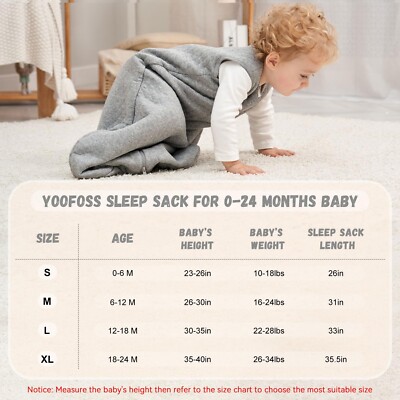
Warm sleep layers for the toddler. Nighttime temperatures at campgrounds can drop significantly, even in summer. Dress your toddler in thermal pajamas and a warm sleep sack. A fleece sleep sack over regular pajamas handles most three-season camping nights. For colder weather, wool base layers under the sleep sack keep body heat in.
Safety Gear
A first aid kit. Stock it with: adhesive bandages (lots of them — toddlers find this endlessly fascinating and will request a bandage for every micro-scratch), antiseptic wipes, antibiotic ointment, children's pain reliever (acetaminophen and ibuprofen), tweezers for splinters and ticks, hydrocortisone cream for bug bites, sunscreen, and any prescription medications your child takes.
Bug protection. More on this in the safety section below, but at minimum you need: insect repellent appropriate for your child's age, a mosquito net for the travel crib if mosquitoes are heavy, and long sleeves and pants for dawn and dusk.
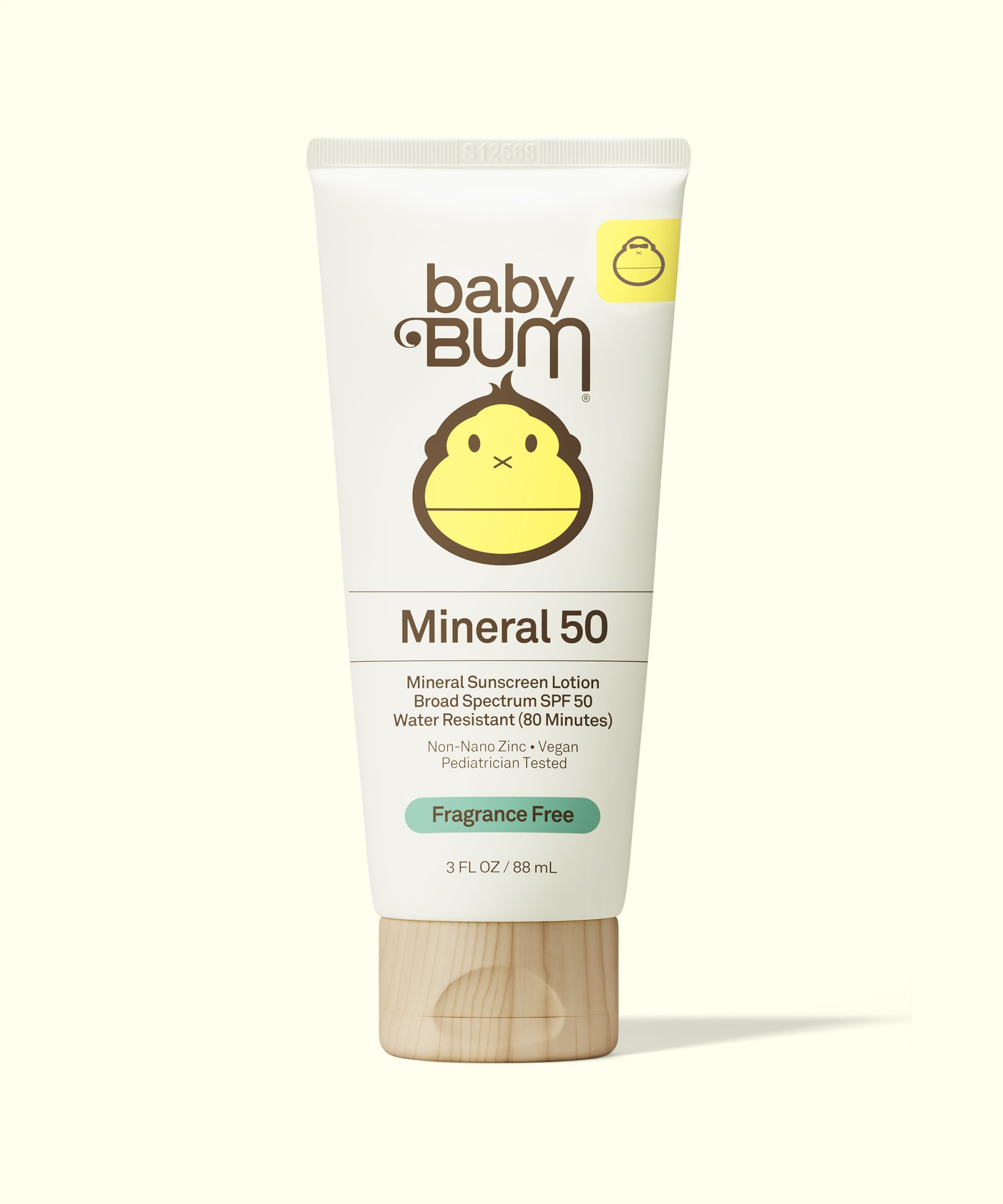
Sunscreen and sun hats. Toddlers burn faster than adults. Apply SPF 50+ sunscreen 30 minutes before sun exposure and reapply every 2 hours or after water play. A wide-brim sun hat protects the face and neck.
A headlamp. For nighttime diaper changes, bathroom trips, and the inevitable 2 AM "something woke the toddler" situation. Get one with a red light mode that does not destroy night vision or fully wake up your child.
Feeding and Cooking Gear
A portable high chair or booster seat. Campground picnic tables are too tall and too hazardous for a toddler to sit at unsecured. A travel high chair that clips to the table or straps to a bench keeps your child safe and at eating height. This is the same gear you would bring to a restaurant — it does double duty beautifully.
A camp stove. Cooking over a campfire is romantic but slow and unpredictable. A two-burner camp stove lets you boil water, heat food, and cook meals on a reliable, controllable flame. This is especially important when you have a hungry, impatient toddler who cannot wait 45 minutes for the fire to produce coals.
Easy-clean dishes. Bring a few toddler plates and bowls from home that are easy to wash. Silicone plates and bowls work well — they are light, unbreakable, and dry quickly.
A water jug. Even if your campsite has water access, a 5-gallon water jug at your site means you are not walking to the spigot every time someone needs a hand wash, a drink, or a face wipe.
Clothing and Layers
The golden rule of toddler camping clothing: bring twice as much as you think you need. Kids get dirty, wet, and muddy at a pace that defies physics. Pack:
- Multiple complete outfits per day (2 to 3 is not excessive)
- Rain gear (a waterproof jacket and rain pants or a full rain suit)
- Warm layers for evening (fleece jacket, warm hat)
- Sturdy closed-toe shoes (no sandals around campfires)
- Rubber boots or water shoes for creek play
- Extra socks (always extra socks)
Sleep Setup and Nighttime Routine
Sleep is the number one concern parents have about camping with a toddler, and for good reason. The environment is radically different from home — different sounds, different light, different temperature, different smells. Everything about a tent at night is unfamiliar.
Setting Up for Success
Location of the travel crib matters. Place it against a tent wall, away from the door. This gives your child a sense of enclosure and prevents them from seeing the door (and wanting to escape through it). If you can position the crib so your child can see you from it, that helps with any separation anxiety.
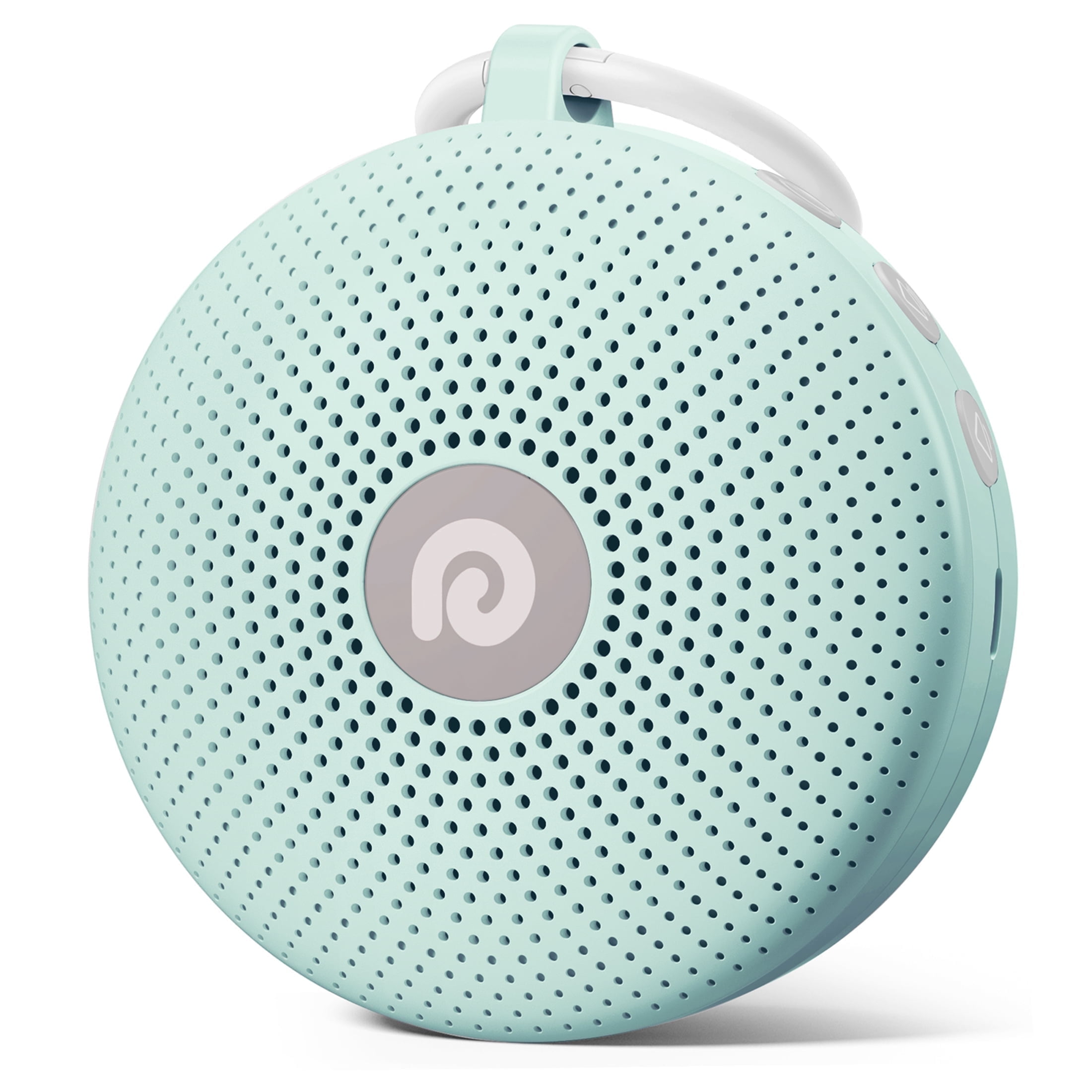
Bring sleep cues from home. The sleep sack, the lovey, the white noise machine — all of it. Our travel sleep accessories roundup includes portable white noise machines that run on batteries, which is essential for camping since you may not have power. The white noise also masks unfamiliar nighttime sounds — owls, wind, other campers — that would otherwise wake your child.
Manage light. Summer camping often means the sun does not set until 8:30 or 9:00 PM, and it rises by 5:30 AM. A tent lets in a lot of light. Solutions:
- Choose a campsite with tree cover that provides natural shade in the morning
- Drape a dark blanket or towel over the side of the tent where morning sun hits
- A SlumberPod or sleep canopy around the travel crib creates darkness regardless of tent conditions
- Accept that early mornings are part of camping — your toddler will likely wake with the light, and that is okay
Temperature management. Tents can be cold at night and hot in the morning. Dress your toddler in layers you can adjust without fully waking them. A zip-front sleep sack over warm pajamas lets you unzip if they get too warm without a full disruption.
The Nighttime Routine
Maintain as much of your home bedtime routine as possible. This is the single most effective thing you can do for camping sleep.
A sample camping bedtime routine:
- Dinner at the picnic table (aim for 5:30 to 6:00 PM)
- Post-dinner play around the campsite while there is still light
- Warm wipe-down or bath in a small basin (skip the full bath — a quick wipe of face, hands, and diaper area is fine)
- Pajamas and sleep sack in the tent
- Books — bring 2 to 3 of the bedtime books from home
- White noise on
- Into the travel crib
The more this mirrors your home routine, the stronger the sleep signal. Your toddler's brain registers the sequence — food, play, clean up, pajamas, books, bed — even if the setting is completely different.
Nighttime Wake-Ups
Expect them. At least on the first night, your toddler will probably wake up at least once, disoriented by the unfamiliar environment. Stay calm. Offer comfort without taking them out of the crib if possible — a hand on their back, quiet shushing, a sip of water. Most kids settle back down within 10 to 15 minutes.
If your child will not settle, take them out and hold them quietly. Do not turn on lights, do not leave the tent, do not start activities. Keep the signal clear: it is nighttime, we are sleeping. They will eventually get drowsy again.
The 5 AM problem. When birds start singing and light hits the tent, most toddlers decide it is morning. You have two options: fight it (darken the tent, white noise up, try to buy another hour) or embrace it (get up, make coffee, enjoy the quiet morning). We have done both. The early mornings are actually some of the nicest hours at a campsite — cool air, misty light, wildlife active. It is not the worst thing to be up early when you are surrounded by nature.
Campfire and Outdoor Safety
A campsite presents hazards that do not exist at home. You cannot eliminate all risk, but you can manage it thoughtfully.
Campfire Safety
The campfire is the single biggest hazard at a campsite for a toddler. Burns happen fast and they are serious.
Rules that are non-negotiable:
- Establish a clear physical boundary around the fire pit. We use camp chairs arranged in a semicircle with the open side away from the toddler's play area. The chairs create a visual and physical barrier.
- An adult is always between the toddler and the fire. Always. Not "usually" — always.
- Teach the "hot" concept relentlessly. Even 12-month-olds can start learning "hot" when you hold their hand near (not touching) a warm surface and say the word firmly.
- No running near the fire pit. Trips and falls near fire are how burns happen.
- Keep a bucket of water or a fire extinguisher within arm's reach. Not just for emergencies but for a quick dousing if embers scatter.
- Toddlers must wear shoes — not sandals, not bare feet — around the campfire area. Hot embers pop out of the fire ring and land on the ground.
After the fire is out, ash and coals stay hot for hours. Do not assume a "dead" fire is safe to touch. Many campfire burns happen the morning after, when kids step into the fire ring or grab what looks like a cold piece of wood.
Bug Protection
Insect repellent guidelines by age:
- Under 2 months: No insect repellent. Use physical barriers only (mosquito nets, long clothing).
- 2 months to 3 years: DEET-based repellents at 10 to 30 percent concentration are considered safe by the AAP. Apply to clothing and exposed skin, avoiding hands (they go in mouths). Apply once per day.
- Picaridin-based repellents are an alternative to DEET and are effective against mosquitoes and ticks.
- Oil of lemon eucalyptus (OLE) is not recommended for children under 3 by the CDC.
Physical protection is your first line of defense. Long sleeves and long pants during dawn and dusk (peak mosquito activity) prevent more bites than repellent alone. Tuck pants into socks for tick-prone areas. A mosquito net draped over the travel crib at night eliminates nighttime biting entirely.
Tick checks are essential. At the end of every day, do a full-body tick check. Check behind ears, along the hairline, in skin folds, around the diaper area, and behind the knees. Ticks on toddlers are common in wooded campgrounds and need to be removed promptly with fine-tipped tweezers. If you find an engorged tick or your child develops a rash or fever after a tick bite, contact your pediatrician.
Wildlife Safety
Food storage: Store all food, coolers, and scented items (sunscreen, bug spray, toothpaste) in your car or in a bear-resistant container when not actively in use. This is not optional in bear country — it is usually a campground regulation. Even in areas without bears, raccoons, squirrels, and other critters will get into unsecured food and create a mess.
Teach respect, not fear. Toddlers want to approach animals. Squirrels, chipmunks, deer — they are all magnets for small children. Teach your child to watch and point, not chase or touch. "We look at the squirrel. We do not touch the squirrel." Repetition is key.
Snakes, spiders, and insects. Teach your child not to reach into holes, under logs, or into rock crevices. Shake out shoes and clothing left outside before putting them on. These are simple habits that prevent unpleasant surprises.
Water Safety
If your campsite is near a lake, stream, or river:
- Your toddler should never be near water without an adult within arm's reach. Not "nearby" — within arm's reach.
- Bring a puddle jumper or coast guard-approved life jacket for any water activity, even shallow creek splashing. Toddlers can drown in inches of water.
- Check current conditions for streams and rivers. Water that looks calm can have strong undercurrents.
- For beach or lake swimming, choose areas with gradual entry and no drop-offs.
Our travel safety roundup includes portable safety gear that works for camping trips too.
Meal Planning and Food Prep
Camping meals with a toddler need to be simple, fast, and reliable. This is not the trip for elaborate camp cooking unless you have another adult managing the toddler full-time while you cook.
The Meal Planning Philosophy
Keep it simple. Your toddler does not care about gourmet campfire cuisine. They want familiar food served at a predictable time. Channel your energy into easy meals that you know your child will eat.
Prep at home. Do as much cutting, portioning, and pre-cooking as possible before you leave. Pre-cut vegetables, pre-marinated meat, pre-mixed pancake batter in a squeeze bottle, pre-portioned snacks. Every minute of prep you do at home is a minute you do not spend at the campsite with one eye on a boiling pot and the other on a toddler.
Embrace repetition. If your toddler will eat peanut butter sandwiches for every lunch, let them. Camping is not the time to expand culinary horizons.
Sample Meal Plan for a 2-Night Trip
Day 1 (arrival day):
- Lunch: Sandwiches and fruit (packed from home, eaten on arrival)
- Dinner: Hot dogs or sausages on the camp stove (fast, easy, almost universally accepted by toddlers), plus steamed veggies or applesauce
Day 2 (full day):
- Breakfast: Pancakes on the camp stove (pre-mixed batter), banana, milk
- Lunch: Quesadillas on the camp stove (cheese and tortillas, done in 5 minutes), cut fruit
- Dinner: Pasta with butter and parmesan (boil water, cook pasta, done), steamed broccoli or peas
Day 3 (departure day):
- Breakfast: Oatmeal packets with berries, yogurt pouches
Food Storage at the Campsite
A quality cooler is essential. Pack it strategically: items you need first on top, items for later days on the bottom. Pre-freeze water bottles to use as ice packs — they double as cold drinking water as they thaw.
Keep the cooler in the shade and limit how often you open it. Every opening lets warm air in. If you have a lot of perishable food, consider two coolers — one for drinks and snacks (opened frequently) and one for meal ingredients (opened only at meal prep time).
For more on feeding kids on the road, our feeding while traveling guide covers snack strategy, food safety, and picky eater tactics in detail.
Activities and Entertainment
Here is the wonderful secret about camping with toddlers: nature is the entertainment. You need far less structured activity than you think.
Nature Play
Rocks and sticks. A toddler can spend 45 minutes with a pile of rocks. Collecting them, sorting them by size, putting them in a bucket, dumping them out, starting over. Sticks are swords, wands, drawing tools in the dirt, and percussion instruments on every available surface. This is not lazy parenting — this is developmentally appropriate, sensory-rich play.
Dirt and mud. Bring a set of "camp clothes" you do not care about and let your child get filthy. Digging in dirt, making mud pies, pouring water into holes — this is the stuff childhood memories are made of. A small plastic shovel and bucket are the only toys you really need.
Water play. A shallow basin or bucket of water at the campsite provides endless entertainment. Add a few cups for pouring, a couple of plastic animals for swimming, and your toddler is occupied for an hour. For creek or lake play, supervise closely and let them splash, throw rocks in the water, and explore the shoreline.
Bug and animal watching. Bring a cheap magnifying glass and watch ants, beetles, and butterflies up close. Point out birds and squirrels. Name them (even made-up names). "Look, there is Gerald the squirrel again." Toddlers eat this up.
Flowers and leaves. Collect leaves and press them between the pages of a book. Pick wildflowers (where permitted) and put them in a cup of water at the picnic table. This is low-effort, high-engagement activity.
Structured Activities
For moments when nature play is not cutting it or you need to keep your toddler contained:
Bubbles. Bring a big bottle. Bubbles work everywhere and never get old for the under-4 crowd.
Chalk. If your campsite has paved surfaces or flat rocks, chalk provides drawing surfaces that nature already cleaned up.
Simple fishing. For older toddlers (3+), a child-sized fishing rod and a patient parent make for a memorable campsite afternoon. You do not need to catch anything. The casting practice alone is exciting enough.
Short hikes. Toddler hiking is not really hiking — it is walking 100 yards, stopping to examine a leaf, walking another 50 yards, sitting on a rock, finding a stick, carrying the stick for 30 seconds, dropping the stick, picking up a different stick. Expect to cover about a quarter mile per hour. Bring a baby carrier for when they are done walking but you are not done with the trail.
Scavenger hunts. For verbal toddlers, create a simple list: "Can you find a pinecone? A red leaf? A smooth rock? Something that makes a sound?" This gives the walk purpose and keeps them engaged.
Campfire time. Older toddlers can participate in supervised marshmallow roasting with an extra-long roasting fork and an adult's hand over theirs. The ritual of campfire time — sitting in a camp chair with a blanket, watching the flames, eating something warm — is often the highlight of the trip for little ones.
For more activity ideas, our travel toys and activities roundup includes compact options that work just as well at a campsite as on an airplane.
Weather and Contingency Plans
Weather is the one variable you cannot control, and with a toddler, bad weather is harder to power through.
Rain Plan
Rain does not have to end a camping trip, but it does change the dynamic significantly.
Shelter options:
- A tarp or canopy over the picnic table area gives you a dry outdoor space for cooking and eating. Set this up on arrival even if rain is not forecasted — afternoon storms appear quickly.
- The car becomes your backup living room. Bring a tablet loaded with shows and some car-friendly activities for true downpour situations.
- Some campgrounds have covered pavilions or common areas where you can hang out during rain.
Wet-weather activities:
- Puddle jumping in rain boots and rain gear (toddlers love this — it is a feature, not a bug)
- "Reading tent" — make the tent into a cozy book nook with blankets and a headlamp
- Drive to a nearby town for lunch at a restaurant or an indoor activity
When to call it: If weather turns severe — lightning, sustained high winds, rapidly dropping temperatures — pack up and leave. This is not a failure. It is good parenting. A campground in a thunderstorm with a toddler is not where you want to be. Have a backup plan (a nearby hotel, a family member's house, or simply home) that you can execute quickly.
Heat and Sun
Hydrate aggressively. Toddlers dehydrate faster than adults. Offer water or diluted juice constantly. If your child will not drink water, freeze some juice boxes before the trip — they thaw throughout the day and are irresistibly appealing.
Schedule around the heat. Plan active outdoor time for morning and late afternoon. Midday heat (11 AM to 3 PM) is rest time — naps in the tent, quiet play in the shade, or a drive to somewhere with air conditioning if the heat is extreme.
Watch for heat-related illness. Red flushed cheeks, crankiness, reduced urination, and lethargy in a toddler can signal overheating or dehydration. Move to shade, offer fluids, and cool them down with wet cloths. If symptoms persist or worsen, seek medical attention.
Cold Weather
Layer, layer, layer. Wool base layers, fleece mid-layers, and a waterproof outer layer. Toddlers lose body heat faster than adults because of their higher surface-area-to-body-mass ratio.
Nighttime warmth. A warm sleep sack, thermal pajamas, and a wool hat (toddlers lose significant heat through their heads) handle most three-season camping nights. If temperatures drop below 40 degrees Fahrenheit, seriously consider whether camping is the right call with a young child. Hypothermia risk is real for small bodies.
Bathroom Logistics
This is the unglamorous section that every camping-with-toddlers guide needs and most leave out.
Diapers
Bring a portable changing pad that you are okay getting dirty. You will be changing diapers on picnic table benches, on the tent floor, and in the back of the car. A wipeable, padded changing pad dedicated to camping is worth having.
Pack out dirty diapers. Bring extra garbage bags and zip-lock bags for sealing dirty diapers. Do not leave them in the campsite trash — animals will get into them, and the smell in warm weather is devastating. Double-bag them and store in a sealed container or the trunk of your car until you can dispose of them properly.
Bring more diapers than you think you need. The outdoor, active nature of camping often means more diaper changes. Extra changes, extra wipes, extra everything.
Potty-Training Toddlers
If your child is potty training, camping adds a layer of complexity. Options:
- A portable potty. A small travel potty at the campsite gives your child an accessible, familiar option without the walk to the campground restroom. Empty and clean it regularly.
- Campground restrooms. Walk the route with your child during daylight so they know the way and are not scared of the facilities. Bring a headlamp or flashlight for nighttime trips.
- Pull-ups for backup. Even if your child is mostly potty trained, consider pull-ups for nighttime and for hikes or activities where a bathroom is not nearby. Camping is not the time to push potty training boundaries.
The Gear Checklist
Here is a consolidated list of everything mentioned in this guide, organized by category. Not everything is required — adapt based on your child's age, the season, and the length of your trip.
Sleep:
- Family-size tent (4 to 6 person)
- Travel crib (measured to fit in tent)
- Sleep sack and warm pajamas
- White noise machine (battery-powered)
- Sleeping pads and bags for adults
- Portable blackout solution if needed
Safety:
- First aid kit (stocked for kids)
- Insect repellent
- Sunscreen (SPF 50+)
- Sun hat
- Life jacket for water activities
- Headlamp with red light mode
- Bucket of water near fire pit
Feeding:
- Portable high chair or clip-on seat
- Camp stove with fuel
- Cooler with ice
- Toddler plates, bowls, utensils
- Water jug
- Pre-prepped meal ingredients
- Full snack supply (see our feeding guide for the three-tier system)
Clothing:
- Multiple outfit changes per day
- Rain gear
- Warm layers and fleece
- Sturdy shoes and water shoes
- Extra socks
Entertainment:
- Bubbles
- Bucket and small shovel
- Magnifying glass
- Chalk
- 2 to 3 books
- Baby carrier for hikes
Hygiene:
- Portable changing pad
- Extra diapers and wipes (lots)
- Garbage bags for dirty diapers
- Portable potty if potty training
- Basin for water play and wash-up
- Travel-size soap and hand sanitizer
- Our bath and hygiene roundup covers compact hygiene gear that packs easily
Putting It All Together
Camping with a toddler requires more preparation than camping without one. That is undeniable. But it does not require perfection, and it does not require expensive gear. It requires a safe campsite, a plan for sleep, a plan for food, eyes on your child, and the flexibility to adapt when things do not go as planned — because they will not.
The moments that make it worthwhile are the ones you cannot plan for: your toddler's face the first time they see a campfire. The way they say "more" when a frog jumps near the creek. The sound of their breathing in the tent at night, surrounded by forest instead of walls. These are the experiences that camping offers and that no hotel or resort can replicate.
Start small. One night, close to home, low expectations. If it works, go bigger. If it does not, try again in a few months. Your child is growing and changing constantly, and the version of camping that does not work at 14 months might be perfect at 22 months.
For more on traveling with toddlers, our complete packing list covers everything you need for any trip, and our road trip survival guide has strategies for the drive to the campground. If you are considering renting gear at your destination instead of hauling it all, our renting vs bringing gear guide breaks down when each approach makes sense.
Products Mentioned
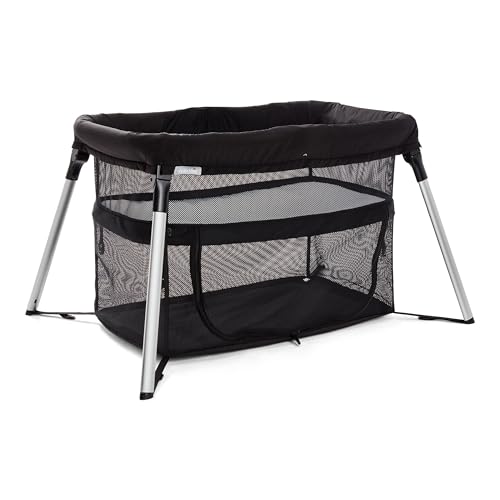
Munchkin
Munchkin Ultra-Lite 3-in-1 Playard, Travel Crib and Bassinet
Read review →
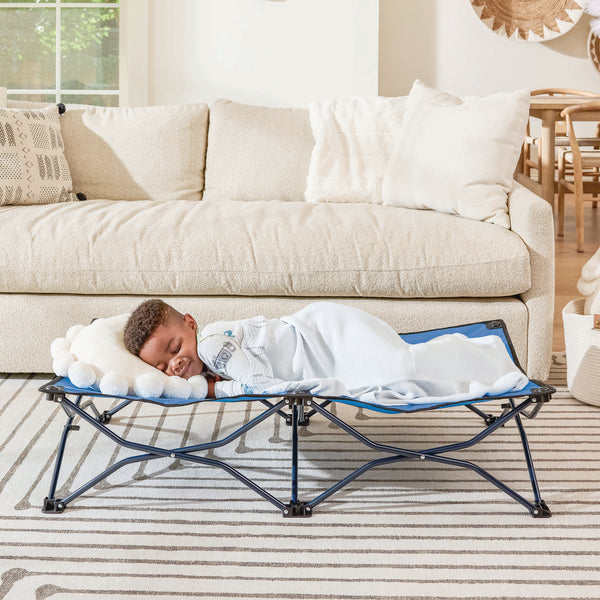
Regalo
Regalo My Cot Portable Toddler Bed, Foldable Kids Travel Bed & Camping Cot
Read review →
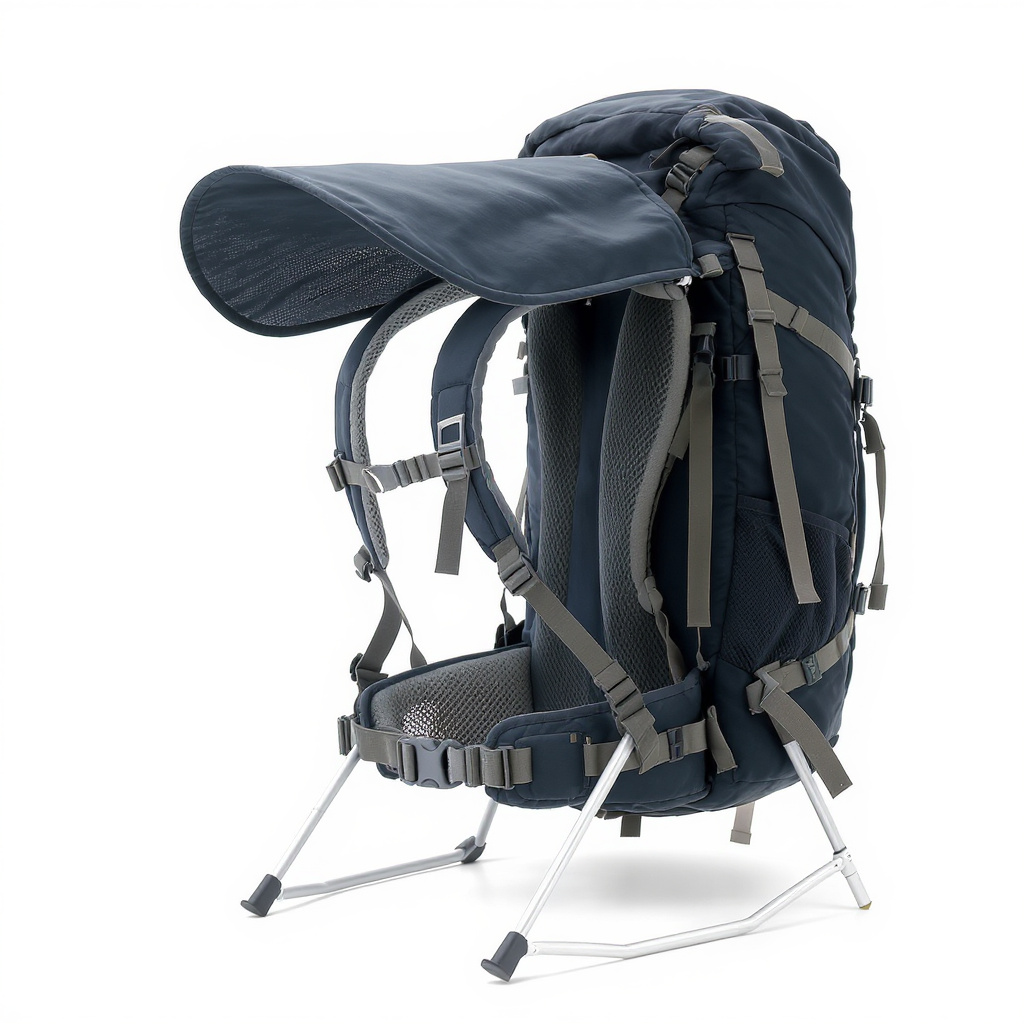
Osprey
Osprey Poco Child Carrier Backpack - Adjustable Travel Baby Carrier with Sunshade
Read review →
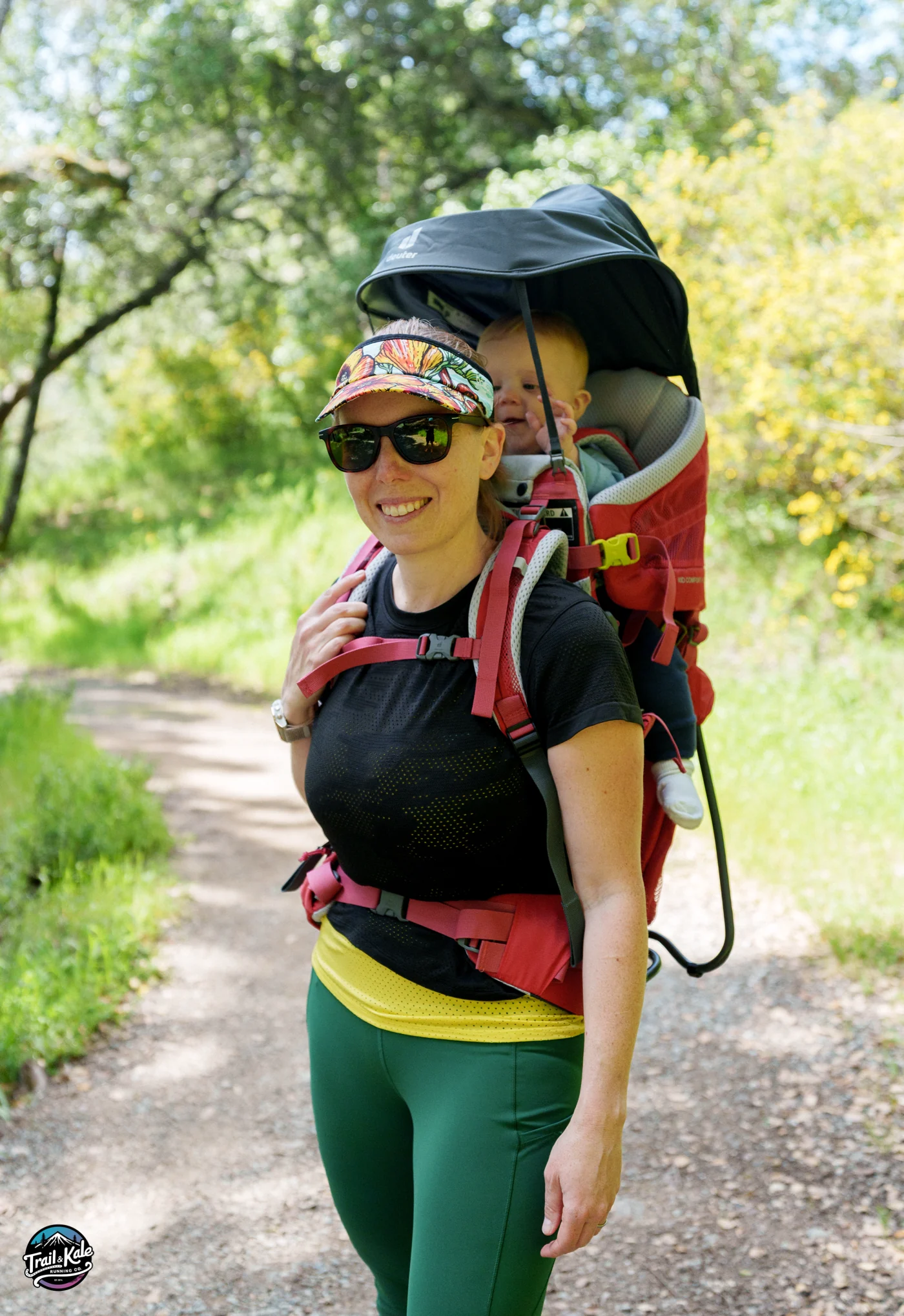
Deuter
Deuter Kid Comfort Child Carrier and Backpack for Travel & Hiking with Toddlers
Read review →
Dreamegg
Dreamegg Portable Noise Machine for Baby Adult, 21 Soothing Sounds
Read review →
Baby Bum
Baby Bum SPF 50 Sunscreen Lotion, Mineral UVA/UVB Protection, Travel Size
Read review →
Yoofoss
Yoofoss Baby Sleep Sack 0-6 Months, 100% Organic Cotton, TOG 0.5, 3 Pack
Read review →
OGERY
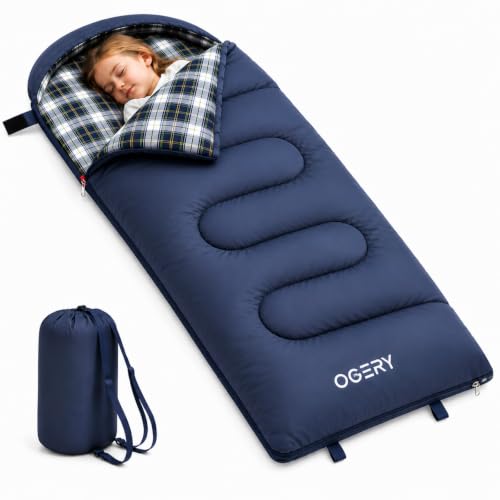
OGERY Kids 3-Season Sleeping Bag for Camping
Read review →
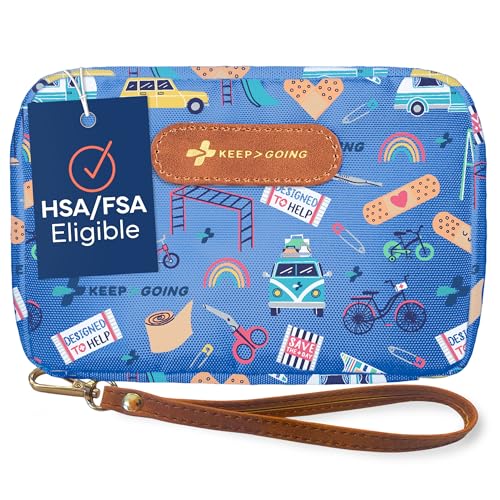
KeepGoing
KeepGoing Travel First Aid Kit for Kids, 130 Pieces
Read review →
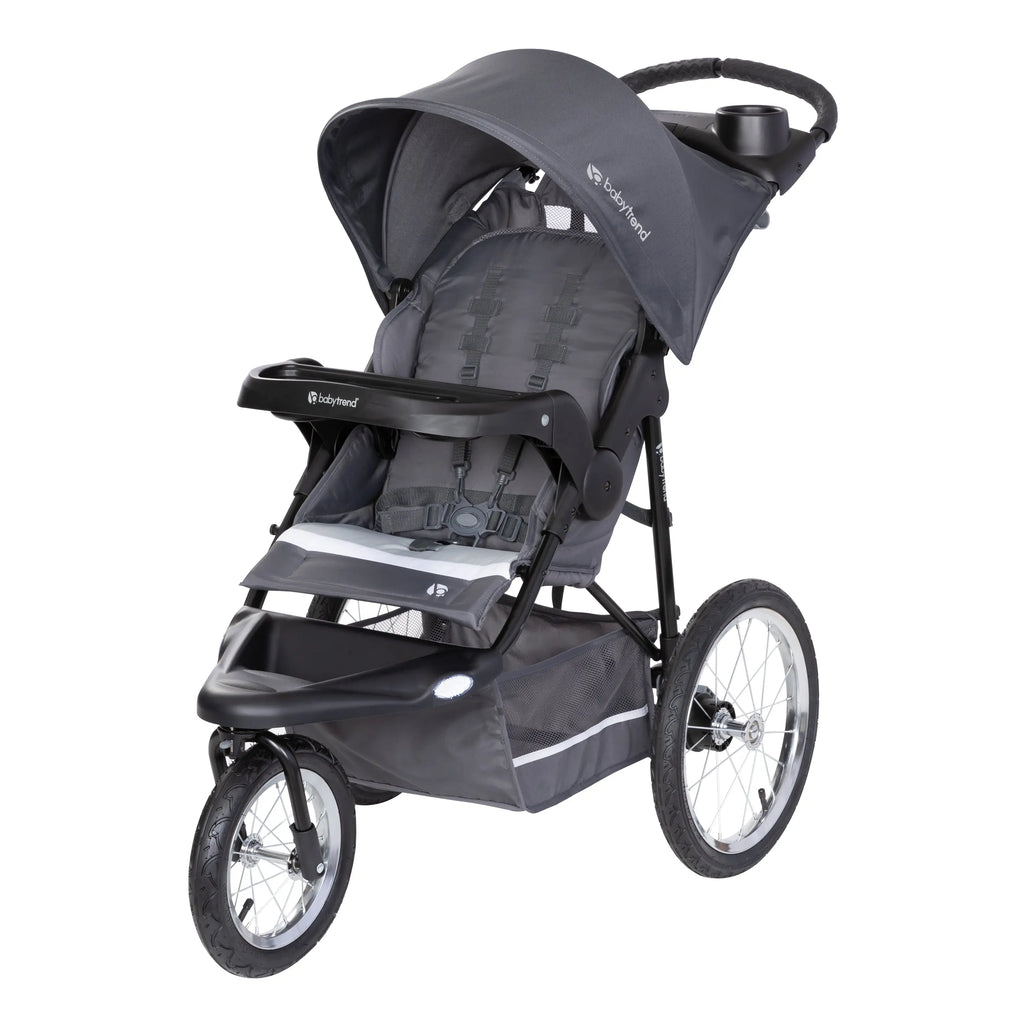
Baby Trend
Baby Trend Expedition Jogger Stroller
Read review →
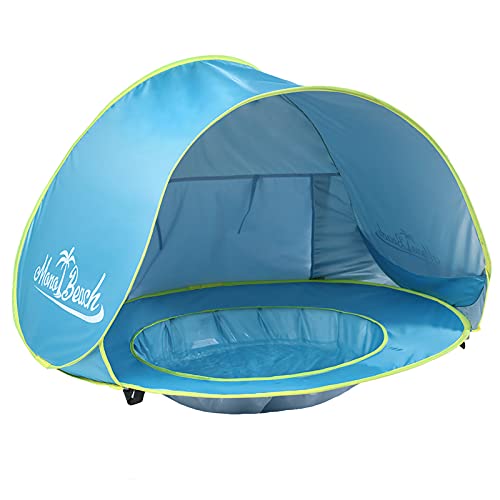
Monobeach
Monobeach Baby Beach Tent Pop-Up UV Sun Shelter
Read review →
Related Content
Beach Vacation with a Toddler: The Complete Parent's Guide (2026)
Complete guide to beach vacations with a toddler — sun safety, gear essentials, water safety by age, sand management, and real strategies.
Cruising with a Toddler: The Complete Parent's Guide (2026)
Everything parents need to know about taking a cruise with a toddler — cruise line comparisons, cabin strategy, dining, port days, pool access, and packing.
Theme Parks with a Toddler: The Complete Parent's Guide (2026)
Everything parents need for theme parks with a toddler — ride guides, stroller strategy, nap management, character meets, dining tips, and meltdown prevention.