Beach Vacation with a Toddler: The Complete Parent's Guide (2026)
Complete guide to beach vacations with a toddler — sun safety, gear essentials, water safety by age, sand management, and real strategies.
Golden sand, gentle waves, a delighted child splashing at the water's edge while we sipped something cold under an umbrella. What we got instead was a screaming 15-month-old who hated the sand texture, a sunburn on the back of one parent's knees that lasted a week, and a diaper so full of sand it weighed more than the baby.
The pattern most families describe is that the first beach day is the hard one. By the third visit the gear is sorted, the timing avoids the worst of the sun, the sunscreen has a rhythm, and the snacks are on rotation — and at that point the beach usually becomes the best part of the holiday rather than the most stressful.
Beach trips with toddlers are not the relaxing experience they were before kids, but they can be genuinely wonderful — the kind of memories that define a childhood. The trick is preparation, realistic expectations, and accepting that sand will be in places you did not think sand could reach for at least two weeks after you get home.
This guide covers everything we have learned from dozens of beach trips with kids ages 0 to 4.
The Best Age for a First Beach Trip
Parents ask this all the time: when should we take the baby to the beach for the first time? The answer depends more on your expectations than on the child's age.
Babies Under 6 Months
It is doable, but limiting. Babies this young cannot wear sunscreen (the AAP recommends waiting until 6 months), so sun protection has to be entirely physical — shade structures, hats, UV clothing. They also cannot sit up, so you need something to lay them in. The beach trip becomes more about the parents enjoying the scenery while the baby naps under a canopy.
That said, some of the most peaceful beach moments happen with a sleeping infant tucked under an umbrella. Just keep it short — 1 to 2 hours max, during the early morning or late afternoon when the UV index is lower.
Babies 6 to 12 Months
This is when beach trips start getting fun. Babies can sit up, interact with sand (even if their primary interaction is trying to eat it), and you can now apply sunscreen. They are not mobile enough to dart toward the water, which means you can actually set up a little beach station and let them explore within arm's reach.
The sand-eating phase is real. Every baby does it. A small amount of sand will not hurt them — they will spit most of it out, make a face, and sometimes go right back for another handful. Keep a damp cloth nearby to wipe mouths and hands.
Toddlers 12 to 24 Months
The golden window for many families. Toddlers this age are fascinated by everything at the beach — waves, sand, shells, other kids, birds. They are mobile enough to explore but usually not fast enough to outrun you to the water's edge. They will sit in the shallows, dig with their hands, and become completely absorbed in transferring sand from one container to another.
The challenge is that they tire out quickly. An hour of sensory overload is exhausting for a one-year-old. Plan for shorter beach sessions.
Toddlers 2 to 4 Years
Now you have a beach partner. Kids this age can build sandcastles (sort of), play in the waves with supervision, collect shells on purpose, and tell you when they are hungry or need sunscreen reapplied. They also have opinions — about which spot on the beach, which shovel, which snack, and exactly how close the waves are allowed to get.
Two-year-olds at the beach often alternate between fearless (running straight into the water) and terrified (a wave touches their toes and the world ends). Three and four-year-olds tend to be more consistent, though their moods can shift fast when tiredness hits.
Essential Beach Gear Checklist
Beach trips require more gear than almost any other outing with a toddler. The good news is that once you have a system, packing takes 10 minutes. Here is what we bring every single time.
Shade and Shelter
This is the single most important category. Toddlers cannot regulate their body temperature as well as adults, and they burn much faster. You need reliable shade.
- A quality beach tent or pop-up shade. Not a cheap one that blows away in the first gust. Look for something with UPF 50+ fabric, sand pockets or stakes for anchoring, and enough room for the child to play inside. A 5x5 foot footprint works well for one child and one adult.
- A large beach umbrella as a backup or secondary shade option. Umbrellas are great for adults but less useful for toddlers who move around constantly. The tent is primary; the umbrella is supplementary.
- An old fitted sheet. This is a hack that changed our beach trips. Bring a queen-size fitted sheet and set it up inside the shade structure with the corners turned up (place a cooler or bag at each corner). This creates a sand-free play area. Sand stays out because of the raised edges, and your child has a clean surface for snacks, toys, and naps.
Sun Protection Gear
- Rashguard or UV suit — full-sleeve, UPF 50+. This is non-negotiable. It dramatically reduces how much sunscreen you need to apply. For babies, a full-zip UV suit with built-in foot covers is ideal.
- Wide-brim hat with a chin strap. Bucket hats look cute but toddlers pull them off immediately. A hat with an adjustable chin strap stays on. Look for one with a brim that covers the ears and neck.
- Sunglasses with a strap. Toddlers will resist them initially, but many get used to them surprisingly fast if you make it part of the routine from the start.
- Reef-safe sunscreen, SPF 50+, mineral/zinc-based. More on application strategy below.
Water and Sand Play Gear
You do not need much. Toddlers are not impressed by elaborate beach toys — they want to dig, pour, and fill.
- 2 to 3 sturdy sand toys — a bucket, a shovel, and a sifter or mold. Dollar store toys break immediately. Invest in silicone or thick plastic that will last multiple trips.
- A set of stacking cups. These are the best beach toy nobody talks about. Kids use them as molds, scoops, water cups, and towers. They weigh nothing and pack flat.
- A small watering can or spray bottle for water play in the shade.
Comfort and Logistics
- Beach wagon or cart. You cannot carry everything plus a toddler across soft sand. A beach wagon with wide wheels designed for sand makes the trek manageable. This is one of those purchases that feels excessive until you use it once.
- Towels — more than you think. Bring at least three per child. One for after the water, one for the shade area, one as a backup when the others are soaked and sandy.
- A mesh bag for sandy toys. When you leave, dump everything in the mesh bag. Sand falls out on the walk back. This keeps your car tolerable.
- Portable white noise machine. If your child naps at the beach — and they might — the sound of waves is actually great for sleep, but a consistent white noise machine helps block the variable sounds of other beachgoers. Our travel sleep accessories roundup has lightweight options that clip to a beach tent.
- A portable fan. Battery-operated clip fan for the shade tent. Even in shade, it can be hot and still. A fan makes a huge difference for naps and general comfort.
The Diaper Bag, Beach Edition
Your regular diaper bag, plus:
- Extra diapers (sand + moisture = more changes than usual)
- A full change of clothes in a zip-lock bag
- Diaper rash cream (sand irritation is real)
- Wet wipes and a spray bottle of fresh water for sandy hands and faces
- Hand sanitizer
- A plastic bag for dirty diapers (no trash cans on most beaches)
Sun Protection Strategy
Sunburn in babies and toddlers is not just painful — it is a genuine health risk. Children who experience severe sunburns before age 5 have significantly increased skin cancer risk later in life. This section is worth reading carefully.
Sunscreen Application: The Right Way
Most parents underapply sunscreen by at least 50 percent. Here is the protocol that works:
First application: 20 to 30 minutes before you leave the house. Not at the beach. At home, before swimsuits go on. This gives the sunscreen time to absorb and bond with the skin, and you can reach every spot without sand making everything gritty.
Apply generously to:
- Face (including tops of ears, around eyes, and the part of the nose everyone misses)
- Neck, front and back
- Any skin not covered by UV clothing — hands, feet, lower legs if shorts are worn
- The back of the knees (one of the most commonly missed and painfully burned spots)
Reapply every 80 minutes on the dot. Set a timer on your phone. Not every 2 hours — 80 minutes. Kids sweat, rub their faces, and towel off constantly, which removes sunscreen faster than the bottle suggests. If your child has been in the water, reapply immediately after toweling off regardless of the timer.
Use mineral sunscreen (zinc oxide or titanium dioxide) for children under 3. Chemical sunscreens are effective but mineral formulas sit on top of the skin rather than absorbing into it, which most pediatric dermatologists prefer for young children. Yes, mineral sunscreen leaves a white cast. Your child looking slightly ghostly at the beach is the sign that you applied enough.
Stick sunscreens are much easier for face application. Toddlers hate having lotion rubbed on their face but will often tolerate a stick being swiped across their cheeks and forehead. Keep a separate face stick in your pocket for quick reapplication.
The UV Index and Timing Your Beach Day
This is the single biggest sun safety factor that most parents overlook.
The UV index measures how strong the sun's radiation is at any given time. Between 10 AM and 2 PM, the UV index is at its peak — often 8 to 11 in summer beach destinations, which is classified as "very high" to "extreme."
The ideal beach schedule for toddlers:
- Morning session: 8 AM to 10:30 AM
- Midday break: Leave the beach from 10:30 AM to 3 PM (this is lunch, nap, and pool time)
- Afternoon session: 3 PM to 5:30 PM
This schedule avoids the worst UV hours and aligns perfectly with most toddlers' nap schedules. The morning session catches the best beach conditions anyway — less wind, fewer crowds, cooler sand that does not burn little feet.
If you can only go once per day, the morning session is better. The sand is cooler, the UV index is lower, and toddlers are in their best moods before noon.
Signs of Overheating
Watch for these in your toddler:
- Flushed, red face that does not cool down in the shade
- Unusual fussiness or lethargy
- Refusing to drink
- Hot, dry skin (they should be sweating in the heat — if they stop sweating, get them inside immediately)
- Rapid breathing
If you notice any of these, get your child into air conditioning, offer cool (not cold) fluids, and apply cool wet cloths to their forehead and neck. Overheating in toddlers can escalate quickly.
Water Safety by Age
Drowning is the leading cause of unintentional death for children ages 1 to 4 in the United States. That statistic is not meant to scare you away from the beach — it is meant to make you take water safety seriously every single second.
The Arm's Reach Rule
Regardless of age, any child under 4 at the beach should be within arm's reach of an adult whenever they are near the water. Not "watching from the blanket." Not "within shouting distance." Within arm's reach — close enough that you could grab them in one second without standing up.
This is non-negotiable. Even in six inches of water, a toddler who trips and lands face-down can inhale water before they figure out how to push themselves up. Waves do not need to be big to knock a toddler over.
Babies Under 12 Months
Keep them out of the ocean entirely. They can sit in a shallow tidal pool or in a few inches of water scooped into a baby pool on the sand, with you holding them. Even gentle waves can overwhelm a baby who cannot sit up reliably.
Toddlers 12 to 24 Months
Shallow wading only — ankle deep or less — with an adult holding their hand or within immediate grabbing distance. At this age, kids do not understand waves and cannot recover from being knocked down. Let them sit in the wet sand where the water barely washes over their legs. They will be delighted.
Toddlers 2 to 4 Years
Can go slightly deeper — knee deep at most — but still within arm's reach. At this age, kids can start to understand simple rules like "we never go deeper than your belly button" and "we always hold a grown-up's hand in the waves." They do not always follow these rules, which is why you are right there.
Rip Currents and Tides
Before you set up at any beach, check the local conditions. Most beaches post daily surf reports and flag warnings:
- Green flag: Low hazard, calm conditions
- Yellow flag: Moderate hazard, moderate surf or currents
- Red flag: High hazard, strong surf or currents — stay out of the water with a toddler
- Double red flag: Water closed to all swimmers
Even on green flag days, be aware of rip currents. If you feel yourself being pulled away from shore, swim parallel to the beach until you are out of the current, then swim back in. With a toddler, you should never be deep enough for this to be an issue — but understanding it matters.
Check tide charts before you go. An incoming tide can swallow your beach setup shockingly fast, and what was a wide beach at 8 AM can be a narrow strip by 10 AM. Set up well above the high tide line.
Puddle Pools and Swim Diapers
If your child is not potty trained, a swim diaper is required at the beach. Regular diapers absorb water and swell to enormous size — they become useless within seconds in the ocean. Swim diapers contain solids but do not absorb water.
A portable puddle pool is a game-changer for babies and young toddlers. Fill it with a few inches of ocean water and let them splash in a controlled environment. You can set it up in the shade, where the water stays cooler and you do not need to be at the water's edge.
Sand and Mess Management
Sand gets everywhere. Everywhere. Accept this fact and your stress level drops significantly. But there are strategies that minimize the mess.
The Baby Powder Trick
This is the single most useful beach hack for parents. Bring a bottle of plain baby powder (cornstarch-based, not talc). When you are ready to leave the beach, let your child's skin dry for a few minutes in the shade. Then dust baby powder onto sandy skin — legs, arms, feet, hands. The powder absorbs the moisture that makes sand stick, and the sand falls right off. It works astonishingly well. One parent in our community described it as "witchcraft" and we cannot disagree.
Rinse Stations
Many beaches have outdoor rinse showers near the parking lot. If yours does not, bring a gallon jug of fresh water. Poke a few small holes in the cap and you have a portable rinse shower. This is for the major sand removal before getting in the car.
For a more thorough rinse, a pump sprayer (the kind used for gardening) works brilliantly. Fill it with fresh water and you have a pressurized rinse that gets sand off much more effectively than pouring from a jug.
Protecting the Car
No matter how thoroughly you rinse, sand is coming home with you. Prepare the car:
- Lay a large towel or old sheet over the car seat before strapping your child in
- Put a towel on the floor under their feet
- Keep a small handheld vacuum in the car for the ride home
- Accept that your car will have sand in it for the rest of its life
The Post-Beach Routine
Develop a consistent end-of-beach routine and your child will eventually cooperate with it (or at least resist less):
- Final rinse in shallow water or at rinse station
- Baby powder for remaining sand
- Change into dry clothes at the car (not the swimsuit — full change)
- Wet wipe face and hands
- Fresh snack and water in the car
- Drive back to the hotel/rental
This routine should take about 10 minutes. Build it into your schedule so you are not rushing.
Feeding at the Beach
Beach meals with a toddler require planning, because sand in food is inevitable and the heat makes food safety a real concern.
Snacks That Work
The best beach snacks share two qualities: they are not ruined by a little sand, and they do not melt or spoil in heat.
Great beach snacks:
- Squeeze pouches (the cap stays on between bites, keeping sand out)
- Whole fruits — bananas, clementines, watermelon slices in a container
- Dry crackers and pretzels (a little sand is unnoticeable)
- Peanut butter on thick-cut bread (the peanut butter keeps sand from sticking to the bread — counterintuitive but true)
- Frozen grapes or blueberries (they thaw gradually in the cooler and are refreshing)
- Cheese sticks kept cold in a cooler
Avoid at the beach:
- Anything sticky (yogurt, jam) — it attracts sand like a magnet
- Small items that drop easily into sand (Cheerios, small crackers)
- Anything that requires utensils
- Chocolate or anything that melts
Hydration
Toddlers dehydrate faster than adults, especially in heat and sun. Offer water constantly — every 15 to 20 minutes, even if they do not ask. A straw cup works best at the beach because it can be closed between sips (sand in the cup is a problem with open cups).
Freeze a water bottle the night before. It acts as an ice pack in your bag and gradually thaws into cold water throughout the morning.
If your child is still nursing or taking bottles, our travel feeding and bottles roundup has insulated options that keep milk cold for hours without a separate cooler.
Mealtime Strategy
Do not try to eat a full meal at the beach with a toddler. It is not worth the sandy, melty, frustrating experience. Instead:
- Have a solid breakfast before the morning session
- Pack snacks for the beach
- Plan lunch back at the hotel/rental during the midday break
- Pack snacks again for the afternoon session
- Have dinner after the beach
If you are doing a full beach day and must eat lunch there, bring sandwiches in sealed containers, eat under the shade tent with the fitted sheet setup, and have wet wipes ready. Use our travel high chairs roundup to find a portable seat that works on uneven surfaces — several of the clip-on and booster options work well at picnic tables near the beach.
Nap Logistics at the Beach
Toddlers who skip naps at the beach become a different species by 4 PM — one that is incompatible with restaurants, car rides, or human interaction. Protecting the nap is critical.
Option 1: Go Back for the Nap
The most reliable option. Leave the beach before naptime, go back to the hotel or rental, let the child nap in a cool, dark room, and return for an afternoon session. This is what the ideal schedule in the sun safety section is built around. It requires a nearby accommodation — if your hotel is 45 minutes from the beach, this is less practical.
If you are traveling with a portable crib, our travel cribs roundup has options that set up in under a minute, which matters when you are juggling a sandy, tired toddler.
Option 2: Nap at the Beach
Some children will nap in the beach tent. This works best with:
- A tent that is fully enclosed on at least three sides (blocks light and wind)
- A portable white noise machine running inside the tent
- A familiar blanket or sleep sack
- The beach trip being later in the vacation, when the child is used to the environment
Keep the tent ventilated. A fully enclosed tent in direct sun can become dangerously hot. Position it so the open side faces the breeze but not the sun, and use a clip fan for airflow.
If your toddler does fall asleep at the beach, stay in the shade, stay hydrated, and enjoy the 45 minutes of peace. You have earned it.
Option 3: The Stroller Nap
If you brought a travel stroller, a stroller nap near the beach can work well. Park the stroller in the shade (not on the sand — use the boardwalk or a hard surface nearby), recline the seat, put up the canopy, and let the motion of rocking or the ride from the beach lull them to sleep. This works best for children who regularly nap in the stroller at home.
Beach with Baby vs Beach with Toddler: Key Differences
The beach experience changes dramatically between 6 months and 3 years. Here is what shifts:
With a Baby (6 to 12 months)
- Mobility: Low. Baby stays mostly where you put them. You can actually sit down.
- Primary risk: Sun exposure and overheating. They cannot tell you they are hot.
- Entertainment: The sand itself is the entertainment. Give them a cup and some sand and they are set.
- Naps: More likely to nap at the beach because they are still napping frequently.
- Water: Tidal pools or a puddle pool only. No ocean.
- Duration: 1 to 2 hours max before overstimulation.
- Gear focus: Shade, UV protection, and a safe place to sit or lie down.
With a Toddler (1 to 3 years)
- Mobility: High and unpredictable. They dart. They run toward the water without warning. You are on your feet.
- Primary risk: Water safety and sunburn. They move too much for shade to be reliable.
- Entertainment: They want to interact with the water, dig, explore, and do what other kids are doing.
- Naps: Harder to achieve at the beach. May need to go back for nap.
- Water: Shallow wading with constant supervision.
- Duration: 2 to 3 hours per session, with breaks.
- Gear focus: Sun protection clothing, sand toys, hydration, and safety gear for the rental.
With a Preschooler (3 to 4 years)
- Mobility: Very high but more directable. They understand basic rules (sometimes).
- Primary risk: Overconfidence in the water and fatigue-related meltdowns.
- Entertainment: Organized play — building castles, looking for shells, jumping waves, burying parents in sand.
- Naps: They might not nap at all, which means late afternoon meltdowns are almost guaranteed.
- Water: Can go deeper but still needs arm's reach supervision.
- Duration: 3 to 4 hours with engaged play.
- Gear focus: More toys, more snacks, more sunscreen reapplication.
A Sample Day at the Beach
Here is what a well-planned beach day looks like with a 20-month-old. Adjust for your child's schedule.
6:30 AM — Wake up, breakfast at the rental. Start packing the beach bag.
7:00 AM — First sunscreen application at the house, on dry skin, before swimsuit goes on.
7:30 AM — Load the car or wagon. Drive or walk to the beach.
8:00 AM — Arrive at beach. Set up shade tent, lay out the fitted sheet, anchor everything. Get the child settled with a sand toy.
8:30 AM — Beach play. Let the child explore sand, splash in shallow water with a parent. Reapply sunscreen as needed.
9:20 AM — Sunscreen reapplication (80-minute timer from the first application at 7 AM). Snack break in the shade.
9:40 AM — More play. Water time, shell collecting, sandcastle attempts.
10:30 AM — Pack up and leave the beach. The UV index is climbing and the child is getting tired. Rinse off, baby powder, change into dry clothes.
11:00 AM — Back at the rental. Shower off the remaining sand. Lunch.
12:00 PM — Nap time. Use the portable crib with blackout covers if the room is bright. Run white noise.
2:00 PM — Nap ends. Quiet play, pool time at the hotel, or an indoor activity.
3:30 PM — Second sunscreen application at the rental.
4:00 PM — Return to the beach for the afternoon session. The sun is lower, the sand is warm but not scorching, and the light is beautiful.
5:30 PM — Pack up. Final rinse. Change clothes.
6:00 PM — Dinner. The child is tired, sandy in places you missed, and happy.
7:00 PM — Bath (a real one — the rental tub will need cleaning afterward). Bedtime routine. They will sleep like they ran a marathon, because they basically did.
Dealing with Common Beach Problems
"My Toddler Is Terrified of the Sand"
This happens more often than people admit, especially with kids under 18 months experiencing sand for the first time. The texture is unfamiliar and overwhelming.
Do not force it. Let them sit on a towel or the fitted sheet and observe. Put a small amount of sand on the towel for them to touch on their terms. Let them watch other kids play. Some toddlers take 2 to 3 beach visits before they willingly touch sand. Others need a full vacation to warm up. Both are normal.
Water shoes or soft sandals can help kids who hate the feeling of sand on their feet.
"My Toddler Runs Straight for the Water"
This is developmentally normal and terrifying. Toddlers see water and their brain says "go." There is no reasoning with this instinct — only management.
- One adult is always designated as the water watcher. That adult does nothing else — no phone, no book, no conversation. Their job is the child.
- Establish a physical boundary. "We sit here. We go to the water together, holding hands." Enforce this consistently.
- Consider a brightly colored rashguard so your child is easy to spot in a crowd.
- If your toddler is an especially strong water-runner, a harness or wrist link can provide an extra layer of safety in high-traffic beach areas.
"Sand in the Diaper Is Causing a Rash"
Sand plus moisture plus friction equals irritation. Change swim diapers frequently — more often than you would change a regular diaper. Apply a barrier cream (diaper rash cream or petroleum jelly) before putting on the swim diaper. This creates a layer between the skin and any sand that gets in. Rinse the diaper area with fresh water at every change.
"My Toddler Will Not Keep a Hat On"
Start the hat habit at home, not at the beach. If your child has never worn a hat, the beach is a lot of new stimulation to add a new accessory to. Wear your hat too — toddlers mimic. A hat with a chin strap helps, but some toddlers will scream about the strap until they forget it is there (usually about 10 minutes). If the hat truly will not stay on, rely on the shade tent and extra sunscreen on the scalp along the part line.
"We Are Going to a Beach with No Shade"
Some beaches have zero natural shade and do not allow tents or umbrellas (some crowded public beaches have these restrictions). In this case:
- Go only during low-UV hours (before 10 AM or after 3 PM)
- Keep sessions very short — 60 to 90 minutes maximum
- Apply sunscreen aggressively and reapply every 60 minutes instead of 80
- Bring UV-protective clothing that covers as much skin as possible
- Stay hydrated constantly
Packing for the Beach: The Short List
If the full gear list above feels overwhelming, here is the minimum viable beach kit — the absolute essentials, nothing more.
- Shade structure (tent or umbrella)
- Mineral sunscreen SPF 50+ and a face stick
- UV rashguard and wide-brim hat
- Swim diapers
- 2 towels
- Fresh water for drinking and rinsing
- Snacks in sealed containers
- 1 bucket and 1 shovel
- Change of clothes in a zip-lock bag
- Baby powder for sand removal
Everything else is a nice-to-have. If you are packing for a beach trip as part of a larger vacation, our toddler packing list guide has a comprehensive system for organizing everything without overpacking. And our packing organizers roundup has cubes and bags that make it all fit.
Choosing the Right Beach
Not all beaches are created equal when you are traveling with a toddler. Here is what to look for:
Calm water: Look for beaches in bays, coves, or lagoons where waves are minimal. Gulf Coast beaches tend to be calmer than Atlantic beaches. Lakes and reservoirs are even calmer.
Gradual entry: A beach where the water stays shallow for a long distance is much safer and more fun for toddlers than one where it drops off quickly.
Soft sand: Rocky beaches are not ideal for barefoot toddlers. Fine, soft sand is easier on little feet and better for building.
Amenities nearby: Restrooms, rinse showers, and shade shelters at the beach make your life significantly easier. A beach with a parking lot close to the sand (versus a quarter-mile hike over dunes) matters when you are hauling a wagon full of gear and a squirming child.
Lifeguards: Always choose a lifeguarded beach when possible. You are your child's primary water supervisor, but a lifeguard is a critical backup.
Crowds: Less crowded is better. Your child will wander, and keeping track of a toddler is easier when the beach is not packed. Early mornings at popular beaches or weekday visits to smaller beaches solve this.
Making the Beach a Tradition
The best part of beach vacations with toddlers is that they get better every single trip. Your child becomes more comfortable with sand and water. Your packing becomes more efficient. Your timing becomes instinctive. By the second or third beach vacation, you have it down to a science, and you can actually relax and enjoy watching your kid discover the ocean.
Our strongest recommendation: if you find a beach destination that works for your family, go back. Toddlers thrive on familiarity, and a place where they already know the beach, the rental, and the routine is a place where everyone can relax. The first trip is the hardest. Every trip after that is better.
Pack the sunscreen, set the reapplication timer, bring more towels than you think you need, and go. The sand will be everywhere for weeks. It is worth it.
For more trip planning, check out our complete flying guide if you are flying to the beach, or the road trip survival guide if you are driving. And if you are staying at a hotel or rental, our hotel room baby-proofing checklist will help you make the room safe before you unpack.
Products Mentioned
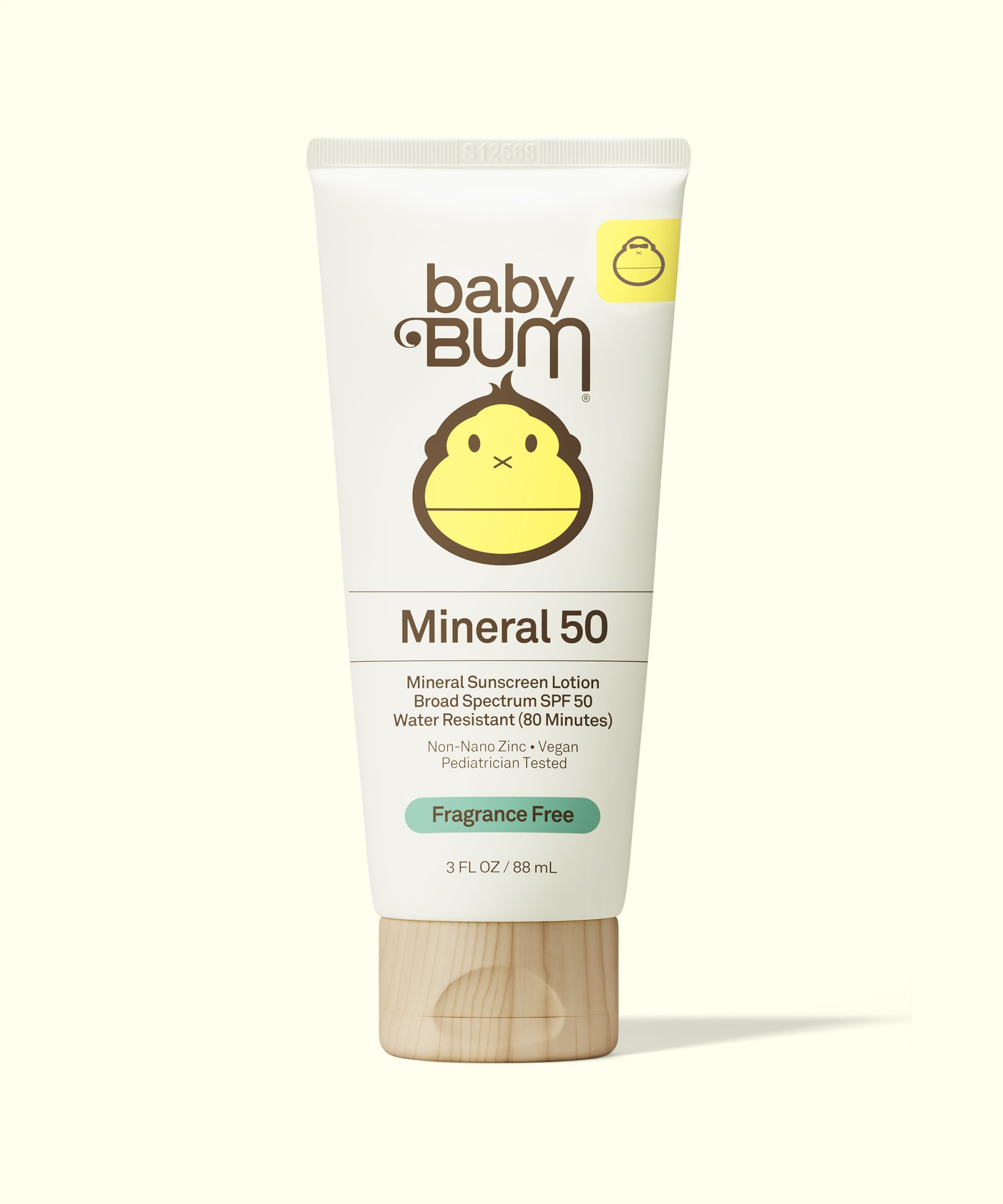
Baby Bum
Baby Bum SPF 50 Sunscreen Lotion, Mineral UVA/UVB Protection, Travel Size
Read review →
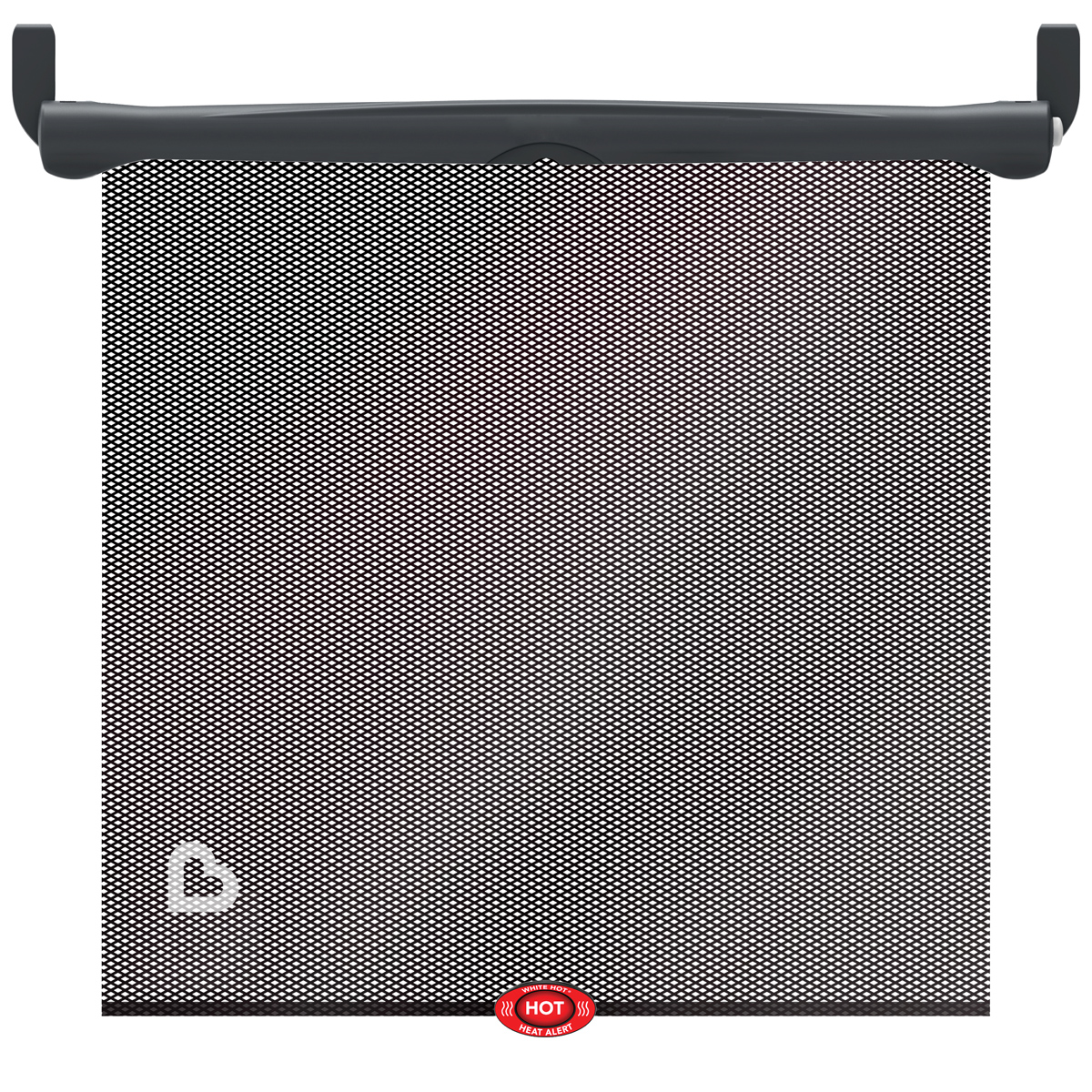
Munchkin
Munchkin Brica Sun Safety Car Window Shade with Heat Alert, 2 Pack
Read review →
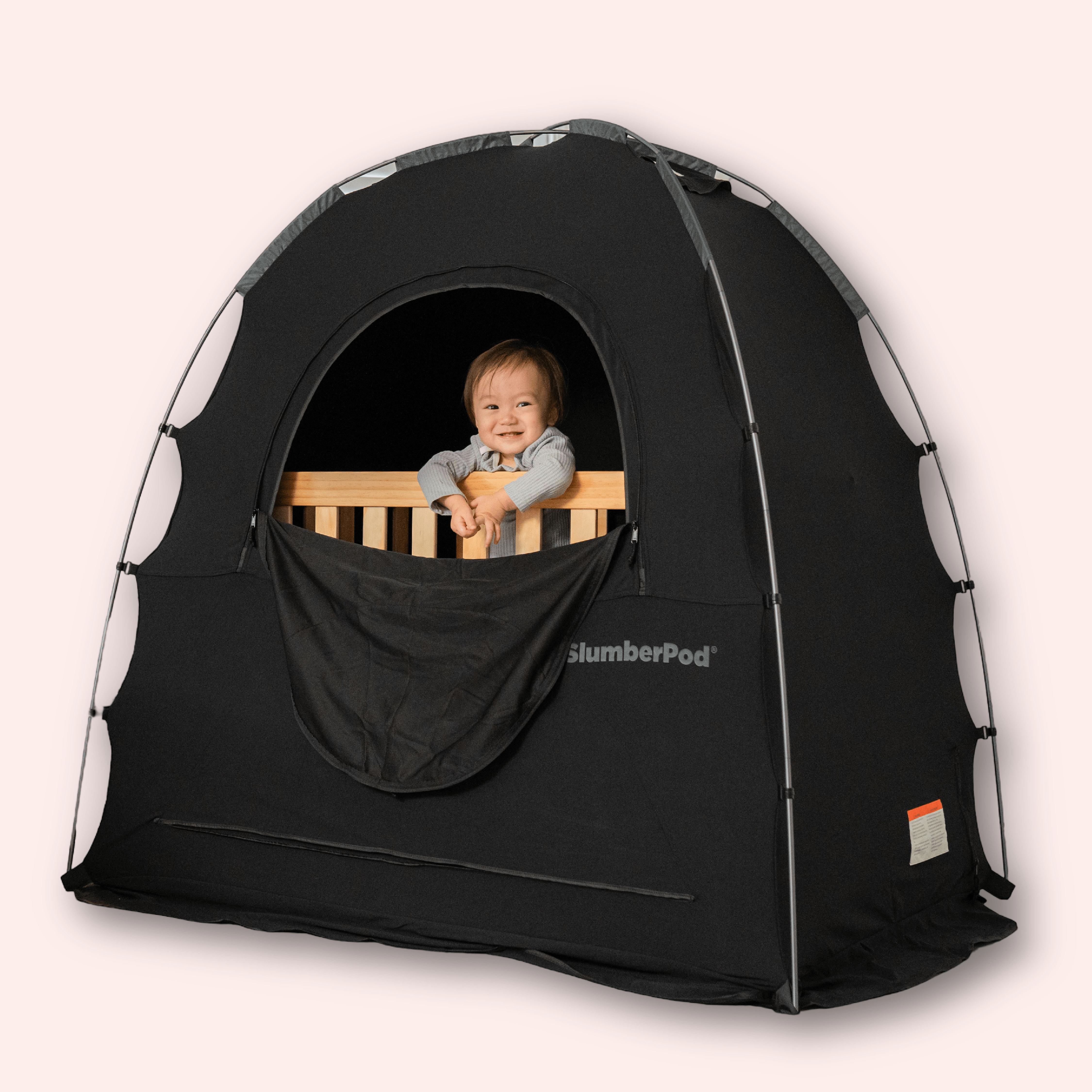
SlumberPod
SlumberPod Original Blackout Sleep Tent for Babies and Toddlers, Blocks 95%+ Light
Read review →
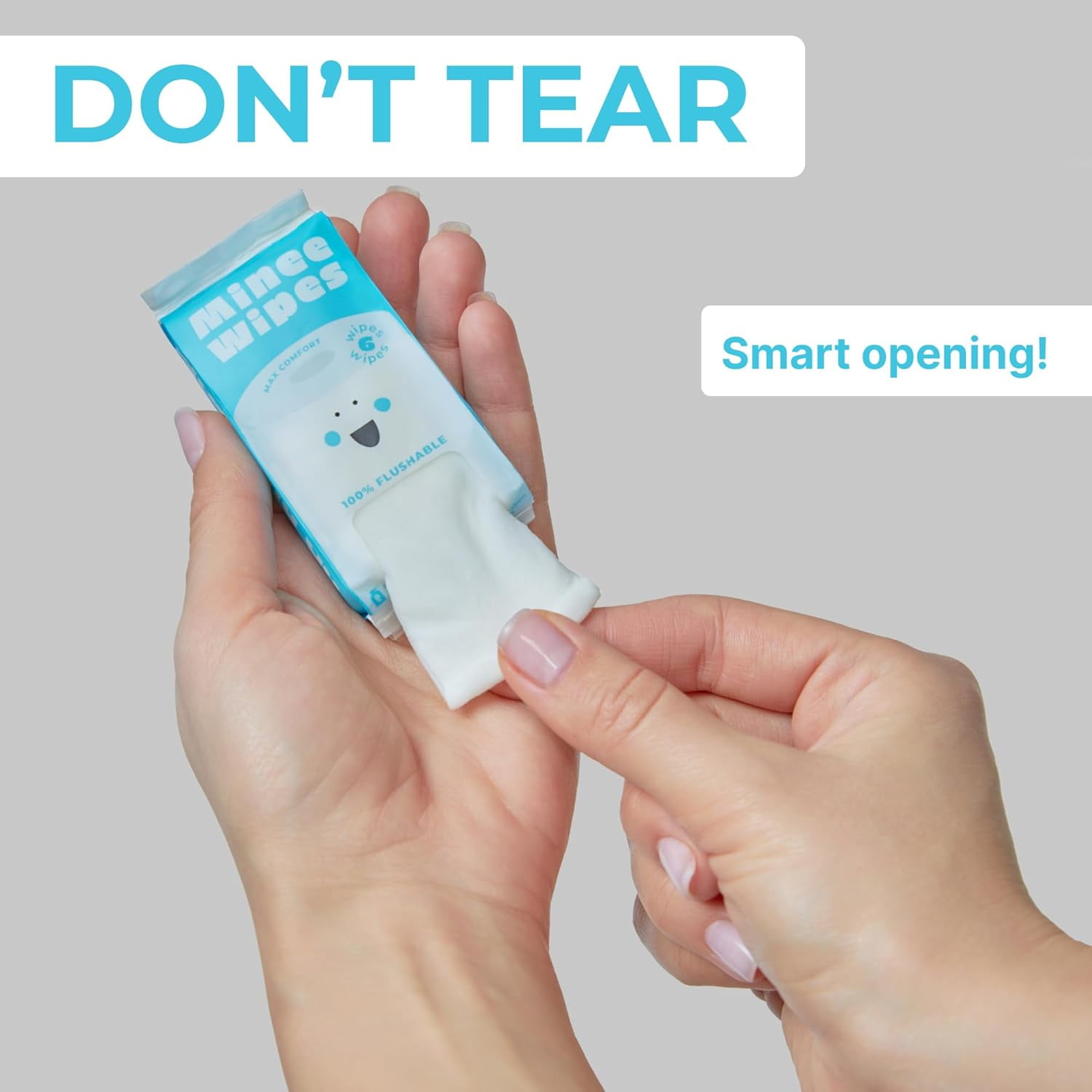
Impossibly Compact
Impossibly Compact Travel Flushable Wipes, 99.5% Water and Aloe, 8 Pack 48 Wipes
Read review →
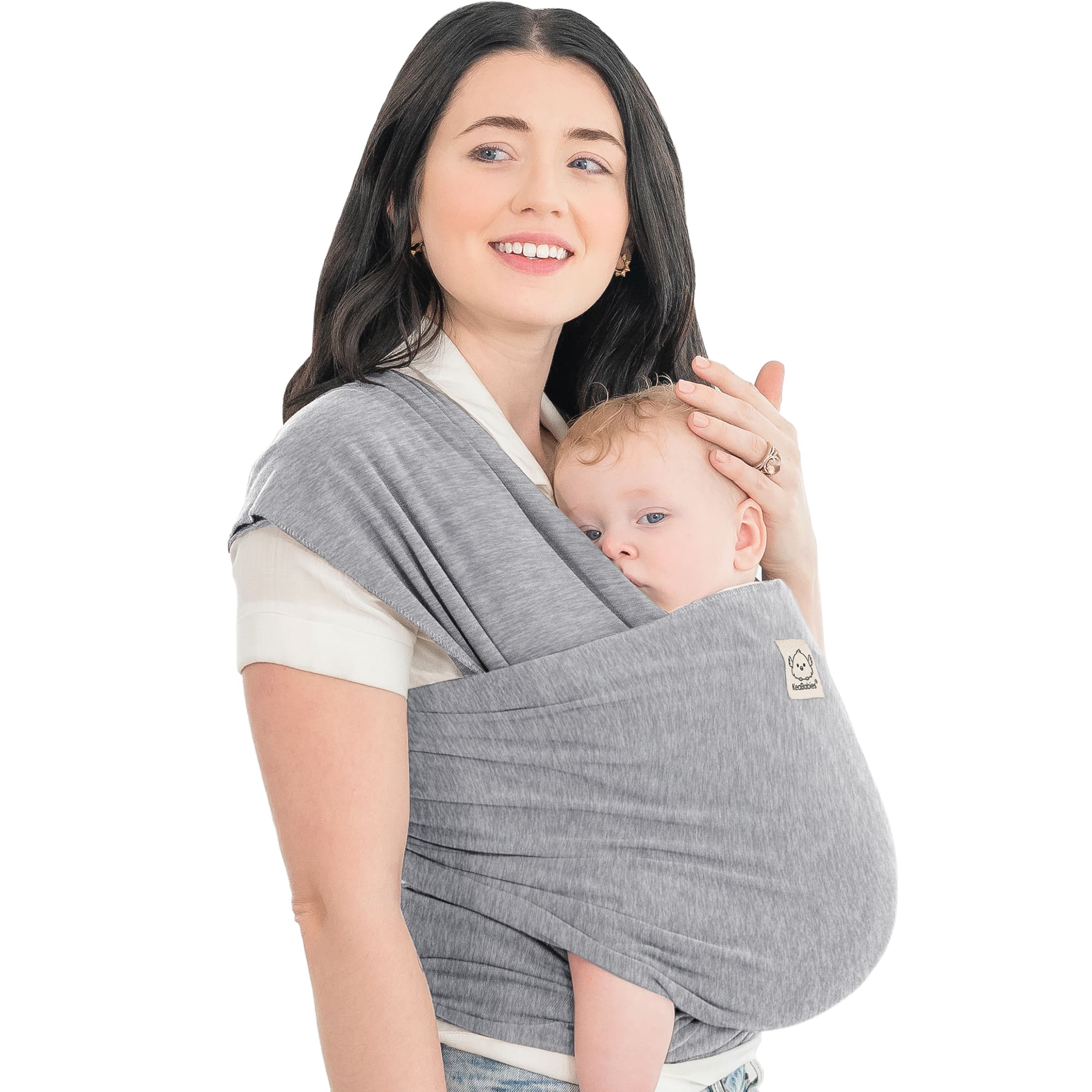
KeaBabies
KeaBabies Baby Wrap Carrier - All in 1 Original Baby Carrier Newborn to Toddler Sling
Read review →
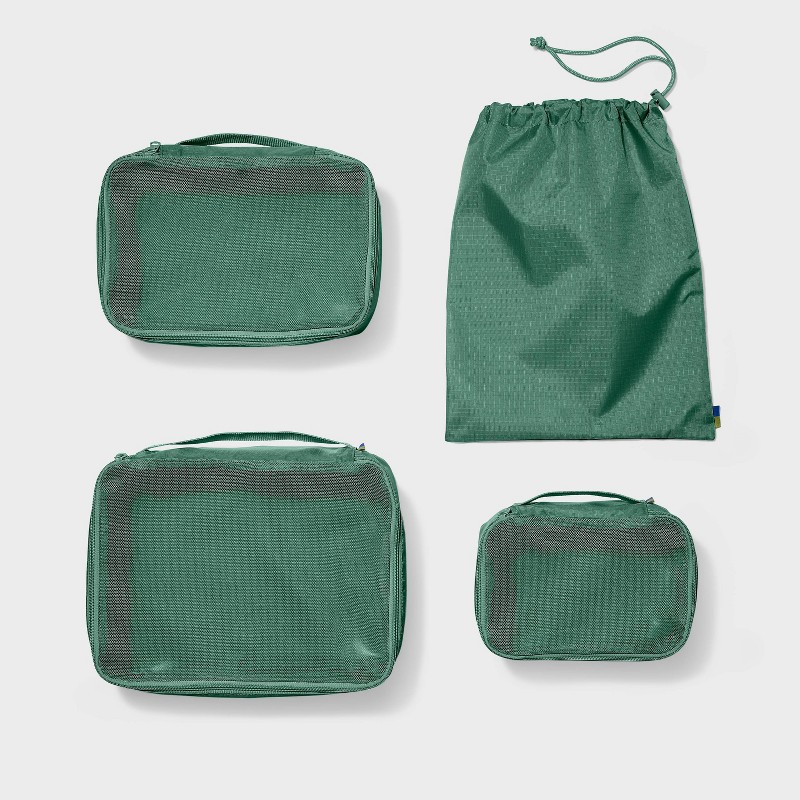
Amazon Essentials
Amazon Essentials 4-Piece Packing Cubes Set, Mesh Top, Double Zipper, Large, Gray
Read review →
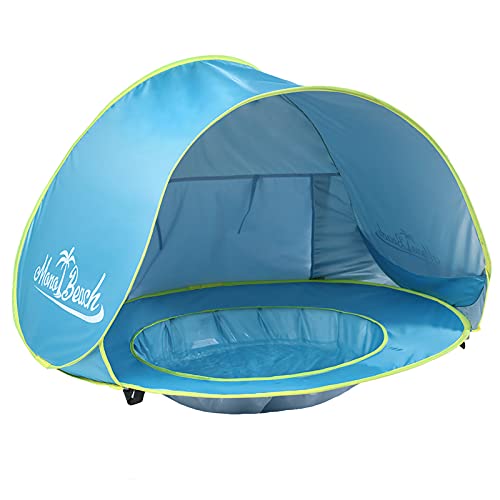
Monobeach
Monobeach Baby Beach Tent Pop-Up UV Sun Shelter
Read review →
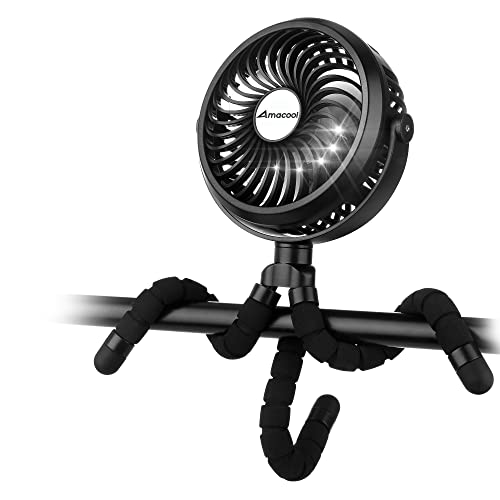
AMACOOL
AMACOOL Rechargeable Clip-On Stroller Fan
Read review →
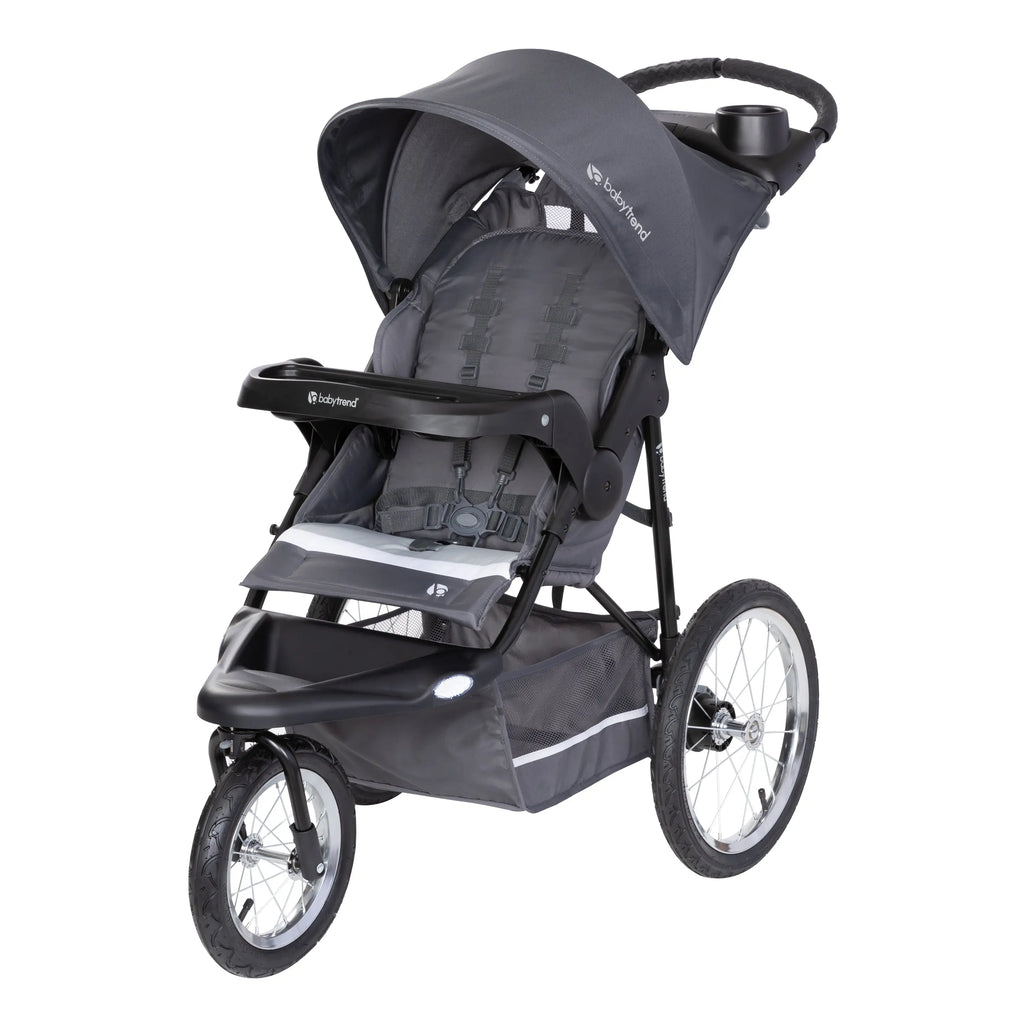
Baby Trend
Baby Trend Expedition Jogger Stroller
Read review →
Related Content

Cruising with a Toddler: The Complete Parent's Guide (2026)
Everything parents need to know about taking a cruise with a toddler — cruise line comparisons, cabin strategy, dining, port days, pool access, and packing.

Camping with a Toddler: The Complete Parent's Guide (2026)
Complete guide to camping with a toddler — campsite selection, sleep setup, safety, gear lists, meal planning, and outdoor entertainment.

Theme Parks with a Toddler: The Complete Parent's Guide (2026)
Everything parents need for theme parks with a toddler — ride guides, stroller strategy, nap management, character meets, dining tips, and meltdown prevention.