Airline Rules for Traveling With Car Seats: A Plain-English Guide (2026)
Every FAA car seat rule explained in plain English — which seats are allowed on planes, installation tips, gate-checking, and airline-specific policies for 2026.
Flying with a car seat feels like entering a maze of regulations, airline fine print, and conflicting advice from internet strangers. Parents who have been through it dozens of times all say the same thing: the rules are actually straightforward once you strip away the jargon.
This guide walks you through every FAA car seat rule in plain English — what is allowed, what is not, how to install it on the plane, and what to do when things go sideways at the gate. Bookmark it. You will want it on travel day.
FAA Approval Explained: What the Label Looks Like and Where to Find It
The single most important thing about using a car seat on an airplane is this: it must be FAA-approved. Not "probably approved." Not "it looks safe enough." It needs to carry a specific label.
Look on the side or back of your car seat for a sticker or printed text that reads:
"This restraint is certified for use in motor vehicles and aircraft."
That exact phrase — or very close to it — is what the flight attendant will look for. If your seat has it, you are cleared for takeoff. If it does not, the seat cannot be used on the plane, full stop.
Most convertible car seats and infant car seats sold in the United States carry this label. But you need to physically check. The label is usually on a white sticker on the side of the seat, near the model number and manufacturing date.
Which Car Seats Are Allowed on Planes — and Which Are Not
Here is the breakdown:
Allowed on Airplanes
- Rear-facing infant car seats (with the FAA label)
- Convertible car seats in either rear-facing or forward-facing mode (with the FAA label)
- All-in-one car seats used in the harness mode (with the FAA label)
Most standard car seats you would buy at Target or Amazon are FAA-approved. The Baby Trend Trooper Slim and Graco SlimFit3 LX are two of the most popular travel-friendly options — both carry the FAA label and are lightweight enough to actually get through an airport without losing your mind.
NOT Allowed on Airplanes
- Booster seats (backless or high-back) — these rely on the vehicle's lap-and-shoulder belt, and airplane seats only have lap belts
- Harness vests (like the RideSafer vest) — not FAA-approved, even though they are NHTSA-certified for cars
- CARES harness — this is the one exception to the "no harness" rule. The AmSafe CARES harness is specifically FAA-approved for aircraft use for children between 22 and 44 lb. It is the only non-traditional car seat device approved for planes
- Car seats without the FAA label — even if they are perfectly safe for your car
If you are unsure about a specific seat, check our Best FAA-Approved Car Seats roundup for verified options.
Do You Need to Buy a Seat for Your Child?
This is where things get interesting — and where your budget comes into play.
Lap Infant Rules (Under 2 Years Old)
Children under 2 years old can fly as "lap infants" on domestic US flights at no additional cost. They sit on your lap, held by your arms, for the entire flight. No separate seat. No car seat.
Is it legal? Yes. Is it the safest option? No.
The FAA officially recommends that all children fly in an approved car seat, regardless of age. During turbulence or an emergency, your arms are not a reliable restraint. But the FAA does not require it — they recommend it. So the choice is yours.
Purchased Seat (Any Age)
If you want to use a car seat on the plane, your child needs their own ticket. For children under 2, this means paying for a seat you could otherwise get for free. For children 2 and older, they are required to have their own seat anyway.
Some airlines offer discounted infant fares for purchased seats. It is always worth asking.
The Financial Reality
A round-trip ticket for a lap infant is free (domestic). A round-trip ticket with a purchased seat could be $200–$800+. That is a real cost. But if you have the budget, a car seat on the plane is the safer choice — especially for longer flights or routes that commonly experience turbulence.
Where to Install the Car Seat on the Plane
The FAA requires car seats to be installed in a window seat. This is not a suggestion — it is a rule. The reason: in an emergency evacuation, a car seat in the aisle or middle seat could block other passengers from exiting the row.
If you are traveling with a partner and your child, here is the typical setup:
- Child in car seat at the window
- One parent in the middle
- Other parent in the aisle (or a separate row if you only bought two seats)
When booking, select the window seat for your child. If the airline auto-assigns a middle or aisle seat, call them to switch it before your flight.
Installation Differences: Airplane vs Car
Installing a car seat on an airplane is not the same as installing it in your car. Here are the key differences:
No LATCH System on Planes
Airplane seats do not have LATCH anchors. You will use the airplane's lap belt to secure the car seat. This means:
- Route the airplane lap belt through the car seat's belt path (the same path you would use for a seatbelt installation in a car)
- Pull the belt tight — as tight as you can get it
- The car seat should not move more than one inch side to side when you push on it at the belt path
Rear-Facing Is Easier (and Safer)
On a plane, rear-facing installation tends to be simpler. The back of the car seat rests against the seat in front of your child, which actually helps stabilize it. Forward-facing works too, but the fit can be tighter depending on the airplane seat pitch.
The Recline Challenge
Some car seats have a base that reclines for rear-facing use. On a plane, the seat in front limits how far back the car seat can go. If your seat requires a steep recline angle (common for infant-only seats), it might not fit rear-facing on certain aircraft. Try forward-facing as a backup.
Practice at Home
This cannot be stressed enough: practice installing your car seat with just a lap belt before your trip. Use the seatbelt-only installation method in your own car. This way you are not fumbling with the belt path for the first time while a line of passengers waits to get past you.
Airline-Specific Car Seat Policies
While the FAA sets the baseline rules, individual airlines can add their own requirements. Here is what the major US carriers say as of 2026:
American Airlines
- FAA-approved car seats accepted in purchased seats
- Car seat must go in the window seat
- Free gate-checking of car seats (does not count toward baggage allowance)
Delta Air Lines
- Same FAA requirements
- Delta allows car seats in any seat in the child's row except an exit row, but strongly recommends the window
- Free gate-check or ticket-counter check
United Airlines
- FAA-approved seats only
- Window seat required
- Free checked car seat (gate or counter)
Southwest Airlines
- FAA-approved car seats accepted
- Window seat required
- If the flight is not full, Southwest may allow you to bring an infant car seat on board even without a purchased seat (but this is not guaranteed)
JetBlue
- Standard FAA rules apply
- Free gate-check for car seats
International Differences
Flying internationally? Rules can vary significantly:
- Most European carriers (Lufthansa, British Airways, Air France) accept FAA-approved seats but may have additional requirements about forward-facing orientation
- Some Asian carriers have stricter rules about car seat dimensions — check with the airline before you fly
- Canadian airlines follow Transport Canada rules, which are very similar to FAA rules
The universal rule: Always call your specific airline 48 hours before departure to confirm their current car seat policy. Policies change, and gate agents sometimes have outdated information.
Rear-Facing vs Forward-Facing on Planes
The FAA allows both rear-facing and forward-facing installation on aircraft, as long as the car seat is FAA-approved and your child meets the seat's weight and height requirements for that mode.
Rear-facing advantages on a plane:
- Generally considered safer (same as in cars)
- Easier installation on most aircraft
- Child cannot kick the seat in front of them
- Car seat back provides head support during turbulence
Forward-facing advantages on a plane:
- May fit better in tight seat pitches
- Older toddlers can see out the window (and are happier)
- No concern about the recline angle being too steep
The recommendation: if your child is still within the rear-facing weight and height limits for their car seat, go rear-facing on the plane. It is safer and usually easier. The AAP car seat guidelines recommend keeping children rear-facing as long as possible — the same advice applies in the air.
What Happens If Your Car Seat Does Not Fit
Airplane seats vary in width. Most economy seats are 17–18 inches wide. Most car seats are 17–19 inches wide at the base. You can see the potential problem.
If your car seat does not fit:
- Try adjusting the armrest. Most airplane armrests lift up, giving you an extra inch or two of width.
- Try a different orientation. If it does not fit forward-facing, try rear-facing, or vice versa.
- Ask the flight attendant for help. They deal with this regularly and may have tips specific to that aircraft.
- Last resort: gate-check it. If the car seat simply will not fit, the airline will gate-check it for free. Your child rides in the airplane seat with just the lap belt.
This is why travel-specific car seats like the Baby Trend Trooper Slim are so popular — at about 16.75 inches wide, it fits in nearly every airplane seat.
Gate-Checking Your Car Seat: Process, Risks, and Protection
If you decide not to use the car seat on the plane — or if you cannot — gate-checking is your best option.
The Process
- Tell the gate agent you want to gate-check a car seat when you arrive at the gate
- They will give you a gate-check tag
- At the end of the jet bridge (right before you board), leave the car seat with the tag attached
- It goes into the cargo hold
- When you land, it will be waiting at the jet bridge (sometimes at baggage claim instead)
The Risks
Gate-checked items are not handled gently. Your car seat will be tossed, stacked, and exposed to the elements. Potential damage includes:
- Cracked plastic shell (sometimes hairline cracks you cannot see)
- Broken harness clips or buckles
- Deformed frame from being stacked under heavy bags
- Water damage if left on the tarmac in rain
Protecting Your Car Seat
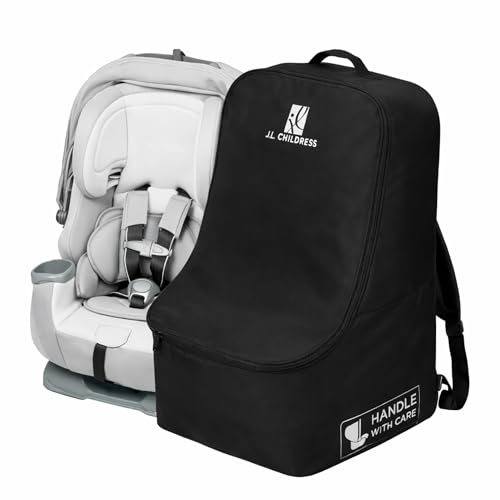
- Use a padded car seat travel bag. This is the single best thing you can do. A good bag adds padding and protects against scuffs, rain, and casual tossing. Check our stroller travel bags roundup — many of those bags fit car seats too. If you are using a travel stroller, a combo bag that fits both the stroller and car seat can save space.
- Inspect the seat when you get it back. Check for cracks, broken parts, and harness function before you install it in a car at your destination.
- Know the replacement policy. If the airline damages your car seat, they are required to compensate you. Keep your receipt.
- Have a backup plan for your destination. If your car seat arrives damaged, you will need a safe seat for your rental car. Our car seat rental car guide covers how to handle car seat installation in unfamiliar vehicles and what to do if things go wrong.
A Note on Car Seat Safety After Damage
If your car seat has been in any kind of impact — including rough handling by an airline — and you see visible damage, do not use it. Car seats are designed to protect in one impact. A cracked shell may not protect your child in a car accident. When in doubt, replace it.
TSA Security With a Car Seat
Getting through TSA with a car seat is easier than you think:
- Car seats go through the X-ray machine if they fit. Most infant car seats fit on the belt. Larger convertible seats may need a manual inspection.
- If it does not fit through the X-ray, tell the TSA agent. They will do a visual and physical inspection of the car seat. This takes 2–5 minutes.
- You will not be asked to take it apart. TSA agents are trained to handle car seats.
- Car seats do not count as a carry-on. They are considered a child safety device and are exempt from carry-on limits.
Pro tip: If you are using the car seat on the plane, strap your child into it and put the car seat on your stroller or a cart to roll through the airport. At security, take the child out, collapse the stroller (if applicable), and send the car seat through the X-ray or flag it for manual inspection. For a full walkthrough of getting through security, gates, and boarding with kids and gear, see our guide to navigating airports with a toddler.
Making It All Work: Our Recommended Approach
Based on years of parent experience flying with car seats, here is the approach that works best for most families:
- Buy a lightweight, dedicated travel car seat. The Baby Trend Trooper Slim is a top travel-friendly pick at about $96 and 12 lb.
- Purchase a seat for your child if your budget allows it. The safety benefit is worth it.
- Install rear-facing if your child's age and weight allow it.
- Book the window seat for your child — do this at the time of booking, not at the gate.
- Practice the lap-belt installation at home before your trip.
- Arrive early. Give yourself an extra 30 minutes at the airport for the car seat logistics.
- If gate-checking, use a travel bag to protect the seat.
If you want more options, our FAA-Approved Car Seats roundup covers the best travel-friendly seats at every price point. And the Graco SlimFit3 LX is a great choice if you want a seat that works on the plane and grows with your child for years.
Frequently Asked Questions
Products Mentioned
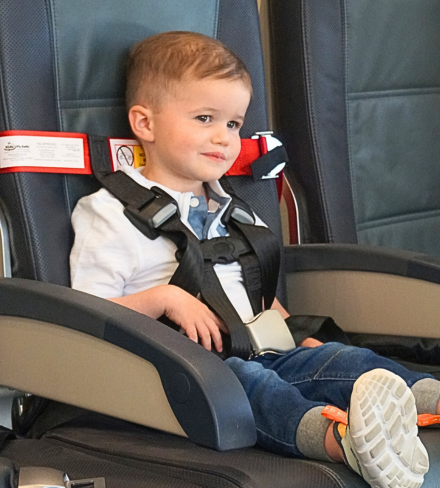
AmSafe
CARES Child Airplane Travel Harness, FAA Approved Safety Restraint System
Read review →
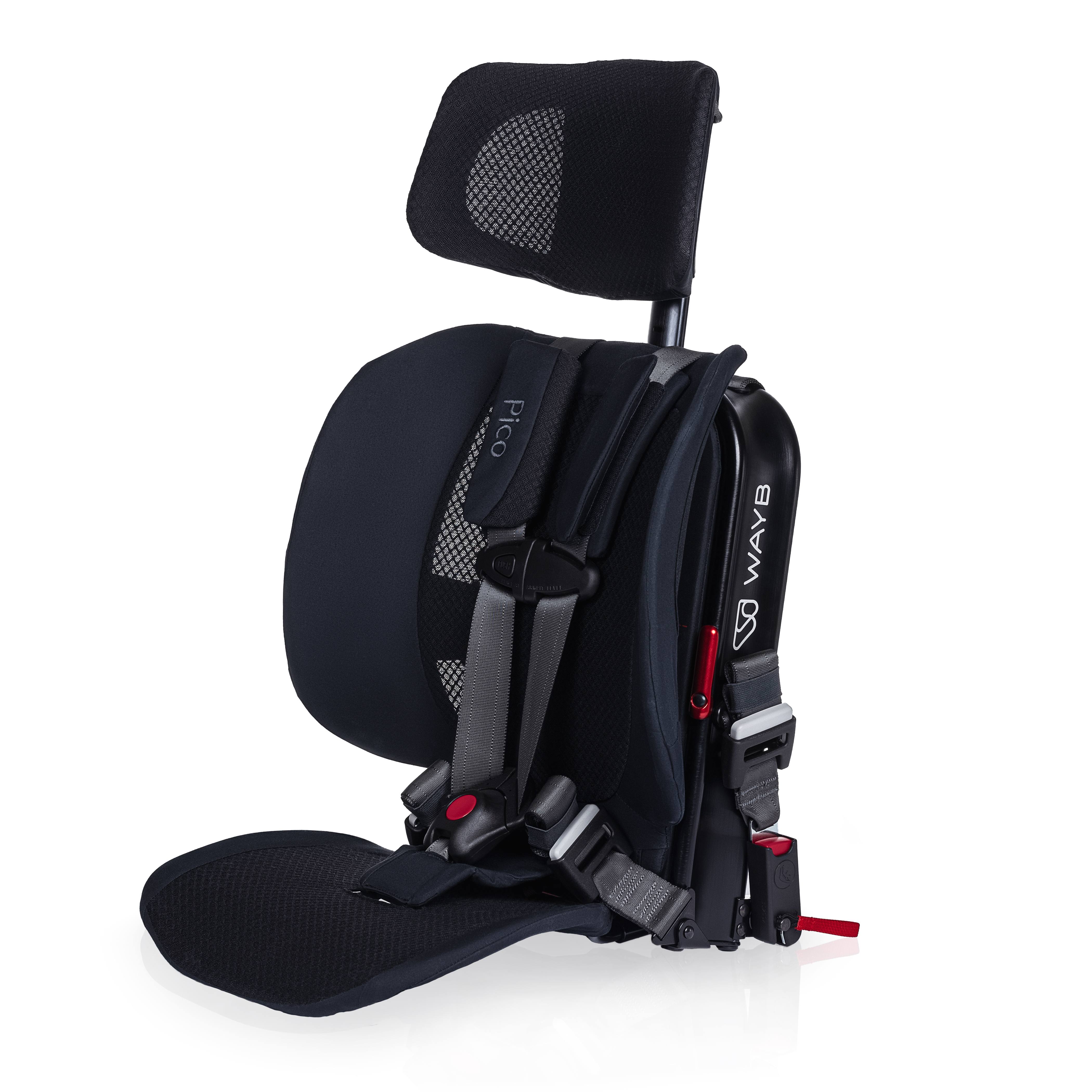
WAYB
WAYB Pico Travel Car Seat with Premium Carrying Bag, Lightweight Portable Foldable
Read review →
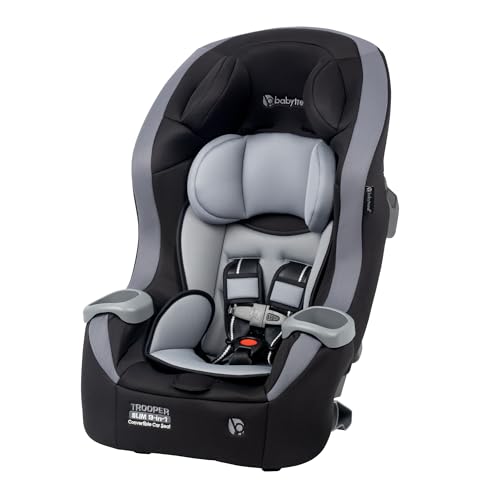
Baby Trend
Baby Trend Trooper Slim 3-in-1 Convertible Car Seat
Read review →
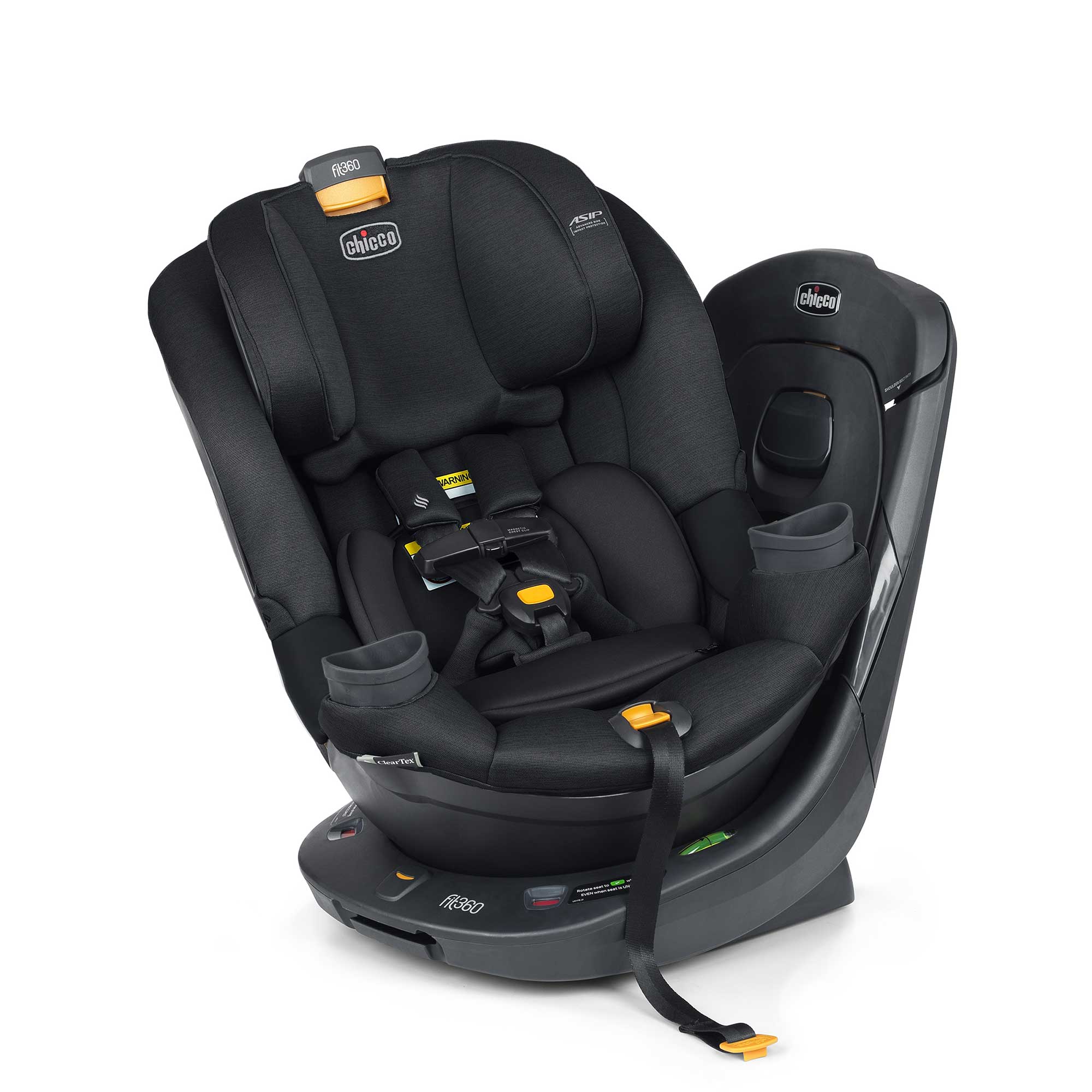
Chicco
Chicco Fit360 SE ClearTex Rotating Convertible Car Seat, 360 Degree Rotation, LeverLock System
Read review →
J.L. Childress
J.L. Childress Padded Backpack Car Seat Travel Bag — Deluxe
Read review →
Graco
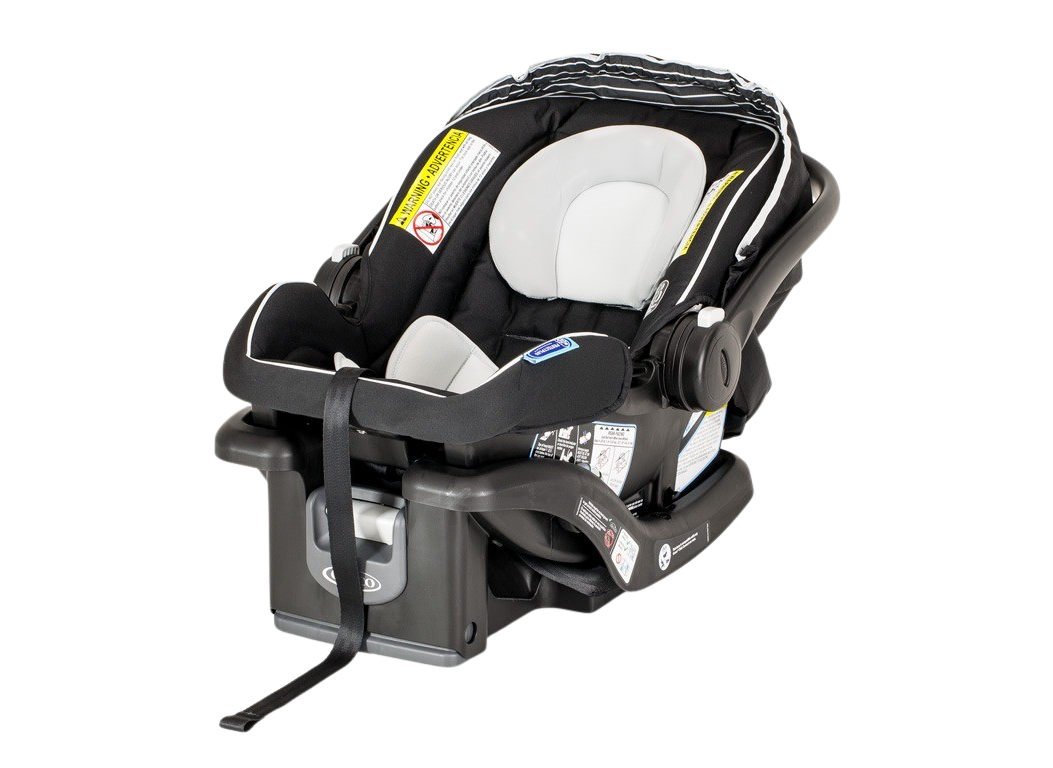
Graco SnugRide Lite LX Infant Car Seat, Lightweight Rear-Facing Seat
Read review →
Doona
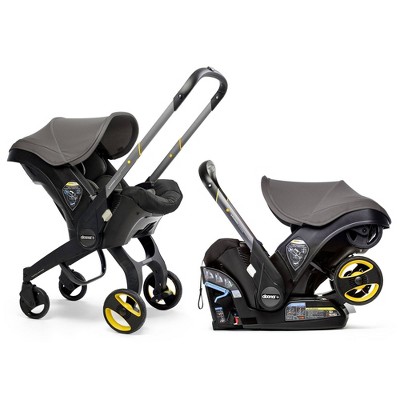
Doona Car Seat & Stroller, All-in-One Travel System
Read review →
Related Content
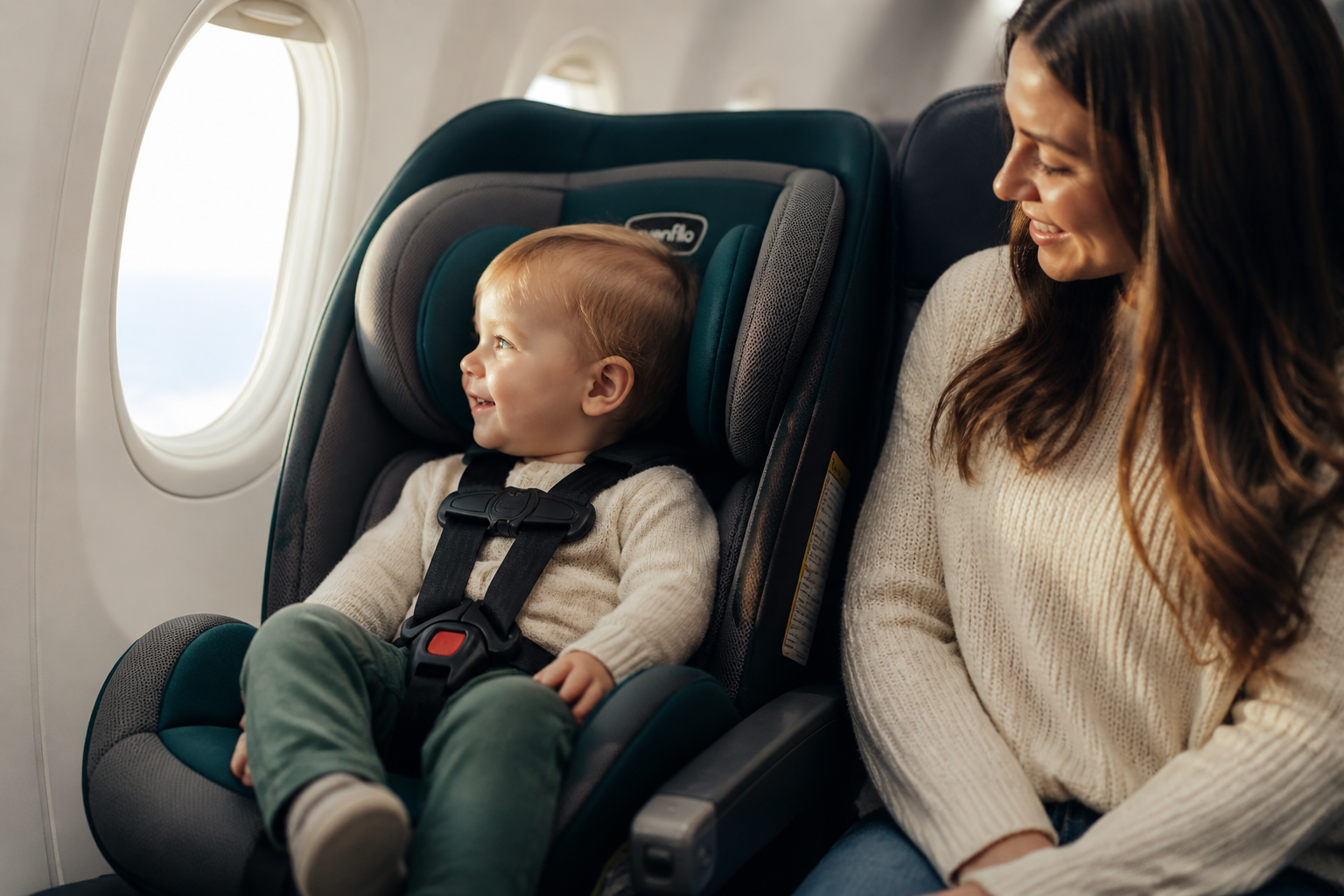
Best FAA-Approved Car Seats for Airplanes (2026)
6 parent-reviewed, FAA-approved car seats for flying with toddlers — from lightweight infant carriers to convertible seats and boosters, with real installation tips and airline rules.
Car Seats in Rental Cars: The Complete Parent's Guide (2026)
Bring your car seat or rent? Installation tips, rental company policies, rideshare strategies, and protecting your seat during travel.
Baby Trend Trooper Slim Review: The Narrow 3-in-1 That Actually Fits on a Plane
Honest Baby Trend Trooper Slim 3-in-1 review — slim 16.75-inch width, FAA approval, airplane installation, 3-across fit, and the real trade-offs of a budget travel seat.