Navigating Airports with a Toddler: A Parent's Step-by-Step Survival Guide (2026)
A real parent's guide to navigating airports with a toddler — from TSA PreCheck and security lines to gate strategy, layovers, and baggage claim.
Most parents assume the flight itself is the hardest part of air travel with a toddler. It usually is not. Two and a half hours crossing a large airport with a 22-month-old on a holiday weekend is the real problem: security, distance, queues, and nowhere to put a child down. The flight is the exhausted aftermath.
Between security lines, gate changes, delayed departures, and trying to keep a newly mobile toddler from sprinting toward the moving walkway like it is the greatest toy ever invented, the airport portion of any trip can make or break your entire travel day. We have done this enough times now — through major hubs and tiny regional airports, during peak summer travel and quiet Tuesday mornings — to know exactly what works and what falls apart.
This guide is the airport playbook worth reading before a first flight with a child rather than after one. Every section covers a specific phase, from the moment you pull into the car park to the moment you walk out of baggage reclaim at the other end.
Pre-Departure Preparation: Set Yourself Up Before You Leave Home
The airport starts at home. How you prepare in the hours before departure determines whether you are the calm family gliding through security or the frantic one holding up the line while digging through an overpacked diaper bag for a boarding pass.
TSA PreCheck and Global Entry: Worth Every Penny
If you fly with a toddler more than once a year, TSA PreCheck is not optional. It is mandatory. Here is what it gets you:
- A shorter, faster line. The PreCheck line is almost always shorter than the standard security line. During holiday travel, the difference can be 30 to 60 minutes.
- You keep your shoes on. This sounds trivial until you are holding a squirming toddler and trying to unlace your boots while simultaneously pushing a stroller onto the conveyor belt.
- Laptops and liquids stay in the bag. No digging out your electronics or pulling your quart-sized bag of toiletries. Everything goes through the scanner together.
- No body scanner. You walk through a standard metal detector. Faster, less intimidating for kids who are scared of the big machine.
TSA PreCheck costs $78 for five years. Global Entry costs $100 for five years and includes PreCheck plus expedited customs for international travel. Children under 18 do not need their own PreCheck membership — they can go through the PreCheck line with a parent who has it. But they do need their own Global Entry if you want to use the Global Entry kiosks at customs.
One critical detail: your PreCheck status is tied to the Known Traveler Number on your boarding pass. Make sure it is entered correctly when you book. If it is missing, you will not get PreCheck — and you will not find out until you are already at the airport staring at the standard security line that wraps around the terminal.
What to Wear to the Airport
This is not a fashion discussion. This is a logistics discussion.
For you:
- Slip-on shoes. No laces. Even with PreCheck, you may occasionally get sent through standard screening.
- Pants with real pockets. You need somewhere to stash your phone, ID, and boarding pass that is not the bottom of a diaper bag.
- A jacket or hoodie with a zipper pocket. Passports, credit cards, and car keys go in there.
- Nothing metal if you can avoid it — belt buckles, heavy jewelry, and watches all slow you down.
For your toddler:
- Shoes that slip on and off. Velcro closures, pull-on boots, or Crocs. If your toddler is under 12 and you have PreCheck, they keep their shoes on. But in standard screening, kids' shoes come off too.
- Comfortable, stretchy clothes. Something they can run, climb, and nap in.
- A layer for the plane. Airports are warm. Planes are cold. A light fleece or zip-up hoodie solves both.
- A fresh diaper or a recent bathroom trip right before you leave the house. Changing a diaper in the airport bathroom is doable but never fun.
The Arrival Time Math
With a toddler, add 30 minutes to whatever you would normally allow for the airport. If you would usually arrive 90 minutes before a domestic flight, arrive 2 hours early. International flights: arrive 3 hours early minimum.
This is not about security taking longer — although it often does. It is about everything else. The diaper blowout in the parking garage. The toddler who insists on walking instead of riding in the stroller, tripling your travel time through the terminal. The unexpected nursing session. The gate change that puts you in a different terminal entirely.
Arriving with buffer time means you can handle any of these without panic. And if everything goes smoothly, you get to spend that extra time at the gate where your kid can burn off energy before boarding.
The Security Checkpoint: A Step-by-Step Walkthrough
Security with a toddler is the part that terrifies new traveling parents the most. It does not need to be stressful, but it does require a plan.
Family Lanes
Many larger airports have dedicated family lanes at the TSA checkpoint. These are not always clearly marked, so look for signs that say "Family" or "Accessible" near the entry point. Family lanes are staffed by agents who are accustomed to working with kids, strollers, and car seats. They tend to be more patient, and the people in line behind you are also families — so nobody is huffing at you for taking an extra minute.
If you do not see a family lane, ask a TSA agent at the entrance. They may wave you over to one, or they may direct you to the shortest available line.
The Security Line Procedure
Here is the exact sequence we follow every time. It works whether you are in PreCheck or standard screening.
While you are still in line:
- Get your IDs and boarding passes ready. Have them in your hand or an easily accessible pocket, not buried in a bag.
- If your toddler is in a stroller, start loosening any items hanging from it — bags, water bottles, toys clipped to the handle.
- Give your toddler a heads-up about what is coming. "We are going to put our bags on a slide and walk through a special door." This reduces the chance of a meltdown when their comfort object disappears into the X-ray machine.
At the conveyor belt:
- Collapse the stroller. If you have a travel stroller, this should be a one-hand, one-second operation. If your stroller is bulky, consider whether a compact travel stroller would be worth the investment for future trips.
- Place the collapsed stroller on the belt or hand it to a TSA agent for manual inspection. Not all strollers fit through the X-ray machine — oversized ones get a hand swab instead.
- Put bags, jackets, and any items from your pockets into bins.
- If you are in standard screening, remove laptops, remove your quart-sized liquids bag, and take off your shoes and your toddler's shoes if they are over 12.
- Baby food, formula, breast milk, and juice pouches are exempt from the 3.4 oz liquid rule. You do not need to put them in your quart bag. But you do need to declare them to the TSA agent before your bag goes through the scanner. Just say, "I have formula and baby food pouches in this bag." They will pull it aside for additional screening — usually a quick hand inspection or a swab test.
Walking through the detector:
- Pick up your toddler. Walk through together. Babies cannot go through the X-ray machine (yes, someone has tried). Car seats and strollers go through the machine. Babies go through with you.
- If the detector goes off, you may get a pat-down. The agent will ask if you want to put your child down first. If your toddler is the type to bolt, say no and hold them while you are screened.
On the other side:
- Grab your kid first. Then your bags. Then reassemble the stroller.
- Do not rush. Take a moment to get organized before you start walking to the gate. Trying to push a stroller, carry three bags, and hold a toddler's hand while speed-walking through the terminal is how things get left behind.
Gate-Checking the Stroller
Most airlines let you gate-check a stroller for free. This means you use the stroller all the way to the gate, then leave it at the end of the jet bridge right before you board the plane. It will be waiting for you when you exit the jet bridge at your destination — or at baggage claim, depending on the airline and airport.
A few things to know:
- Get a gate check tag at the ticket counter or the gate. You need to tag the stroller before you board. Some airlines have tags available at the gate desk; others want you to get one at check-in.
- Protect your stroller. Gate-checked strollers get thrown around by ground crews. A stroller travel bag protects it from damage, dirt, and weather. If your stroller is expensive, this is a worthwhile investment.
- Remove anything attached to the stroller before you hand it off. Water bottles, snack cups, toys, rain covers, cup holder accessories — all of it will disappear or get damaged. Strip the stroller down to the bare frame.
- At some airports, gate-checked items appear at baggage claim instead of the jet bridge. This is common at larger hubs and during connecting flights. Ask the gate agent where your stroller will be returned so you are not standing at the jet bridge waiting for something that is on a carousel downstairs.
Car Seat Logistics Through the Airport
If you are bringing a car seat on the plane, you need a plan for getting it through the airport. A car seat weighs 10 to 30 pounds and is awkward to carry — and you also have luggage, a diaper bag, and a toddler.
Options that work:
- A car seat travel cart. This is essentially a small dolly that straps your car seat to a wheeled frame. Your toddler sits in the car seat, you wheel them through the airport, and it all folds up at the gate.
- A car seat backpack carrier. If you are checking the car seat instead of bringing it on the plane, a padded backpack-style carrier lets you wear it on your back, keeping your hands free.
- Strap it to your carry-on suitcase. Some parents use a luggage strap to attach the car seat to the top of a rolling carry-on. It works, but it is top-heavy and tips over easily.
We have a full breakdown of car seat travel options if you are weighing whether to bring yours or rent at the destination. Our renting vs. bringing gear guide covers that decision in detail.
Gate Strategy: The Two Hours You Cannot Ignore
The time between clearing security and boarding the plane is either the easiest or the hardest part of the airport experience, depending entirely on how you manage it.
Finding Your Gate and Getting Oriented
When you arrive at your gate, do a quick survey:
- Where is the nearest family restroom? Not just any restroom — a family restroom with a changing table and enough space for a stroller. Airport restroom apps (like the one from FlyHealthy) can help, but walking the terminal is faster.
- Where is the nearest nursing or pumping room? Major US airports are required to provide lactation rooms in every terminal, thanks to the FAA Reauthorization Act. They are usually marked with signage, but they can be hidden. Ask an airline agent if you cannot find one. These rooms have outlets, comfortable seating, and a lock on the door. They are a lifesaver for nursing or pumping parents.
- What food options are nearby? Identify them before you need them. A hungry toddler plus a 15-minute walk to the only restaurant is a recipe for a public meltdown.
- Is there a play area? Many larger airports have children's play areas with padded floors, kid-sized climbing structures, and contained spaces where your toddler can burn energy. Atlanta, Detroit, Chicago O'Hare, Denver, and Dallas/Fort Worth all have solid play areas. Smaller airports usually do not — but even a carpeted gate area with some open space works.
Keeping Your Toddler Contained at the Gate
This is the challenge. Your toddler wants to explore. You need to stay near the gate to hear boarding announcements and watch for gate changes. These two desires are fundamentally in conflict.
Strategies that work:
Let them walk — with boundaries. Pick a section of the gate area and establish clear boundaries. "You can walk between this chair and that window." Toddlers respond surprisingly well to physical boundaries they can see. Walk with them. Do not expect them to stay put while you sit.
Bring a gate activity kit. This is separate from your in-flight entertainment. In-flight stuff stays sealed until boarding. The gate kit is expendable — stickers, a small coloring pad, a few snack pouches, and one or two small travel toys. The goal is to fill 30 to 60 minutes, not 4 hours.
Watch planes. If you are at a window gate, this is free entertainment for ages 1 through 4. Stand at the window and narrate: "That plane is pushing back. See the tug? Now it is taxiing. Where is it going?" Toddlers who have never shown interest in planes at home will be glued to the window at an airport.
Use the stroller strategically. If your toddler is getting wound up and you need them stationary for a few minutes — boarding announcement, gate change, quick bathroom break — the stroller is your containment device. A snack cup and a show on a tablet buys you the time you need.
Airport Food for Toddlers
Airport food is expensive, mediocre, and almost entirely designed for adults. But your toddler still needs to eat, and a fed toddler is a cooperative toddler.
Pack food from home. TSA allows solid food through security with no restrictions. Bring more than you think you need. Favorites that travel well: squeeze pouches, string cheese, crackers, dry cereal, banana (eat it before it gets smashed), and pre-cut fruit in a container.
What to buy at the airport: If you need to supplement, look for these: yogurt cups (sold at most airport shops), bagels, bananas from the coffee shops, and milk boxes. Avoid anything you have never given your kid before — the airport is not the time to discover a food allergy or a texture aversion.
Hydration matters. Bring an empty water bottle through security and fill it at a water fountain. For toddlers, a spill-proof sippy cup is essential. Some airports have family water fountains at a lower height. Fill your kid's cup before boarding — the drink service on the plane takes forever and turbulence can delay it further.
Boarding: The Great Pre-Board Debate
Airlines offer pre-boarding (also called family boarding or priority boarding) to families with young children. Whether you should take it is genuinely debatable.
The Case for Pre-Boarding
- You get overhead bin space. If you are traveling during a busy period, this alone is reason enough.
- You can install a car seat without holding up the boarding line.
- You can get settled, organize your bags, and set up your seat area before the cabin fills up.
- On Southwest, early boarding means better seat selection.
The Case Against Pre-Boarding
- You add 20 to 40 minutes of time your toddler spends strapped into a seat on the plane. For a 2-year-old, those extra minutes might be the difference between a calm flight and a mid-flight meltdown.
- If your toddler is happily burning energy at the gate, cutting that short to board early is trading gate freedom for plane confinement.
The Strategy Most Experienced Parents Use
One parent boards early with the car seat, carry-ons, and heavy bags. They install the car seat, store the bags, and set up the seat area. The other parent stays at the gate with the toddler, letting them play and move until the last boarding group. Then they walk on with just the toddler and a diaper bag.
If you are flying solo, pre-board. You need that extra time to get organized without 150 people waiting behind you.
Layover Survival: Making Connections with a Toddler
Layovers with a toddler are either a welcome break or a full-blown crisis, depending on three factors: time, distance, and your kid's current state.
The Minimum Connection Time Problem
Airlines will sell you a connection with a 45-minute layover and technically, that is enough time for an adult to walk from gate B14 to gate C22. It is not enough time when you are pushing a stroller, carrying a car seat, changing a diaper, and navigating a 2-year-old who just discovered that the terminal has a moving walkway and wants to ride it six more times.
Book connections with at least 90 minutes for domestic and 2.5 hours for international. Yes, this means longer travel days. But a missed connection with a toddler — rebooking, waiting for the next flight, finding food, managing an overtired kid — is exponentially worse.
Layover Activities
If you have a long layover, use it well:
- Find the play area. If the airport has one, head there first. Even 20 minutes of climbing and running changes your toddler's mood for the next flight.
- Walk the terminal. Toddlers who have been sitting need to move. Walk the entire terminal if you have time. Let them push the stroller. Let them look in shop windows. The movement itself is the activity.
- Have a real meal. Sit down at an actual table. A layover meal feels almost normal. Use a portable high chair or a clip-on seat if the restaurant does not have high chairs — many airport restaurants do not.
- Find a quiet corner for a nap. If your toddler is due for sleep, find a less-trafficked gate area, recline the stroller, and let them doze. A 30-minute layover nap can save the second flight.
When Connections Go Wrong
Delays happen. Cancellations happen. When they happen with a toddler, you need to act fast.
- Call the airline while you stand in the rebooking line. The phone agent can rebook you before you reach the counter. Save the number in your phone before you travel.
- Ask for meal vouchers and lounge access. Airlines sometimes provide these during long delays, especially for families. It never hurts to ask, and a lounge with food and comfortable seating is infinitely better than a crowded gate area.
- Have a backup plan for extended delays. Keep a portable crib pad or a familiar blanket in your carry-on. If your child needs to sleep and you are stuck at the airport, you need something to make a stroller or a quiet corner feel sleep-worthy.
For deeper strategies on managing the flight itself, our complete flying with a toddler guide covers everything from takeoff to landing. And our keeping toddlers entertained on a plane guide has specific activity ideas broken down by age.
Delay Survival: When Your Flight Is Not Leaving on Time
Flight delays with a toddler test your patience more than almost anything else in parenting. Your toddler does not understand "the plane is delayed 90 minutes." They understand that they are bored, hungry, and trapped in a place with no toys.
The Delay Kit
This is different from your gate kit and your in-flight kit. The delay kit is your emergency reserve:
- One sealed, never-before-seen toy or activity. Novelty is your greatest weapon. A new set of stickers, a small figurine, a pad of sticky notes — anything brand new that will hold attention for 15 to 20 minutes.
- Extra snacks beyond what you planned. Whatever you packed for the flight, add two more pouches and a bag of crackers for delays.
- A fully charged tablet with downloaded content. We know screen time is a loaded topic. But a 2-hour delay at 8 PM with an overtired toddler is a legitimate emergency. Download a few episodes of their favorite show and do not feel guilty.
- A change of clothes. If the delay stretches into hours, a fresh outfit can reset your toddler's mood. Sounds strange, but it works.
Managing Your Own Stress
Your toddler reads your energy. If you are tense, anxious, and frustrated, they will mirror it. Take a breath. Call someone who can make you laugh. Walk around. Eat something. The delay is not going to get shorter because you are stressed about it — but it will feel shorter if you can stay calm.
Arrival and Baggage Claim: The Final Stretch
You have landed. The hard part is over. Except it is not — you still need to get off the plane, retrieve your stuff, and get to your final destination, and you are doing it with a toddler who has been sitting still for hours and is now ready to run.
Deplaning Strategy
Do not rush. Let the people in a hurry go first. Use the deplaning time to:
- Pack up your seat area. Check the seat-back pocket, under the seat, and between the cushions. Toddlers shed belongings like trees shed leaves.
- Put shoes back on everyone.
- Get the diaper bag and carry-on organized so you can exit with everything.
- If you gate-checked a stroller, it should be waiting at the end of the jet bridge. If it is not there, ask a gate agent. Sometimes it takes a few minutes.
Baggage Claim with a Toddler
Baggage claim carousels are mesmerizing to toddlers. They are also dangerous — heavy bags sliding down a metal chute at speed, sharp edges on luggage, and the carousel itself moving with enough force to knock a small child down.
Keep your toddler in the stroller or held by one parent while the other grabs bags. This is not negotiable. One parent on bag duty, one parent on kid duty. If you are flying solo, park the stroller away from the carousel, lock the wheels, and keep your toddler strapped in while you make fast trips to grab bags.
Know where your car seat is. If you checked it, it may come on the regular carousel or at an oversized baggage area. Watch for it — car seats get scuffed and scratched on carousels, and the sooner you grab it, the less damage it takes.
Ground Transportation
Getting from baggage claim to your car, rental, or ride-share is the last obstacle.
- If you are renting a car, have the car seat ready to install. Practice installing it at home before the trip so you can do it fast in a rental car parking lot with a cranky toddler watching from the stroller.
- If you are taking a ride-share, know your plan for the car seat. Some parents travel with an inflatable booster for ride-share situations. Others request a car seat from the ride-share company (availability varies wildly). Our car seat guide covers all your options.
- If someone is picking you up, coordinate by text before you land. Curbside pickup with a toddler, bags, a stroller, and a car seat requires someone pulling up at exactly the right moment. Standing on a curb with all of that for 20 minutes is miserable.
Airport-Specific Tips by Age
Babies (Under 12 Months)
Babies are actually easier in airports than toddlers in many ways. They stay where you put them (stroller or carrier), they sleep more easily, and they do not try to escape. The challenges are feeding and diaper changes.
- Wear your baby through security if you can. A travel baby carrier lets you keep your hands free and your baby close. You can wear most carriers through the metal detector without removing them — but you may get a hand swab on the fabric.
- Know where the nursing rooms are. The Mamava app shows nursing room locations in most major airports. These rooms are private, clean, and have outlets for pumps.
- Bring extra formula or breast milk. TSA allows reasonable quantities for the flight plus a buffer. There is no hard upper limit, but anything that seems excessive may get extra screening. Bring the amount you need for the travel day plus one or two extra bottles.
Young Toddlers (12-24 Months)
This is the hardest age for airports. They want to walk but cannot be reasoned with. They move fast and have no sense of danger. They are too big to be easily worn in a carrier for hours but too young to follow instructions reliably.
- Use a stroller with a good harness. Five-point harness, ideally. This is your containment system. Choose a lightweight travel stroller that is easy to fold and maneuver through tight spaces.
- Bring a leash. Seriously. Toddler harness backpacks get judged by strangers and endorsed by every parent who has used one. In a crowded airport with a runner, they are a safety device.
- Keep them in the stroller through security if possible, then let them out on the other side to walk and explore before the flight.
Older Toddlers (2-4 Years)
Older toddlers are more manageable because you can explain what is happening and they can follow simple instructions. "Hold Mommy's hand" and "Stay right next to the stroller" actually work (most of the time).
- Give them a job. Let them pull a small rolling suitcase. Let them hand the boarding passes to the gate agent. Let them help scan the bag at security. Involvement equals cooperation.
- Explain the process in advance. "First we go through the special door where they check our bags. Then we walk to our gate. Then we find a snack. Then we get on the airplane." Toddlers handle transitions better when they know what is coming.
- Use the bathroom before boarding. Even if they say they do not need to go. The airplane bathroom is tiny, turbulent, and terrifying for some kids. Getting one last bathroom trip in at the gate is always worth it.
The Complete Airport Packing Checklist
Here is everything you need accessible during the airport portion of your trip — not packed in checked luggage:
Documents:
- Boarding passes (printed backup plus phone)
- ID for each parent
- Birth certificate for lap infants (some airlines require it)
- Passports for international travel
- TSA PreCheck Known Traveler Number confirmation
Diaper Bag Essentials:
- Diapers (one per hour of travel plus extras)
- Wipes
- Changing pad
- Diaper cream
- Two changes of clothes for the toddler
- One change of shirt for you (spit-up, spills, blowouts)
- Plastic bags for dirty clothes
Food and Drink:
- Empty water bottle (fill after security)
- Toddler's sippy cup or straw cup
- Squeeze pouches (4-6 for a travel day)
- Dry snacks in spill-proof containers
- Milk box or formula for younger babies
- Breast milk or nursing supplies if applicable
Entertainment:
- Gate activity kit (stickers, coloring pad, one or two small toys)
- In-flight activity kit (sealed, saved for the plane)
- Delay reserve toy (sealed, emergency use only)
- Tablet with downloaded shows and headphones
- Check our travel toys and activities roundup for age-specific recommendations
Comfort:
- Favorite stuffed animal or blanket
- A light layer for the cold plane
- Travel sleep accessories if your child might nap in the stroller
Gear:
- Travel stroller (gate-check it)
- Stroller travel bag for protection
- Car seat if bringing one on the plane
- Baby carrier for hands-free movement
The airport does not have to be a nightmare. It is a series of small, manageable stages — parking to check-in, check-in to security, security to gate, gate to plane. Handle each one individually, give yourself enough time, and keep your toddler fed and rested. You will be surprised how smooth it can go once you have a system.
And on the flights where it does not go smoothly — where the security line takes 45 minutes and the gate changes twice and your toddler has a meltdown in the middle of Terminal C — remember that thousands of parents are doing the same thing in airports around the world at this exact moment. You are not alone. You are not failing. You are just traveling with a toddler, and that is one of the most impressive things a person can do.
For more on the flight itself, check out our complete guide to flying with a toddler and our toddler packing list for the full trip.
Products Mentioned
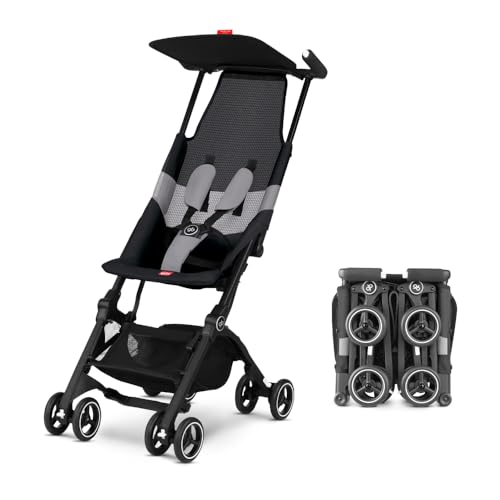
gb
gb Pockit Air All-Terrain Ultra Compact Travel Stroller
Read review →
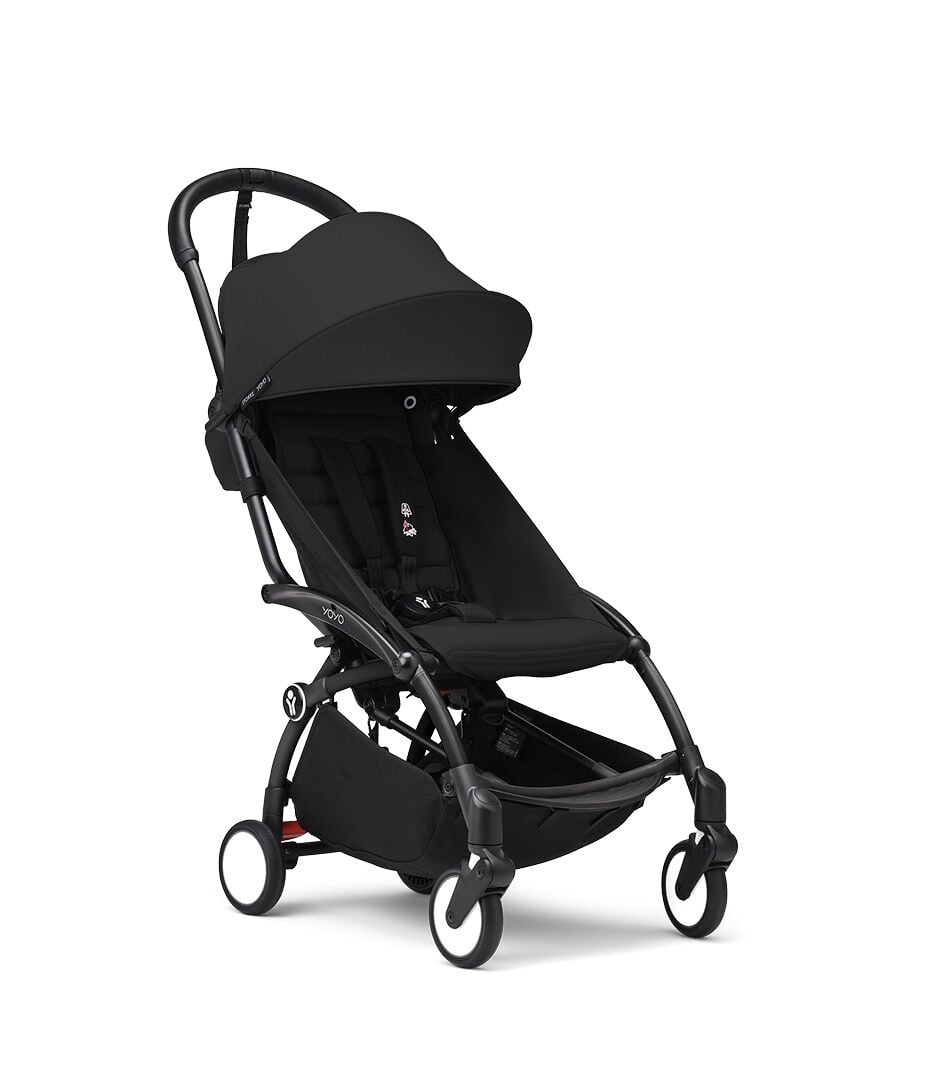
Stokke
Stokke YOYO3 Stroller, Lightweight & Compact Travel Stroller
Read review →
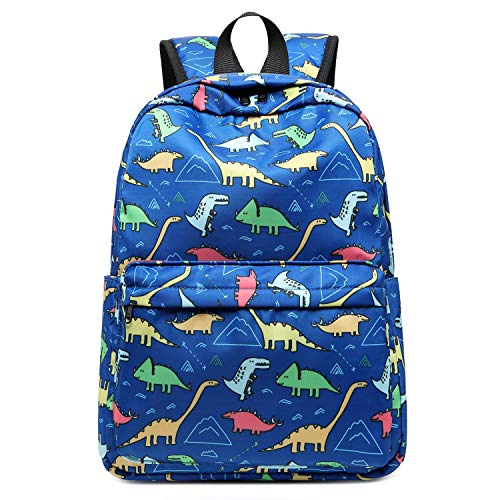
CAMTOP
CAMTOP Toddler Backpack for Boys Girls 2-4, 12" Kids Backpack for Preschool
Read review →
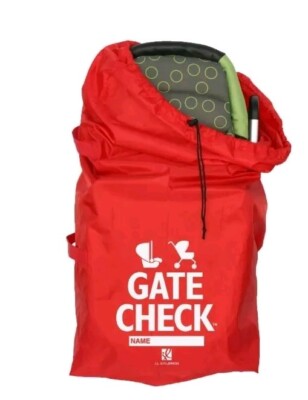
J.L. Childress
J.L. Childress Gate Check Bag for Single & Some Double Strollers, Red
Read review →
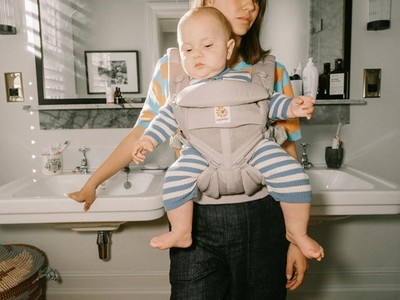
Ergobaby
Ergobaby Omni Classic Baby Carrier for Newborn to Toddlers 0-48 Months
Read review →
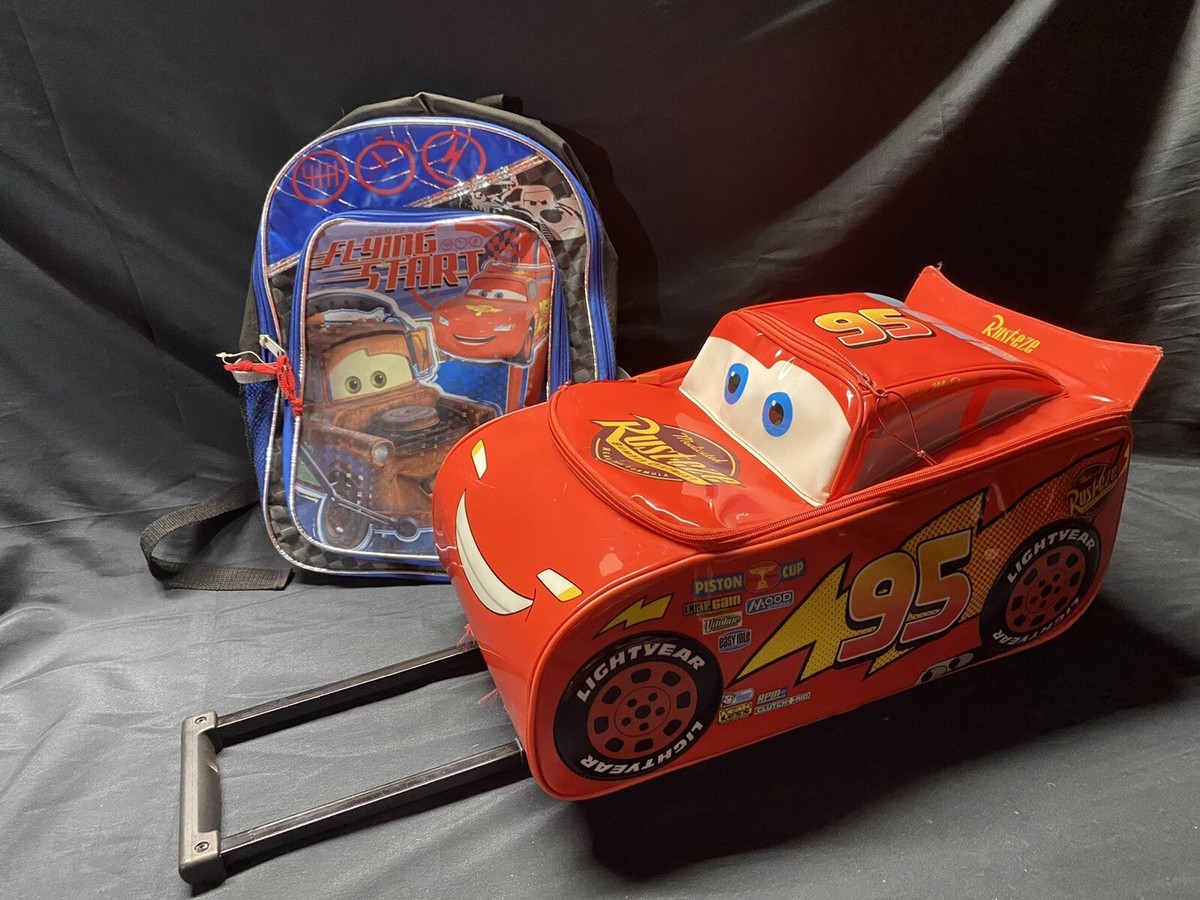
Disney
Disney Cars Lightning McQueen Carry-On Luggage with Wheels & Telescopic Handle, 16" 25L
Read review →
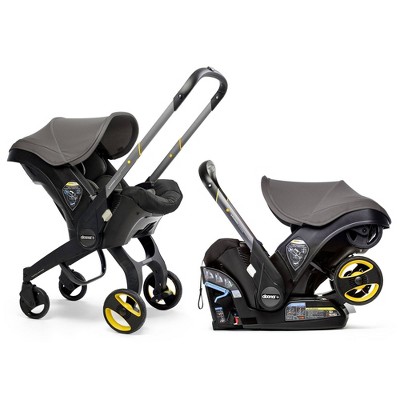
Doona
Doona Car Seat & Stroller, All-in-One Travel System
Read review →
Related Content
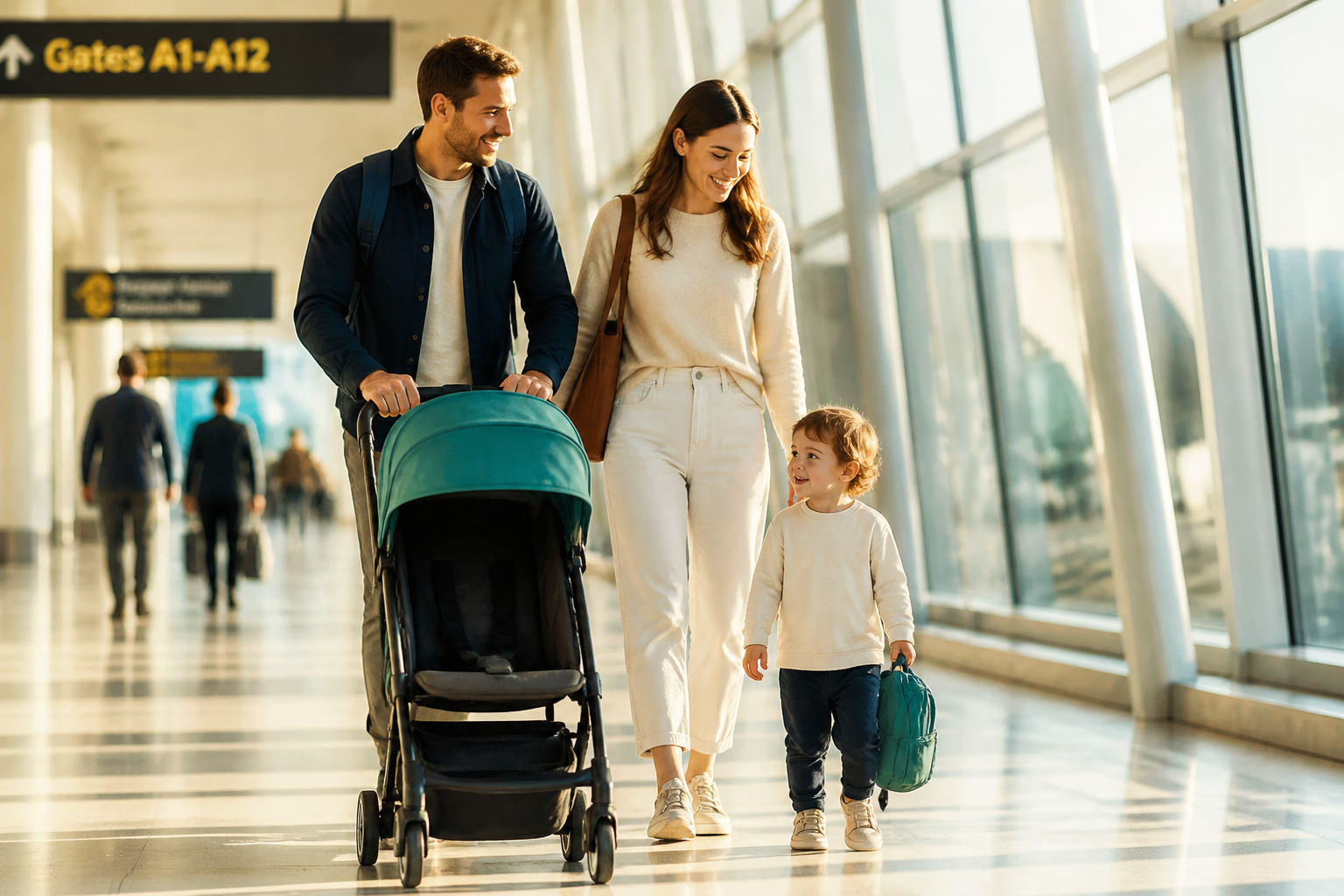
Flying with a Toddler: The Complete Parent's Guide (2026)
Complete guide to flying with a toddler — booking seats, packing carry-ons, and surviving meltdowns at 35,000 feet. Real parent advice.
Potty Training During Travel: The Honest Parent's Guide (2026)
How to handle potty training during travel — portable potty options, airplane bathrooms, car trip protocol, handling regression, and what to pack.

Toddler Jet Lag: The Complete Parent's Guide to Time Zone Travel (2026)
How jet lag affects babies and toddlers differently, plus day-by-day strategies for adjusting sleep schedules when traveling across time zones with young kids.