Car Seats in Rental Cars: The Complete Parent's Guide (2026)
Bring your car seat or rent? Installation tips, rental company policies, rideshare strategies, and protecting your seat during travel.
A rented car seat can arrive years old, with a sticky buckle, a missing chest clip pad, frayed straps and no legible manual. None of that is unusual, and all of it matters: a rental agency cannot tell you whether the seat has been in a crash, and a seat with an unknown history is one you cannot verify as safe. That is the core problem with renting, and it is not solved by asking for a newer one.
Parents take it anyway, because the car seat they gate-checked on the flight out is still somewhere in baggage claim. It is a common enough story to be the norm rather than the exception, and it is the reason this decision is worth making before you book rather than at the rental counter.
This guide covers every angle of the car seat and rental car question: whether to bring your own or rent, how to install in an unfamiliar vehicle, what to expect from each major rental company, how to protect your seat during air travel, and what to do when you need a rideshare at your destination.
Bring Your Own vs Rent From the Agency: The Real Calculus
This is the central question every traveling parent faces, and the answer depends on more factors than most advice articles acknowledge.
The Case for Bringing Your Own Car Seat
The strongest argument for bringing your own seat is simple: you know it. You know how it installs. You know the straps are in good condition. You know it has not been in an accident. You know it fits your child. You know the expiration date. You know the recall status.
That certainty is worth a lot when you are strapping your kid into a seat that will be traveling at highway speeds in an unfamiliar city.
There are practical advantages too. You will need the seat at your destination anyway if you are doing any driving — taxis, rideshares, or borrowed cars from family. If you are flying and plan to use the car seat on the plane (which the FAA recommends for all children), you already have it with you. Check our airline car seat rules guide for the full breakdown on using your seat during the flight.
The cost math also favors bringing your own on longer trips. Rental car seat fees run between $10 and $15 per day, which adds up to $70 to $105 for a week-long trip. A car seat travel bag costs $25 to $50 and lasts for years. After two or three trips, the bag has paid for itself.
The Case for Renting From the Agency
Convenience is the honest answer. If you are already managing luggage, a stroller, a diaper bag, and one or two small humans through an airport, adding a 15-to-25-pound car seat to the equation can push you past your physical and logistical limits. This is especially true for solo parents or parents traveling with multiple young children.
Renting also makes sense for short trips — a weekend visit where you are only driving from the airport to a hotel and back. Paying $30 for a rental seat versus hauling your own seat through two airports can be the right call.
And sometimes it is not a choice. If your car seat gets damaged during the flight, or the airline loses your luggage, you need a backup plan. Knowing what to expect from rental car seats is valuable even if you usually bring your own.
Our Recommendation
For trips longer than three days where you will be doing significant driving, bring your own seat. The cost savings, safety certainty, and peace of mind are worth the hassle. For short trips where you are barely driving, renting is a reasonable trade-off — but inspect the seat carefully before you leave the lot.
If you do not already have a lightweight, travel-friendly car seat, consider picking one up specifically for trips. The options on our best FAA-approved car seats page include several under 12 pounds that are specifically designed to move between vehicles easily.
What to Expect From Rental Company Car Seats
Let us be blunt: rental car seats are a gamble. The major rental companies treat car seats as an afterthought, and the quality and condition vary wildly between locations, between days, and even between the morning and afternoon shift.
Hertz
Hertz charges $13.99 per day with no cap in most markets. They typically stock Cosco and Evenflo seats. Availability is first-come, first-served — you can request a car seat during booking, but it is not a guarantee. We have arrived at Hertz counters to be told they were out of rear-facing seats and offered a booster for a 14-month-old. Always have a backup plan.
Enterprise / National
Enterprise charges $10 to $13 per day depending on location, with a maximum daily cap at some locations (often around $65 for the rental period, but this varies). They tend to carry a mix of Cosco and Graco seats. Enterprise is generally better about honoring reservations for car seats, but "better" is a relative term. Always confirm the day before pickup.
Budget / Avis
Budget and Avis (same parent company) charge $13 per day with no cap. Their car seat inventory tends to be smaller, especially at airport locations. Off-airport locations sometimes have better availability because they serve more local customers who need car seats for visiting grandchildren and similar situations.
Dollar / Thrifty
Dollar and Thrifty charge $12 to $14 per day. Their car seat stock is typically the most basic — expect entry-level Cosco seats. At smaller locations, they may not have car seats at all.
Common Problems With Rental Car Seats
Parents report the same issues over and over:
Condition. Rental car seats see hard use and minimal maintenance. Stained fabric, sticky buckles, missing padding, and sun-faded harness straps are standard. The seats are functional, but they have clearly been through hundreds of installations and thousands of miles.
Age and recalls. Rental companies are supposed to check for recalls, but enforcement is inconsistent. We have encountered seats that were past their expiration date (yes, car seats expire — the plastic degrades over time). Check the manufacture date on the label. Most seats expire six to ten years after manufacture.
Unknown history. The biggest concern. A car seat that has been in a crash should be replaced. Rental companies rely on customers to report accidents, and not all of them do. You have no way to verify the crash history of a rental seat.
Wrong seat for your child. Rental companies stock a limited range. If your child is between sizes or has specific needs (long torso, needs rear-facing due to age, etc.), the available seat may not be ideal.
How to Inspect a Rental Car Seat
If you do rent, spend five minutes checking the seat before you install it:
- Read the label for manufacture date and expiration date
- Check the harness straps for fraying, cuts, or stiffness
- Test the buckle — it should click firmly and release smoothly
- Verify the chest clip slides up and down and locks in position
- Look for cracks in the plastic shell, especially around the belt path
- Check that the LATCH connectors (if present) are not bent or damaged
- Make sure the seat recline adjusts properly
- Look for a recall sticker or check the model number on the NHTSA recall database on your phone (it takes 30 seconds)
If anything feels wrong, ask for a different seat. If they do not have another one, seriously consider a quick trip to a nearby Target or Walmart to buy a basic car seat. A new Baby Trend Trooper Slim costs around $96 — about the same as a week of rental fees — and you will know exactly what you are getting.
Installing Your Car Seat in an Unfamiliar Rental Car
This is where the real stress lives. You are standing in a hot rental car lot, your toddler is losing patience, your partner is wrangling luggage, and you are trying to figure out where the LATCH anchors are in a vehicle you have never sat in before.
Here is how to make it go smoothly.
LATCH vs Seat Belt Installation: Which to Use
Every car seat can be installed using the vehicle's seat belt. The LATCH system (Lower Anchors and Tethers for Children) is an alternative method available in most cars manufactured after 2002. Both methods are equally safe when done correctly. That is the key point — equally safe.
Use the seat belt method when:
- You are unsure where the LATCH anchors are in the rental car
- The LATCH anchors are difficult to access (buried deep in the seat crease)
- Your child plus car seat exceed the LATCH weight limit (usually 65 lb combined)
- You are installing in the center seat (most vehicles do not have LATCH in the center)
Use LATCH when:
- You can easily locate and access the anchors
- Your child plus car seat are under the weight limit
- You are more comfortable with the LATCH installation in your particular car seat
In an unfamiliar rental car, the seat belt method is often faster and less frustrating. You do not need to hunt for hidden anchor points. Thread the belt, lock it, tighten, done.
Finding the LATCH Anchors
If you prefer LATCH, the lower anchors are located in the crease between the seat bottom and seat back, in the outboard seating positions (left and right, not center). In many rental cars — especially economy and compact models — the anchors are buried deep and can be hard to reach.
Look for small metal bars or loops. Some vehicles have icons on the seat fabric showing anchor locations. If you cannot find them, check the vehicle's owner manual in the glove box. Rental cars always have the manual.
The top tether anchor is on the back of the vehicle seat or on the rear shelf/floor area behind the seat. This anchor is used in addition to the lower anchors for forward-facing installations. Always use the top tether for forward-facing seats — it dramatically reduces head movement in a crash.
Step-by-Step Installation Checklist
Whether you are using LATCH or seat belt, follow this process:
Before you start:
- Remove the car seat from its travel bag and inspect for damage from the flight
- Read the vehicle section in your car seat manual (you did bring the manual, right? If not, download the PDF on your phone — every manufacturer has them online)
- Identify the seating position you will use
Seat belt installation:
- Place the car seat in the vehicle seat in the correct orientation (rear-facing or forward-facing)
- Route the seat belt through the correct belt path on the car seat (rear-facing and forward-facing have different belt paths — check the labels on your seat)
- Buckle the seat belt
- Lock the seat belt: pull it all the way out until it clicks into locking mode, then let it retract. On some vehicles, you may need to use a locking clip if the belt does not have a built-in lock
- Push down on the car seat with your knee while pulling the belt tight
- Check for movement: grab the car seat at the belt path and try to move it side to side and front to back. It should not move more than one inch in any direction
- For forward-facing seats: attach the top tether to the tether anchor behind the vehicle seat and tighten
LATCH installation:
- Place the car seat in position
- Attach the lower LATCH connectors to the lower anchors in the vehicle seat
- Tighten the LATCH straps using the tightening mechanism on your car seat
- Push down with your knee while tightening
- Check for the one-inch movement test
- For forward-facing: attach and tighten the top tether
After installation:
- Place your child in the seat and adjust the harness
- The harness should be at or below shoulder level for rear-facing, at or above shoulder level for forward-facing — the AAP car seat guide has detailed illustrations
- The chest clip goes at armpit level
- You should not be able to pinch any slack in the harness straps at the shoulder
Rear-Facing in Compact Rental Cars
This is one of the most common frustrations. You reserved an economy car to save money, and now your rear-facing car seat does not seem to fit. The front passenger seat is jammed against the dashboard and nobody can sit there.
A few things to know:
It will probably fit, but barely. Most rear-facing seats fit in compact cars, but the front passenger may need to move their seat forward significantly. On a short trip, this is manageable. On a three-hour drive, the front passenger will be miserable.
Consider upgrading the rental car. If you are rear-facing, the upgrade from economy to midsize is usually $5 to $15 per day and gives you dramatically more room. This is one of the few rental car upgrades that is genuinely worth the money for families.
Some car seats are better in tight spaces. The Baby Trend Trooper Slim is famously compact — about 16.75 inches wide — and works well in small cars. Check our FAA-approved car seats roundup for seats that have a smaller footprint.
Use the passenger-side position. Rear-facing seats often fit better behind the front passenger seat because the dashboard extends further on the driver's side in many vehicles, giving the driver more legroom.
Protecting Your Car Seat During Air Travel
If you are bringing your car seat on the plane, it is either riding in the cabin (installed in a purchased seat) or being checked. Either way, it needs protection.
Gate-Checking vs Checking at the Counter
Gate-checking means you use the car seat through the airport (often attached to a travel cart or carried) and hand it off at the jet bridge. It goes in the cargo hold but is loaded last and unloaded first, spending less time being handled. Gate-checked car seats are free on all major US airlines.
Counter-checking means you hand it over at check-in, and it goes through the regular baggage system. More handling time, more conveyor belts, more opportunities for damage. Also free on all US airlines.
Gate-checking is better for the seat's safety but worse for your airport logistics, since you are hauling it through the terminal. Counter-checking is more convenient but rougher on the seat.
Car Seat Travel Bags
A padded travel bag is the single best investment for protecting your car seat during flights. The bag cushions the seat against impacts, keeps it clean, and prevents straps and buckles from getting caught in conveyor belt mechanisms.
We strongly recommend a bag even for gate-checking. Baggage handlers are not gentle with car seats, and a cracked shell means the seat needs to be replaced immediately.
Look for a bag with backpack straps — carrying a car seat through an airport by a handle gets old fast. Our stroller travel bags roundup includes bags designed for car seats that have held up through dozens of flights.
What to put in the bag with the seat: Stuff soft items around the car seat inside the bag — a blanket, extra clothes, stuffed animals. This provides additional padding and makes use of dead space in your luggage.
When the Airline Damages Your Car Seat
It happens. You pick up your car seat at baggage claim and find a crack in the shell, a broken recline lever, or a buckle that no longer latches.
Do not use a damaged car seat. Any visible damage means the structural integrity may be compromised. This is not being overly cautious — it is basic physics.
File a claim immediately at the airline's baggage service counter before you leave the airport. Take photos of the damage. Airlines are required to compensate for damaged checked items, including car seats.
Buy a replacement. If you are at your destination and need a car seat now, head to the nearest store. Keep the receipt — include it in your airline claim.
Check your credit card benefits. Many travel credit cards include baggage damage protection that covers items the airline will not fully reimburse.
Rideshare Strategies at Your Destination
You have landed, you have your luggage, and you need to get from the airport to your hotel. If you did not rent a car, you are looking at a taxi, Uber, or Lyft. And you have a small human who legally needs a car seat.
The Legal Reality
Car seat laws vary by state and country, but in most US states, children must be in an appropriate car seat regardless of whether the vehicle is a personal car, rental, taxi, or rideshare. Some states have explicit exemptions for taxis and hired vehicles; others do not. New York City, for example, exempts taxis and for-hire vehicles from car seat requirements, but that does not mean it is safe — it means it is legal.
Our position: Use a car seat in every vehicle, every time. The laws of physics do not change based on who is driving.
Uber and Lyft Car Seat Options
Uber Car Seat is available in select cities (primarily New York City, with limited availability in a few other markets). You request it through the app, and the driver arrives with a forward-facing car seat installed. The seat is typically appropriate for children roughly 2 to 5 years old. It costs a surcharge of about $10 on top of the ride fare.
The service is extremely limited in availability. Do not count on it existing in your destination city.
Lyft does not offer a car seat service. Period.
Practical Rideshare Strategies
Bring a lightweight, portable car seat. If you know you will need rideshares at your destination, a compact seat like the Baby Trend Trooper Slim installs and removes fast enough to be practical at the kerb — under two minutes once the routine is familiar. Browse options in our car seats roundup.
Use an infant carrier. If your baby is still in an infant carrier, you can buckle it into any vehicle with a seat belt. No LATCH needed. This is one of the genuine advantages of infant carriers for travel — check our baby carriers for travel page for options.
Time your rides strategically. Request the ride, then install the car seat when the driver arrives. Most drivers are patient if you explain you are installing a child's car seat. Tip well.
Consider a car service. At many airports, car services and limo companies can provide a car seat if you request one in advance. The cost is higher than Uber, but the reliability is higher too. Call ahead — do not just show up expecting them to have one.
The hotel shuttle question. Many hotel shuttles are buses or vans that do not have seat belts in passenger rows. Technically, car seat laws often exempt buses. Practically, holding your child on your lap in a shuttle going 25 mph on airport roads is very different from holding them in a car at highway speeds. Use your judgment, but know the limitations.
Rental Car Models: What to Expect
Different rental car categories present different installation challenges. Here is what we have learned from installing car seats in dozens of rental vehicles.
Economy Cars (Nissan Versa, Kia Rio, Hyundai Accent)
Tight. Rear-facing is possible but the front passenger will lose significant legroom. LATCH anchors are usually accessible but shallow. The seat belt method is often easier in these cars because you have better access to the buckle. One car seat fits. Two rear-facing seats do not realistically fit in an economy car.
Compact Cars (Toyota Corolla, Honda Civic, Mazda 3)
Better. Most compact sedans handle one rear-facing seat with reasonable front-seat legroom. Two car seats (one rear-facing, one forward-facing) can work but will be tight in the back seat. The Corolla and Civic are particularly friendly for car seat installation — the LATCH anchors are relatively accessible and the seat belt locks easily.
Midsize Cars (Toyota Camry, Honda Accord, Hyundai Sonata)
The sweet spot for families. One or two car seats install comfortably. Adequate front-seat legroom even with rear-facing. Good LATCH anchor access. If you are traveling with a car seat, midsize is the minimum we recommend.
Midsize SUVs (Toyota RAV4, Honda CR-V, Ford Escape)
Excellent for car seats. Higher ride height makes installation easier on your back. Wide back seats accommodate two car seats with space between them. LATCH anchors are usually easy to access. This is our preferred rental category for family trips.
Minivans (Chrysler Pacifica, Toyota Sienna)
If you are traveling with two or more car seats, a minivan is luxury. Second-row captain's chairs give each seat its own space and its own set of LATCH anchors. Third row is available for additional passengers or gear storage. The sliding doors make installation and loading children dramatically easier. Minivans cost more to rent, but with multiple car seats, they are worth it.
Full-Size SUVs (Chevy Tahoe, Ford Expedition)
Similar to minivans in terms of car seat accommodation but with higher step-in height, which can make loading toddlers more difficult. The third row in most full-size SUVs is further from the LATCH anchors and less ideal for car seats. Stick to the second row.
Flying With Your Car Seat, Then Installing in the Rental
This is the most common scenario for traveling families, and it requires some planning. You need the seat to survive the flight, then be ready for installation in an unfamiliar vehicle at the rental car counter.
The Day-of Timeline
Here is how a typical airport-to-rental-car sequence works:
At your home airport:
- Place car seat in travel bag (if checking) or carry it with you (if using on the plane)
- If gate-checking, use the seat through security and to the gate, then hand it to the gate agent
- If using on the plane, install it in your child's ticketed seat
At your destination airport:
- Retrieve car seat from baggage claim or gate-check area
- Inspect for damage immediately — check shell for cracks, test the buckle, check harness straps
- Head to rental car counter with car seat
- Pick up rental car
- Install car seat in the rental car lot before loading luggage
- Adjust harness for your child and do a final check
Pro tip: Do the car seat installation first, before you load anything else into the car. It is much easier to move around the vehicle and access the back seat when it is empty.
What to Keep in Your Carry-On
Even if you are checking your car seat, keep these items accessible:
- Car seat manual (or have the PDF downloaded on your phone)
- A locking clip (in case the rental car's seat belt does not have a built-in lock)
- A small flashlight or use your phone light (rental car lots are often poorly lit, and LATCH anchors hide in dark crevices)
- Hand sanitizer and baby wipes (for cleaning the rental car seat if you end up renting one as backup)
Checking for Recalls
Before any trip, check whether your car seat has been recalled. This takes two minutes and could be the most important thing you do for your child's safety.
How to Check
Visit the NHTSA website (nhtsa.gov/recalls) and search by your car seat's manufacturer and model number. You can also sign up for recall alerts by registering your car seat with the manufacturer — every car seat comes with a registration card, and most manufacturers allow online registration.
If Your Seat Is Recalled
A recalled seat may still be safe to use depending on the nature of the recall. Read the specific recall notice. Some recalls involve minor issues (a labeling error, for example) while others involve serious defects (harness failure, shell cracking). If the recall is for a structural or restraint issue, do not use the seat until you have received and installed the recall remedy.
If you discover a recall right before a trip, contact the manufacturer. Many will expedite the repair or provide guidance on whether the seat is safe for continued use while the recall is being addressed.
Special Situations
International Rental Cars
Car seat laws vary dramatically by country. In much of Europe, car seats are mandatory and rental companies stock them more reliably than US agencies — but the seats may be European models you are unfamiliar with. In some countries, particularly in Central America, Southeast Asia, and parts of Africa, rental car seats may not be available at all.
For international travel, bringing your own seat is even more important. Verify that your seat meets the destination country's standards — US-standard car seats (FMVSS 213) are accepted in most countries, but some require the UN ECE R44 or R129 (i-Size) standard.
One-Way Rentals
If you are doing a one-way rental (picking up in one city, dropping off in another), your car seat logistics do not change. But if you rented a seat from the agency, confirm that you can return it at a different location. Some companies charge an extra fee for one-way car seat returns or require you to return the seat to the original location.
Road Trips With Multiple Stops
If your trip involves multiple rental cars (fly into one city, drive, return car, fly to next city, rent again), you will be installing and uninstalling your car seat multiple times. This is where having a lightweight, easy-to-install seat pays enormous dividends. Practice the installation at home in your own car, then in a friend's car, so you can do it quickly and confidently under pressure.
For extensive road trip planning with little ones, check our road trip survival guide and the best road trip gear for toddlers.
Two Car Seats in One Rental
If you are traveling with two children who need car seats, the vehicle size matters enormously. Two rear-facing seats will not fit in an economy or compact car. Two forward-facing seats will be very tight in a compact. Book a midsize at minimum, and seriously consider an SUV or minivan.
When installing two seats, put them in the outboard positions (left and right). This gives each seat its own set of LATCH anchors and provides space between them for buckling and unbuckling. If you need help managing gear for two small kids, our guide on traveling with two under two covers the logistics in detail.
The Quick-Reference Installation Checklist
Print this or save a screenshot on your phone for the rental car lot.
Before leaving home:
- Confirm car seat is not recalled (nhtsa.gov/recalls)
- Check car seat expiration date
- Practice seat belt installation method (not just LATCH)
- Pack the car seat manual or download the PDF
- Pack a locking clip
At the rental counter:
- Request a midsize or larger if you are rear-facing
- Ask for LATCH information for the specific vehicle you are getting (they may not know, but it is worth asking)
In the parking lot:
- Install car seat before loading luggage
- Use seat belt method if you cannot find LATCH anchors quickly
- Perform the one-inch test at the belt path
- Attach top tether for forward-facing installations
- Check harness fit on your child: snug straps, chest clip at armpit level
- Take a photo of the installation for reference (helpful if you need to reinstall later in the trip)
If something is wrong:
- Cracked shell = do not use
- Broken buckle = do not use
- Frayed harness = do not use
- Cannot achieve a tight installation = try a different seating position, try the other installation method (LATCH vs seat belt), or request a different vehicle
Safety is not negotiable. If you cannot get a secure installation, do not drive. Get help, get a different car, or get a different seat. Your child's safety is the one thing on a family trip that has no acceptable compromise.
Final Thoughts
The car seat and rental car question is really about preparation. Parents who plan ahead — who know their installation method, who have checked for recalls, who have a travel bag, who have practiced installing in unfamiliar vehicles — breeze through this part of travel. Parents who wing it end up frustrated and stressed in a hot parking lot while their toddler melts down in the stroller.
Neither approach changes the destination. But one of them lets you actually start your vacation when you leave the airport, instead of 45 minutes later when you have finally figured out where the LATCH anchors are hiding in a Nissan Rogue.
For more on traveling with car seats, check our complete guide to flying with a toddler, our airline car seat rules guide, and our packing list to make sure you do not forget anything essential.
Products Mentioned
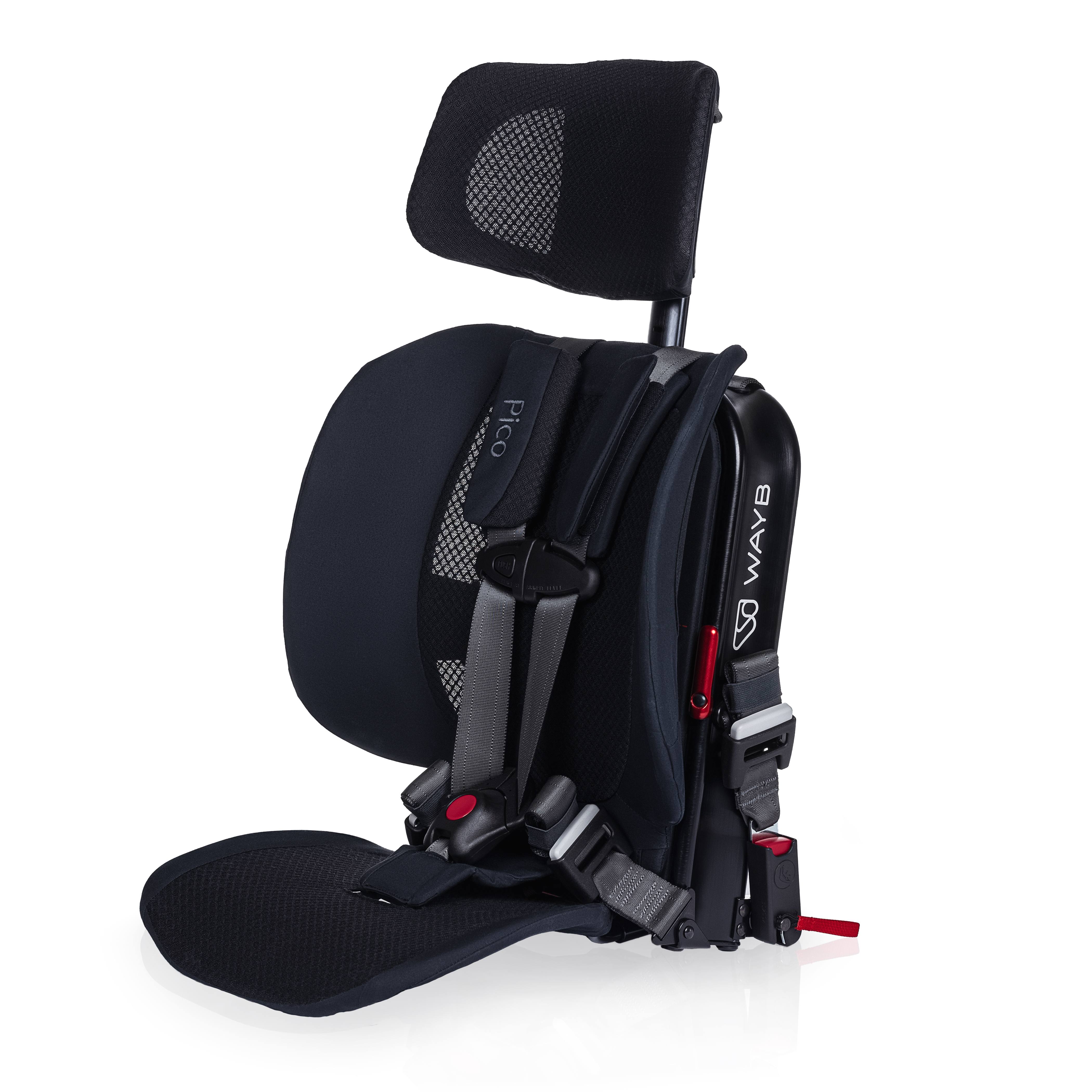
WAYB
WAYB Pico Travel Car Seat with Premium Carrying Bag, Lightweight Portable Foldable
Read review →
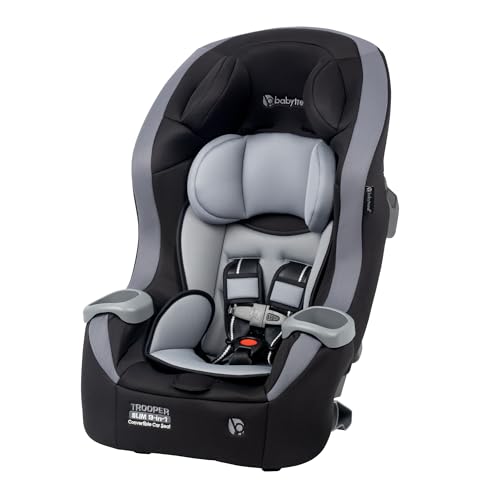
Baby Trend
Baby Trend Trooper Slim 3-in-1 Convertible Car Seat
Read review →
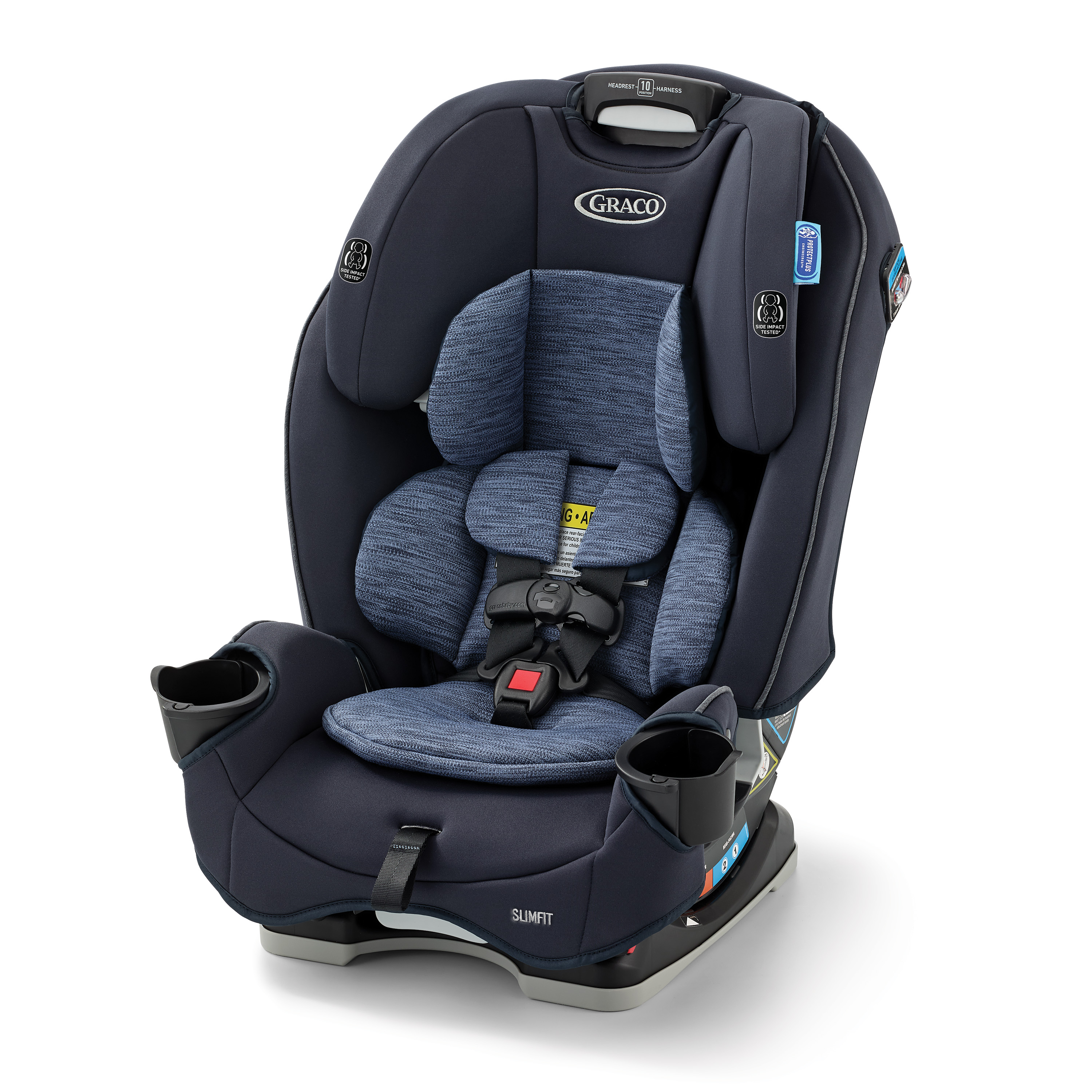
Graco
Graco Slimfit 3-in-1 Convertible Car Seat, Space Saving Design
Read review →
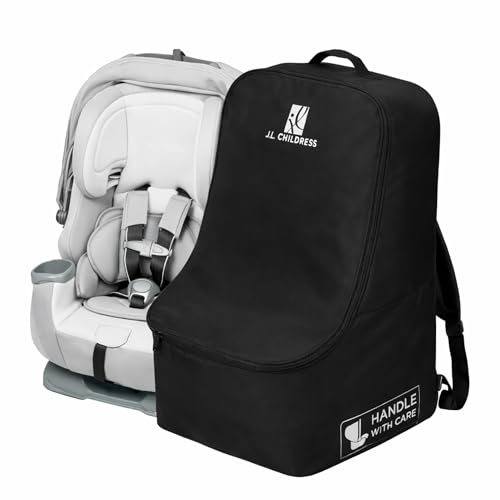
J.L. Childress
J.L. Childress Padded Backpack Car Seat Travel Bag — Deluxe
Read review →
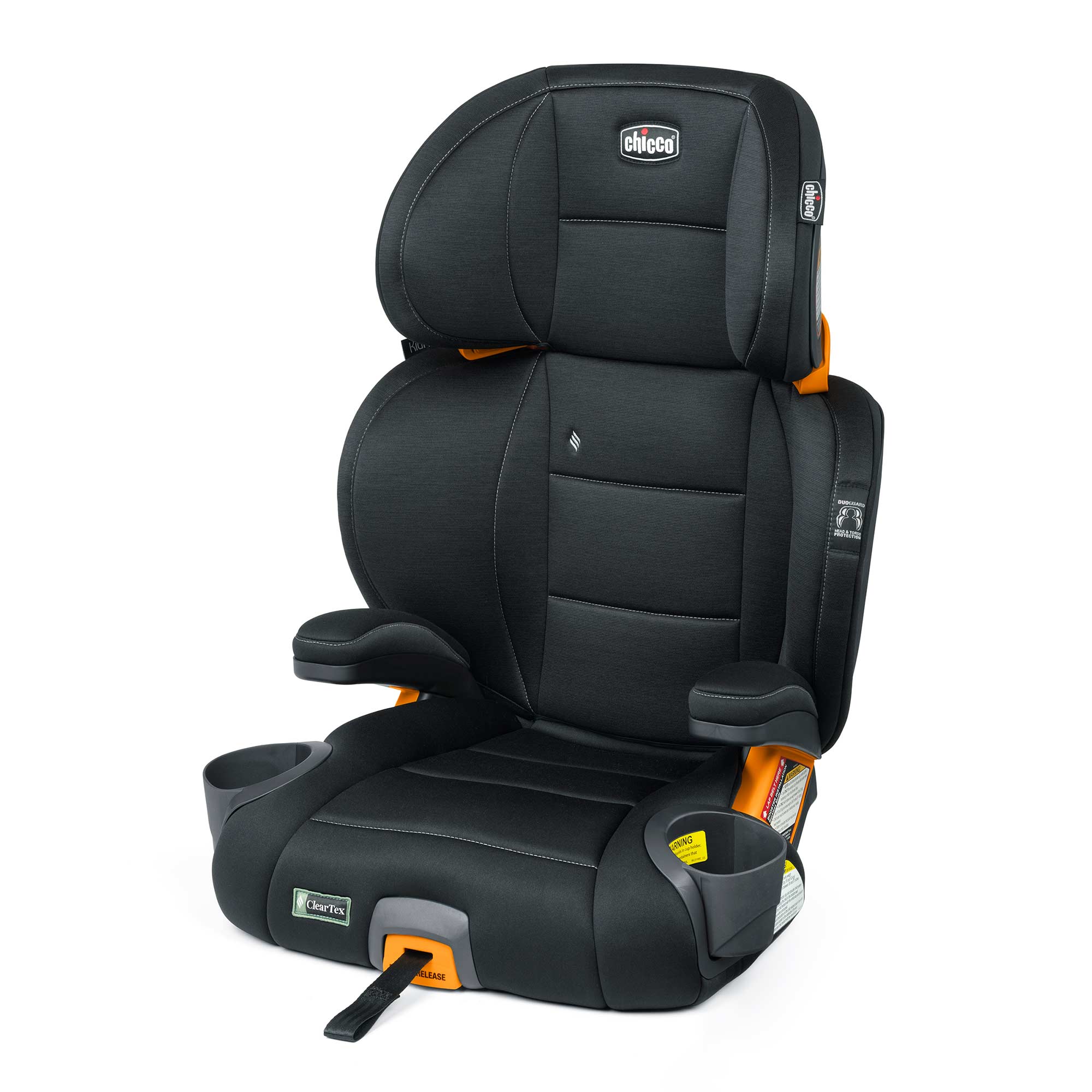
Chicco
Chicco KidFit ClearTex Plus 2-in-1 Belt-Positioning Booster Car Seat
Read review →
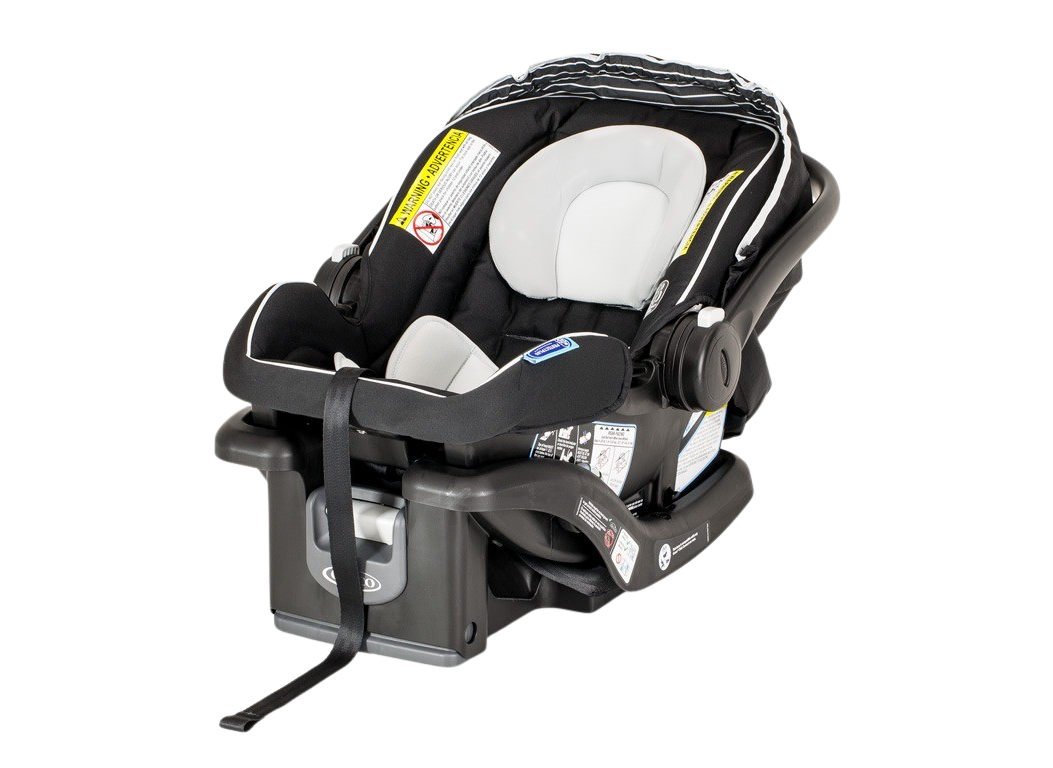
Graco
Graco SnugRide Lite LX Infant Car Seat, Lightweight Rear-Facing Seat
Read review →
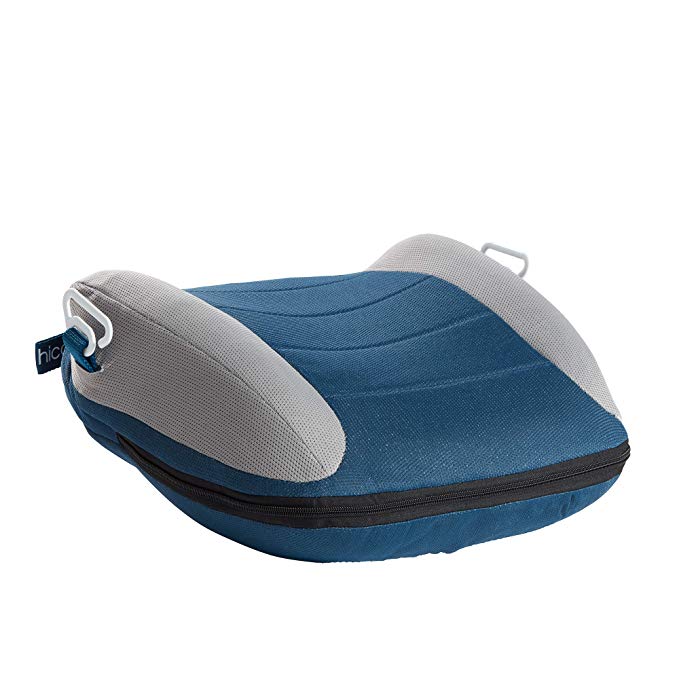
hiccapop
Hiccapop UberBoost Inflatable Booster Car Seat, Portable Backless Booster for Travel
Read review →
Related Content
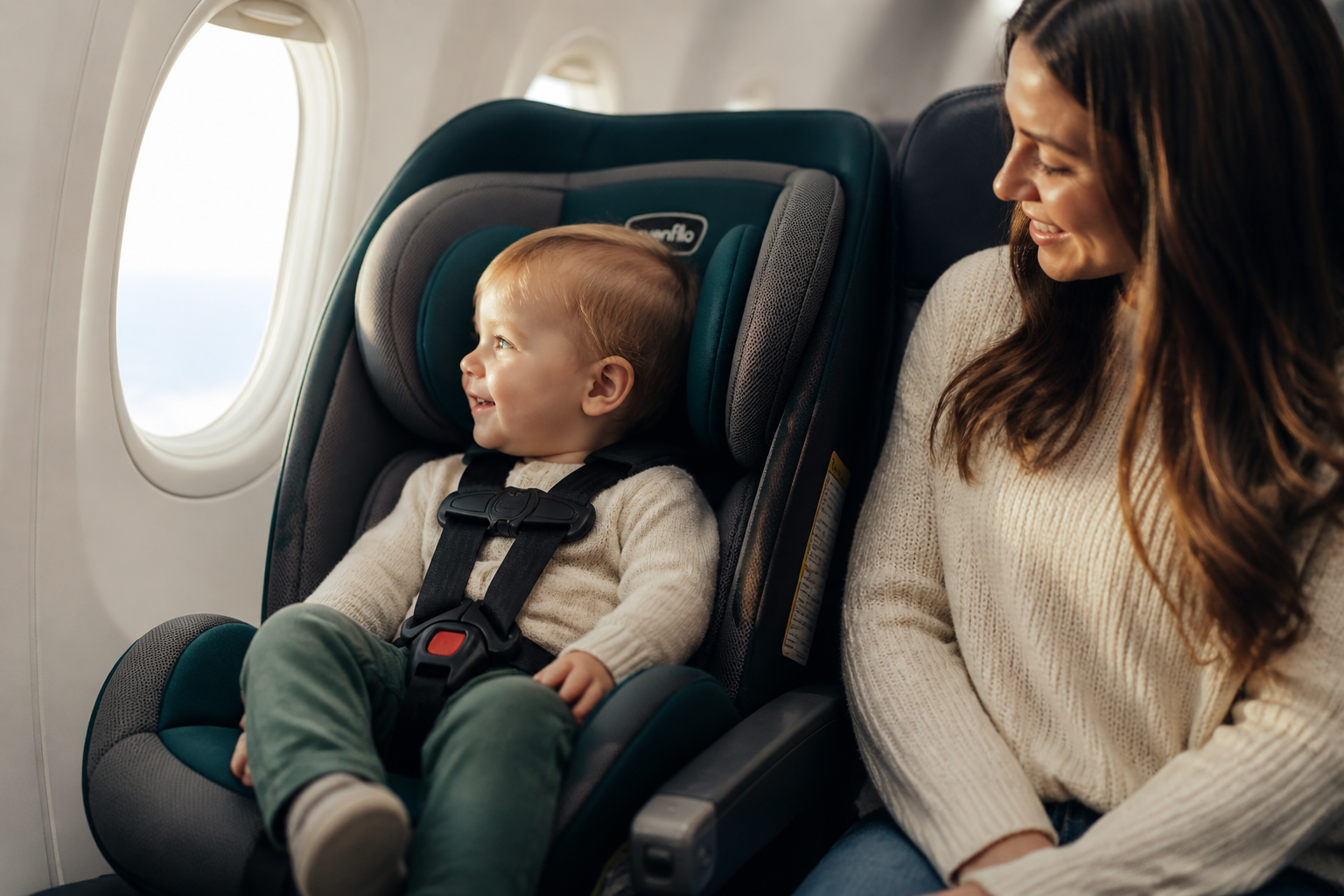
Best FAA-Approved Car Seats for Airplanes (2026)
6 parent-reviewed, FAA-approved car seats for flying with toddlers — from lightweight infant carriers to convertible seats and boosters, with real installation tips and airline rules.
Airline Rules for Traveling With Car Seats: A Plain-English Guide (2026)
Every FAA car seat rule explained in plain English — which seats are allowed on planes, installation tips, gate-checking, and airline-specific policies for 2026.
Baby Trend Trooper Slim Review: The Narrow 3-in-1 That Actually Fits on a Plane
Honest Baby Trend Trooper Slim 3-in-1 review — slim 16.75-inch width, FAA approval, airplane installation, 3-across fit, and the real trade-offs of a budget travel seat.