Disclosure: ToddlerTravelGear is reader-supported. We may earn a commission if you buy through links on our site — at no extra cost to you. Learn more
Cosco Scenera NEXT Review: The Best Budget Car Seat for Flying
Honest Cosco Scenera NEXT review from parents who have flown with it — installation on airplanes, airport logistics, honest limitations, and more.
There is a car seat that parents pass around like a secret in every travel-with-kids forum, Facebook group, and Reddit thread. It is not the safest car seat ever made. It is not the most comfortable. It does not have a single premium feature. And yet, it is the most recommended car seat for flying with young children by a wide margin. The Cosco Scenera NEXT costs about the same as a nice dinner out, weighs less than a bag of groceries, and fits in airplane seats that reject car seats costing five times as much. We have flown with it on regional jets, narrow-body domestics, and wide-body internationals, and it has earned its reputation every single time.
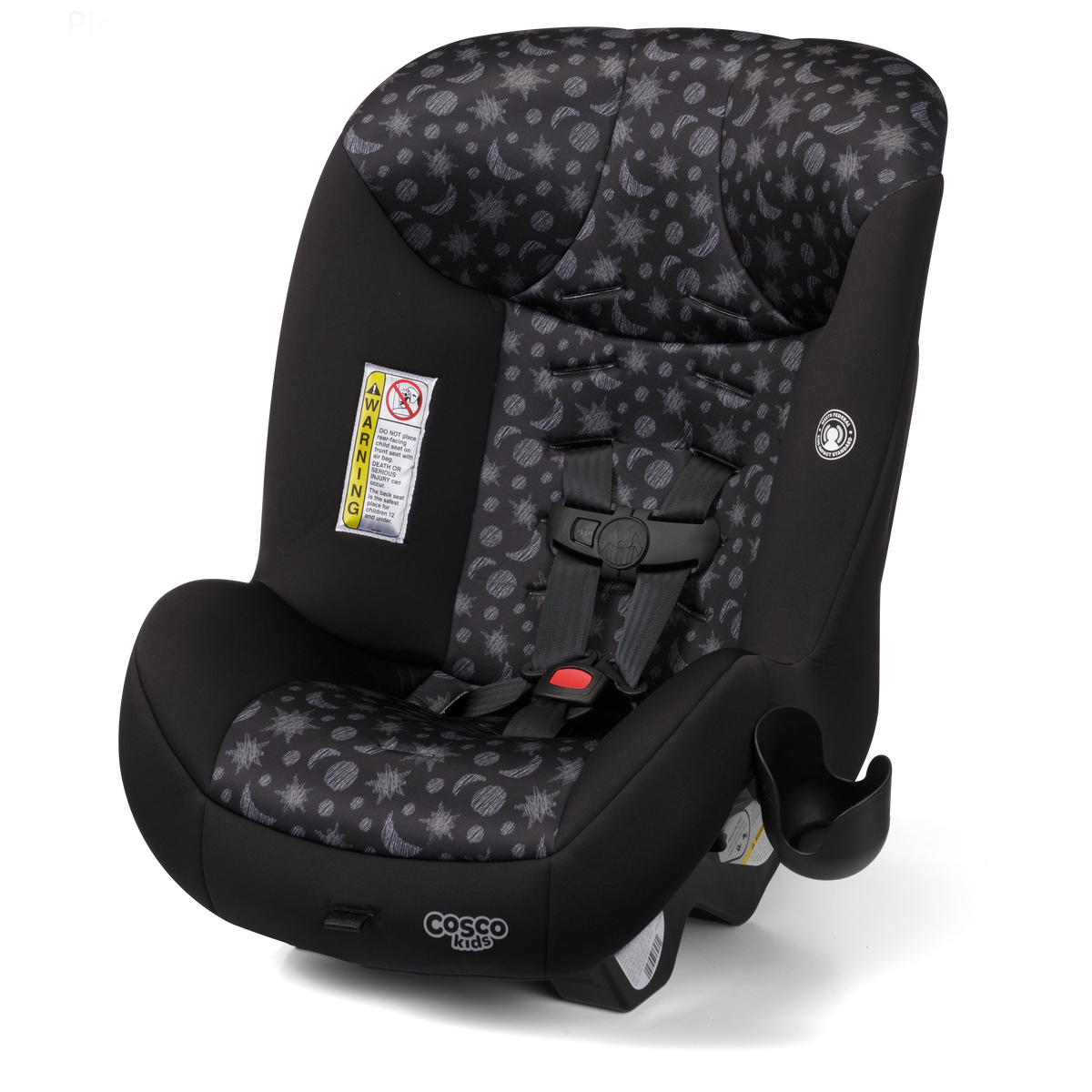
Cosco Scenera NEXT Convertible Car Seat, Lightweight and FAA Approved
Best Budget PickCosco · $54.99
Price may vary
Under $55, only 10 lbs, FAA approved, and fits in virtually every airplane seat at 17 inches wide. The undisputed king of travel car seats.
Pros
- Ultra-lightweight at 10 lbs
- Only 17 inches wide — fits any airplane seat
- FAA approved for air travel
- Under $55 — cheapest convertible car seat
Cons
- Basic padding — not ideal as everyday seat
- No cup holder
- Rear-facing limit is only 40 lbs
- Minimal recline positions
This product is featured in our Best FAA-Approved Car Seats roundup.
Quick Verdict
The Cosco Scenera NEXT is the best car seat for flying if you want something cheap, light, and functional. It is not the best car seat for daily driving. It is not the most comfortable car seat your child will ever sit in. But for getting your kid safely restrained on an airplane without destroying your back, your budget, or your sanity at the gate, nothing else comes close. At roughly $55, you could buy it, use it for one trip, donate it at your destination, and still come out ahead compared to renting a car seat or checking your expensive everyday seat.
Here is the short version: buy this seat if you fly with a child under 40 pounds and want them in a car seat on the plane. That is the recommendation, and everything below is the evidence.
Who This Is For
The Scenera NEXT works for a specific use case, and being honest about that matters more than pretending it is a do-everything seat.
Buy this car seat if:
- You fly with a child between 5 and 40 pounds and want an FAA-approved restraint on the plane
- You need a lightweight car seat for travel that will not wreck your shoulders in the airport
- You want a dedicated travel car seat and keep your nicer seat at home
- You are visiting family and need an inexpensive seat for the rental car at your destination
- You want a backup car seat for grandparents, nannies, or occasional use
- You do not want to risk your $300+ everyday car seat getting damaged by airport baggage handlers
Who Should Skip
- Parents who need a comfortable everyday car seat — The padding is genuinely basic and your child will feel the hard shell on longer rides. For daily commuting and road trips, a better-padded seat makes a real difference in your child's comfort and your sanity.
- Families with tall children approaching the height limit — The shell is smaller than seats designed for extended rear-facing, so taller kids in the 95th percentile for height may outgrow rear-facing mode before age 2, which is less than ideal for safety.
- Parents who want comfort features like cup holders and armrests — There is no cup holder, no armrests, and no premium padding. This is a stripped-down travel tool, not a daily-driver seat with creature comforts.
- Anyone whose child exceeds 40 pounds — The seat tops out at 40 pounds in both rear-facing and forward-facing modes. If your child is already near that limit, this seat will not serve you for long.
This is NOT the right seat if:
- You need a primary everyday car seat with premium padding and comfort for daily commuting
- Your child exceeds 40 pounds (the seat tops out there in both directions)
- You want extended rear-facing capability past 40 pounds
- You need a car seat with built-in cup holders, arm rests, or other comfort features
- Your child is extremely tall for their weight and needs more headrest height
Key Features Deep Dive
Weight: 10 Pounds Changes Everything
The Scenera NEXT weighs approximately 10 pounds. To appreciate why that matters, consider what you are carrying through the airport: a diaper bag, a carry-on, possibly a stroller, your child, snacks, a tablet, your boarding passes, and your rapidly draining will to live. Now add a car seat.
A typical convertible car seat weighs 20 to 30 pounds. The Graco 4Ever DLX, a fantastic everyday seat, weighs 22 pounds. The Britax One4Life weighs over 25 pounds. Carry either of those from the parking lot through security, down the terminal, onto the jet bridge, and into a narrow airplane aisle, and you will understand why parents buy a Scenera NEXT specifically for flying.
At 10 pounds, the Scenera NEXT is light enough to carry in one arm while holding your child with the other. You can sling it over your shoulder using a car seat travel strap (sold separately) or a simple luggage strap. You can hand it to a gate agent for gate checking without feeling like you are passing them a piece of furniture. Ten pounds sounds like a minor detail until you are sprinting through a connecting terminal with a screaming toddler and a 45-minute layover.
Width: 17 Inches Fits Where Others Don't
Airplane seat width is the single biggest reason parents struggle with car seats on flights. Most airline economy seats are 17 to 18 inches wide. Most everyday car seats are 19 to 21 inches wide. Do the math and you see the problem immediately.
The Scenera NEXT is approximately 17 inches wide. That is narrower than nearly every other convertible car seat on the market, and it is the reason this seat fits in airplane seats that will not accept your Graco, Britax, or Chicco. It fits in regional jets with their notoriously tight seats. It fits in older narrow-body aircraft where the seat pitch and width are at their minimums. It fits in the window seat on a Boeing 737 where the fuselage curves inward. We have never encountered a commercial aircraft seat where the Scenera NEXT did not fit.
This is the feature that earns the Scenera NEXT its legendary status among traveling parents. You can buy a more expensive, more padded, more feature-rich car seat for flying. But if it does not physically fit in the airplane seat, none of those features matter. The Scenera NEXT fits. Every time.
FAA Approval: What It Actually Means
The Cosco Scenera NEXT is FAA approved for use on commercial aircraft. This is not optional marketing language — it is a specific regulatory designation. Here is what it means in practice:
- The seat has a label on it that reads "This restraint is certified for use in motor vehicles and aircraft." Flight attendants will look for this label.
- You are legally permitted to install this seat in a purchased airplane seat and use it during all phases of flight, including takeoff, landing, and turbulence.
- The seat has been tested to meet the requirements for use in the airplane environment, including the forces involved in turbulence and emergency scenarios.
Not all car seats are FAA approved. Booster seats are not. Some car seats with certain base configurations are not. If a car seat does not have the FAA label, the airline can refuse to let you use it on the plane. The Scenera NEXT carries the label, and we have never had a flight attendant question it.
Rear-Facing and Forward-Facing: Both Options
The Scenera NEXT is a convertible car seat, meaning it works in both rear-facing and forward-facing modes:
- Rear-facing: 5 to 40 pounds. This is the mode you should use as long as your child fits within the limits. Rear-facing is the safest orientation and is recommended by the AAP for children up to at least age 2, and ideally as long as the child fits within the rear-facing weight and height limits of the seat.
- Forward-facing: 22 to 40 pounds, and the child must be at least 2 years old (per current recommendations). The forward-facing harness uses the same 5-point harness system.
On an airplane specifically, you have a choice. Rear-facing is technically safer but takes up more legroom in the row and can be harder to install depending on the seat configuration. Forward-facing is easier to install on a plane and gives the child a view forward. We cover the installation specifics for both orientations in the airplane installation section below.
What We Love
It Is Disposable Without Being Wasteful
This sounds counterintuitive, but hear us out. At $55, the Scenera NEXT occupies a unique price point where you can afford to treat it as a travel consumable. Fly with it to your destination, use it in the rental car all week, and if you do not want to lug it home, donate it to a local charity, church, or family in need. A brand-new, unexpired car seat is a genuinely valuable donation. You spend $55, your child is safe for the entire trip, and a family that needs a car seat gets one.
Some parents buy two: one stays at the grandparents' house permanently, and one lives in the closet as the designated travel seat. At this price, having a spare car seat is not extravagant — it is practical.
The Simplicity Is a Feature
There are no electronic components, no motorized adjustments, no fancy recline mechanisms with 12 positions, no premium fabric treatments. This means there is nothing to break, nothing to malfunction, and nothing that adds unnecessary weight. The harness adjusts manually. The recline is basic. The padding is thin. And all of that makes it lighter, simpler, and more reliable for travel.
When you are wrestling a car seat into an airplane seat while 150 passengers wait behind you, simplicity is not a compromise — it is a gift.
LATCH and Seatbelt Installation
The Scenera NEXT installs using either the LATCH system (in vehicles) or the vehicle/airplane seatbelt. For airplane use, you will always use the seatbelt method since airplanes do not have LATCH anchors. The seatbelt routing is clearly marked on the seat with printed labels showing the belt path for both rear-facing and forward-facing installation. This matters because you are often installing the seat in dim cabin lighting while a toddler squirms and a flight attendant politely asks you to hurry.
The Price Removes Decision Paralysis
Should you gate check your expensive car seat and risk damage? Should you ship it ahead and hope it arrives? Should you rent one at the destination? Should you buy the WAYB Pico for $600? These are all questions you do not need to ask if you own a Scenera NEXT. The answer is just: bring the cheap, light seat. If it gets dinged in the overhead bin or scratched during gate check, you are out $55. If your $400 Britax gets a crack in the shell from baggage handling, you need to replace the entire seat.
What We Don't Love
We promised honest, so here is the other side.
The Padding Is Genuinely Basic
The Scenera NEXT has thin padding. Your child will feel the hard shell of the seat through the fabric on longer rides. For a 3-hour flight, this is fine — most toddlers are so stimulated by the airplane experience that they do not notice or care. For a 12-hour road trip in a rental car at your destination, your child may be less comfortable than they would be in their everyday seat at home. This is the primary trade-off you are making for the light weight.
You can add an aftermarket car seat pad or head support, but be cautious: only use padding that came with the seat or is specifically approved by Cosco for use with this model. Unapproved padding can interfere with the harness and compromise safety in a crash.
No Cup Holder
There is no cup holder. None. Your toddler's sippy cup has no home. This is a minor annoyance on a plane (the tray table works) but a legitimate frustration in a rental car where you are driving unfamiliar roads and cannot keep turning around to hand your child their water. You can buy a universal car seat cup holder attachment for a few dollars, and we recommend doing so if you plan to use the Scenera NEXT in a car.
Rear-Facing Height Limit Is Modest
The rear-facing height limit means taller children may outgrow the seat in rear-facing mode earlier than they would in a seat designed for extended rear-facing. This is not a safety deficiency — it is a design limitation. The Scenera NEXT is built to be small and light, and that means the shell is smaller than seats designed for extended rear-facing use. If your child is in the 95th percentile for height, they may max out the rear-facing mode before age 2, which is less than ideal.
It Is Not Great as an Everyday Seat
We want to be direct about this: the Scenera NEXT is a purpose-built travel seat. Can you use it as your primary car seat for daily driving? Technically, yes — it meets all federal safety standards. Should you? Probably not, if you can afford a more comfortable option. Your child will be happier in a better-padded seat for daily daycare runs and grocery trips. The Scenera NEXT excels at travel because of the compromises it makes, and those compromises are less acceptable for everyday use.
Fabric Feels Cheap
The seat cover is a thin polyester that feels budget. It is machine washable, which is a plus for travel (spills happen), but the texture and appearance remind you that this is a $55 product. If aesthetics matter to you, know that this seat looks exactly as inexpensive as it is.
Installation on Airplanes: Step by Step
This is the section that matters most. Installing a car seat on an airplane is different from installing it in a car, and getting it right the first time saves you stress, time, and the quiet judgment of every passenger walking past you.
Before You Board
- Request a window seat. Airlines require car seats to be placed in window seats so they do not block the aisle during an emergency evacuation. Most airlines will accommodate this when you book or at the gate. Some airlines also allow middle seats for car seats, but never the aisle seat.
- Board early. If your airline offers family pre-boarding, take it. You need time to install the seat before the aisle fills with passengers. If there is no pre-boarding, politely ask the gate agent — many will let you board with families or in the first group when they see you carrying a car seat.
- Remove the armrest if possible. On many aircraft, the aisle-side armrest of the window seat lifts up. This gives you extra width for installation and makes it dramatically easier to get the seat in and out. Not all armrests lift (the window-side usually does not), but try the one between the window and middle seat.
Rear-Facing Installation on the Airplane
Rear-facing is the recommended orientation for younger children. Here is how to do it in an airplane seat:
- Place the car seat in the airplane seat facing the back of the plane. The front of the car seat (where your child's feet go) should face the seat back in front of you.
- Recline the car seat slightly using the recline adjustment if needed. On an airplane, you may need to add a pool noodle or rolled towel under the front edge of the car seat base to achieve the correct recline angle. The level indicator on the side of the seat should show the correct range.
- Pull the airplane seatbelt out fully to give yourself maximum slack.
- Route the seatbelt through the rear-facing belt path on the Scenera NEXT. The belt path is marked with blue labels on the base of the seat. Thread the lap belt through the path, not the shoulder belt (airplane seatbelts are lap-only, so this is straightforward).
- Buckle the airplane seatbelt and pull it tight. Push down on the car seat with your knee while tightening the belt. The car seat should not move more than one inch side to side at the belt path when you pull it firmly.
- Check the recline angle. The car seat should be reclined enough that your child's head does not flop forward when they fall asleep.
Important: Rear-facing on a plane means the car seat pushes against the seat in front of you. On aircraft with limited seat pitch (28 to 30 inches), this can mean the car seat is pressed firmly against the forward seat. This is fine — the contact actually helps stabilize the installation. But it does mean the passenger in front of you may not be able to fully recline their seat. That is unavoidable and not a reason to switch to forward-facing if your child should be rear-facing.
Forward-Facing Installation on the Airplane
Forward-facing is easier to install on a plane and is appropriate for children who are at least 2 years old and between 22 and 40 pounds:
- Place the car seat in the airplane seat facing forward (the same direction as the other passengers).
- Pull the airplane seatbelt out fully.
- Route the seatbelt through the forward-facing belt path on the Scenera NEXT. This path is marked with red labels on the seat. Thread the lap belt through and buckle it.
- Tighten the seatbelt while pressing down on the car seat with your body weight. The seat should not move more than one inch side to side.
- Note: there is no top tether on an airplane. In a car, you would use the top tether anchor for forward-facing installation. Airplanes do not have tether anchors. The FAA allows forward-facing car seat use on airplanes without the top tether. This is an accepted exception to the normal installation rules.
Fitting in Different Aircraft Types
We have installed the Scenera NEXT on a wide range of aircraft. Here is what to expect:
| Aircraft Type | Seat Width | Scenera NEXT Fit | Notes |
|---|---|---|---|
| Regional jets (ERJ-145, CRJ-200) | 17–17.5 in | Tight but works | Lift the armrest if possible. These are the tightest seats you will encounter, and the Scenera NEXT is one of the only car seats that fits. |
| Narrow-body (737, A320) | 17–18 in | Good fit | Standard domestic configuration. No issues with installation in any seat. |
| Narrow-body (757) | 17.5–18 in | Good fit | Slightly wider than 737 in some configurations. Easy install. |
| Wide-body (767, 777, A330, A350) | 18–18.5 in | Easy fit | Plenty of room. These seats are the easiest for car seat installation. |
| Budget carriers (Spirit, Frontier) | 17–17.5 in | Tight but works | These airlines use thinner pre-reclined seats. The Scenera NEXT fits, but the seat pitch is minimal. Rear-facing may press hard against the forward seat. |
Airport Strategy: Gate Check vs. Carry On
You have two options for getting the Scenera NEXT onto the plane: carry it on and install it in a purchased seat, or gate check it. Each has a clear use case.
Carrying It On (Recommended)
This is the whole point of buying a car seat for flying. You purchased a seat for your child, and you want them safely restrained during the flight. Here is the logistics:
Getting through the airport: The Scenera NEXT is light enough to carry by hand or with a car seat travel strap slung over one shoulder. If your child can walk, let them walk while you carry the seat. If your child is in a stroller, you can balance the seat on top of the stroller (precarious but doable for short walks) or use one of the wheeled car seat carriers that turn a car seat into a temporary stroller.
Through security: TSA does not require you to remove the car seat from anything or take it apart. It goes through the X-ray machine on the belt, just like a bag. If it does not fit on the belt (unlikely with the compact Scenera NEXT), TSA will hand-inspect it. We have never had an issue.
On the plane: Board early, go to your window seat, and install as described above. The entire process from walking down the aisle to having the seat buckled in takes about 2 to 3 minutes once you have done it a few times. Your first time may take 5 minutes. That is fine.
Gate Checking
If you did not purchase a seat for your child (they are flying as a lap infant, or you did not want to use the seat on this particular flight), you can gate check the Scenera NEXT for free. Every airline allows gate checking of car seats and strollers at no charge.
When gate checking makes sense:
- Your child is under 2 and flying as a lap infant, but you need the car seat at your destination for the rental car
- The flight is short (under 2 hours) and you are comfortable with your child on your lap
- You want the seat at your destination but do not want to check it as luggage
How to gate check: Tell the gate agent you are gate checking a car seat. They will give you a gate check tag. Attach it to the car seat, leave the seat at the end of the jet bridge when you board, and pick it up at the jet bridge when you land. We recommend putting the Scenera NEXT in a car seat travel bag for gate checking. It protects the seat from dirt and damage during handling, and bags specifically sized for car seats cost under $15.
Risk of gate checking: Ground handlers are not gentle. Your car seat will be placed on the tarmac, potentially in rain, and loaded into the cargo hold. For a $55 seat, the risk is acceptable. If the seat gets damaged beyond what you are comfortable with, you can buy another one at your destination. This calculus changes significantly with a $400 car seat, which is another reason the Scenera NEXT makes sense as a travel seat.
How It Compares
The most common question we get is whether it is worth spending more on a travel car seat. Here is how the Scenera NEXT stacks up against the alternatives parents ask about most.
Cosco Scenera NEXT ($55) vs. WAYB Pico ($599)
The WAYB Pico is the luxury option for flying with a car seat. It weighs 8 pounds (2 less than the Scenera NEXT), folds flat, and comes with a premium carrying bag. It is also forward-facing only (22 to 50 pounds), so it does not work for younger children who should be rear-facing. The Pico is beautifully designed and genuinely convenient. It is also twelve times the price. For the cost of one WAYB Pico, you could buy roughly eleven Scenera NEXT seats. Unless you fly monthly and your child is in the forward-facing weight range, the Scenera NEXT is the better value by an enormous margin.
Cosco Scenera NEXT ($55) vs. Graco 4Ever DLX ($256)
The Graco 4Ever DLX is an excellent everyday car seat that many parents already own. It weighs 22 pounds and is approximately 20 inches wide. On an airplane, it may not fit in the seat (many parents report that it does not fit in regional jets and is very tight in narrow-body aircraft). You are also carrying more than double the weight of the Scenera NEXT through the airport. And if baggage handlers damage your $256 seat, you are out $256. For daily driving, the Graco 4Ever DLX is the better seat. For flying, the Scenera NEXT wins decisively.
Cosco Scenera NEXT ($55) vs. CARES Harness ($83)
The CARES harness is not a car seat — it is an FAA-approved harness that wraps around the airplane seat back and restrains your child using the airplane seatbelt plus an added upper harness. It weighs just 1 pound and fits in a small bag. The trade-off: it only works forward-facing, only on the airplane (not in cars), and only for children 22 to 44 pounds. If you need a car seat at your destination (for a rental car or rides), the CARES harness does not solve that problem. The Scenera NEXT works on the plane AND in the car. If you truly only need restraint on the airplane and have a car seat waiting at your destination, the CARES harness is a legitimate alternative.
| Feature | Scenera NEXT | WAYB Pico | Graco 4Ever DLX | CARES Harness |
|---|---|---|---|---|
| Price | ~$55 | ~$599 | ~$256 | ~$83 |
| Weight | ~10 lb | ~8 lb | ~22 lb | ~1 lb |
| Width | 17 in | 15 in | 20 in | N/A |
| Rear-facing | Yes | No | Yes | No |
| Forward-facing | Yes | Yes | Yes | Yes |
| Works in cars | Yes | Yes | Yes | No |
| FAA approved | Yes | Yes | Yes | Yes |
| Best for | Budget travel | Premium travel | Daily driving | Plane-only restraint |
Final Verdict
Yes. Emphatically, unambiguously, yes.
The Cosco Scenera NEXT is the most recommended car seat for air travel among traveling parents for the same reason the Honda Civic is the most recommended car for commuting: it does the job well, it does it reliably, and it does it at a price that makes the decision easy.
The compromises — basic padding, no cup holder, thin fabric, modest rear-facing limits — are real, but they are the right compromises for a travel seat. You are not buying the Scenera NEXT to be your child's everyday seat. You are buying it to solve a specific problem: how to safely restrain your child on an airplane and in a rental car without spending a fortune or breaking your back.
At $55 and 10 pounds, the Scenera NEXT removes every excuse for not using a car seat on a plane. It is cheap enough that damage does not sting. It is light enough that carrying it does not hurt. It is narrow enough that it fits in every airplane seat. And it is safe enough — FAA approved, 5-point harness, side impact protection — that your child is genuinely protected during turbulence and the unlikely event of a hard landing.
If you fly with a young child, buy this seat. It is not the best car seat in the world. It is the best car seat for getting on an airplane. And that distinction is the entire point.
Cosco Scenera NEXT Convertible Car Seat, Lightweight and FAA Approved
$54.99by Cosco
Best For
- ✓Ultra-lightweight at 10 lbs
- ✓Only 17 inches wide — fits any airplane seat
- ✓FAA approved for air travel
Prices are accurate as of the date/time indicated and are subject to change. As an Amazon Associate we earn from qualifying purchases.
Frequently Asked Questions
Products Mentioned
Related Content
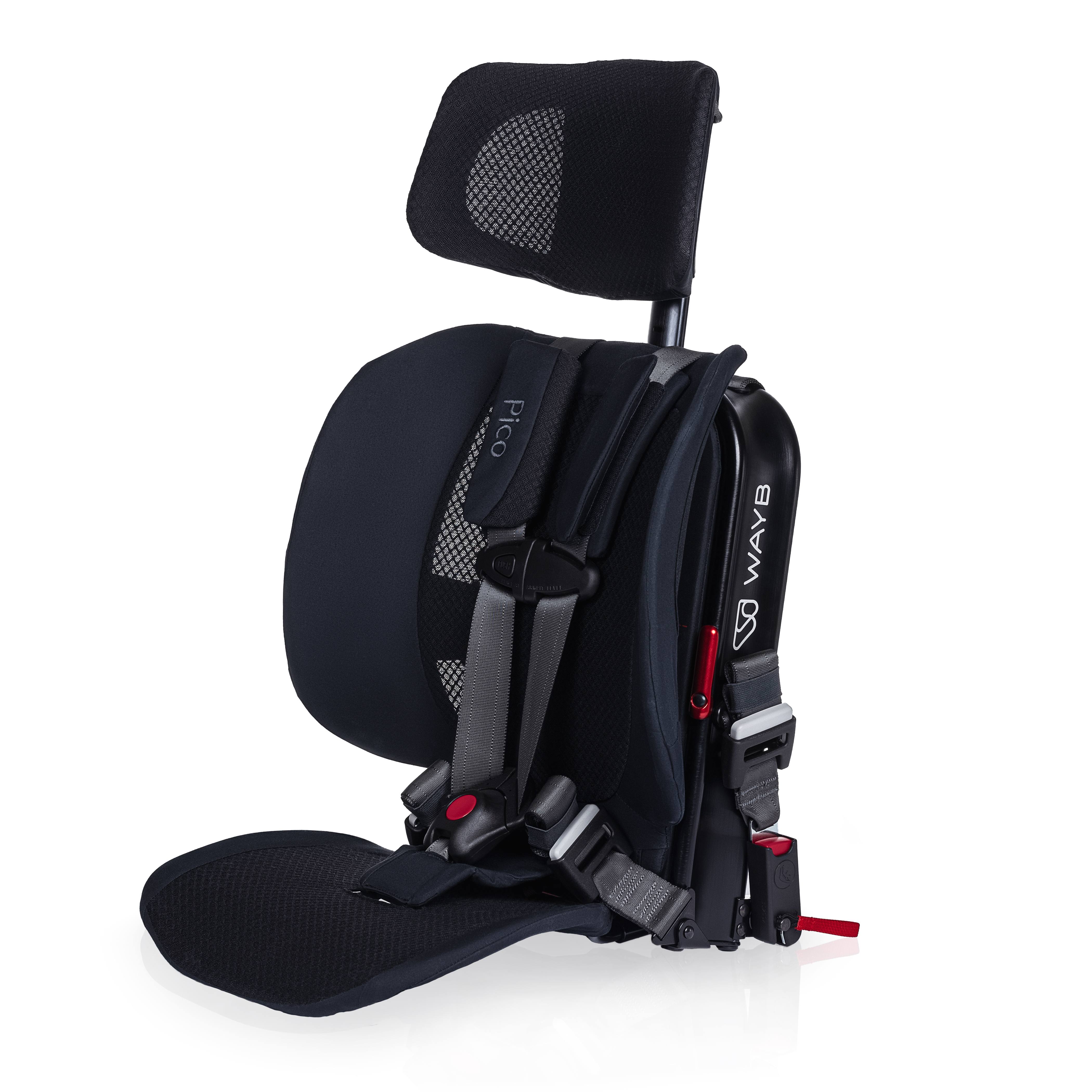
WAYB Pico Travel Car Seat Review: Is $599 Worth It for a Folding Car Seat?
Honest WAYB Pico review after months of travel — 8 lb weight, fold mechanism, FAA approval, rideshare installs, and more.
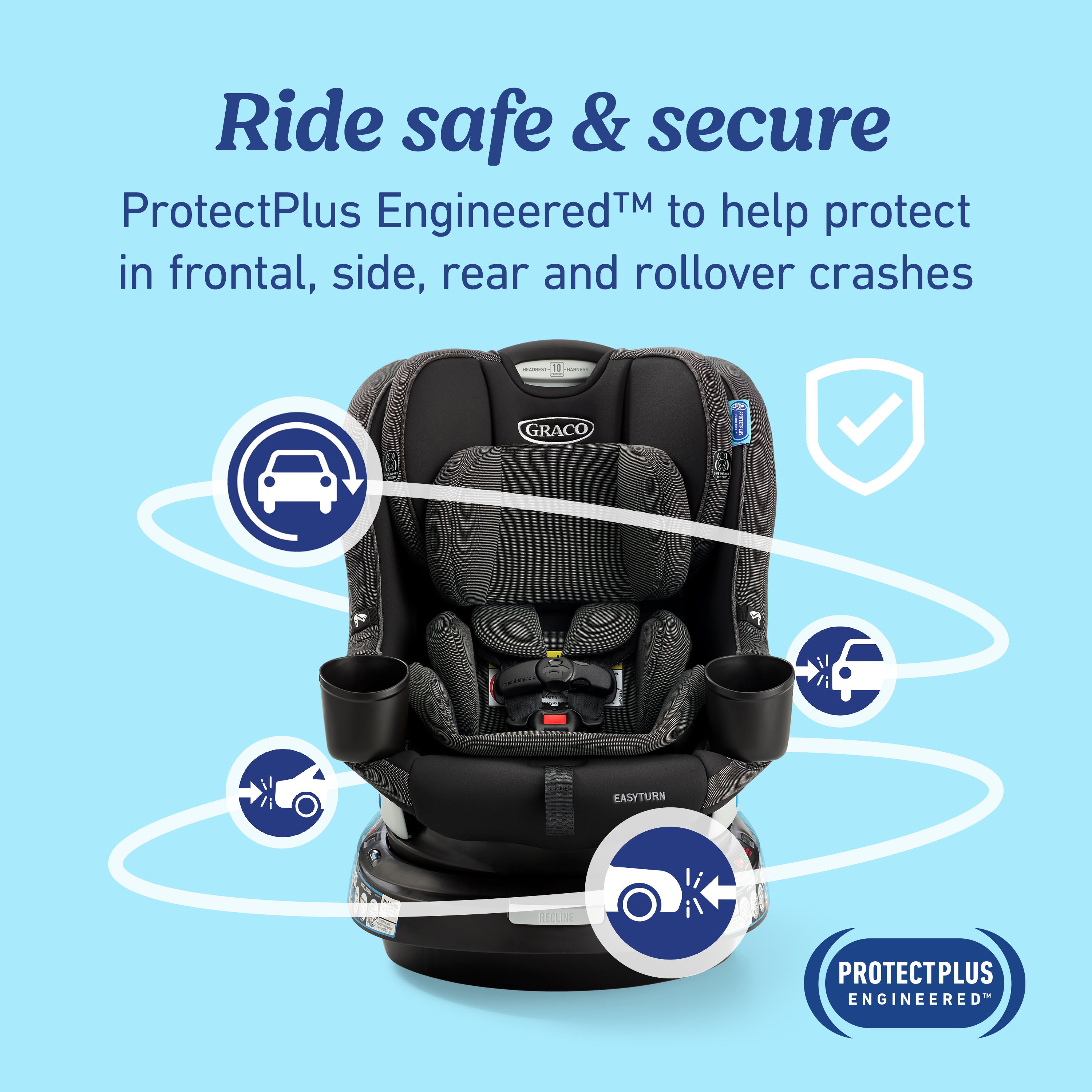
Graco EasyTurn 360 Review: The Rotating Car Seat That Ends the Parking Lot Back Struggle
Honest Graco EasyTurn 360 review — 360-degree rotation, rear to forward transition without reinstalling, real weight and airplane use analysis.
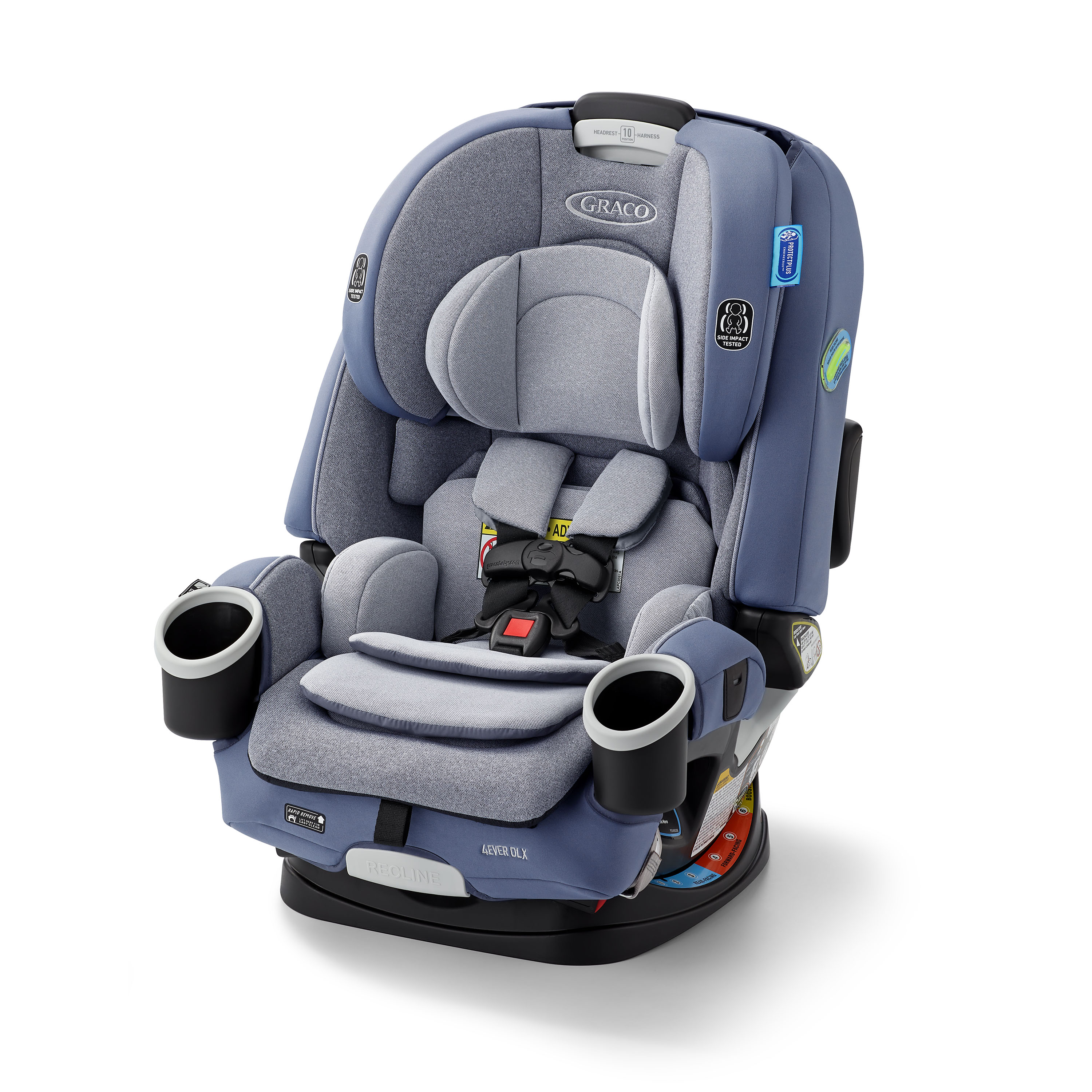
Graco 4Ever DLX Review: The One Car Seat That Actually Lasts a Decade
Honest Graco 4Ever DLX review after years of daily use and flights — 4-in-1 modes, installation on airplanes, real weight at 22 lbs, and more.