How to Help a Toddler's Ears on a Plane
Why a toddler's ears hurt on a plane, how drinking and snacks on descent help, flying with a cold or ear infection, and when to call the doctor afterward.
Keep your toddler swallowing while the cabin pressure changes, especially during the descent. Drinking from a cup or bottle, nursing, sucking a pacifier or eating a snack all help open the tubes that balance pressure behind the eardrum. Start when the plane begins to descend, not at touchdown, and keep your child awake for that part of the flight if you can. If your child has a cold, an ear infection or recent ear surgery, talk to your pediatrician before you fly.
Quick plan
- Before the flight: if your child is congested or has had an ear infection or ear surgery in the past two weeks, call your pediatrician.
- Takeoff: offer a drink, the breast, a bottle or a pacifier.
- Descent: start drinks and snacks when the descent begins and keep them coming until you land.
- Noise: earmuffs cut engine noise but do nothing for pressure.
- After landing: pain that does not ease within a few hours, fever, or fluid or blood from the ear means a call to the doctor.
For the rest of the flight, from seats to security, see our complete guide to flying with a toddler.
Why do a toddler's ears hurt on a plane?
The middle ear is a small air-filled space behind the eardrum. A narrow passage called the eustachian tube connects it to the back of the nose and throat. When the plane climbs or descends, the cabin pressure changes, and the air in the middle ear has to move in or out through that tube to match it. MedlinePlus, from the US National Library of Medicine, explains that swallowing or yawning opens the eustachian tube and lets the pressure even out. When the tube stays shut, the eardrum is pushed or pulled, which causes the pressure, pain and muffled hearing doctors call ear barotrauma.
Why do young children feel it more than adults?
Their anatomy works against them. The AAP's ear infection page says a child's eustachian tube is shorter, narrower and more horizontal than an adult's, which makes it harder for fluid to drain. Toddlers also cannot follow instructions like "pop your ears" or deliberately yawn. MedlinePlus notes that congestion from colds, allergies or a respiratory infection makes barotrauma more likely.
Which is worse for ears, takeoff or landing?
Descent is usually the harder part for young children, and it is the phase the AAP's travel safety tips single out: to decrease ear pain during descent, they suggest nursing or a bottle for infants and drinking through a straw for older children. The descent begins well before you see the runway. Listen for the pilot's announcement or ask a flight attendant to tell you when it starts, and begin your ear routine then rather than waiting for the wheels to come down.
What helps a toddler's ears during the flight?
Anything that makes your child swallow, repeatedly, through the pressure change. The AAP's Flying with Baby page says drinking from the breast or a bottle, or sucking a pacifier, during takeoff and landing can ease discomfort, and its travel tips suggest older children drink through a straw. For a toddler, good options include:
- A sippy cup, straw cup or bottle of water or milk
- Nursing, if you are still breastfeeding
- A pacifier, for children who use one
- A puree pouch, which needs steady sucking
- A small, soft snack eaten slowly, cut to a safe size
Pace it so your child is still sipping as the plane nears the ground: small sips spread across the whole approach keep them swallowing for longer than one big drink at the start. Save a favorite drink or snack for this moment so it is something your child wants.
Can a toddler chew gum to pop their ears?
Not a young toddler. Chewing gum and hard candy appear on the AAP's list of foods to avoid for young children because of the choking risk. The AAP mentions gum only for older children. For a 1- to 3-year-old, a drink, pouch or soft snack does the same job more safely. Yawning also opens the eustachian tube, according to MedlinePlus, so an older toddler who copies you can practice big, exaggerated yawns as a game before the trip.
Should a toddler be awake for landing?
If you can manage it, yes. MedlinePlus advises against sleeping as the plane prepares to land and recommends repeating the steps that open the eustachian tube, which for small children means nursing or sips of a drink. A sleeping child is not drinking. Time naps for cruise, and gently wake your child when the descent starts. If they are deeply asleep in a car seat and swallowing on their own, a quiet offer of a bottle or cup may let them sip without fully waking.
Should you fly if your toddler has a cold or an ear infection?
Talk to your pediatrician first. The AAP says to ask your child's doctor whether it is OK to fly if they have had an ear infection or ear surgery in the two weeks before your trip, and its travel tips advise consulting the pediatrician before flying with an infant who has upper or lower respiratory symptoms. MedlinePlus advises avoiding altitude changes during an upper respiratory infection or active allergy symptoms where possible. A blocked nose makes it harder for the eustachian tube to open, so a cold can turn routine pressure changes into real pain.
If you have to travel, ask your pediatrician whether any treatment is appropriate before the flight and what to do on board. Do not give decongestants, antihistamines or pain relievers to a young child without that advice. The AAP specifically warns against giving diphenhydramine (Benadryl) to make a child sleepy on a plane without asking your doctor.
Do earmuffs or headphones help with ear pressure?
No. Earmuffs and headphones reduce noise, not pressure. They sit over the outer ear, while the pain comes from the space behind the eardrum, which only equalizes when the eustachian tube opens. That said, the AAP notes that cabin noise peaks during takeoff and that ear protection can reduce the load on a baby's hearing and may help them relax and sleep. Earmuffs such as the Alpine Muffy, made for babies and toddlers up to about age 4, are covered in our airplane comfort and entertainment roundup. Use them for noise and keep the cup ready for pressure.
What does ear pain look like in a child who cannot tell you?
A toddler who cannot explain may cry hard, pull or rub at an ear, refuse to be put down, or arch away during the descent. The AAP notes that many babies and small children tug at their ears to self-soothe or play, so ear-pulling on its own is not a reliable sign of infection. On a descending plane, though, crying plus ear-rubbing is a cue to act. Offer a drink straight away. Distraction helps too: a new toy or a favorite show can calm a child enough to start swallowing again. Our guide to keeping a toddler entertained on a plane has ideas worth saving for the descent.
When should you call a doctor after a flight?
MedlinePlus describes ear barotrauma as usually mild and self-limited, with hearing loss almost always temporary. It says to contact a provider if the discomfort does not ease after a few hours, or if new symptoms develop, especially:
- Fluid, pus or blood coming from the ear
- Fever
- Severe ear pain
The AAP's ear infection page lists ear pain, trouble hearing (a toddler may not respond to your voice as usual), fever and drainage from the ear as signs of infection, and says to have your child checked rather than waiting. A child who flew with a cold and has these symptoms afterward needs a pediatrician's look. The AAP notes that children under 2 are more prone to complications from ear infections, so do not wait it out with a baby or young toddler.
How does this differ for babies?
The mechanics are the same, and feeding is the main tool. Our guide to flying with a baby covers how to time feeds, where a car seat goes, and safe sleep on board for the first 12 months.
Ear-pressure checklist
- Pediatrician consulted if your child is congested or had an ear infection or ear surgery in the past two weeks
- Drink, pacifier or bottle reachable for takeoff (not in the overhead bin)
- A favorite drink or snack saved for the descent
- Nap timed for cruise; child awake as the descent begins
- Earmuffs on for noise at boarding
- Doctor's number handy if pain lasts hours after landing
How we assessed this: This guide is based on AAP (HealthyChildren.org) and US National Library of Medicine (MedlinePlus) guidance, checked October 2026. It is general information, not medical advice; ask your pediatrician about your child.
Disclosure: ToddlerTravelGear is reader-supported. We may earn a commission if you buy through links on our site — at no extra cost to you. As an Amazon Associate, we earn from qualifying purchases. Learn more
Frequently Asked Questions
Products Mentioned
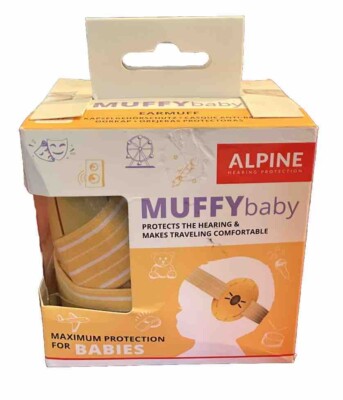
Alpine
Alpine Muffy Baby Ear Protection for Babies and Toddlers up to 36 Months, CE & ANSI Certified
Related Content
Flying With a Toddler: Seats, Security, Ears and Meltdowns (2026)
Flying with a toddler from booking to landing: lap child and second-birthday rules, FAA car seat advice, TSA formula rules, ears and age-by-age tips.
Flying Alone With a Toddler: A Solo Parent's Plan
How to fly solo with a toddler: booking flights and seats, packing one bag, getting through security alone, lavatory trips, connections and documents.
How to Keep a Toddler Entertained on a Plane: Age-by-Age Activities (2026)
Airplane activities for toddlers by age, matched to each toy's rated age: how many to pack, rotating them, screens, headphones and safe snacks.