Toddler Car Sickness: Prevention and What to Do on a Road Trip
Toddler car sickness: why it happens, signs in a child who can't explain, how to prevent it, what to do when it starts, a cleanup kit and when to call.
Toddler car sickness happens when your child's inner ear feels the car moving but their eyes, fixed on the seat in front or a toy, don't see it. The mismatch can bring on queasiness, sweating and vomiting. You can lower the odds by keeping your child's eyes on the world outside rather than on books or screens, offering a light snack instead of a big meal or an empty stomach, and making frequent short stops. When it starts, pull over as soon as it's safe. Never unbuckle your child while the car is moving.
Quick answers
- Cause: conflicting signals from the inner ear, eyes and body.
- Early signs in a toddler: paleness, restlessness, yawning, crying, a sudden loss of interest in snacks.
- Prevention: look outside, light snack, fresh air, short frequent stops, fewer screens.
- When it starts: stop the car when it's safe, let your child rest with eyes closed, cool cloth on the forehead.
- Medicine: only after talking to your pediatrician.
This page focuses on queasiness. For departure times, stops and snacks in general, see our road trip survival guide.
Why do toddlers get car sick?
Motion sickness comes from mixed signals. The AAP's car sickness page explains that the brain receives information from the inner ears, the eyes and nerves in the body, and when those don't agree, a child can feel sick. A child sitting low in the back seat may feel the car's motion in the inner ear but not see it outside. The AAP adds that stress or excitement can make it worse, and MedlinePlus notes that motion sickness is more common in children than in adults.
Does car sickness get better as children grow?
Usually. The AAP says motion sickness usually improves over time, although a child who has had bad experiences before may react more strongly on later trips. Doctors don't know why some children are more prone to it than others. In practice that means two things: prevention matters more than usual for a child who has been sick before, and a calm, matter-of-fact response helps keep the car from becoming something your child dreads.
How can you tell a toddler is getting car sick?
Young children often can't say "I feel sick." The AAP lists the classic early symptoms as queasiness, cold sweating, fatigue and loss of appetite, which can progress to vomiting. In a child too young to describe queasiness, it says you may instead see a pale face, restlessness, yawning or crying. Watch for a toddler who suddenly goes quiet, pushes away a snack they normally love, or starts fussing and squirming partway through a drive they began happily. Those are the moments to act, before vomiting starts.
How do you prevent car sickness in a toddler?
Start before the car moves, then focus on what your child looks at, what they eat and how long they ride at a stretch.
Should your toddler look out the window?
Yes, as much as the seat allows. The AAP suggests having your child look at things outside the car rather than at books or games, and the Kaiser Permanente care instructions for motion sickness in children suggest looking at one place far away, such as the horizon. Point out trucks, cows or bridges to keep their eyes outside. If you use sunshades on the side windows, choose ones your child can still see through, or leave one window clear. Playing "I spy" with things outside works better than games inside the car.
Can a car-sick toddler sit in the front seat?
No. MedlinePlus says the front seat of a car can give adults a smoother ride, but that advice does not apply to young children. The AAP's car seat guidance for families says all children younger than 13 should ride in the back seat. Don't turn a rear-facing child forward early to help with car sickness either: the AAP recommends keeping children rear-facing as long as possible, until they reach the highest weight or height their seat allows. Work on the other prevention steps instead.
Should a toddler eat before a car ride?
A little. The AAP suggests giving a light snack if your child hasn't eaten for about three hours, and Kaiser Permanente suggests a small meal ahead of time. Kaiser Permanente also suggests a few crackers if your child starts to feel sick, so plain crackers are a sensible snack to pack. Offer water in small sips. Choose snacks that are soft and easy to swallow for a child strapped in a car seat, and see our road trip snack advice for choking-safe options.
Do screens and books make car sickness worse?
They can. Kaiser Permanente advises that a child prone to motion sickness should not read or watch TV while traveling, and the AAP suggests looking outside rather than at books or games. A tablet on the headrest pulls your child's eyes to something that doesn't move with the scenery. If screens are part of how your family manages a long drive, try audio instead: songs, audiobooks or stories through kids' headphones. The AAP also suggests distracting your child from the queasy feeling by talking, singing or listening to the radio.
Do fresh air and timing help?
Fresh air is a simple step: Kaiser Permanente suggests getting as much fresh air as possible, so open a window a crack or point a vent toward the back seat, and keep the car cool rather than warm. Timing helps differently. A child who sleeps through the drive spends fewer awake hours watching the inside of the car, which is one reason our road trip guide suggests leaving at nap time or early in the morning.
How often should you stop?
The AAP recommends frequent short stops on long car trips for a child prone to motion sickness. Get your child out of the seat and walking around at each stop, rather than staying buckled in during a quick fuel stop. Plan stops before your child usually starts to look unwell; if they tend to get sick around the 45-minute mark, stop at 40.
What do you do when your toddler starts feeling sick?
Stop the car as soon as it is safe to do so. That is the AAP's first step: stop the activity causing the problem. Then:
- Take your child out of the car seat once you are parked.
- If symptoms continue, the AAP suggests having your child lie on their back with eyes closed, and trying a cool cloth on the forehead.
- Let them breathe fresh air and walk around for a few minutes.
- Offer small sips of water once the nausea passes.
- When you set off again, keep the next stretch short and their eyes on the view outside.
What should go in a car sickness cleanup kit?
Keep it within reach of the front passenger, not in the trunk:
- Bags: sick bags or sealable plastic bags, plus a larger bag for soiled clothes
- Wipes and paper towels: more than you think, plus a small bottle of water for rinsing
- A towel or waterproof pad: laid over your child's lap (not under the harness) or kept ready
- A full change of clothes for your child: in a zip-top bag, plus a spare top for whoever sits beside them
- Water and plain snacks: crackers or similar
- A cool cloth: a damp washcloth in a sealed bag
- Hand sanitizer for the adult doing the cleanup
A seat-back organizer keeps the kit reachable from the front. Our road trip gear roundup compares organizers and window shades, and the toddler packing list covers spare clothes for the rest of the trip.
Can you give a toddler medicine for car sickness?
Only after asking your pediatrician. The AAP says that if a child has had motion sickness before, medicine can be given before a trip to prevent it, and that some motion sickness medicines are sold without a prescription. It still advises asking your pediatrician before using them. The AAP notes they can help but often cause side effects such as drowsiness, dry mouth and nose, or blurred vision. Kaiser Permanente adds that these medicines are usually taken about an hour before travel and may make a child sleepy. Ask before the trip, not on the road.
Is car sickness different in a rental car or on a new route?
The same rules apply, but new situations can bring it on. Winding mountain roads, stop-start city traffic, a different car seat position or a seat that sits lower can all change what your child sees and feels. If you are renting a car or using a different seat on vacation, install it carefully and check the fit; our car seat and rental car guide covers bringing versus renting a seat. On roads you know are winding, plan more stops and drive more gently through the bends.
When should you call the pediatrician about car sickness?
Call if the symptoms don't fit simple motion sickness. The AAP says to tell your pediatrician if your child has symptoms when they are not moving, especially with a headache; trouble hearing, seeing, walking or talking; or episodes of staring off into space, because these can point to something other than motion sickness. Kaiser Permanente advises contacting a doctor or seeking care if nausea and vomiting don't go away after treatment, or if symptoms don't go away within three days after a trip.
Car sickness checklist for the drive
- Light snack before leaving; no big meal
- At least one clear window your child can see out of
- Audio instead of screens for a child who gets queasy
- Window cracked or vent aimed at the back seat
- Short stops planned, before the usual "sick point"
- Cleanup kit within reach of the front passenger
- Pediatrician asked about medicine before the trip, if your child is often sick
How we assessed this: This guide is based on guidance from the AAP (HealthyChildren.org), MedlinePlus and Kaiser Permanente's health library, checked October 2026. We have not tested the products linked. It is general information, not medical advice; ask your pediatrician about your child.
Disclosure: ToddlerTravelGear is reader-supported. We may earn a commission if you buy through links on our site — at no extra cost to you. As an Amazon Associate, we earn from qualifying purchases. Learn more
Frequently Asked Questions
Products Mentioned
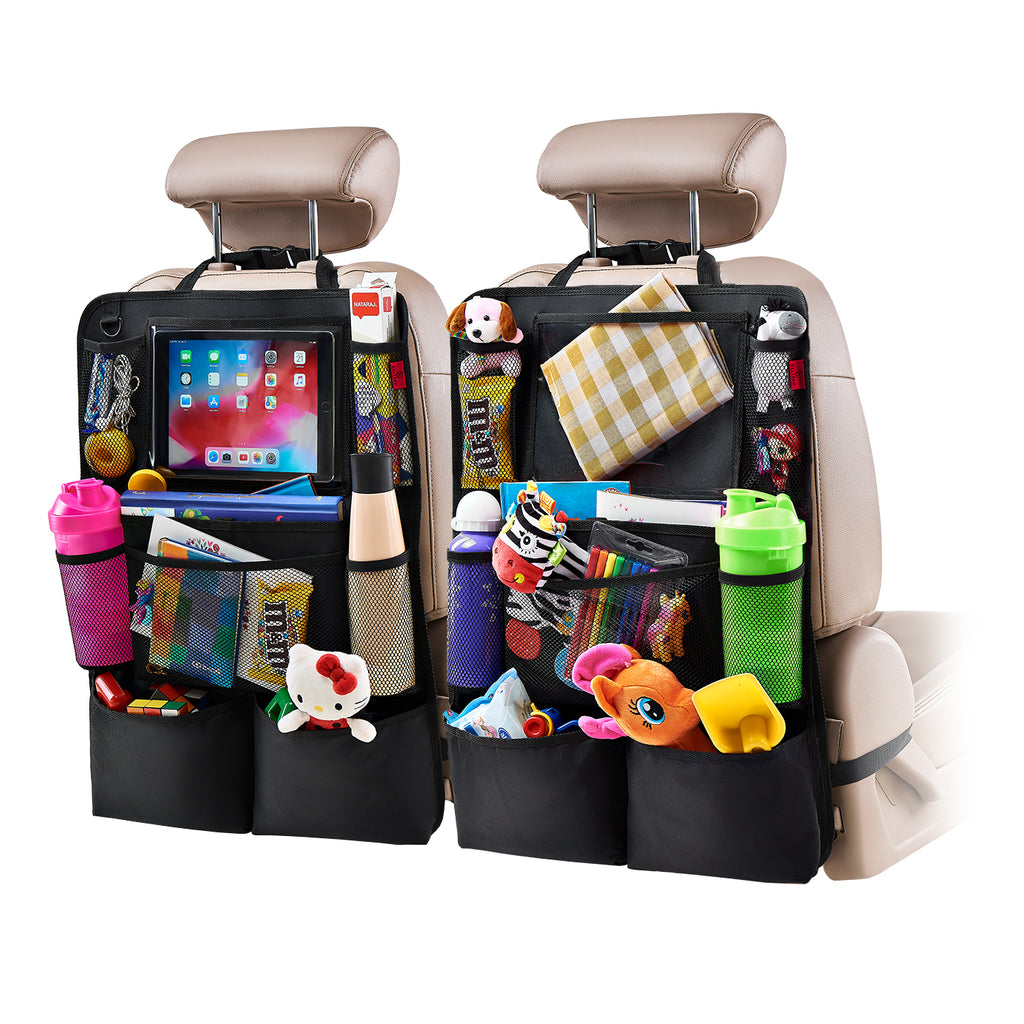
Helteko
Helteko Backseat Car Organizer & Kick Mats with Touch Screen Tablet Holder, 2 Pack
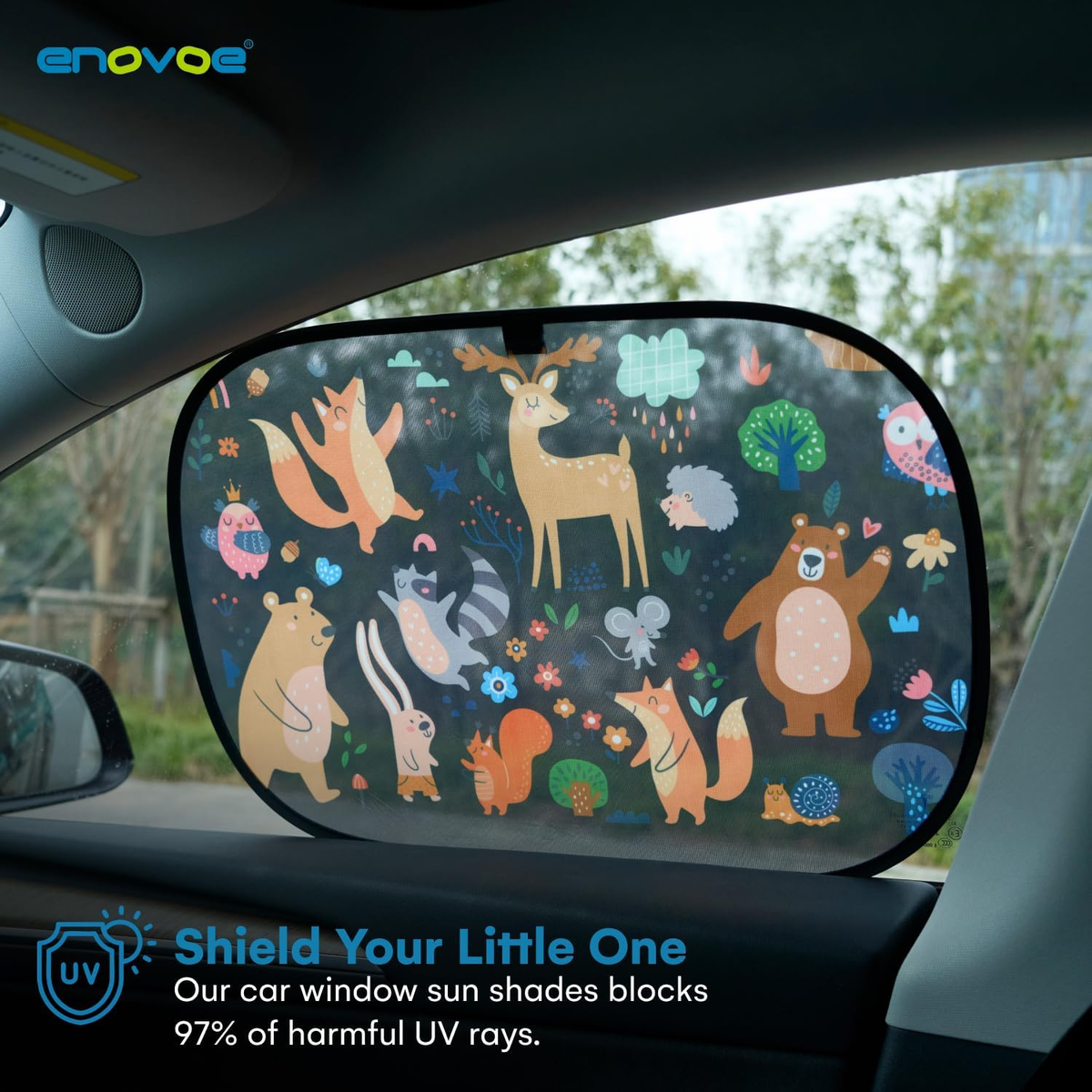
Enovoe
Enovoe Car Window Shades for Baby (4 Pack), 21"x14" Static Cling UV Protection
Related Content

Road Trip With a Toddler: Timing, Stops, Car Seat Safety and Snacks
Plan a road trip with a toddler: when to leave, how often to stop, car seat comfort without loosening the harness, safe snacks, and a car kit.
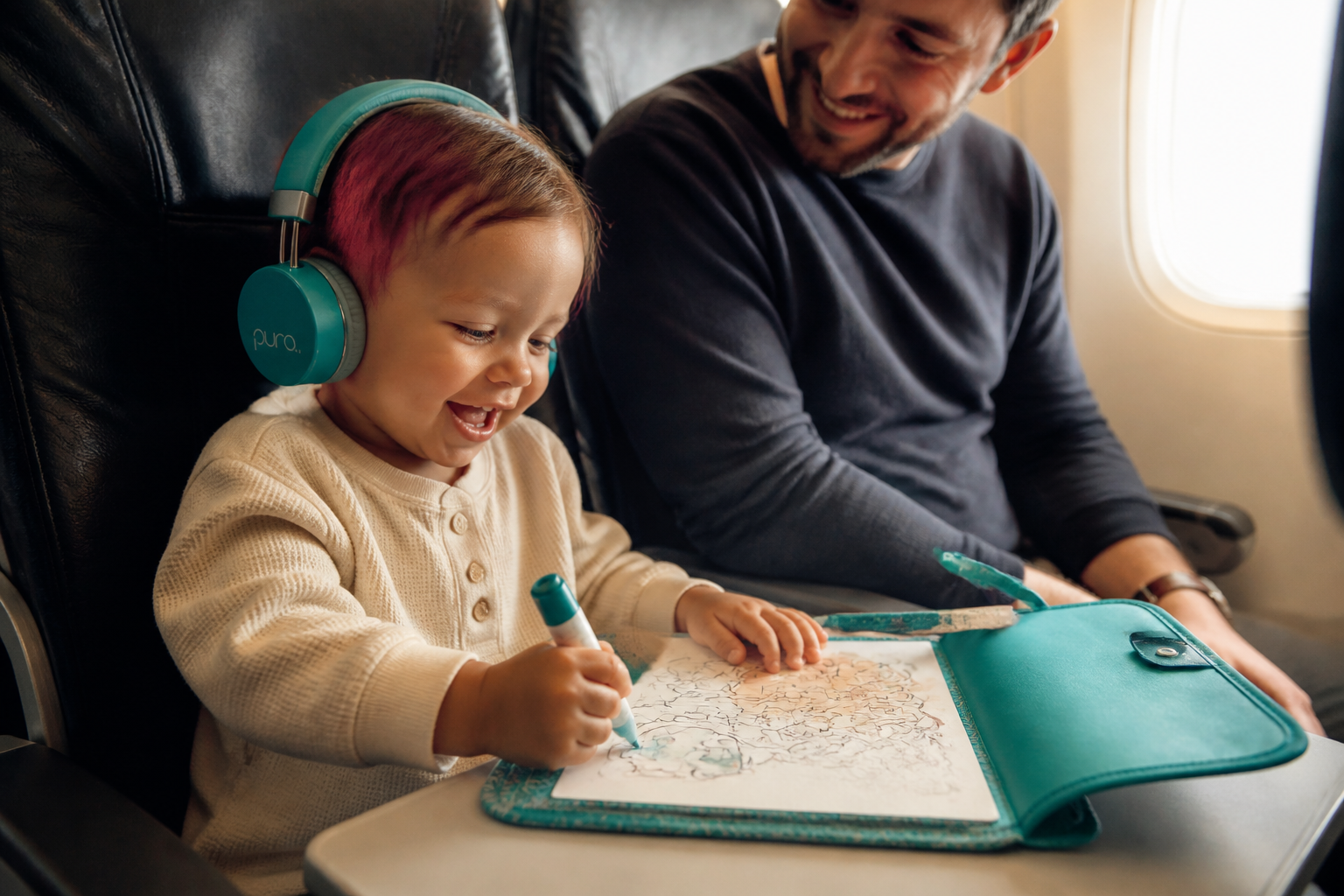
How to Help a Toddler's Ears on a Plane
Why a toddler's ears hurt on a plane, how drinking and snacks on descent help, flying with a cold or ear infection, and when to call the doctor afterward.
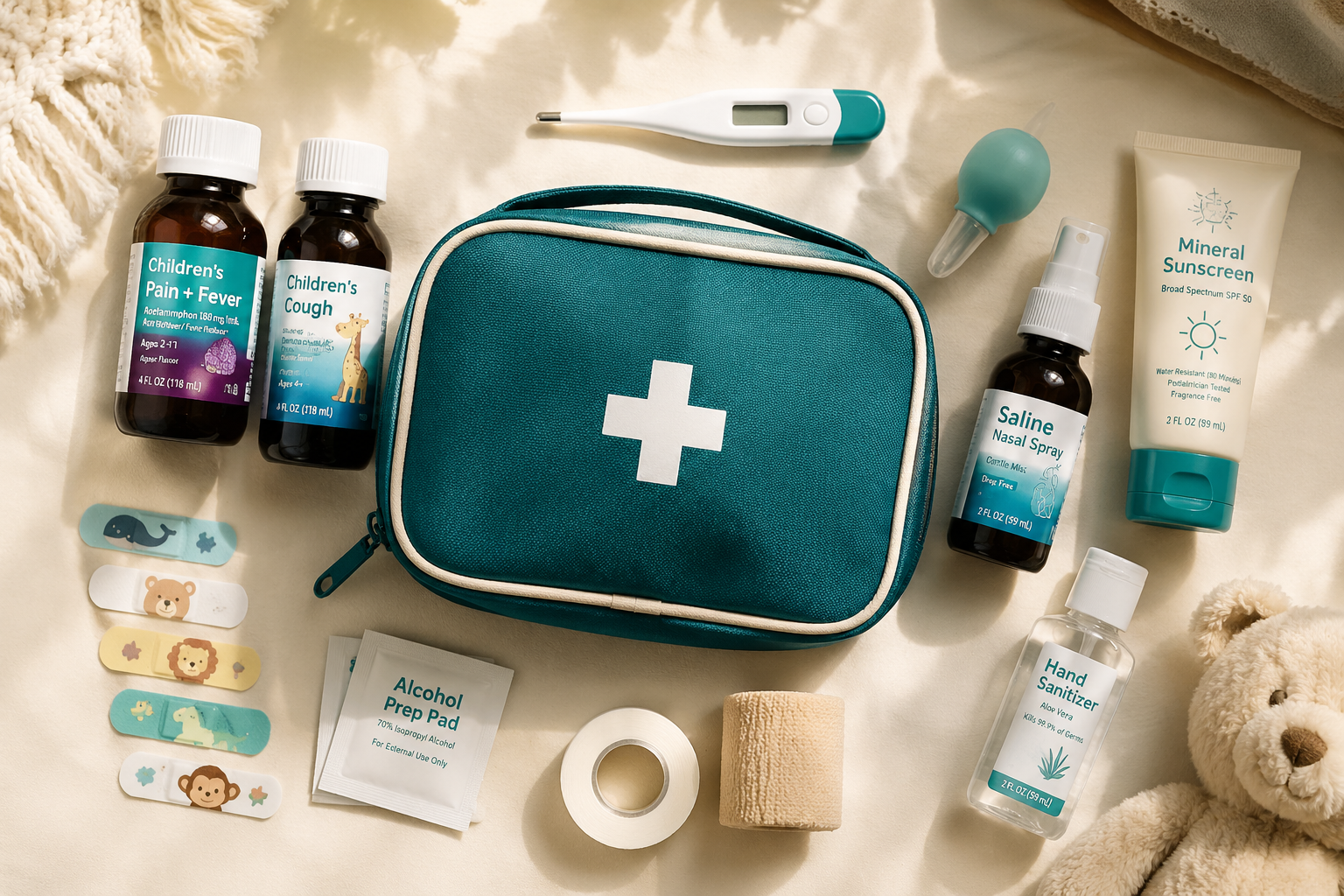
Toddler Travel First Aid Kit: What to Pack and When to Get Help
What to pack in a toddler travel first aid kit, handling common travel illnesses, TSA rules for kids' medicine, and AAP signs that need a doctor.