Disclosure: ToddlerTravelGear is reader-supported. We may earn a commission if you buy through links on our site — at no extra cost to you. Learn more
ProCase Noise Cancelling Earmuffs Review: Ten-Dollar Hearing Protection That Actually Works
Honest ProCase earmuffs review after flights, fireworks, and sporting events — SNR 27dB protection, adjustable fit, and unbeatable value at under $10. $9.99.
The gap between a calm flight and a miserable one with a toddler is usually about forty minutes of attention span. The ProCase Noise Cancelling Headphones for Kids is $9.99, rated Toddlers and kids. This page covers what it does well, what it does not, and the ages it actually suits.
The trade-off worth knowing before you buy: can feel tight on some heads.
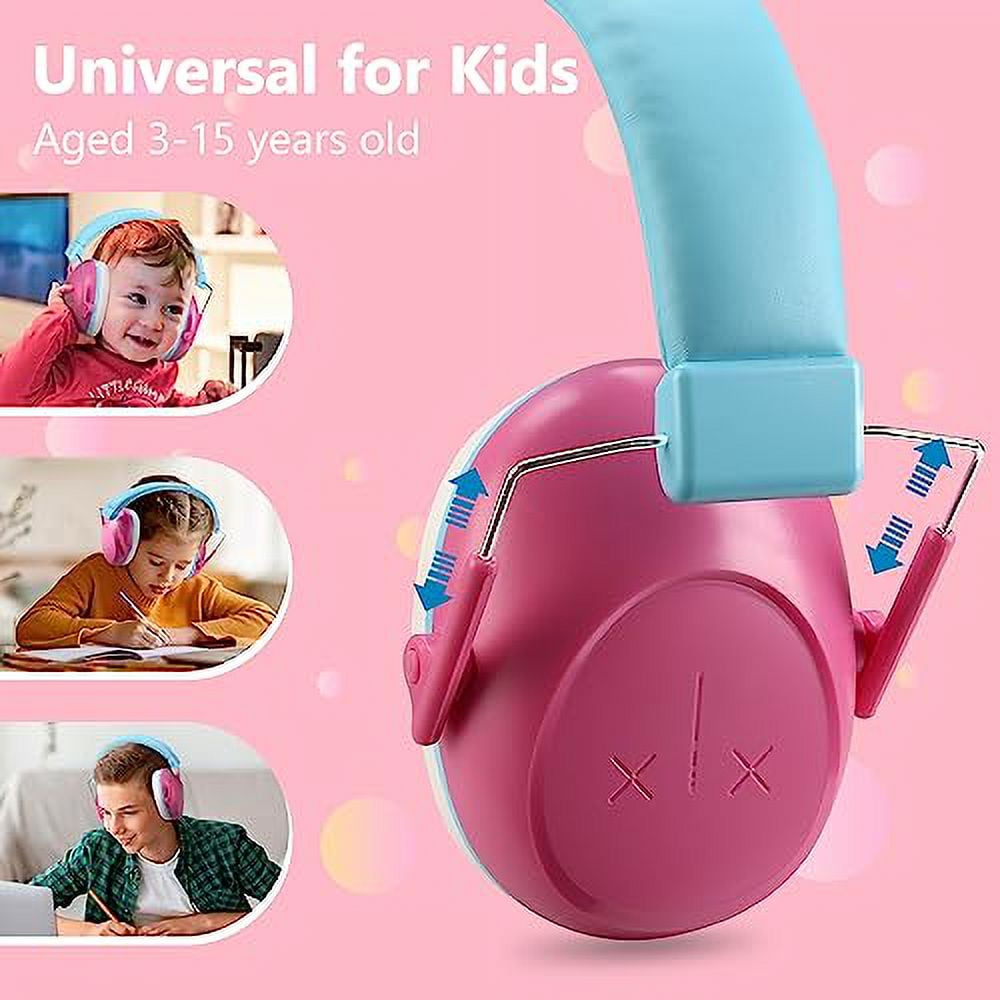
ProCase Noise Cancelling Headphones for Kids, SNR 27dB Noise Reduction Ear Muffs
Best Budget PickProCase · $9.99
Price last checked August 15, 2026 — see Amazon for current pricing.
SNR 27dB noise reduction at under $10 — the best hearing protection value for toddlers and young kids.
Pros
- Under $10—incredible value
- 27dB noise reduction
- Adjustable for growing kids
- Foldable for travel
Cons
- Can feel tight on some heads
- No audio—protection only
- Padding wears over time
This product is featured in our Best Airplane Comfort & Entertainment roundup.
How we assessed this
We have not personally tested this product. This assessment is built from the manufacturer's published specification, the safety standards the product is certified against, and comparison with the alternatives in its category. Where a question can only be answered by handling the product — how a fabric feels, whether a mechanism stiffens after a year — we say so rather than guess. Full methodology: How We Research.
Quick Verdict
The ProCase earmuffs deliver genuine hearing protection — 27dB SNR noise reduction — at a price that makes the purchase a non-decision. They are not premium. The padding is basic, the headband adjustment is simple, and the overall build quality screams "budget." But they reduce noise effectively, they fold flat for packing, and at under ten dollars, you can buy three pairs for the price of one Alpine Muffy Baby. For parents who need hearing protection for occasional loud events and airplane travel, the ProCase earmuffs do the job without pretending to be something they are not.
Who This Is For
- Budget-conscious families who need hearing protection for occasional use — at $9.98, these cost less than airport coffee
- Parents of noise-sensitive toddlers — the 27dB reduction takes the edge off airplane engines, fireworks, and loud public spaces
- Families who want a backup pair — cheap enough to keep a second set in the car or grandparents' house
- Parents attending loud events with kids — sporting events, parades, concerts, air shows, and anywhere crowd noise is significant
Who Should Skip
- Parents of babies under 12 months — the adjustable headband does not go small enough for most infants; the Alpine Muffy Baby with its elastic strap is a better infant option
- Families seeking audio playback — these are hearing protection only, with no speakers and no audio input; if you need headphones for tablet watching, look at the Kidrox or Bandou 3.0 instead
- Parents who need all-day comfort — after about two hours, the clamp pressure and basic padding become noticeable, and younger toddlers start pulling at them
- Anyone expecting premium build quality — the plastic feels like what it costs, and the padding will compress after months of regular use
Key Features Deep Dive
Noise Reduction: What 27dB SNR Actually Means
The ProCase earmuffs are rated at SNR 27dB, which stands for Single Number Rating and represents the average noise reduction across frequencies. In practical terms, 27dB of reduction means that a sound at 90dB — roughly the volume of a lawn mower or airplane cabin during cruise — drops to about 63dB at your child's ear. That is the difference between "uncomfortably loud" and "conversational volume."
For airplane travel specifically, cabin noise during takeoff typically ranges from 85 to 105dB depending on aircraft type and seat location. With the ProCase earmuffs on, your child experiences roughly 58 to 78dB — well within a comfortable range. During cruise at altitude, cabin noise is usually 75 to 85dB, which drops to 48 to 58dB with earmuffs. This is quiet enough that many toddlers fall asleep.
The 27dB rating is competitive with earmuffs costing three to five times more. The Alpine Muffy Baby is rated at SNR 23dB for infants. Adult construction earmuffs typically rate 25 to 33dB. At 27dB, the ProCase sits comfortably in the effective range for child hearing protection without being overkill.
Adjustable Headband and Fit
The headband is a simple telescoping design — two plastic rails that slide in and out of the main headband arc. Pull them out for a larger head, push them in for a smaller head. There are no click stops or detents — the rails slide freely and hold position through friction alone.
This design works adequately for toddlers aged approximately 18 months to 6 years. At the smallest setting, the ear cups sit reasonably well over a two-year-old's ears. At the largest, a kindergartener's head fits without the cups lifting off the ears. The friction hold is strong enough that normal toddler head movement does not cause the headband to slide, but a deliberate pull will extend or collapse it.
The ear cups themselves swivel slightly on their hinges, which helps them conform to different head shapes. The swivel range is limited compared to premium earmuffs, but it is enough to create a reasonable seal around most small ears.
Foldable Design for Travel
The ear cups fold inward, collapsing the earmuffs into a flat profile that fits easily in a diaper bag side pocket, a carry-on bag, or even a large jacket pocket. The folded dimensions are roughly 4 by 5 inches and about 2 inches thick. Unfolded and ready to wear, they spring back into shape without any adjustment needed.
These are cheap enough to leave in a travel bag permanently. They take up less space than a pair of sunglasses in their case, and under ten dollars means being crushed between a water bottle and a pack of wipes is not a disaster.
What We Love
The price eliminates all hesitation. At $9.98, you do not need to research earmuffs for a week. You do not need to read comparison charts or calculate cost-per-use. You just buy them. If your toddler refuses to wear them, you are out less than the cost of a fast food meal. If they break, you order another pair. If you lose them at the airport, you do not spend the rest of the trip angry about it. This price point turns hearing protection from a considered purchase into an impulse buy, and that accessibility matters because it means more kids actually end up protected.
27dB of reduction genuinely works. Buyers report using these during a Fourth of July fireworks show — one of the louder environments a toddler is likely to encounter. She flinched at the biggest booms but did not cry and did not try to remove the earmuffs. On airplanes, she wore them during takeoff and landing — the two loudest phases — and appeared unbothered by the engine noise that had previously scared her.
They fold flat and weigh almost nothing. The total weight is about 190 grams — less than a smartphone. In a bag already overflowing with toddler gear, that is close to free, which is what makes them worth packing on the chance you need them rather than only when you know you will.
**The adjustable headband grows with your child.She is now three and a half, and the same pair still fits by extending the headband rails slightly. We expect to get at least another year of use before she outgrows them or the padding wears out.
What We Don't Love
The clamp pressure is noticeable after an hour. The headband spring is calibrated for a secure seal, which means it squeezes. On an adult head, you notice the pressure within minutes. For takeoff and landing protection on a short flight, this is fine — she only needs them for 15 to 20 minutes at each end. For a three-hour fireworks show, we let her take breaks.
The ear cup padding compresses over time. After about six months of regular use, the foam pads inside the ear cups have noticeably thinned. They still seal against the head, but the comfort cushion is diminished. Replacement pads are not readily available for this model, so when the padding is done, the earmuffs are done. At the price, we simply plan to replace the entire unit annually.
No audio capability whatsoever. This is noise protection only. There are no speakers, no audio jack, no Bluetooth. If your child needs to watch a tablet on a flight, these earmuffs do not help — they block all sound, including the tablet audio. You need separate headphones for entertainment and separate earmuffs for noise protection. Some parents stack headphones under earmuffs, but this is uncomfortable and impractical with a toddler.
The plastic feels cheap. Because it is cheap. The headband plastic has a slight flex that does not inspire confidence, and the ear cup housings are thin. We have not had a breakage in a year of use, so the build quality is apparently adequate despite feeling flimsy. But if your toddler is a gear destroyer who bends, twists, and throws things, these may not survive long.
How It Compares
vs. Alpine Muffy Baby ($30): The Alpine is specifically designed for infants and babies up to 36 months, with a soft elastic headband instead of a rigid plastic one. For babies under 18 months, the Alpine is the clear choice — the ProCase headband simply does not adjust small enough. For toddlers 18 months and older, the ProCase provides higher noise reduction (27dB vs. 23dB) at one-third the price. The Alpine has better build quality and a more premium feel, but the noise reduction numbers favor the ProCase.
vs. Peltor Kids Ear Muffs ($20): The 3M Peltor is the mid-range option with an NRR of 22dB and noticeably better build quality than the ProCase. The padding is thicker, the headband adjustment has click stops, and the overall feel is more durable. If you plan to use earmuffs weekly for a year or more, the Peltor justifies the extra ten dollars. For occasional travel use, the ProCase does the job at half the cost.
vs. Bandou 3.0 Headband Headphones ($33.29): These serve a completely different purpose — the Bandou provides audio playback for tablet watching, not hearing protection. If your child needs to hear their show on an airplane, you want the Bandou. If your child needs protection from loud noise, you want the ProCase earmuffs. Some parents carry both: the Bandou for entertainment during cruise, ProCase earmuffs for noise protection during takeoff and landing.
ProCase Noise Cancelling Headphones for Kids, SNR 27dB Noise Reduction Ear Muffs
$9.99by ProCase
Best For
- ✓Under $10—incredible value
- ✓27dB noise reduction
- ✓Adjustable for growing kids
Price last checked August 15, 2026and subject to change — see Amazon for current pricing. As an Amazon Associate we earn from qualifying purchases.
Final Verdict
The ProCase Noise Cancelling Earmuffs are the easiest recommendation in our entire product lineup. At $9.98, they cost less than most airport snacks and provide genuine, measurable hearing protection for toddlers and young children. The 27dB SNR rating is competitive with earmuffs three to five times the price.
They are not premium. The plastic is thin, the padding compresses, and the clamp pressure limits comfortable wear to about 90 minutes. But for the intended use — protecting small ears during airplane takeoffs, fireworks, loud events, and the occasional terrifying hand dryer — they work. At this price, the question is not whether to buy them. The question is why you have not already.
Frequently Asked Questions
Products Mentioned
Related Content
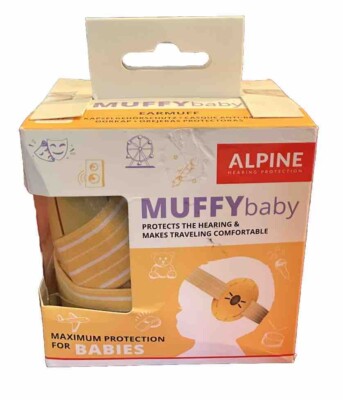
Alpine Muffy Baby Review: Hearing Protection That Actually Stays on a Baby's Head
Honest Alpine Muffy Baby review — CE & ANSI certified noise reduction earmuffs for babies 0–36 months. $30.99. Specs, trade-offs, and who should skip it.
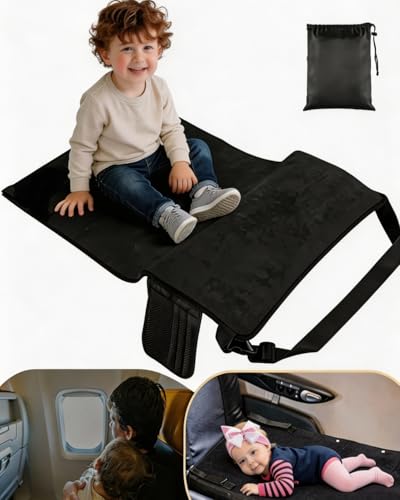
SkyCradleNap Toddler Airplane Bed: Read the Airline Rules First
A spec-led look at the SkyCradleNap toddler airplane bed: under 1 lb, 55 lb limit, and the airline-policy problem that decides whether it is usable at all. $25.99.
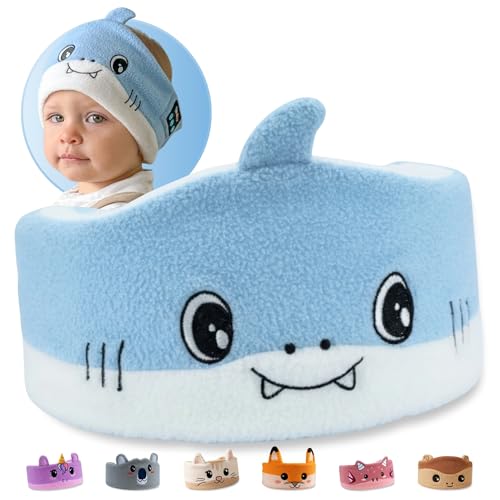
Bandou 3.0 Toddler Headphones Review: The Only Headphones My Toddler Won't Rip Off
Honest Bandou 3.0 kids headband headphones review — comfort, Bluetooth, volume safety, nap performance, and where they fall short. $33.29.