Disclosure: ToddlerTravelGear is reader-supported. We may earn a commission if you buy through links on our site — at no extra cost to you. Learn more
Deuter Kid Comfort Review: The Storage-First Hiking Carrier for Gear-Heavy Families
Honest Deuter Kid Comfort review — 18L storage, ventilated back system, how it compares to the Osprey Poco, and more. $309.00.
The Deuter Kid Comfort Child Carrier and Backpack for Travel & Hiking with Toddlers costs $309.00, ~7.5 lb, rated 16–48 lbs. This page covers what the specification supports, where the real trade-offs are, and who should choose something else — before you spend the money.
The trade-off worth knowing before you buy: heavy at 7.5 lb.
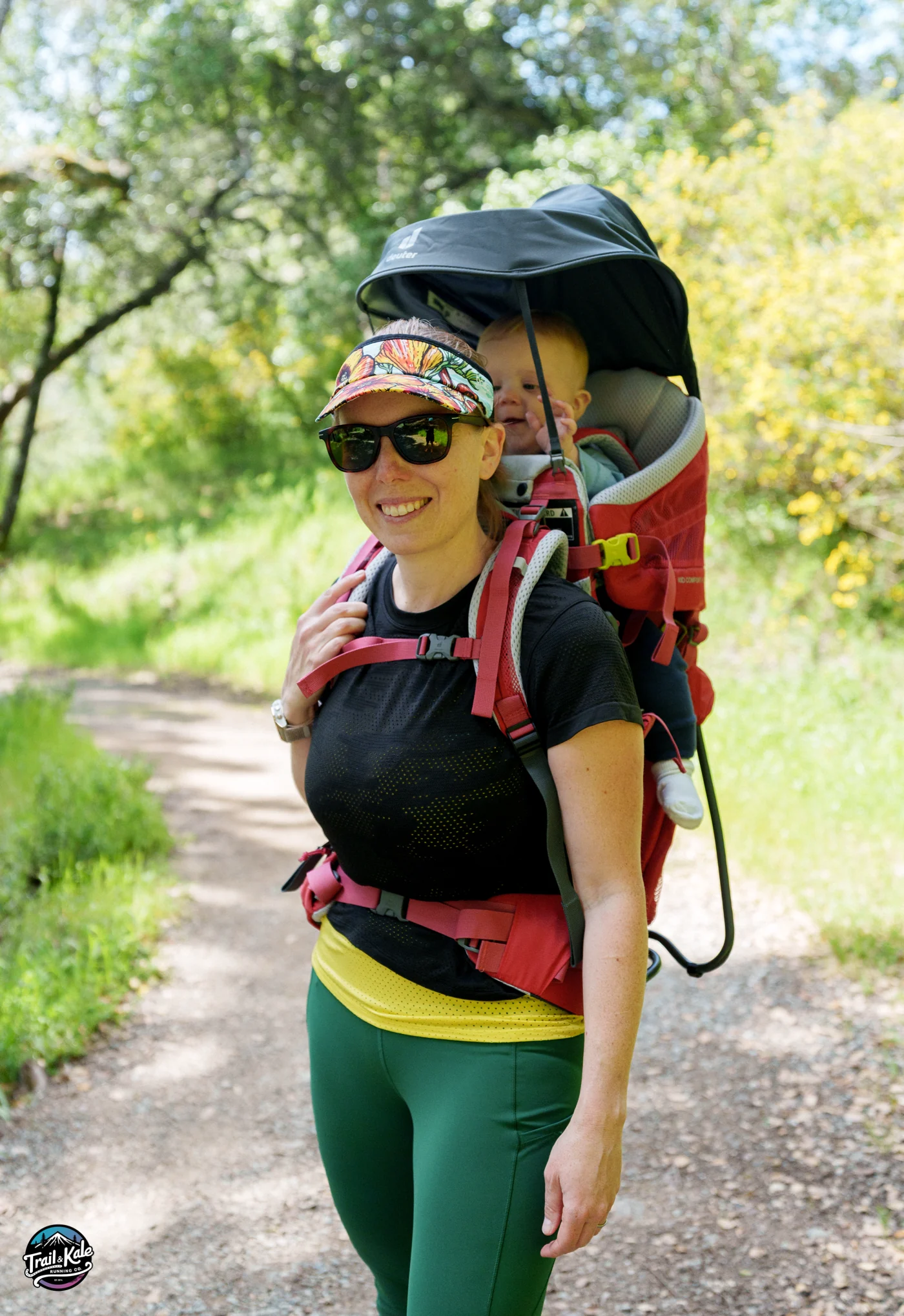
Deuter Kid Comfort Child Carrier and Backpack for Travel & Hiking with Toddlers
Best StorageDeuter · $309.00
Price last checked August 15, 2026 — see Amazon for current pricing.
18L of dedicated gear storage means you can leave the daypack at home — diapers, water, snacks, layers, and everything else fits in one carrier.
Pros
- Excellent ventilated back system
- Integrated kickstand for easy loading
- Adjustable fit for multiple carriers
- Good gear storage
Cons
- Heavy at 7.5 lb
- Not suitable for infants
- Too bulky for airports
This product is featured in our Best Baby Carriers for Travel roundup.
How we assessed this
We have not personally tested this product. This assessment is built from the manufacturer's published specification, the safety standards the product is certified against, and comparison with the alternatives in its category. Where a question can only be answered by handling the product — how a fabric feels, whether a mechanism stiffens after a year — we say so rather than guess. Full methodology: How We Research.
Quick Verdict
The Deuter Kid Comfort is the best hiking carrier for families who need to carry gear along with their child. The 18 liters of storage is not a marketing number — it is genuinely usable space that replaces a small daypack. The Aircomfort back system keeps your back ventilated on warm trail days. The integrated kickstand is rock-solid for loading and unloading. And the adjustable VariFlex hip fins distribute weight beautifully across long miles.
The trade-offs are real. At 7.5 pounds empty, it is heavier than the Osprey Poco. There is no integrated sunshade — you have to buy the Deuter Sun Roof separately. And this is not something you want to haul through an airport terminal. It is a dedicated hiking carrier, not a do-everything travel product.
But if you are a hiking family, if national park trails and mountain weekends are how you spend your time off, and if you are tired of the two-pack problem, the Deuter Kid Comfort solves it better than anything else in this category.
Who This Is For
The Deuter Kid Comfort makes the most sense for:
- Hiking families who need one parent to carry both kid and gear, eliminating the need for a second daypack on the trail
- Parents who hike solo with a toddler and literally cannot carry a separate pack while managing trekking poles and a child carrier
- Gear-heavy families who bring the full spread — layers, first aid kit, water filtration, snacks for a full day — and need a carrier that can handle the volume
- National park travelers who plan their vacations around trails and need a carrier that performs on real terrain, not just paved paths
- Parents with multiple body types who share the carrier, thanks to the adjustable torso length and hip belt system
Who Should Skip
- Families who need a carrier for airports, theme parks, or urban travel — At 7.5 pounds empty with a full hiking frame, the Deuter is too bulky and heavy for anything that is not a trail. It does not fold down, does not fit in overhead bins, and is an ordeal to carry through an airport terminal.
- Parents with infants under 6 months — The 16-pound minimum weight means most babies cannot use this carrier until roughly 6 to 9 months old with full head and neck control. If you want to hike with a younger baby, you need a soft carrier first.
- Ultralight backpackers who count every ounce — At 7.5 pounds before you add child and gear, this is one of the heavier frame carriers. If minimizing pack weight is your obsession, the Osprey Poco saves some weight, and a soft carrier like the Ergobaby is dramatically lighter for shorter hikes.
- Budget-conscious families who hike infrequently — At $300 plus another $50-$60 for the separately sold sunshade and rain cover, the total investment is significant. If you only hit the trails a few times a year, a less specialized carrier will handle occasional outings without the premium price.
It is probably not the best choice for:
- Families who primarily need a carrier for airports, theme parks, or urban travel — the Deuter is too bulky and heavy for these scenarios
- Parents with infants — the 16-pound minimum means most babies are not ready until roughly 6 to 9 months old
- Ultralight backpackers who obsess over every ounce — the Osprey Poco is lighter, and minimalist carriers like the Ergobaby Omni 360 are dramatically lighter for shorter hikes
- Budget-conscious families who do not hike frequently enough to justify a $300 specialized carrier
Key Features Deep Dive
18L Storage: What Actually Fits
The storage number that sets the Deuter Kid Comfort apart from most competitors is 18 liters. But a liter measurement means nothing unless you know what that translates to in real-world packing. Here is exactly what we fit in the carrier's compartments on a full-day hike in Rocky Mountain National Park:
Main bottom compartment (the big one):
- One packable rain jacket (adult)
- One toddler fleece layer
- A changing pad, four diapers, and a travel wipes pack
- One complete change of toddler clothes in a gallon zip bag
- A basic first aid kit
Rear zippered pocket:
- Two 500ml water bottles (standing upright)
- A tube of sunscreen
- Bug spray
Hip belt pockets (both sides):
- Phone in one side
- Car keys and a granola bar in the other
Top lid pocket:
- Snack container for the toddler
- A small baggie of Cheerios for emergency bribery
- Pacifier clip and spare pacifier
Stretch side pockets:
- One additional water bottle
- A compact packable hat for the toddler
All of that. In the carrier. With a 26-pound toddler on top. No daypack needed.
For comparison, the Osprey Poco's storage capacity is smaller — roughly 11 liters of total usable space in the lower compartment. That is enough for the basics but not enough to skip the daypack on a full-day outing. On shorter hikes of two hours or less, either carrier stores enough. On all-day adventures, the Deuter's extra seven liters are the difference between one pack and two.
Aircomfort Sensible Back System
Deuter's Aircomfort back system is a tensioned mesh panel that holds the carrier's frame away from your back, creating an air channel between the pack and your body. If you have ever used a Deuter hiking backpack, you know this system — it is one of the best ventilation designs in the industry, and they brought the same engineering to the Kid Comfort.
On a warm day, the difference between a carrier that sits flush against your back and one with an air gap is dramatic. A standard foam back panel traps heat across the whole contact area; Deuter's Aircomfort mesh suspends the pack off your back so air moves between the two. In practice that is the difference between a soaked shirt after 45 minutes in 80-degree heat and damp patches only at the contact points. In cooler autumn conditions the gap is enough that back sweat largely stops being a factor over a couple of hours.
The mesh panel also provides a slight amount of flex and suspension, which softens the carrier's movement as you walk. It is not a dramatic bouncing effect, but on rocky descents where you are stepping unevenly, the slight give in the mesh keeps the ride smoother for both parent and child.
Integrated Kickstand
The Deuter Kid Comfort's kickstand is one of those features that sounds minor until you use it for the first time. The kickstand is a folding metal frame on the bottom of the carrier that locks into the open position, allowing the carrier to stand upright on the ground on its own.
Why this matters: loading a toddler into a frame carrier without a kickstand means either laying the carrier on the ground (awkward, gets the back dirty, and your child is practically horizontal while you try to buckle them in), having your partner hold the carrier upright (requires two adults), or leaning it against something (sketchy at best, dangerous at worst). With the kickstand deployed, you set the carrier down, it stands on its own, you lower your child in from above, buckle the five-point harness, and then swing the whole thing onto your back. Solo parent loading becomes genuinely manageable instead of a circus act.
The kickstand locks into the open position with a positive click, and the stance is wide enough that a child leaning and wriggling inside it does not tip the carrier on slightly uneven ground. On hard level surfaces it is rock solid. On soft ground the feet can sink slightly into dirt, which is worth accounting for before you let go, though it is not a stability failure.
One important note: always check the kickstand lock before setting the carrier down. A partially deployed kickstand that collapses under load is a real risk. We got into the habit of pushing the kickstand until we heard and felt the click every single time, and never had an issue.
Five-Point Harness
The child seat uses a five-point harness — two shoulder straps, two hip straps, and a crotch strap, all meeting at a central buckle. This is the same restraint concept used in car seats, and it is the most secure type of harness available for child carriers.
The harness is adjustable as the child grows, with the shoulder strap height changing via a simple pull-and-clip mechanism on the back of the seat. The straps themselves have enough padding to avoid digging into a toddler's shoulders, and the central buckle is a pinch-style release that an adult can operate one-handed but a toddler cannot open independently.
Beyond that, she would start to squirm against the straps — less a design flaw and more a reality of toddlers not wanting to sit still for three-plus hours.
Adjustability for Multiple Carriers
One of the Deuter Kid Comfort's strongest features is its adjustability. The torso length adjusts via a ladder system on the back panel, accommodating a wide range of heights. The hip belt uses Deuter's VariFlex system, which allows the hip fins to pivot and flex with your movement rather than sitting rigidly in one position.
We can switch the carrier between us with about 90 seconds of adjustment. The torso length slider moves smoothly, the hip belt cinches or releases easily, and the shoulder straps have enough range to accommodate both of us comfortably. We have shared carriers before that technically adjusted but always felt like a compromise for one of us. The Deuter genuinely fits both of us well.
This matters for families who split carrying duties on the trail, which is most families. If the carrier only fits one parent properly, you have either bought a single-user product or one parent is hiking in discomfort.
What We Love
-
The storage genuinely replaces a daypack. This is the single biggest selling point and the specification supports it: water, layers, snacks, nappies and a first aid kit all fit without a second bag. For a parent hiking alone with a child, that is not a convenience — it is the only practical way to carry both.
-
The Aircomfort back panel is best in class. Buyers report using frame carriers with foam backs, mesh backs, and hybrid designs. The Deuter's tensioned mesh creates the most noticeable air gap and the best ventilation in this category. On a warm day, this is the difference between comfortable and miserable.
-
The kickstand is bomber. It deploys and locks with confidence. It stands on hard and soft ground. It makes solo loading straightforward. This is not a flimsy wire stand — it is a serious structural element that inspires trust.
-
VariFlex hip fins move with you. On uneven terrain where your hips shift with every step, a rigid hip belt creates pressure points because it cannot follow the movement. Deuter's pivoting fins stay centred on the hip bones and move with your gait, which is what prevents hot spots developing over hours rather than minutes.
-
Build quality is outstanding. Deuter has been making hiking packs since 1898. That heritage shows in the materials and construction. After a full season of use — dirt, rain, sweat, spilled snacks, sunscreen smears — the carrier shows no structural wear. Zippers are smooth, buckles are tight, fabric is intact, and the frame has not developed any creaks or looseness.
What We Don't Love
-
At 7.5 pounds, it is heavy. Add a 25-pound toddler and five pounds of gear and you are carrying nearly 38 pounds before you take your first step. The Osprey Poco saves you roughly a third of a pound at 7.2 pounds, which does not sound like much but adds up over a long day. Every ounce you can save in the carrier means either more comfort or more gear capacity for actual supplies. The Deuter is heavier than most competitors in this category, and that is a legitimate trade-off for the extra storage.
-
No integrated sunshade. The Osprey Poco comes with a built-in sunshade that deploys from the top of the carrier. The Deuter does not. Deuter sells the Kid Comfort Sun Roof as a separate accessory for roughly $30, but it should be included at this price point. On exposed trails above treeline, sun protection for your child's head and face is not optional — it is a safety necessity. Having to buy it separately feels like a nickel-and-dime move on a $300 product.
-
Too bulky for non-hiking travel. This is a full-frame hiking carrier. It does not fold down. It does not fit in a suitcase. Carrying it through an airport is an ordeal — it is wide, it catches on seats and jetway walls, and TSA gives it a thorough look every time. If you are flying to a hiking destination, the Deuter is one more large, awkward item to manage. Plan to gate check it or check it as oversized luggage. This is not a criticism of the carrier itself — it is a frame carrier and frame carriers are big. But it is worth acknowledging that getting it to the trailhead can be a hassle, especially compared to a soft carrier like the Ergobaby that stuffs into a daypack.
-
Not suitable for infants. The 16-pound minimum weight means most babies cannot use this carrier until 6 to 9 months old, and even then, the child must be able to sit unassisted with full head and neck control. If you have a younger baby and want to hit the trails, you need a different carrier for the first several months and then transition to the Deuter. That is a real gap for families who want one carrier solution from early on.
-
The child can kick your kidneys. With the adjustable footrests, toddlers have something to push against — and they will push. An excited or restless toddler can deliver surprisingly forceful kicks to your lower back and sides. This is a universal frame carrier issue, not specific to Deuter, but the footrests arguably make it easier for enthusiastic kickers. We never found a complete solution other than snack bribery and waiting for the kicking phase to pass.
-
Limited rain protection. The Deuter Kid Comfort does not come with a rain cover. Deuter sells one separately, just like the sunshade. In the Pacific Northwest or anywhere rain is common on trails, this is an immediate additional purchase. Between the sunshade and the rain cover, you are spending $50-60 on top of the $300 carrier for weather protection that arguably should be standard at this price.
On the Trail
Grand Teton National Park — Cascades Canyon Trail
Distance: 9.1 miles round trip. Elevation gain: ~1,100 feet. Conditions: Clear, mid-60s, moderate wind at the overlook.
This was our longest hike with the Deuter and the one that convinced us it was worth the price. We did not carry a separate pack.
The Aircomfort back system shone on this hike. The steady climbing in the first half generated real body heat, and the ventilated back panel kept us from overheating during the ascent. The VariFlex hip fins stayed comfortable through the entire hike — we swapped carrier duties at the halfway point and both of us found a comfortable fit within a minute of adjustment.
She rested her feet on the stirrups, leaned her head on the padded cockpit surround, and was out. That alone was worth the weight penalty over a lighter carrier.
Shenandoah National Park — Whiteoak Canyon Trail
Distance: 4.6 miles round trip. Elevation gain: ~1,200 feet. Conditions: Warm, low 80s, humid.
This was our heat test. The trail descends to a series of waterfalls and then climbs back up, which means the hardest part comes when you are already warm and tired. The Aircomfort back system earned its keep here — even in 80-degree humidity, our back was noticeably less sweaty than it would have been with a foam-panel carrier. Not dry, but not the soaked-shirt situation we have experienced with other carriers in similar conditions.
The lack of an integrated sunshade was a problem on the exposed sections at the top of the trail. We had the separate Deuter Sun Roof attached, and it worked fine, but it felt like something that should have been built in from the start.
The kickstand got its best workout here. The kickstand held firm on rock surfaces, and the five-point harness kept her safe while she pointed and yelled at the water. Those rest stops — carrier standing on its own, child safely contained, parents sitting and drinking water — are one of the underrated benefits of a carrier with a solid kickstand.
Local Weekend Hikes — 2 to 4 Miles, Moderate Terrain
On shorter hikes, the Deuter is almost overkill. The 18L of storage is more than a two-hour outing needs, and the 7.5-pound weight is noticeable against lighter alternatives. It still wins for one reason: comfort past the two-hour mark. A framed carrier transfers load to the hips in a way a soft carrier structurally cannot, and with a 28-pound toddler on your back that difference shows up in your hips, shoulders and lower back within the first hour.
For families who hike every weekend, the Deuter is a weekday worker, not just a vacation piece. It comes off the hook Saturday morning, gets loaded up, does its job, and goes back on the hook. That regular use is what justifies the price — not a single trip to a national park, but fifty weekends a year of comfortable, well-organized hiking with your kid.
Real-World Packing: What Goes Where
After dozens of hikes, here is how we consistently pack the Deuter Kid Comfort:
Bottom compartment (load closest to your back for best weight distribution): Water goes here — two bottles minimum. This keeps the heaviest items low and close to your center of gravity. Extra clothes and rain layers fill the remaining space.
Rear pocket: Diapers, wipes, and changing supplies. Quick access without removing the carrier.
Hip belt pockets: Phone, keys, snack bar. Things you reach for constantly without wanting to stop.
Top lid pocket: Toddler snacks. Accessible while walking. This pocket keeps you from having to stop, set down the carrier, and dig through the main compartment every time your child says the word "cracker."
Stretch side pockets: Additional water bottle and the separate sunshade when it is stowed.
This packing system keeps the weight centered and low, which matters for balance on uneven terrain. Stuffing heavy items in the top lid pocket shifts the center of gravity high and back, which makes you feel unstable on descents. Keep the heavy stuff low.
How It Compares
These are the two carriers that come up in every conversation about hiking with toddlers. Both are excellent products from respected outdoor brands. Both will serve you well on the trail. The differences are real but not dramatic — choosing between them comes down to which trade-offs matter more to your family.
| Feature | Deuter Kid Comfort | Osprey Poco |
|---|---|---|
| Price | ~$300 | ~$395 |
| Weight | ~7.5 lb | ~7.2 lb |
| Child weight range | 16-48 lbs | 16-48.5 lbs |
| Gear storage | 18L | ~11L |
| Integrated sunshade | No (sold separately, ~$30) | Yes (built-in, deploys from top) |
| Integrated rain cover | No (sold separately) | No (sold separately) |
| Kickstand | Yes, robust metal frame | Yes, integrated |
| Back ventilation | Aircomfort tensioned mesh | Anti-Gravity suspension mesh |
| Hip belt | VariFlex pivoting fins | Fixed padded hip belt |
| Torso adjustability | Adjustable via ladder system | Adjustable fit-on-the-fly |
| Warranty | Limited lifetime | AllMighty Guarantee (lifetime repair/replace) |
| Footrests | Adjustable height | Adjustable height |
| Diaper change pad | No | No |
| Hydration compatible | Yes (reservoir sleeve) | Yes (reservoir sleeve) |
Where the Deuter Wins
Storage capacity. The Deuter's 18L versus the Osprey's roughly 11L is the most significant difference between these carriers. On a full-day hike, the Deuter carries everything you need without a second pack. The Osprey handles the basics but you will likely need your partner to carry a small daypack for extras on longer outings. For solo parent hikers, this difference alone can be the deciding factor.
Ventilation. Both carriers have excellent back ventilation systems, but the Deuter's Aircomfort design creates a slightly more pronounced air gap. In side-by-side testing on warm days, the Deuter kept our backs marginally drier. The difference is subtle, not dramatic, but it is there.
Price. At roughly $300 versus $395, the Deuter saves you nearly $100 while offering more storage. Even if you add the separate sunshade ($30), you are still ahead by $65. For families watching their gear budget, that is meaningful.
Hip belt comfort. The Deuter's VariFlex pivoting hip fins are more comfortable than the Osprey's fixed hip belt over long distances on uneven terrain. The pivot allows the fins to track with your hip movement rather than creating pressure points as you twist and shift on rocky trails.
Where the Osprey Wins
Integrated sunshade. The Osprey Poco comes with a built-in sunshade that deploys from the top of the carrier in seconds. No separate purchase, no forgetting it at home, no fumbling with an attachment on the trail. For exposed, above-treeline hiking, this is a genuine advantage and one of the Osprey's strongest selling points.
Weight. At 7.2 pounds versus 7.5 pounds, the Osprey is lighter. A third of a pound does not sound significant, but on a long day with a heavy toddler, marginal weight savings accumulate.
Warranty. Osprey's AllMighty Guarantee is one of the best in the outdoor industry — they will repair or replace any Osprey product, any reason, any era. Deuter offers a limited lifetime warranty that covers manufacturing defects but not wear-and-tear damage. If you are hard on gear, the Osprey warranty provides more peace of mind.
Brand recognition among hikers. This is a soft factor, but Osprey is the default name in hiking packs for many outdoor enthusiasts. Resale value, parts availability, and community support are all slightly stronger for Osprey.
The Bottom Line on the Comparison
If storage is your priority and you want to avoid carrying a second pack, buy the Deuter. If an integrated sunshade and a lighter weight matter more, buy the Osprey. Both are outstanding carriers. Neither is a wrong choice. The hiking community debates Deuter versus Osprey the way runners debate Nike versus Asics — passionately and endlessly, but both sides are wearing great shoes.
Our recommendation: if you hike in exposed, sunny environments frequently, the Osprey's built-in sunshade tips the scale. If you hike in forested areas, do full-day outings, or hike solo with your child, the Deuter's storage advantage is more valuable.
Deuter Kid Comfort Child Carrier and Backpack for Travel & Hiking with Toddlers
$309.00by Deuter
Best For
- ✓Excellent ventilated back system
- ✓Integrated kickstand for easy loading
- ✓Adjustable fit for multiple carriers
Price last checked August 15, 2026and subject to change — see Amazon for current pricing. As an Amazon Associate we earn from qualifying purchases.
Final Verdict
The Deuter Kid Comfort is not trying to be everything to every family. It is not an airport carrier. It is not a city walking carrier. It is not for infants, and it is not the lightest option in its class. What it is, decisively, is the best hiking carrier for families who need to carry gear.
It turned two-pack logistics into a one-pack operation.
The Aircomfort back panel, the VariFlex hip belt, the solid kickstand, the adjustable footrests, the five-point harness — these are all excellent features executed at a high level by a company that has been building packs for over a century. The build quality is outstanding and the carrier will last through multiple children.
Is it worth $300? If you hike regularly with a toddler, yes. The comfort over long distances, the storage that replaces a daypack, and the durability that will survive years of trail use make it one of the smartest gear investments a hiking family can make. If you hike once or twice a year, a less specialized carrier will do. But for families who measure their weekends in miles and elevation gain, the Deuter Kid Comfort is the carrier that keeps up.
Every time we load it up and hit the trail, we are glad we chose the one with room for everything. Because out there, a mile from the car with a toddler on your back, you do not want to wish you had brought more. You want to know you already did.
Frequently Asked Questions
Products Mentioned
Related Content
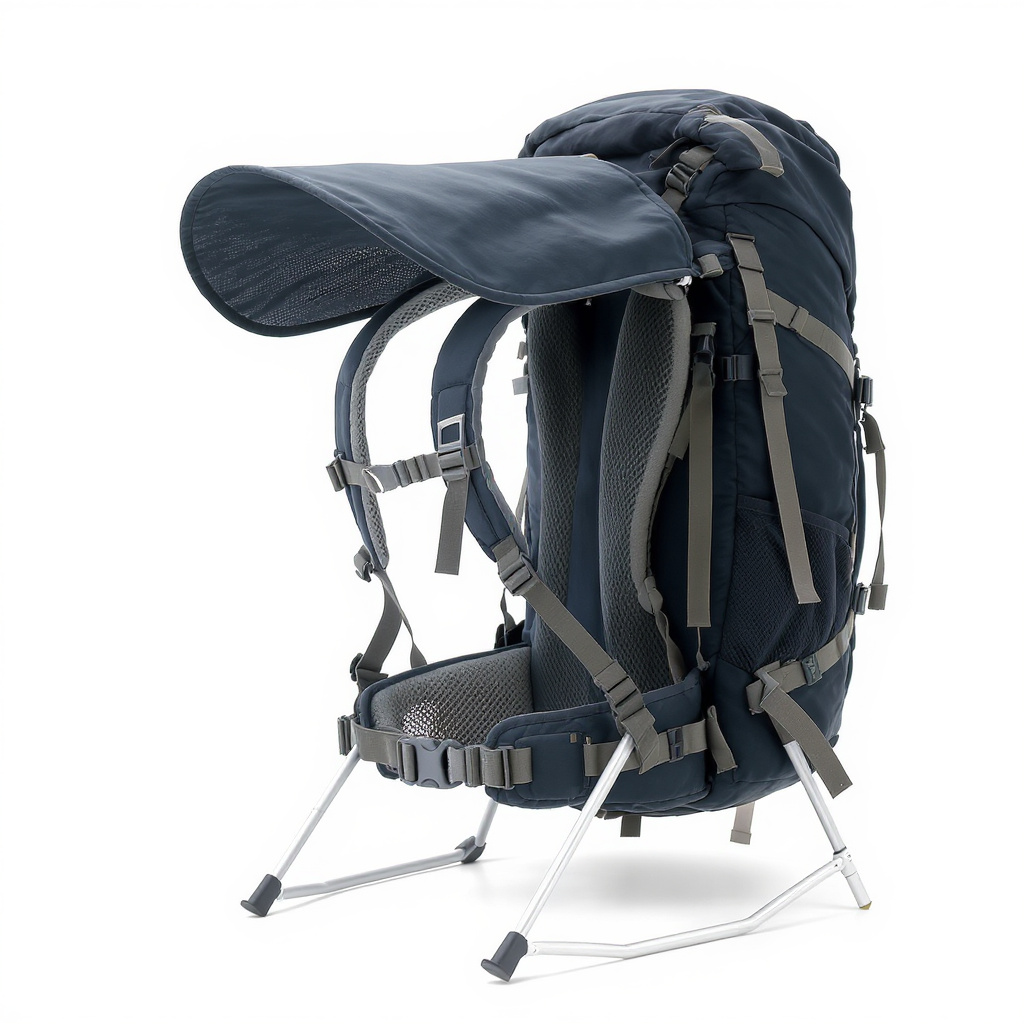
Osprey Poco Review: The Hiking Carrier That Made Us Actually Enjoy Trail Days
Honest Osprey Poco review after a season on the trails — comfort on long hikes, sunshade performance, storage capacity, and more. $339.95.
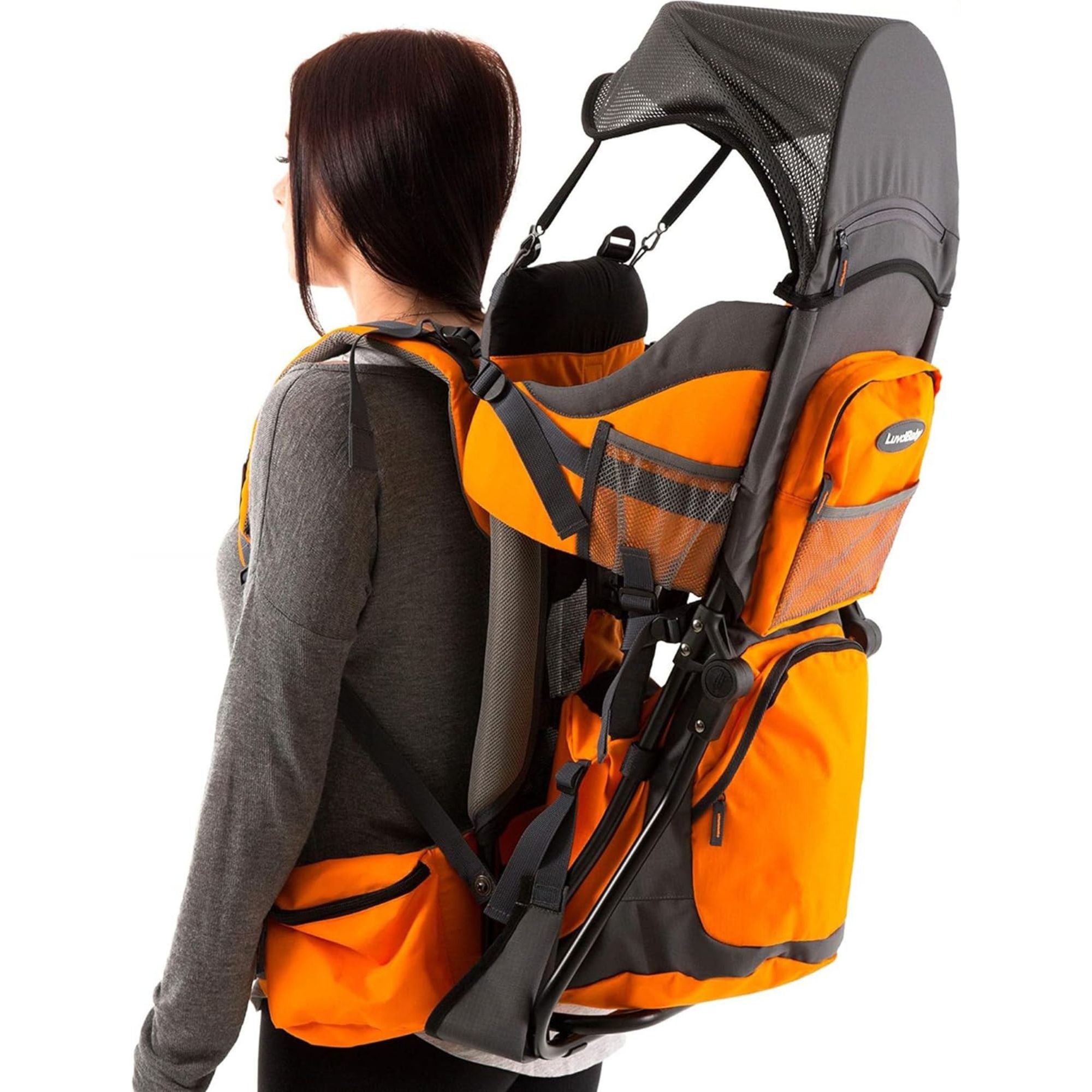
Luvdbaby Hiking Baby Carrier Backpack Review: The Budget Trail Carrier That Comes With Everything
Honest Luvdbaby hiking carrier review — built-in rain/sun hood, diaper pad, insulated pocket, and a $195 price that undercuts Osprey and Deuter by half.
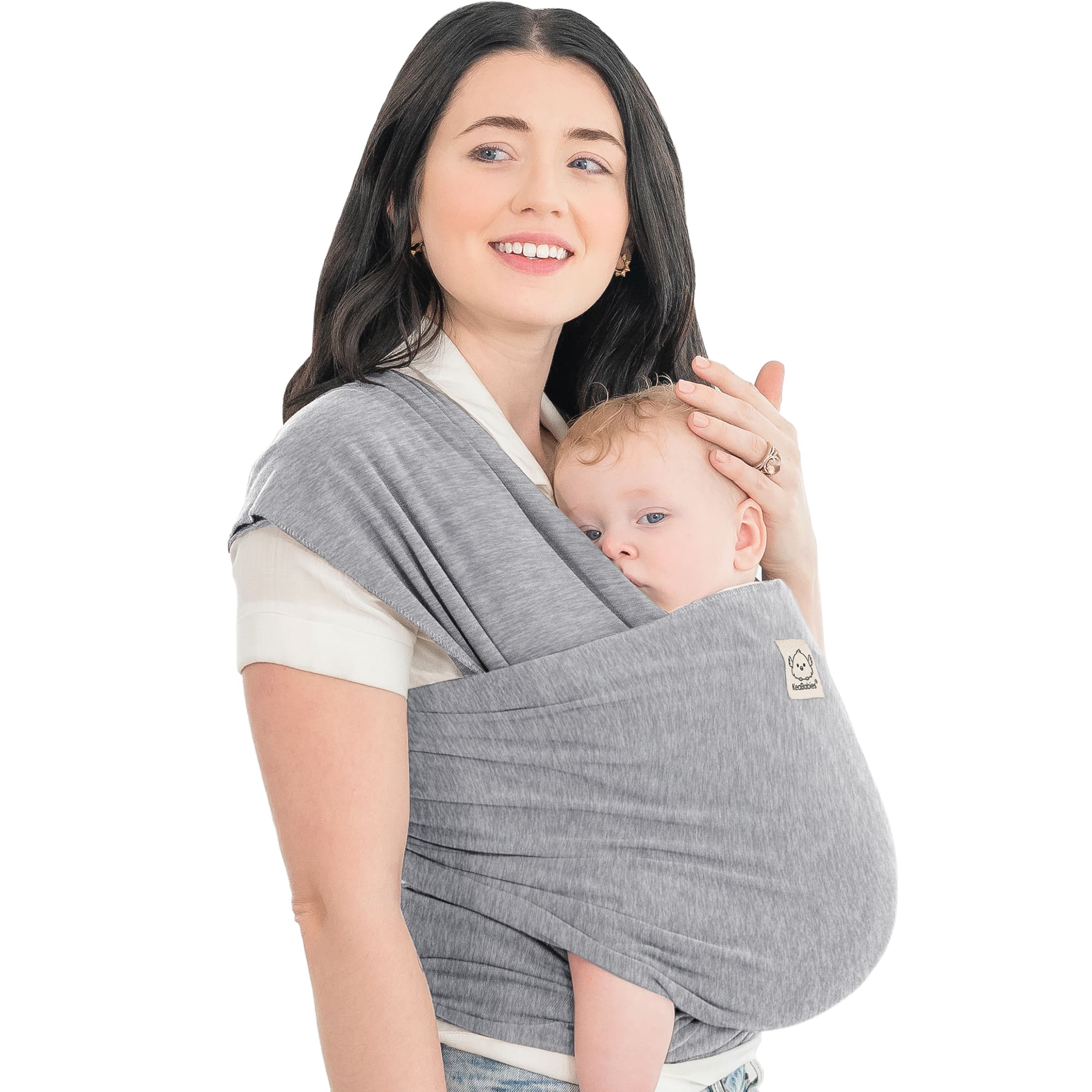
KeaBabies Baby Wrap Carrier Review: The $30 Wrap That Breathes Better Than Its Competition
Honest KeaBabies Baby Wrap review of daily use — lightweight breathable fabric, budget price, newborn to toddler carrying. $29.96.