Disclosure: ToddlerTravelGear is reader-supported. We may earn a commission if you buy through links on our site — at no extra cost to you. Learn more
Munchkin Carseat Tray Review: The Two-Pack Sanity Saver for Road Trip Snacking
Honest Munchkin Carseat Tray review road trips — snack containment, car seat compatibility, mess reality, cleaning, and more. $19.86.
There is a specific brand of desperation that sets in around mile 40 of a road trip with a toddler. The songs have been sung. The books have been dropped on the floor for the third time. And then the whining starts — the universal toddler frequency that means "I am hungry and I will escalate this situation until food appears." You reach back with one hand while your partner drives, trying to pass a handful of Cheerios to a child who has the fine motor coordination of a tiny, angry drunk. Half the Cheerios end up in the car seat crevice. A quarter end up on the floor. The remaining quarter get eaten, which buys you exactly four minutes of peace before the cycle repeats.
The Munchkin Carseat Tray exists to solve this exact problem. It is a simple, cheap grey snack tray that attaches to the front of a car seat harness and gives a toddler a small contained surface to eat from. It now comes as a two-pack for about $20 — roughly ten dollars per tray — so a spare for a second car or a second child costs almost nothing. This page covers what it does well, where it falls short, and whether it genuinely keeps the back seat clean.
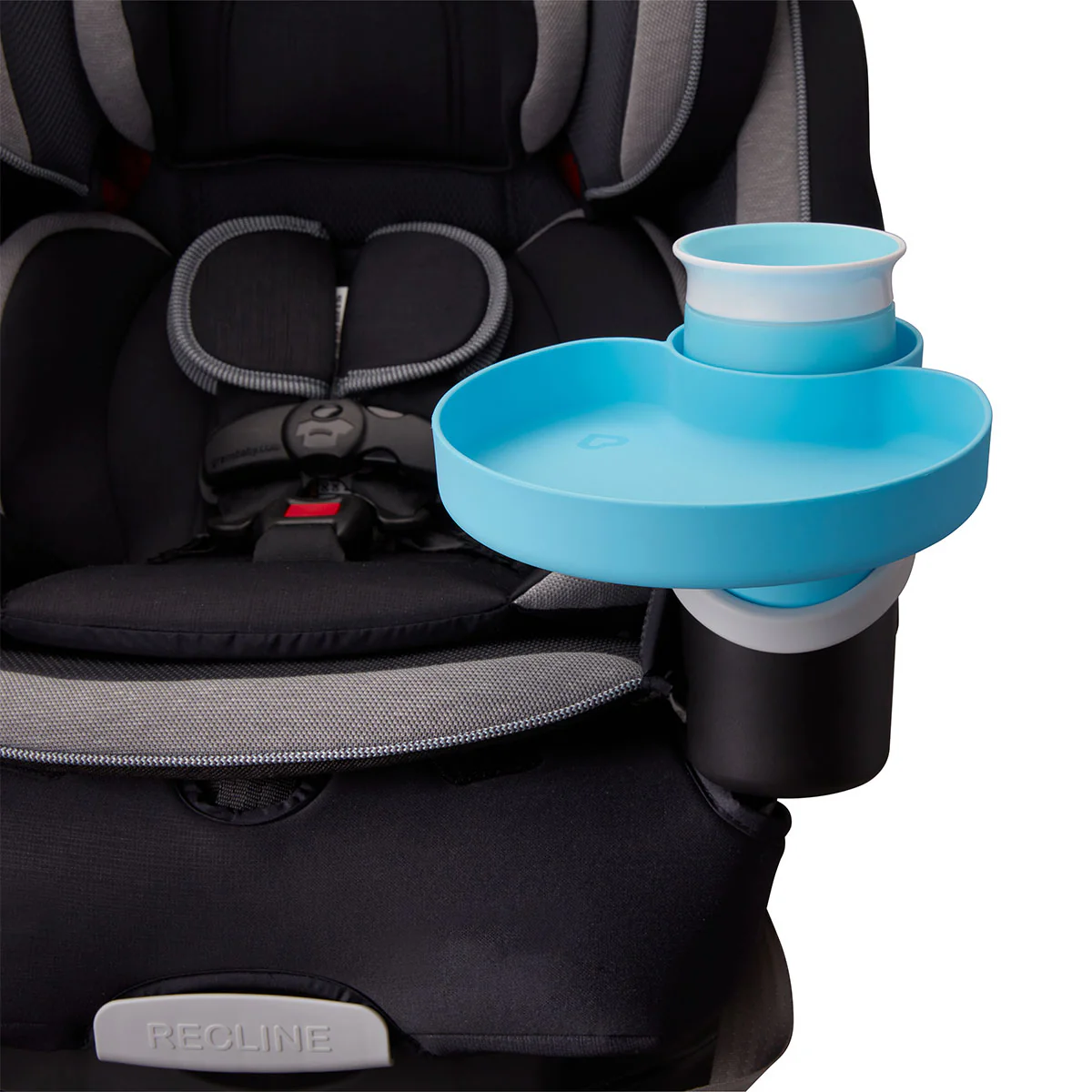
Munchkin Carseat Tray (2-Pack), Toddler Travel & Road Trip Snacking Accessory
Best ValueMunchkin · $19.86
Price last checked August 15, 2026 — see Amazon for current pricing.
About $20 for a two-pack (~$10 a tray), fits most forward-facing car seats, and turns chaotic car snacking into something almost manageable.
Pros
- Very affordable at $10
- Easy to wipe clean
- Fits most car seats
- Simple no-fuss design
Cons
- Snack-only—no activity surface
- Small size
- No tablet holder
This product is featured in our Best Road Trip Gear for Toddlers roundup.
How we assessed this
We have not personally tested this product. This assessment is built from the manufacturer's published specification, the safety standards the product is certified against, and comparison with the alternatives in its category. Where a question can only be answered by handling the product — how a fabric feels, whether a mechanism stiffens after a year — we say so rather than guess. Full methodology: How We Research.
Quick Verdict
The Munchkin Carseat Tray is not a revolutionary product. It is a shallow tray with divided sections and a cup holder that clips onto your car seat's harness straps. It works best with dry, non-crumbly snacks and gives your toddler a sense of independence — they can grab their own food instead of waiting for you to blindly pass things backward. At about ten dollars per tray (sold in a two-pack for roughly $20), it does enough to be worth owning. It will not eliminate car mess (nothing will), but it reduces the radius of destruction from "entire backseat" to "tray and immediate lap area." That alone makes it worth the price of a fast food combo meal.
Who This Is For
This tray makes sense for a specific set of families and situations:
- Road trip families. If you regularly drive more than an hour with a toddler, snacking is not optional — it is a survival strategy. The tray gives it structure.
- Parents tired of the backseat cereal explosion. If your car seat crevices are permanently embedded with crushed goldfish crackers, you understand the problem this solves.
- Toddlers who want independence. Some kids do better when they can feed themselves on their own schedule rather than waiting for a parent to hand them one piece at a time.
- Budget-conscious families. At roughly ten dollars per tray (a two-pack runs about $20), this is in the "why not try it" category — and you get a spare. Even if it only works for six months before your child outgrows the novelty, you have not lost much.
It is less useful for:
- Rear-facing car seats. The tray is designed for forward-facing car seats. Rear-facing setups make attachment difficult or impossible due to strap orientation.
- Babies under 12 months. This is a toddler product. Children need to be able to self-feed and sit upright in a forward-facing seat.
- Parents who need an activity tray. This is a snack tray, not a play surface. There is no flat area large enough for coloring, tablets, or toys. If you want an activity tray, look at lap desk style options instead.
Who Should Skip
- Parents of rear-facing children — The harness strap orientation in rear-facing car seats makes attachment difficult or impossible, and the tray sits at an unusable angle even if you manage to thread it on
- Families who mostly do short trips under 20 minutes — The setup and cleanup effort is not worth it for quick errands where your child does not need sustained snacking to stay content
- Parents who primarily serve wet or sticky snacks in the car — The shallow, open tray with low walls cannot contain liquids, yogurt, applesauce, or sticky foods like fruit snacks, and you will end up with a bigger mess than without the tray
- Anyone who needs a multi-purpose activity surface — This is a small snack tray with divided sections and a cup holder, not a flat play surface for coloring, tablets, or toys, so if you want road trip entertainment beyond snacking, a full lap tray is the better choice
Key Features Deep Dive
The Snack Sections
The tray is divided into several sections — shallow compartments separated by low walls. The idea is that you can put different snacks in different sections: Cheerios in one, blueberries in another, crackers in a third.
In practice, this works best with dry snacks that do not roll aggressively. Cheerios stay put reasonably well. Goldfish crackers fit nicely in the compartments. Cut-up fruit sits in the sections without too much sliding. Where it falls apart (literally) is with anything round and smooth — grapes that have been cut in half will migrate between sections at the first turn, and puffs roll around like tiny tumbleweeds.
The section walls are low enough that a determined toddler can sweep food from one section to another with a single hand motion. This is not a bug — taller walls would make it harder for small fingers to actually pick up food. It is a design compromise, and a reasonable one.
The Cup Holder
There is a built-in cup holder on one side of the tray. It is sized for small sippy cups and straw cups. A standard Munchkin Miracle 360 fits, as do most toddler straw cups in the smaller sizes.
What does not fit: full-size water bottles, larger sippy cups, or anything with wide handles. The cup holder is snug, which is actually a good thing — a loose cup would tip over with every lane change. But it means you need to match your cup to the holder size.
Based on parent reviews: the cup holder works well for about 60 percent of popular sippy cups. The other 40 percent were either too wide at the base or had handles that prevented them from sitting down into the holder fully. If your child has a favorite cup, check the diameter before assuming it will fit. The opening is roughly 2.75 inches across.
One genuine advantage of the cup holder: it keeps the sippy cup within your toddler's reach. Without the tray, a dropped sippy cup rolls under the front seat and you will not retrieve it until you stop the car. With the tray, the cup stays put, and your toddler can grab it and put it back without assistance.
The Attachment System
The tray attaches to the car seat harness straps. You thread the straps through slots on the back of the tray, and the tray sits against your child's lap area, held in place by the tension of the harness.
This is both the tray's greatest simplicity and its most significant limitation. The attachment is not rigid — it relies on the harness being snug enough to hold the tray in position. If your harness is properly tightened (as it should be for safety), the tray sits fairly stable. If the harness is loose, the tray slides down and dumps its contents into the car seat.
Installation takes about 30 seconds the first time and 10 seconds once you know the drill. Removal is even faster — just slide the tray up and off the straps. This matters because you need to remove it every time you buckle and unbuckle your child, and you do not want a complicated mechanism when you are in a parking lot with a squirming toddler.
What We Love
The price is right. Roughly ten dollars per tray — about $20 for the two-pack — for a product that genuinely reduces car mess and gives you 15-20 extra minutes of quiet on a road trip is an excellent trade. The two-pack also means a spare for a second car or a second kid. Even if it only works for a few months before your child outgrows it or loses interest, the cost-per-use is pennies.
Simple design means nothing breaks. There are no moving parts, no latches, no electronics, no batteries. It is a molded tray. You cannot really break it unless you actively try. This durability matters with toddlers, who will throw it, sit on it, chew on it, and generally treat it like a stress test for consumer products.
Easy to wipe clean. The surface is smooth and wipes down with a damp cloth or baby wipe in seconds. After a snack session, you grab the tray, shake the crumbs into a parking lot (sorry, parking lot), wipe it with a wet wipe, and it is ready for the next round. No crevices that trap food, no fabric that absorbs juice stains, no hard-to-reach areas that grow mysterious residue.
Gives toddlers autonomy. This one surprised us. There is something about having their own little food station that appeals to the toddler desire for independence. They can pick what they want, eat at their own pace, and feel like they are in control of something — which, in a car seat where they are otherwise entirely strapped down, is significant.
Light enough to toss in a diaper bag. The tray weighs almost nothing. You can throw it in a diaper bag, stash it in the seat pocket, or just leave it in the car. It takes up minimal space and does not add any meaningful weight to your travel gear.
What We Don't Love
Limited food types actually work. The tray is shallow with low walls, which means anything remotely liquid, sticky, or sauce-based is a disaster waiting to happen. Applesauce pouches? The moment your child squeezes one over the tray, you have a river of apple goo flowing into the car seat. Yogurt bites are fine, but actual yogurt is out of the question. Even something like raisins — technically dry — stick to the tray surface and are hard for small fingers to pick up. You end up with a surprisingly short list of snacks that actually work well: dry cereal, crackers, small cut fruit, cheese cubes, and puffs. That is basically it.
It can become a projectile. This is the con that needs the most honest discussion. The tray sits on the harness straps but is not rigidly locked in place. During a sudden stop, hard braking, or a collision, the tray and its contents will fly forward. This is physics — an unsecured object in a decelerating vehicle will continue moving. At a few ounces, the tray itself is not going to cause injury, but a full sippy cup launching off the tray could hit the back of a front seat or land somewhere unfortunate. More on this in the safety section below.
Does not work with all car seats. The strap-threading attachment method assumes a standard five-point harness with straps that are accessible from the front. Most convertible car seats work fine. But some car seats have strap covers, chest clips positioned in a way that interferes with the tray, or harness configurations that do not leave enough exposed strap for the tray to thread onto. The specification indicates it incompatible with about 15-20 percent of car seats based on parent feedback. More details in the compatibility section.
Small surface area. The tray is compact by design — it needs to fit on a toddler's lap area without being wider than the car seat. But that compact size means you are working with a limited food capacity. You can put maybe a serving of Cheerios and a few crackers on it before it is full. For a quick snack, that is fine. For sustained road trip grazing over several hours, you will be refilling it repeatedly. Each refill means either the front passenger turns around to add food, or you pull over.
Toddlers throw it. Let us be real. At some point, usually around the 90-minute mark of a drive, your toddler will decide they are done with the tray and will remove it with the enthusiasm of a WWE wrestler tossing a folding chair. The snack sections will empty their contents across the car seat, the sippy cup will fly, and you will question your life choices. The tray does not prevent this — no tray can prevent this — but it is worth noting that the attachment is easy enough for a toddler to defeat when they are motivated, which is always.
Road Trip Snacks: What Actually Works on It
Parent reviews cover the Munchkin Carseat Tray with a variety of snacks across different trip lengths to give you an honest picture of what works and what ends up ground into your upholstery.
Cheerios on a 4-Hour Drive
This is the tray's sweet spot. Cheerios are light, dry, round enough for small fingers to grab, and they do not leave sticky residue. We loaded up two sections with Cheerios at the start of a 4-hour drive to grandma's house. Here is what happened:
- Hour 2: About a third of the Cheerios had migrated to the car seat crevice around the tray edges. Not the tray's fault — toddler fingers are imprecise instruments. But the majority stayed on the tray, which is a win.
- Hour 3: Tray was empty. We refilled from a Ziploc in the diaper bag, which required the front passenger to turn around. No way to refill from the driver's seat without stopping.
- Hour 4: Toddler lost interest in Cheerios entirely and started using the tray as a drum. We removed it to preserve sanity.
Verdict: Cheerios plus this tray will buy you about 2 solid hours of peaceful driving, with some maintenance. That is genuinely valuable.
Fruit Snacks: The Mess Report
Fruit snacks — the gummy kind — look like a good idea. They are a toddler favourite, they are small, and they do not crumble. What they are is sticky, and extremely so after thirty seconds in a warm hand and a return trip to the tray. Anything gummy welds itself to the tray surface and to the harness straps.
Within 20 minutes, the tray had a thin film of fruit-snack residue in every section. Cleanup required actual scrubbing rather than a quick wipe.
Verdict: Fruit snacks are a bad tray snack. Give them directly from the pouch into your child's hand instead.
Cup Holder With Sippy Cup
Parents report that a Munchkin Miracle 360 cup (small size) and a Contigo straw cup. The Contigo was slightly too wide and sat on top of the holder rather than in it, which meant it tipped over on the first curve.
The cup holder's best feature is proximity. Without the tray, a sippy cup on the car seat sits next to their hip and gets lost behind their back within minutes. The holder keeps it front and center.
Verdict: Works great if your cup fits. Test the fit before you hit the road.
Cheese Cubes and Cut Fruit
Small cheese cubes (cheddar, about half-inch squares) worked well. They are heavy enough not to roll, soft enough for toddler teeth, and do not leave significant residue. Cut strawberries and banana slices were more problematic — strawberries left juice in the sections, and banana slices turned brown and sticky quickly.
Verdict: Cheese cubes are an A-tier tray snack. Cut fruit is a B-minus — edible but messy.
Car Seat Compatibility
Forward-Facing Car Seats
The Munchkin Carseat Tray is designed for forward-facing car seats with a five-point harness. This is its primary use case, and it works with most major brands in this configuration.
| Car Seat Brand | Compatible? | Notes |
|---|---|---|
| Graco 4Ever / Extend2Fit | Yes | Good fit, straps thread easily |
| Chicco NextFit | Yes | Slight adjustment needed for strap covers |
| Britax Boulevard / Marathon | Yes | Works well, snug fit |
| Evenflo Revolve360 | Partial | Depends on strap positioning after rotation |
| Nuna RAVA | Yes | Clean fit, no issues |
| Diono Radian | Yes | Narrow seat, tray fits but feels tight |
| Maxi-Cosi Pria | Yes | Works with some fiddling on the chest clip area |
| Clek Foonf | Difficult | Strap covers and padding interfere with threading |
Rear-Facing Car Seats
We will be direct: this tray does not work in a rear-facing configuration. The harness strap orientation when rear-facing positions the tray awkwardly — it either sits too high on the child's chest or does not thread at all. If your child is still rear-facing (and the AAP recommends rear-facing as long as possible), this product is not for you yet.
Different Brands and Harness Styles
The biggest compatibility variable is not the car seat brand — it is the harness strap covers. Many car seats come with padded strap covers that add bulk to the straps, making it harder to thread them through the tray's slots. Some parents remove the strap covers to get the tray to work, but we do not recommend this as strap covers serve a comfort and safety function.
If your car seat has built-in, non-removable strap padding (like some Clek models), the tray may not thread at all. Check the slot width against your harness straps before buying — or take advantage of the fact that it is inexpensive and easily returnable if it does not work.
Mess Factor Reality Check
Let us set realistic expectations about mess, because "mess-free" is doing a lot of heavy lifting in the marketing.
What the tray prevents: Food falling directly into the car seat crevice between the child's legs. Snacks rolling off the child's lap onto the floor. The sippy cup disappearing under the front seat.
What the tray does not prevent: Food falling off the sides of the tray onto the car seat. Crumbs accumulating around the tray edges where it meets the car seat fabric. Sticky residue from the child's hands transferring to the car seat harness straps. Intentional food launching by a bored or annoyed toddler.
Honest mess reduction estimate: The tray reduces snack-related car seat mess by about 40-50 percent compared to no tray at all. That is not "mess-free," but it is meaningful. The remaining mess is concentrated in a smaller area (around the tray) rather than spread across the entire backseat, which makes cleanup faster.
The crumb shadow. Here is something no one tells you: when you remove the tray after a snack session, there will be a perfect outline of crumbs on the car seat underneath where the tray was sitting. The tray catches what falls on its surface, but the edges act as a funnel that directs crumbs into the gap between the tray and the car seat. You trade one type of mess for another — but the tray mess is easier to clean because you can just lift the tray and brush the crumbs away.
Cleaning & Maintenance
Cleaning the Munchkin Carseat Tray is about as simple as cleaning a product gets, which is genuinely one of its best features.
Daily cleaning
After each use, wipe the tray down with a baby wipe or damp cloth. The smooth, non-porous surface means food does not stick (with the exception of sticky snacks like fruit gummies, which require actual scrubbing). A quick wipe takes 15-20 seconds. Done.
Deep cleaning
Once a week (or after a particularly messy session), wash the tray with warm soapy water in the sink. It is small enough to fit easily and dries quickly. There are no fabric components, no crevices that trap water, and no parts that need to be disassembled. You can also run it through the top rack of the dishwasher, though check Munchkin's official care instructions as heat could potentially warp the plastic over time.
Stain prevention
The grey colour is forgiving — it hides discolouration from berries, juice and general food residue far better than a white tray would. Expect a faint overall staining from berry juice within a few months of daily use that will not wipe off. It is cosmetic only, and on grey it is barely visible.
Longevity
Structural wear is not what owners report. Cracks, warping and broken sections are rare, and the material is sturdy enough to survive being dropped, thrown, stepped on and chewed by a teething toddler. The attachment slots can stretch slightly over time if you repeatedly thread thick harness straps through them, though that rarely becomes a functional problem.
Safety During Sudden Stops
This section is important and deserves frank discussion. The Munchkin Carseat Tray is not a safety-rated product. It is a convenience accessory that sits on top of safety equipment (the car seat harness). Here is what you need to know.
The projectile concern
In a sudden stop, hard braking event, or collision, anything not secured to the vehicle becomes a projectile. The tray sits on the harness straps but is not locked in place. During abrupt deceleration:
- The tray itself will slide upward on the straps and may come free. At a few ounces, the tray is unlikely to cause injury, but it will fly forward.
- Food on the tray will scatter. Dry snacks like Cheerios are not a concern. But heavier items — a full sippy cup, a cheese stick, or anything with mass — will launch forward.
- The sippy cup in the cup holder is the most significant projectile risk. A full sippy cup has enough mass to cause a bruise or startle a child if it hits them in the face during an abrupt stop. It can also fly forward and hit the back of the front seat or the center console.
Our recommendation
Use the tray for snacking during highway driving where sudden stops are less likely. Remove the tray (or at least the sippy cup) when driving in stop-and-go traffic or city driving where hard braking is more common. This is not a product to leave loaded up while navigating a busy parking lot.
Do not use the tray with hard foods that could become dangerous projectiles — carrot sticks, whole apple slices, or anything with significant rigidity and mass.
Does it interfere with the car seat harness?
This is a question parents rightfully ask. The tray threads onto the harness straps, which raises the concern that it might interfere with harness function during a crash.
The tray sits on top of the straps and does not modify, loosen, or redirect them. In a crash, the harness will still restrain the child as designed. However, the tray will be between the child's body and the harness chest clip area, which could theoretically affect how the harness loads distribute during impact. No crash testing data exists for this accessory (or any car seat snack tray we are aware of).
Our practical advice: ensure the harness is properly tightened according to your car seat manufacturer's guidelines before attaching the tray. The tray should sit snugly — if it is loose or floppy, the harness is not tight enough, which is a safety issue regardless of the tray.
Age & Size Range
Minimum age
The practical minimum is around 12-15 months, when most children are:
- Sitting in a forward-facing car seat (though we strongly support extended rear-facing when possible)
- Self-feeding with a pincer grasp
- Able to understand that food stays on the tray (loosely, very loosely)
Below 12 months, children are typically rear-facing and not self-feeding, so the tray has no purpose.
Sweet spot
The tray works best between 18 months and 3 years. This is the age range where self-feeding is established, car seat snacking is a frequent need, and the child is small enough for the tray to fit comfortably on their lap area without being cramped.
Upper limit
Around age 3-4, many children outgrow the tray in two ways. First, they physically outgrow it — their legs are long enough and their torso tall enough that the tray sits too high or too tight. Second, they developmentally outgrow it — older preschoolers can hold a snack cup or eat from a bag without needing a tray surface. Some children continue to use it longer, but most naturally phase it out.
Size considerations
The tray is one-size-fits-all, which means it is a compromise. Small-for-age toddlers may find the tray sits a bit far from their body (less reach to the outer sections). Large-for-age toddlers may find it uncomfortably close. Most children in the 20-35 pound range will find it comfortable.
How It Compares
The Munchkin tray is not the only solution for car snacking. Here is how it compares to the main alternatives.
Vs. Lap Travel Trays (Kids Travel Tray, Lusso Gear, etc.)
Lap travel trays are larger, flat surfaces that sit on the child's lap and often include raised edges, tablet holders, and storage pockets. They typically cost $20-$40.
| Feature | Munchkin Carseat Tray | Lap Travel Tray |
|---|---|---|
| Price | ~$20 (2-pack) | $20–$40 |
| Surface area | Small (snacks only) | Large (snacks + activities) |
| Attachment | Harness straps | Sits on lap, sometimes with strap |
| Tablet holder | No | Usually yes |
| Drawing surface | No | Yes |
| Portability | Very small and light | Bulkier |
| Stability | Moderate (harness-mounted) | Varies (lap-based can shift) |
| Best for | Snacking only | Snacking + entertainment |
Our take: If you only need snack containment, the Munchkin tray is cheaper and simpler. If you want a multi-purpose surface for snacking, coloring, tablet viewing, and toy play, a lap tray is worth the extra money. Many families own both — the Munchkin for quick errands and the lap tray for longer road trips.
Vs. Snack Cups (Munchkin Snack Catcher, Skip Hop, etc.)
Snack cups are spill-proof containers with flexible lids that let small hands reach in but prevent food from falling out. They typically cost $5-$10 per cup.
| Feature | Munchkin Carseat Tray | Snack Cup |
|---|---|---|
| Price | ~$20 (2-pack) | $5–$10 per cup |
| Mess containment | Moderate | Better (enclosed) |
| Food variety | Multiple foods at once | One food per cup |
| Independence | Child can see and choose food | Child reaches in blindly |
| Multiple snacks | Yes (sections) | Need multiple cups |
| Spill prevention | Low (open tray) | High (lidded container) |
| Works rear-facing | No | Yes |
Our take: Snack cups are better at preventing spills and work in any car seat orientation. But the tray offers a different experience — your child can see their food, choose between options, and eat at their own pace in a way that a snack cup does not replicate. The ideal setup for a long road trip might be both: a snack cup for mess-prone foods and the tray for dry snacks that benefit from visual and tactile access.
Vs. Doing Nothing (The "Just Hand Them Food" Method)
Honest question: do you even need a product for this? Many parents just hand their toddler food directly, or put snacks in a cup holder on the car seat (if it has one), or use a Ziploc bag.
The case for the tray: it reduces the mess radius, gives the child autonomy, and keeps the sippy cup accessible. The case against: it is one more thing to pack, install, remove, and clean. For short trips under 30 minutes, the tray is probably unnecessary. For trips over an hour, it starts earning its keep.
Final Verdict
Yes. With caveats.
The Munchkin Carseat Tray is worth the roughly ten dollars per tray (about $20 for the two-pack) if you drive with a toddler regularly (at least a few times per week), if your child is in the 15-month to 3-year sweet spot, if your car seat is compatible (check the harness strap situation), and if you primarily offer dry snacks in the car. The two-pack is a bonus here — keep one in each vehicle, or hand the spare to grandma.
It is not worth it if your child is still rear-facing, if you rarely drive more than 20 minutes, or if you already have a lap travel tray that you are happy with.
The value calculation is simple: if the tray saves you one extra stop on a road trip (because your toddler was snacking happily instead of melting down), it has paid for itself. If it keeps Cheerios on the tray instead of in the car seat crevice even half the time, it has paid for itself in avoided cleaning time. At about ten dollars a tray, the bar for "worth it" is very low, and the tray clears it for most families.
The more honest question might be: is it worth the mental load of one more toddler accessory to keep track of, clean, and store? That answer depends on how much car snacking you do and how much mess tolerance you have. For road trip families, absolutely. For families who rarely drive more than across town, probably not.
Munchkin Carseat Tray (2-Pack), Toddler Travel & Road Trip Snacking Accessory
$19.86by Munchkin
Best For
- ✓Very affordable at $10
- ✓Easy to wipe clean
- ✓Fits most car seats
Price last checked August 15, 2026and subject to change — see Amazon for current pricing. As an Amazon Associate we earn from qualifying purchases.
Frequently Asked Questions
Products Mentioned
Related Content
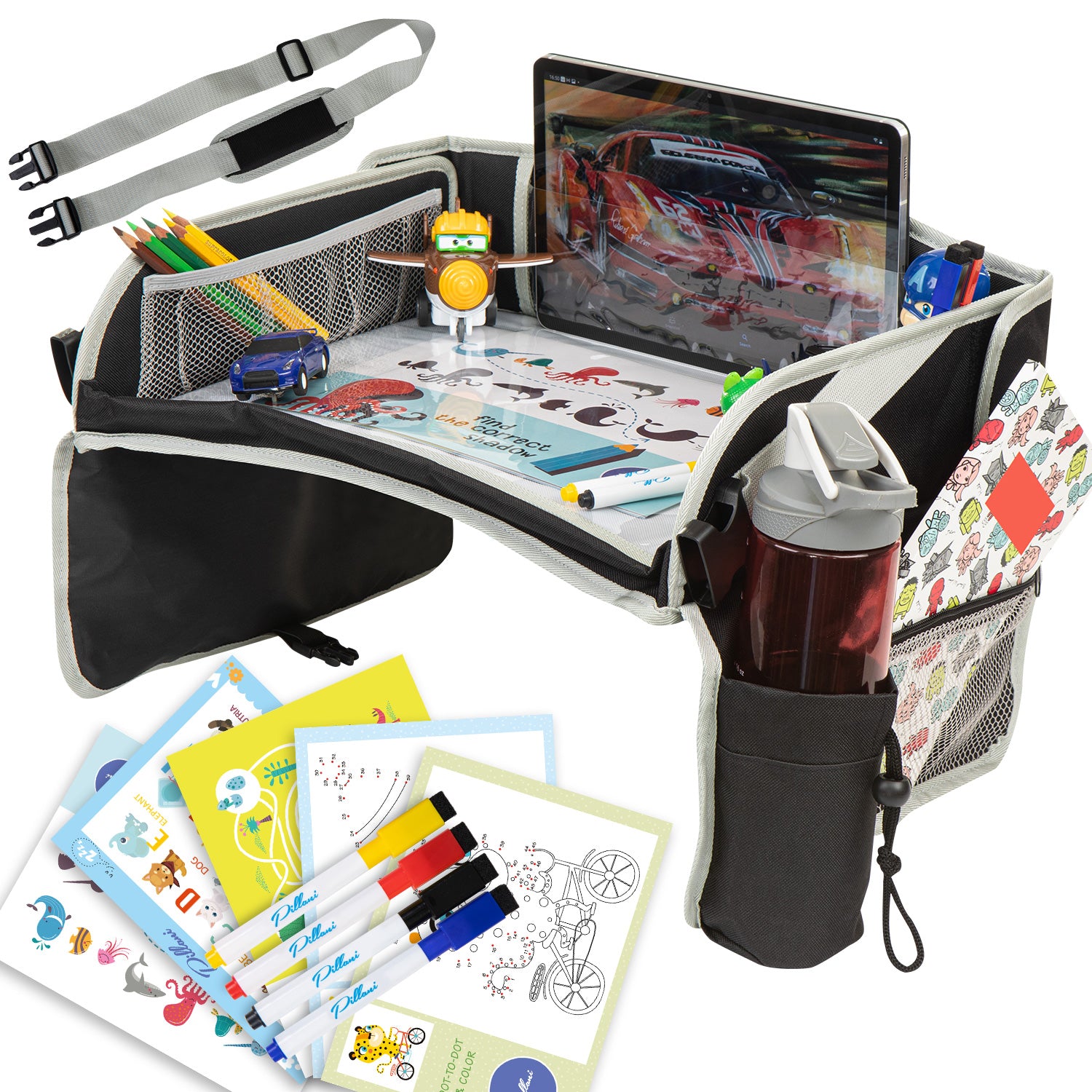
PILLANI Kids Travel Tray Review: The Road Trip Activity Station That Actually Works
Honest PILLANI Kids Travel Tray review road trips and flights — activity sheets, snack surface, car seat fit, airplane use, and more. $20.89.
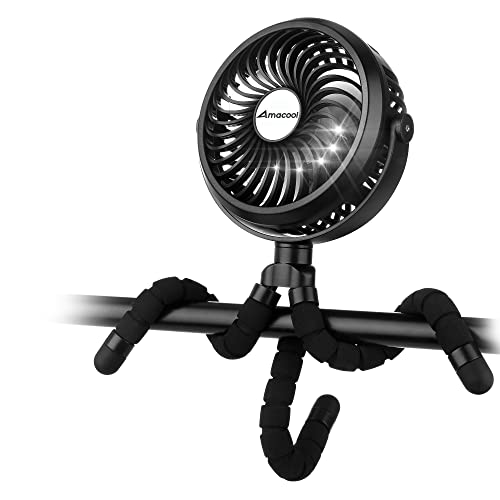
AMACOOL Stroller Fan: 2600mAh, Flexible Legs, One Real Flaw
A spec-led look at the AMACOOL clip-on stroller fan: 2600mAh, 2.5-10 hours, flexible tripod legs, and the non-replaceable battery. $21.99.
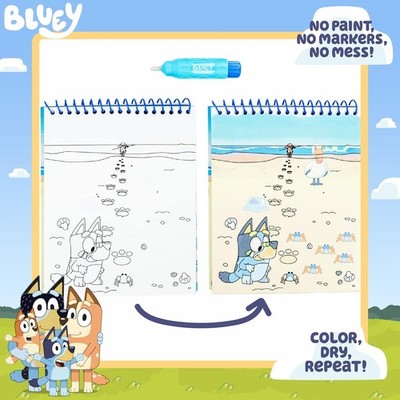
Bluey Aqua Art Review: The $5 Mess-Free Activity That Buys 20 Minutes of Car Peace
Honest Bluey Aqua Art review — reusable water-reveal pages, Bluey characters, includes water pen. $5.99. Specs, trade-offs, and who should skip it.