Disclosure: ToddlerTravelGear is reader-supported. We may earn a commission if you buy through links on our site — at no extra cost to you. Learn more
HALO Easy Transition SleepSack Review: The Travel Sleep Cue That Works in Any Crib
Honest HALO Easy Transition SleepSack review — 100% cotton, 1.0 TOG, helps transition from swaddle. $39.95. Specs, trade-offs, and who should skip it.
Sleep is the thing that breaks first when a toddler travels, and most of the fix is making an unfamiliar room feel predictable. The HALO Easy Transition SleepSack Wearable Blanket is $39.95. This page covers what it changes, what it does not, and the safety limits that apply.
The trade-off worth knowing before you buy: pricier than budget options.
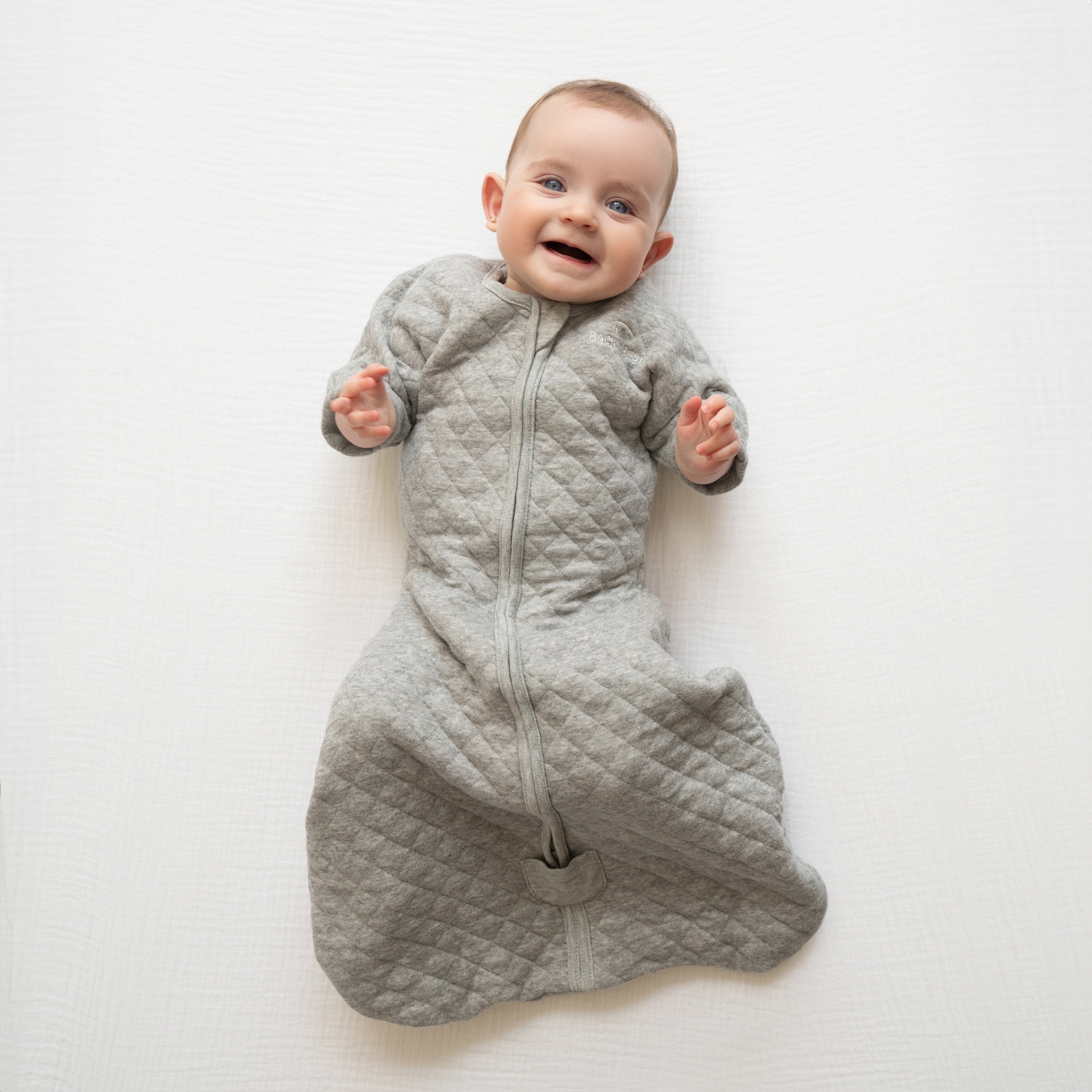
HALO Easy Transition SleepSack Wearable Blanket, 100% Cotton, 1.0 TOG
Best Travel Sleep SackHALO · $39.95
Price last checked August 15, 2026 — see Amazon for current pricing.
100% cotton, 1.0 TOG, arm pouches for swaddle transition — portable sleep cue for any crib. $40.
Pros
- Helps transition from swaddle smoothly
- 100% cotton and breathable
- Trusted HALO brand
- Maintains familiar sleep cues while traveling
Cons
- Pricier than budget options
- Single pack
- Sizing can be tricky
This product is featured in our Best Travel Sleep Accessories roundup.
How we assessed this
We have not personally tested this product. This assessment is built from the manufacturer's published specification, the safety standards the product is certified against, and comparison with the alternatives in its category. Where a question can only be answered by handling the product — how a fabric feels, whether a mechanism stiffens after a year — we say so rather than guess. Full methodology: How We Research.
Quick Verdict
The HALO Easy Transition SleepSack is the best wearable blanket for traveling families navigating the swaddle-to-sleep-sack transition. The arm pouches provide gentle containment that reduces the startle reflex without restricting movement — the critical feature for the 3-to-6-month window when swaddling is no longer safe but the baby still startles awake. The 100% cotton fabric at 1.0 TOG is appropriate for most indoor environments. At $40, it is pricier than basic sleep sacks but provides the transition feature that basic sacks lack. For travel, its primary value is as a portable sleep cue — the same SleepSack in every crib signals bedtime regardless of location.
Who This Is For
- Families transitioning out of swaddle (3–6 months) — the specific developmental window this product addresses
- Travel families who need sleep consistency — the SleepSack as a portable bedtime cue across locations
- Parents of startle-reflex babies — the arm pouches dampen startle without full swaddling
- HALO swaddle families — a natural upgrade from the HALO SleepSack Swaddle
Who Should Skip
- Families past the transition phase — if your baby is already sleeping in a regular sleep sack, the transition pouches are unnecessary
- Parents on a tight budget — basic sleep sacks from other brands cost $15–20 without the transition feature
- Families in very warm climates — the 1.0 TOG may be too warm for rooms consistently above 75°F
Key Features Deep Dive
Transition Arm Pouches
The defining feature: small fabric pouches where the baby's arms rest inside the SleepSack. The pouches allow the arms to move — the baby can bend, stretch, and reach — but provide gentle pressure that mimics the containment of a swaddle. This pressure dampens the Moro reflex (startle reflex) enough to prevent the full-body jerk that wakes babies who have outgrown their swaddle.
The pouches are not restrictive. A baby can push their arms up, out, and around inside the SleepSack. They can roll freely — critical for safe sleep once rolling begins. The containment is more psychological than physical — the gentle pressure signals "you are enclosed, you are safe, you are sleeping."
For travel, the transition pouches are the difference between a baby who startles awake every sleep cycle in an unfamiliar crib and one who sleeps through the cycle. The hotel crib is different. The travel crib is different. The arm pouches are the same.
100% Cotton, 1.0 TOG
The fabric is 100% cotton — breathable, soft, and appropriate for baby skin. The 1.0 TOG rating indicates a light-to-medium warmth level, suitable for room temperatures between 68°F and 72°F. This is the standard comfortable range for most hotel rooms, vacation rentals, and air-conditioned homes.
Cotton breathes better than polyester blends, reducing the risk of overheating — a safe sleep concern for babies. The 1.0 TOG is versatile enough for most travel environments. In warmer destinations, dress the baby in just a diaper under the SleepSack. In cooler environments, add a light cotton onesie underneath.
Inverted Zipper
The SleepSack zips from the bottom up — an inverted zipper that allows diaper changes without removing the entire garment. Unzip from the bottom, change the diaper, re-zip. The baby's upper body stays warm and contained, reducing the full wake-up that comes from removing clothing.
For nighttime travel diaper changes — in a dark hotel room, trying not to wake a sleeping baby more than necessary — the inverted zipper is invaluable. Quick change, minimal disruption, back to sleep.
What We Love
It became the sleep cue. This is the primary travel benefit. Bedtime routine: bath, bottle, SleepSack, crib. At home or on the road, the SleepSack going on signals sleep. The pavlovian association between the SleepSack and sleep transfers across locations — hotel cribs, Pack 'N Plays, grandparents' cribs. The crib changes. The SleepSack does not.
The startle reflex is managed without swaddling. The arm pouches give just enough containment to dampen the startle without preventing rolling. During the terrifying transition phase — when the swaddle is unsafe but the baby still startles — the HALO Transition SleepSack is the bridge.
The cotton breathes in variable hotel climates. Hotel room temperatures are unpredictable — some run warm, some run cold, and the thermostat is often unreliable. The 100% cotton at 1.0 TOG is forgiving across a range of temperatures.
The inverted zipper saves nighttime sanity. Diaper changes at 2 AM in a hotel room — in the dark, trying not to turn on lights, trying not to fully wake the baby — are improved by the inverted zipper. Bottom unzips, diaper changes, bottom zips. The baby's arms stay in the pouches, the upper body stays warm, and the return to sleep is faster.
What We Don't Love
$40 for a single SleepSack is expensive. Basic sleep sacks from brands like Burt's Bees, Carter's, and Halo's own standard line cost $15–25. The Easy Transition model's $40 price reflects the arm pouch feature. For the 2–3 month transition window, the per-month cost is $13–20. If the pouches solve the startle problem, the cost is justified. If your baby does not need them, the basic model saves money.
Sizing is tricky. The SleepSack comes in sizes based on weight (Small: 10–18 lbs, Medium: 16–24 lbs). The overlap between sizes means you might size up too early (too loose, less effective pouch containment) or size up too late (too tight, restricting movement).
The transition window is short. The arm pouches are specifically for the swaddle-to-sleep-sack transition — roughly ages 3 to 6 months. After the startle reflex fades (usually by 5–6 months), the pouches are unnecessary and the baby can move to a standard sleep sack. Three months of use at $40 is not inexpensive for a transitional product.
Only 1.0 TOG available in this model. The 1.0 TOG is ideal for climate-controlled rooms but too warm for hot environments and not warm enough for cold ones. A 0.5 TOG option for summer travel and a 1.5 TOG for winter would expand the product's range.
How It Compares
vs. Merlin's Magic Sleepsuit ($40): The Merlin is a padded sleepsuit that restricts the startle reflex more aggressively than the HALO pouches. It is very effective but bulky, warm, and not recommended once the baby can roll. The HALO is lighter, thinner, and safe for rolling babies. For travel, the HALO packs smaller and works across more temperature ranges.
vs. Standard HALO SleepSack ($25): The standard HALO SleepSack has no arm pouches — arms are completely free. For babies who do not startle awake, the standard sack works fine at $15 less. For babies in the active startle phase, the transition pouches justify the premium.
vs. Zipadee-Zip ($30): The Zipadee-Zip uses a starfish-shaped design that contains the arms within wing-like enclosures. It is effective for startle dampening and has a loyal following. The HALO Easy Transition uses pouches rather than wings. Both work. The choice is often based on which design your baby takes to more readily.
HALO Easy Transition SleepSack Wearable Blanket, 100% Cotton, 1.0 TOG
$39.95by HALO
Best For
- ✓Helps transition from swaddle smoothly
- ✓100% cotton and breathable
- ✓Trusted HALO brand
Price last checked August 15, 2026and subject to change — see Amazon for current pricing. As an Amazon Associate we earn from qualifying purchases.
Final Verdict
The HALO Easy Transition SleepSack is a three-month product that solves a three-month problem so effectively that the cost becomes irrelevant. The swaddle-to-sleep-sack transition is one of the most stressful phases for baby sleep — and for travel families, it coincides with the exact age when most families take their first trips. The arm pouches dampen the startle reflex without preventing rolling. The 100% cotton breathes across hotel room temperatures. The inverted zipper simplifies nighttime changes.
But the SleepSack's greatest travel value is not a feature — it is a signal. The SleepSack going on means bedtime. At home, in a hotel, in a travel crib, at grandma's house. The environment changes. The signal does not. For a baby navigating unfamiliar sleep environments, that consistency is worth more than any technical feature. At $40, the HALO Easy Transition buys three months of consistent sleep across every location you visit. We would pay it again without hesitation.
Frequently Asked Questions
Products Mentioned
Related Content
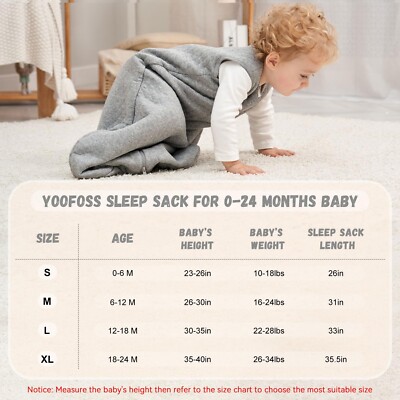
Yoofoss Baby Sleep Sack Review: The $24 Three-Pack That Made Packing Sleep Gear Effortless
Honest Yoofoss baby sleep sack review — 3-pack, 100% organic cotton, TOG 0.5, 2-way zipper. $25.19. Specs, trade-offs, and who should skip it.
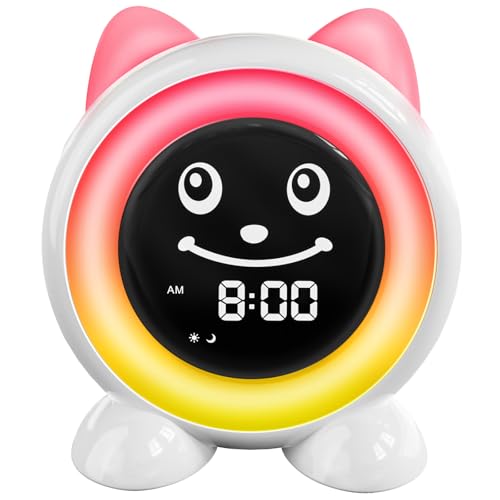
Toddler Sleep Training Clock: Red-Green for Kids Who Can't Tell Time
A spec-led look at the ok-to-wake toddler clock: red and green light signalling, night light, alarm — and why it needs several consistent days to work. $28.99.
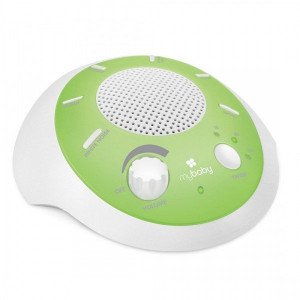
Portable Baby Sound Machine with Clip Review: The 15-Hour Battery That Outlasts Every Hotel Night
Honest portable baby sound machine review — 12 sounds, clip-on design, and 15-hour rated battery for hotel stays and stroller naps. $15.99. Specs and trade-offs.