Disclosure: ToddlerTravelGear is reader-supported. We may earn a commission if you buy through links on our site — at no extra cost to you. Learn more
Dr. Brown's Glass Bottle Review: Why We Switched to Glass for Travel
Honest Dr. Brown's glass bottle review — anti-colic performance, travel durability, glass vs plastic on the go, and more. $15.07.
The Dr. Brown's Dr. Brown's Anti-Colic Options+ Narrow Glass Baby Bottle costs $15.06. This page covers what the specification supports, where the real trade-offs are, and who should choose something else — before you spend the money.
The trade-off worth knowing before you buy: glass is heavier than plastic.
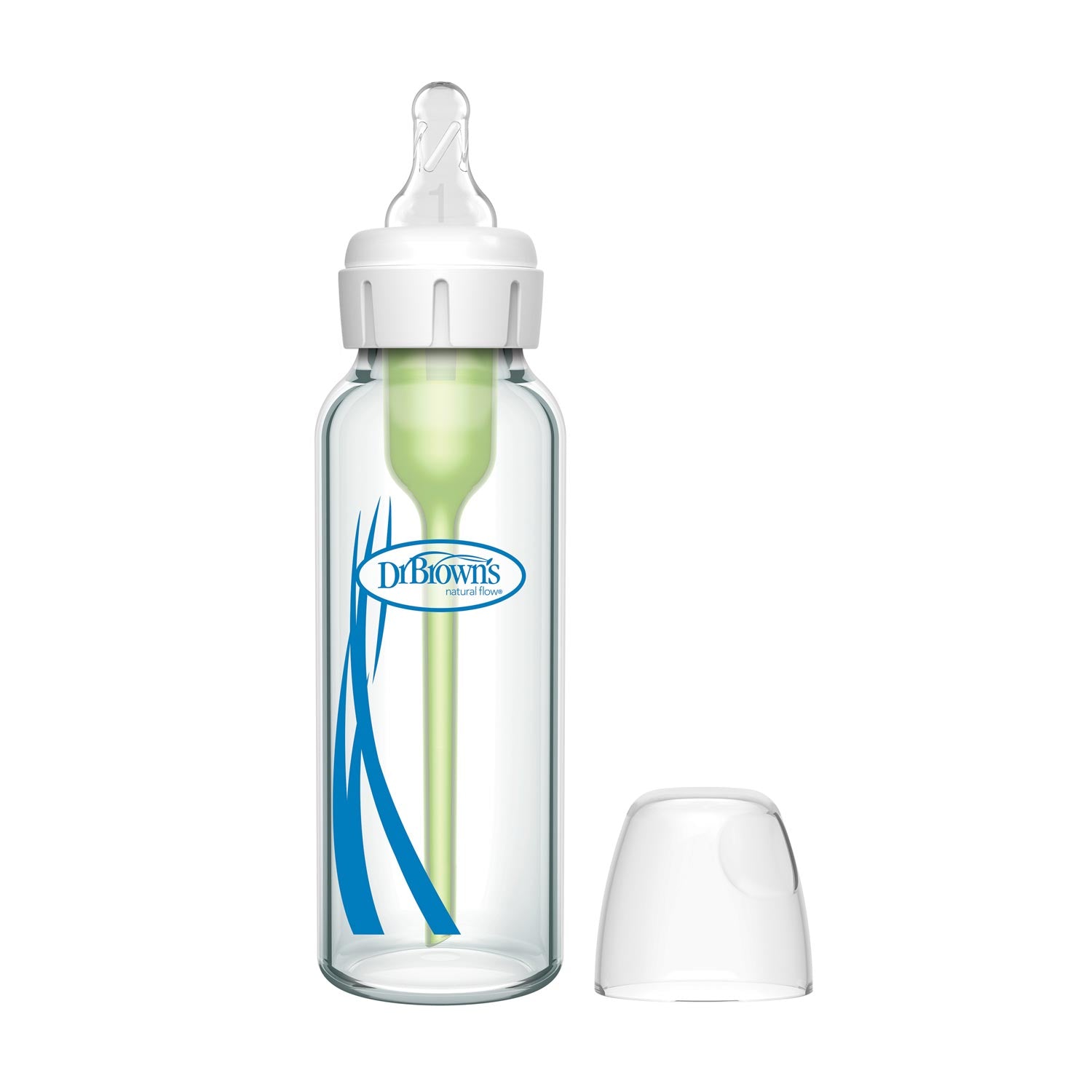
Dr. Brown's Anti-Colic Options+ Narrow Glass Baby Bottle, Level 1 Slow Flow, 8 oz, 2-Pack
Best Glass BottleDr. Brown's · $15.08
Price last checked August 15, 2026 — see Amazon for current pricing.
Chemical-free borosilicate glass, proven anti-colic vent system, Level 1 slow flow nipple for newborns, and the peace of mind that comes from knowing heat cannot leach anything into your baby's milk.
Pros
- Anti-colic internal vent system
- Glass is chemical-free and durable
- Level 1 nipple for newborns
- Easy to clean
Cons
- Glass is heavier than plastic
- Can break if dropped
- Narrow neck harder to fill
This product is featured in our Best Travel Feeding & Bottles roundup.
How we assessed this
We have not personally tested this product. This assessment is built from the manufacturer's published specification, the safety standards the product is certified against, and comparison with the alternatives in its category. Where a question can only be answered by handling the product — how a fabric feels, whether a mechanism stiffens after a year — we say so rather than guess. Full methodology: How We Research.
Quick Verdict
The Dr. Brown's Anti-Colic Options+ Narrow Glass Baby Bottle is the best glass bottle for families who want to eliminate chemical exposure concerns without giving up anti-colic performance. The internal vent system genuinely reduces gas and spit-up — it is not marketing fiction. The borosilicate glass is the same material used in lab equipment, meaning it handles temperature swings without cracking and does not leach anything at any temperature you will encounter in normal use.
The 2-pack at $15.06 is reasonably priced for glass bottles. You are getting two 8-ounce bottles with Level 1 slow flow nipples, suitable from birth. The glass adds about 3 ounces of weight per bottle compared to the plastic version, which matters when you are counting ounces in a diaper bag for a flight. The narrow neck makes filling slightly more annoying than wide-neck bottles, and the vent system has four parts per bottle that need to be disassembled and cleaned after every feeding.
Bottom line: If you want the anti-colic benefits of Dr. Brown's without plastic touching your baby's milk, and you are willing to accept the weight and breakage trade-offs, this is the bottle to buy. Pair it with a silicone sleeve and a good packing strategy, and it travels better than you would expect.
Who This Is For
The Dr. Brown's glass bottle makes the most sense for specific types of parents. Not every family needs glass, and not every traveler should carry it. Here is where the value is real.
Parents who want zero chemical exposure risk. Glass does not contain BPA, BPS, phthalates, or any other plastic additive. It does not degrade over time. It does not leach anything when heated, frozen, sterilized, or left in a hot car. If eliminating chemical exposure from your baby's feeding is a priority, glass is the only material that offers a complete guarantee. This matters especially for travel, where you cannot always control the temperature your bottles are stored at.
Families dealing with colic or excessive gas. The Dr. Brown's internal vent system is one of the most clinically studied anti-colic designs on the market. If your baby struggles with gas, spit-up, or feeding discomfort, the vent system provides measurable relief. Getting that in a glass bottle means you do not have to choose between anti-colic performance and chemical-free materials.
Environmentally conscious parents. Glass bottles last essentially forever if they do not break. They do not stain, do not absorb odors, and do not need to be replaced every few months like plastic bottles that get scratched, cloudy, or worn. One set of glass bottles can serve multiple children. The environmental case for glass is straightforward — less plastic manufactured, less plastic discarded.
Parents who sterilize frequently. Glass handles repeated sterilization without degradation. Boiling, steam sterilization, UV sterilizers — none of these affect glass the way they gradually break down plastic. For parents who sterilize after every use (common with younger infants), glass maintains its integrity indefinitely.
This is probably not the right choice if you have a toddler who throws bottles (glass will break), you need ultralight gear for backpacking-style travel, your baby exclusively uses wide-neck bottles (this is a narrow-neck design), or you are on a strict budget and the plastic version meets your needs.
Who Should Skip
- Parents of bottle-throwing toddlers — Glass shatters on hard surfaces like tile and concrete, and no silicone sleeve fully eliminates that risk when a toddler launches a bottle off a high chair or stroller tray
- Weight-conscious travelers packing multiple bottles — Each glass bottle adds roughly 3 extra ounces over the plastic version, which adds up to nearly a full pound across a set of four and matters in an already overloaded diaper bag
- Parents who need minimal cleaning overhead on the road — The four-part anti-colic vent system requires disassembly, a thin brush for the narrow reservoir tube, and 4 to 5 minutes per bottle after every feeding, which totals 20 to 30 minutes of daily cleaning in a hotel room
- Families who formula-feed in low-light or on-the-go situations — The narrow neck makes filling with powder frustrating without a funnel, especially at 3 AM in a dark hotel room or in the back seat of a moving car
Key Features Deep Dive
The Anti-Colic Internal Vent System
This is the feature that separates Dr. Brown's from every other glass bottle on the market, and it deserves a thorough explanation because it is genuinely clever engineering.
Most baby bottles create a vacuum as the baby drinks. As milk flows out, air needs to replace it, and that air typically enters through the nipple — mixing with the milk, creating bubbles, and forcing the baby to swallow air along with their feeding. That swallowed air becomes gas, which becomes discomfort, which becomes crying, which becomes a miserable feeding experience for everyone.
The Dr. Brown's vent system solves this with an internal straw-like mechanism. Air enters through two small holes in the vent insert at the top of the bottle, travels down through a reservoir tube to the bottom of the bottle, and enters the milk from below. This means:
- Air never passes through the nipple or mixes with the milk flow
- The nipple maintains a consistent, vacuum-free flow rate
- The baby swallows milk, not a milk-and-air mixture
- The milk flows at a steady, predictable rate instead of the gulp-pause-gulp pattern caused by vacuum buildup
The system has four components per bottle: the bottle itself, the nipple, the vent insert (a small disc with two holes), and the reservoir tube (a narrow plastic straw that extends to the bottom of the bottle). All four pieces need to be assembled for the vent system to work and need to be disassembled for cleaning. More on the cleaning reality in a moment.
The Options+ Design
The "Options+" part of the name refers to the fact that you can remove the vent system entirely and use the bottle as a standard vented bottle. Dr. Brown's designed this for when babies get older and no longer need the anti-colic system — typically around 4 to 6 months when their digestive systems mature.
For travel, this is actually a meaningful convenience feature. Carrying spare vent inserts and reservoir tubes for a week-long trip adds parts to manage. If your baby has outgrown the colic stage, you can leave the vent components at home and pack a simpler, lighter bottle setup. You still get the glass construction and the Dr. Brown's nipple, just without the internal venting.
Borosilicate Glass Construction
Not all glass bottles use the same type of glass. Dr. Brown's uses borosilicate glass — the same material as Pyrex lab equipment and high-end kitchen glass. Borosilicate glass has a lower thermal expansion coefficient than standard soda-lime glass, which means it handles temperature changes without cracking. You can take it from the refrigerator and run it under warm water without worrying about thermal shock.
This matters for travel more than you might think. At home, you control the temperature environment. On the road, bottles go from air-conditioned car interiors to hot trunks, from cold hotel mini-fridges to warm water baths. Borosilicate glass handles these transitions without complaint.
The glass is also naturally BPA-free, BPS-free, phthalate-free, and free of every other plastic additive because it is not plastic. There is nothing to leach at any temperature. This is not a "tested to be within safe limits" claim — it is a "the material physically cannot contain these chemicals" guarantee.
Narrow Neck Design
The Dr. Brown's Options+ comes in both narrow and wide-neck versions. This review covers the narrow-neck variant, and the narrow neck is worth discussing honestly because it has real implications.
The advantages: Narrow-neck bottles are more traditional in shape and fit a wider range of bottle warmers, sterilizers, and travel accessories. The narrower opening creates a better seal with less nipple exposed to air. Many babies — especially newborns — latch more naturally onto the narrower nipple shape.
The disadvantage: Filling a narrow-neck bottle is measurably more annoying than filling a wide-neck bottle. Scooping formula powder into a narrow opening means more spills. Pouring expressed breast milk from a storage bag requires a steadier hand. At 3 AM in a dark hotel room, the narrow neck is a genuine frustration. A small funnel solves most of it, and is worth packing alongside this bottle specifically.
What We Love
-
Complete chemical peace of mind. No more mental calculus about whether plastic is "safe enough" at various temperatures. Glass is inert. Period. In a hot car, in direct sunlight, in a hotel room with no air conditioning — the glass does not care, and nothing leaches into the milk.
-
Glass does not stain or absorb odors. over sustained use of daily use, our Dr. Brown's glass bottles look and smell exactly as they did out of the box. No clouding, no discoloration from tomato-based foods (for older babies), no lingering formula smell. Plastic bottles, by contrast, start looking worn after a few months of regular use.
-
Temperature reading is accurate. Glass transmits temperature to the touch more accurately than plastic. When you hold the outside of a glass bottle, you get a reliable sense of the milk temperature inside. Plastic insulates, which means the outside can feel fine while the milk inside is too hot. This is a subtle but real safety advantage.
-
Sterilization without worry. Boil them, steam them, UV-sterilize them — glass does not care. No warping, no degradation, no concern about chemicals released during high-heat sterilization. For travel, where you might be sterilizing with boiling water from a hotel coffee maker, this durability matters.
-
The price is fair. At $15.06 for a 2-pack, these cost only a few dollars more than the plastic version. The price gap between glass and plastic Dr. Brown's bottles is small enough that cost should not be the deciding factor.
What We Don't Love
-
The weight is real. Each 8-ounce glass bottle weighs about 9 ounces empty — roughly 3 ounces more than the plastic version. That does not sound like much until you are packing four bottles for a day trip, and the weight difference is nearly a full pound across the set. In a diaper bag that already contains diapers, wipes, a change of clothes, snacks, and toys, every ounce matters. For air travel, where you are carrying everything through the airport, the weight adds up.
-
Breakage is a real risk. We have not broken a bottle yet, but we have had close calls. A bottle slipped off a hotel bathroom counter and hit the tile floor — the silicone sleeve absorbed the impact, but the adrenaline spike was real. Glass bottles require a level of mindfulness that plastic does not. You cannot toss them into the diaper bag. You cannot hand them to a toddler and walk away. You need to be deliberate about where you set them down and how you pack them.
-
The narrow neck is annoying to fill. Scooping formula powder into this bottle without a funnel means powder on the counter, powder on your hands, and powder that missed the opening entirely. At home, with good lighting and no pressure, this is a minor inconvenience. At 3 AM in a hotel room, or in the back seat of a moving car, it is genuinely frustrating. A small silicone funnel solves this completely, but the fact that you need an accessory to comfortably fill the bottle is a design shortcoming.
-
The vent system adds parts and cleaning time. Each bottle has four pieces: the bottle, the nipple, the vent insert, and the reservoir tube. That is four pieces times however many bottles you are traveling with. Disassembling, washing, and reassembling four parts per bottle after every feeding adds time. The reservoir tube in particular is narrow and needs a thin brush to clean properly — Dr. Brown's includes a cleaning brush, but it is one more thing to pack and one more step in an already tedious process. On a travel day where you are feeding every 3 hours, the cleaning overhead is noticeable.
-
The reservoir tube can be hard to dry. After washing, moisture clings to the inside of the narrow reservoir tube. If you reassemble the bottle with a damp tube, you introduce moisture into the vent system, which can cause the vent to gurgle or function inconsistently during the next feeding. On the road, where you do not always have time to let parts fully air dry, this is an ongoing minor hassle.
-
Replacement parts add up. Nipples, vent inserts, and reservoir tubes are consumable parts that need periodic replacement. Nipples should be replaced every 2 to 3 months or at the first sign of wear. Vent inserts can warp slightly over time with heavy sterilization. These are not expensive individually, but stocking replacement parts for travel means remembering to pack spares.
Using It on the Move
Road Trip Durability
Glass bottles in a car require intentional packing. We use a small insulated bottle bag with individual compartments — the kind designed for wine bottles, repurposed for baby gear. Each bottle sits in its own padded slot, upright, and the bag goes on the floor behind the passenger seat where it will not slide or tip.
The principle that keeps glass bottles intact in a car is simple: the bottles must never contact each other and never rest on a hard surface without padding. Glass touching glass in a moving vehicle is asking for trouble over highway bumps and sudden braking. Glass in individual padded compartments is a different proposition entirely.
For feedings during the drive, we prep the bottle in the passenger seat and hand it back. The glass feels noticeably heavier than plastic when you are reaching between seats, but the weight is not a problem for the baby — our 6-month-old held the bottle with the same grip she used for the plastic version.
Temperature management on road trips is the hidden advantage of glass. Prepared bottles in an insulated bag with a small ice pack stay cold longer than they would in plastic, because glass has more thermal mass. The same property works in reverse: glass takes up heat from warm water faster and more evenly than plastic, so warming a bottle at a service station is quicker.
Airplane Feeding
Feeding on a plane with a glass bottle is functionally identical to feeding with a plastic bottle, with two differences: the weight when holding it at awkward angles in a cramped seat, and the anxiety when you set it down on the tray table.
The weight is manageable. An 8-ounce glass bottle full of milk weighs about 17 ounces total. Holding that at the angle needed to feed a baby in your lap on a plane is slightly more tiring over a 20-minute feeding than a plastic bottle, but not dramatically so.
The tray table anxiety is more significant. Airplane tray tables are small, angled, and prone to turbulence-induced spills. A plastic bottle that falls off a tray table bounces. A glass bottle that falls off a tray table can shatter, in a confined space full of bare feet and hand luggage. The workable rule is simply never to set it down on the tray at all: hold it while it is not in active use, and return it to a padded bag in the underseat area the moment the feed is finished.
The anti-colic vent system proved especially valuable on flights. Changes in cabin pressure can affect how babies feed from bottles — the pressure differential can increase vacuum buildup and make air ingestion worse. The Dr. Brown's vent system mitigates this by maintaining positive airflow through the internal channel. We cannot prove the vent system was the reason, but the physics make sense and the results were consistent across multiple flights.
Hotel Room Cleaning
Cleaning the Dr. Brown's glass bottles in a hotel room is the biggest travel inconvenience, and I want to be completely honest about it.
At home, you have a bottle brush on a stand next to the sink, a drying rack, and a sterilizer. In a hotel room, you have a bathroom sink that may or may not have a drain plug, a hand towel, and whatever cleaning supplies you packed.
A workable hotel room cleaning routine needs three things packed: a small travel bottle brush, a thin tube brush (essential for the reservoir tube), and a travel-size bottle of dish soap. After each feed, disassemble all four components, wash each piece individually in the bathroom sink with hot soapy water, scrub the reservoir tube with the thin brush, rinse thoroughly, and lay the pieces on a clean hand towel to air dry.
The entire process takes about 4 to 5 minutes per bottle. Multiply that by 5 to 6 feedings per day, and you are spending 20 to 30 minutes daily on bottle cleaning. That is real time. At home, you batch the cleaning and use a dishwasher. On the road, it is one-at-a-time hand washing.
The reservoir tube is the worst offender. It is narrow enough that a standard bottle brush does not fit inside, and the thin brush Dr. Brown's provides (or any thin pipe cleaner-style brush) is the only way to clean it properly. If milk residue dries inside the tube, it is very difficult to remove. Our rule: clean the reservoir tube immediately after feeding, never let it sit.
For sterilization while traveling, we boil water using the hotel room coffee maker (run it without a pod or grounds) and submerge the disassembled parts for 5 minutes. The glass handles this perfectly. The plastic vent insert and reservoir tube also tolerate boiling, but we replace them more frequently since repeated high-heat exposure eventually affects plastic parts.
Packing Strategies
After months of trial and error, here is how we pack glass bottles for travel.
For flights: Each bottle goes in its own silicone sleeve, then into a padded bottle bag with individual compartments. We pack the bottle bag in the diaper bag, not in checked luggage. Vent inserts and reservoir tubes go in a small ziplock bag so they do not get lost in the diaper bag abyss. We carry two bottles and one thin cleaning brush for the plane, with additional bottles in checked luggage wrapped in clothing for padding.
For road trips: Same padded bottle bag, stored on the floor behind the passenger seat. Keep one bottle assembled and ready in the insulated bag for quick access, with the rest packed securely, and put the formula dispenser in the centre console cup holder where the passenger can reach it without unbuckling.
For extended stays: We pack four bottles — two in the diaper bag and two wrapped in socks inside the suitcase. The cleaning brushes and dish soap go in the toiletry bag. By the time we arrive, we have a full rotation of bottles ready for the stay.
**The silicone sleeve is non-negotiable.They add about half an ounce of weight per bottle, provide meaningful drop protection, give a better grip when your hands are wet, and reduce the anxiety of using glass on hard surfaces. Multiple brands sell sleeves that fit the Dr. Brown's narrow bottle, and they cost about $5 each. Consider them a mandatory accessory, not optional.
How It Compares
This is the honest comparison. Not glass-is-always-better cheerleading, not plastic-is-fine dismissiveness. Both materials have legitimate advantages for travel, and the right choice depends on your priorities.
| Factor | Glass | Plastic |
|---|---|---|
| Chemical safety | Zero leaching at any temperature | BPA-free, but other chemicals may leach when heated |
| Weight (8 oz bottle, empty) | ~9 oz | ~6 oz |
| Breakage risk | Real — can shatter on hard surfaces | Essentially zero |
| Staining/odor | Never stains, never absorbs odor | Stains over time, can absorb odors |
| Temperature transfer | Heats and cools faster, touch-accurate | Slower temperature transfer, insulates |
| Longevity | Indefinite if unbroken | Replace every 4-6 months as plastic degrades |
| Sterilization tolerance | Unlimited cycles, no degradation | Degrades slightly with repeated high-heat sterilization |
| Price (Dr. Brown's 2-pack) | ~$16 | ~$12 |
| Travel stress | Higher — must protect from impacts | Lower — toss in bag without worry |
| Packing weight (4 bottles) | ~36 oz empty | ~24 oz empty |
When Glass Makes Sense for Travel
- You are road tripping in hot climates where bottles spend time in warm cars
- You are traveling to destinations where you cannot control storage temperatures
- Your baby has colic or reflux and you need the anti-colic system in a chemical-free bottle
- You are staying at one destination for several days and can establish a cleaning routine
- You value the environmental and longevity benefits and are willing to accept the weight
When Plastic Makes Sense for Travel
- You are taking a short flight and every ounce counts in the carry-on
- You are hiking, camping, or doing activities where drops are likely
- Your baby is a thrower who will launch bottles off high chairs and stroller trays
- You need maximum convenience with minimum mental overhead
- You are traveling with multiple children and the bottle count is already high
The Honest Answer
For most traveling families, the best approach is probably a mix. We carry glass bottles for all feedings at the hotel or destination, and we carry one plastic bottle as a backup for situations where glass is impractical — a hike, a beach day, handing a bottle to a toddler in a car seat. The glass bottles handle the majority of feedings in controlled environments, and the plastic backup covers the unpredictable moments.
The Anti-Colic System
Does the Dr. Brown's vent system actually work, or is it placebo reinforced by a $16 purchase?
After daily use over six months, feeding three to six times per day, across two children, our observation is that it works. Not perfectly, not magically, but measurably. Here is what we observed.
Gas reduction. Before switching to Dr. After switching, burping time dropped to 2 to 5 minutes on average. She still had gas (all babies do), but the volume and intensity were noticeably less.
**Spit-up reduction.With standard bottles, we went through 3 to 4 burp cloths per feeding session. With the Dr. Brown's vent system, spit-up decreased by roughly half. Still present, still requiring burp cloths, but less frequent and smaller in volume.
Feeding calmness. The most subjective observation, but also the most consistent: feedings became calmer. Less squirming, less pulling away from the nipple, less of the arching-back-and-crying behavior that signaled air discomfort during the feeding itself. The consistent flow rate from the vacuum-free nipple seemed to let her feed at her own pace without the gulp-and-gasp pattern.
The caveat. We changed bottles and feeding environment at the same time (this was during a travel period where routines were already in flux). It is possible that some of the improvement was developmental — babies' digestive systems mature rapidly in the first few months. It is possible that some was coincidental. But the timing was consistent, the improvement was sustained, and the physics of the vent system support the observed outcome.
What the vent system does not do. It does not eliminate gas entirely. It does not prevent all spit-up. It does not solve colic caused by food sensitivities, reflux, or other underlying medical conditions. If your baby has severe colic, see a pediatrician. The vent system is an engineering solution to an air-ingestion problem — it is not a medical treatment.
Dr. Brown's Anti-Colic Options+ Narrow Glass Baby Bottle, Level 1 Slow Flow, 8 oz, 2-Pack
$15.08by Dr. Brown's
Best For
- ✓Anti-colic internal vent system
- ✓Glass is chemical-free and durable
- ✓Level 1 nipple for newborns
Price last checked August 15, 2026and subject to change — see Amazon for current pricing. As an Amazon Associate we earn from qualifying purchases.
Final Verdict
The Dr. Brown's Anti-Colic Options+ Narrow Glass Baby Bottle is not the most convenient bottle for travel. It is heavier than plastic. It requires more careful packing. The vent system adds cleaning time. The narrow neck is annoying to fill. And every time you set it down on a hotel bathroom counter, there is a small voice in your head that says "please do not fall."
But convenience is not the only thing that matters when you are feeding your baby.
What also matters is knowing that the material touching your baby's milk is completely inert — that no temperature, no amount of sun exposure, no number of sterilization cycles will cause it to release anything into their food. What also matters is that the anti-colic system genuinely reduces the gas and discomfort that makes travel feeding stressful for both baby and parents. What also matters is that one set of glass bottles will last through multiple children, multiple years, and thousands of feedings without degrading.
The weight trade-off is real. The breakage risk is real. The cleaning overhead is real. These are not trivial concerns for families who travel, and if they are dealbreakers for you, the plastic version of this same bottle is an excellent product. No judgment.
But if you are the kind of parent who stood in front of a hot car, holding a warm plastic bottle, and thought "there has to be something better" — this is the something better. Pack it carefully, sleeve it in silicone, bring the thin brush, and give yourself an extra 5 minutes per feeding for cleanup. The peace of mind is worth every ounce of extra weight.
Frequently Asked Questions
Products Mentioned
Related Content
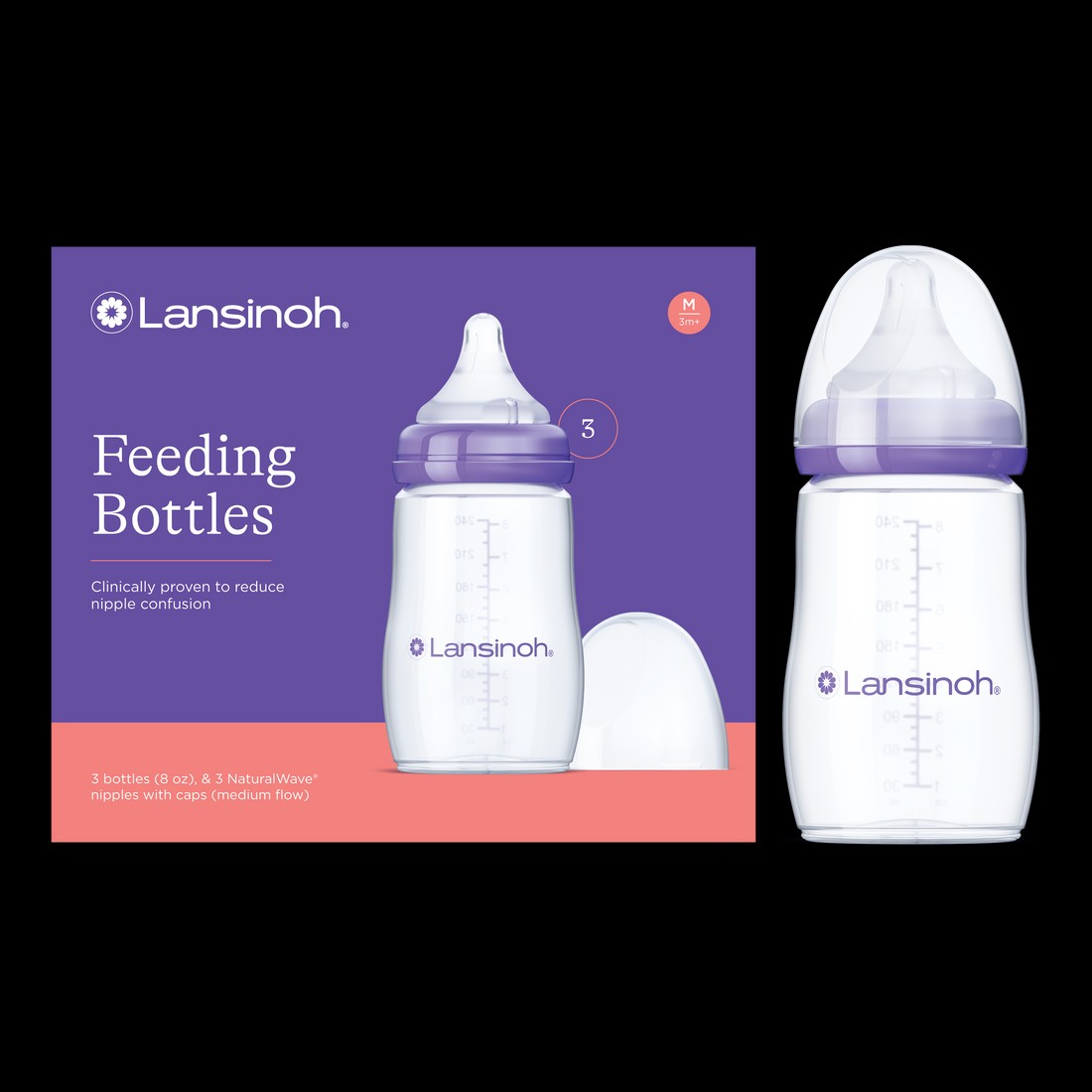
Lansinoh Anti-Colic Bottles Review: The Travel Bottles That Made Breast-to-Bottle Seamless
Honest Lansinoh anti-colic bottles review — NaturalWave nipple, air ventilation system, BPA-free 3-pack. $18.69. Specs, trade-offs, and who should skip it.
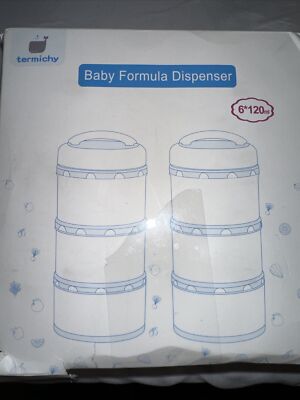
Termichy Formula Dispenser Review: The Pour-Spout Upgrade That Ended Our Formula Mess
Honest Termichy formula dispenser review — stackable, pour spout, BPA-free 2-pack sized for flights, road trips, and hotel stays. $12.99. Specs and trade-offs.
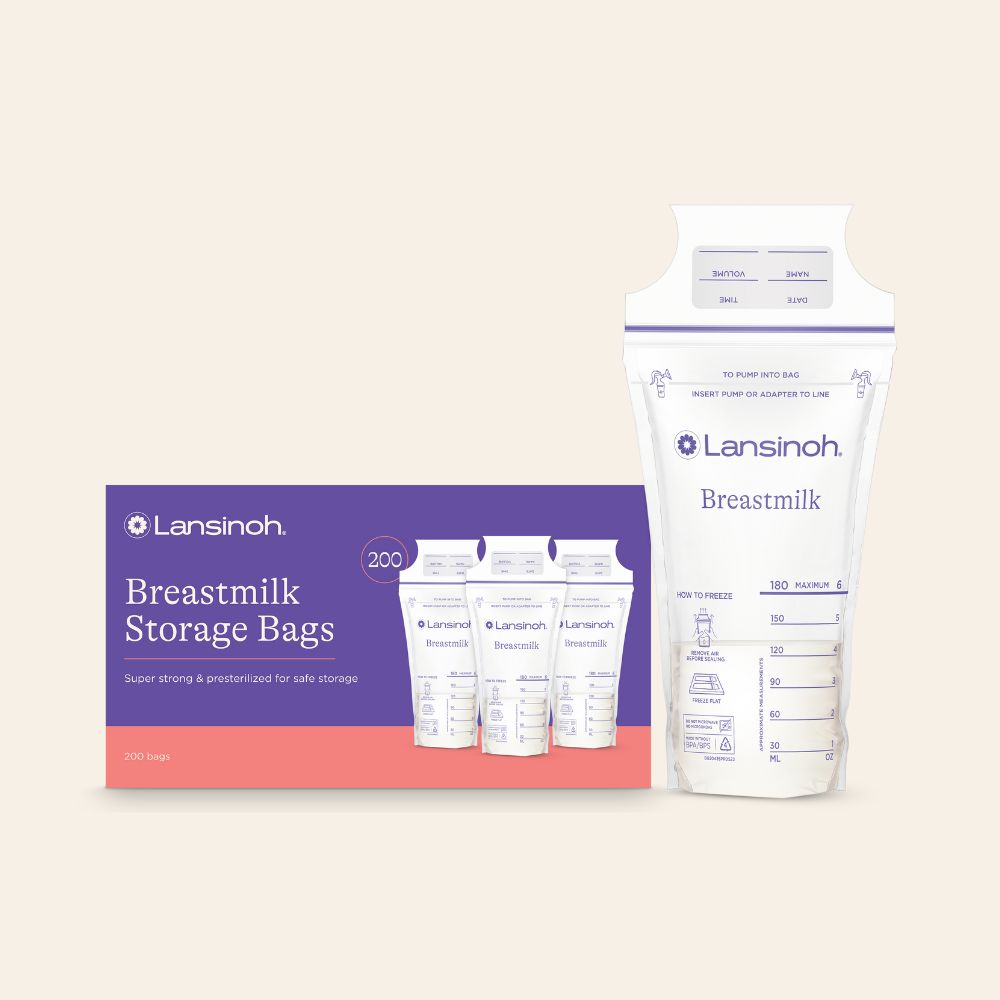
Lansinoh Breastmilk Storage Bags Review: The 100-Count Bags That Traveled to Six States Without a Single Leak
Honest Lansinoh breastmilk storage bags review — 100 count, double-sealed, and pre-sterilized for flights and road trips. $14.44. Specs, trade-offs, and safety notes.