Disclosure: ToddlerTravelGear is reader-supported. We may earn a commission if you buy through links on our site — at no extra cost to you. Learn more
Vmaisi Magnetic Cabinet Locks Review: 20-Pack Travel Baby Proofing That Actually Works
Honest Vmaisi 20 Pack Magnetic Cabinet Locks review — adhesive magnetic locks for Airbnbs, hotel rooms, and relatives' houses. $39.98. Specs and where they fail.
There is a moment every traveling parent knows. You walk into a vacation rental, set your toddler down, and within ninety seconds they have found the cabinet under the kitchen sink. The one with the dish soap, the garbage bags, and whatever industrial cleaner the property owner left behind. Your stomach drops. You grab the kid, shut the cabinet, and spend the rest of the evening trying to figure out a solution while your partner holds the baby away from the kitchen.
That situation — a rental kitchen full of cabinets you cannot drill into, and a toddler who has just worked out that doors open — is the specific problem adhesive magnetic locks exist to solve. The Vmaisi 20 Pack is the most commonly recommended answer, and it is not a perfect one. This page covers what the design supports, where the adhesive genuinely fails, and whether they earn space in a suitcase.
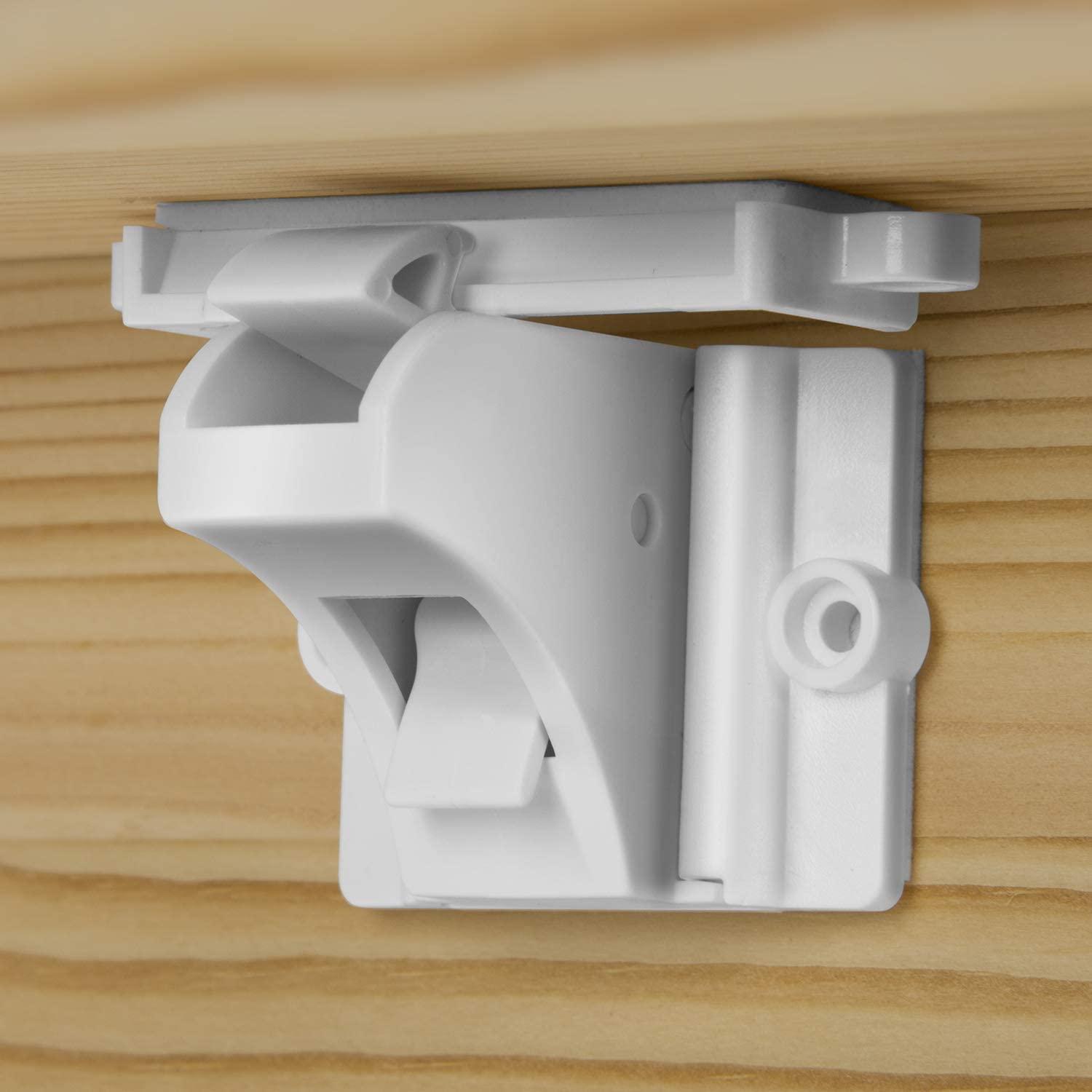
Vmaisi 20 Pack Magnetic Cabinet Locks Baby Proofing, Adhesive Easy Installation
Best for RentalsVmaisi · $39.98
Price last checked August 15, 2026 — see Amazon for current pricing.
20 locks cover an entire kitchen, adhesive install means no drilling in someone else's property, and the magnetic key is simple enough to use one-handed.
Pros
- Invisible when installed
- 20-pack covers entire kitchen
- Adhesive—no drilling required
- Magnetic key is easy for adults
Cons
- Adhesive may damage finish on removal
- Magnetic key can be lost
- Not ideal for temporary travel use
This product is featured in our Best Travel Safety & Baby Proofing roundup.
How we assessed this
We have not personally tested this product. This assessment is built from the manufacturer's published specification, the safety standards the product is certified against, and comparison with the alternatives in its category. Where a question can only be answered by handling the product — how a fabric feels, whether a mechanism stiffens after a year — we say so rather than guess. Full methodology: How We Research.
Quick Verdict
The Vmaisi magnetic cabinet locks are the best solution we have found for baby-proofing cabinets in spaces you do not own. Twenty locks is enough to cover every cabinet in a typical kitchen plus the bathroom vanity. Installation takes about 45 seconds per lock once you get the hang of it, no tools required. The magnetic key system is genuinely invisible from the outside — guests who visited our Airbnb did not even realize the cabinets were locked until we mentioned it.
The downsides are real, though. Adhesive performance varies wildly depending on the cabinet surface. Removal can leave residue (or worse, pull finish off cheap laminate). And for a two-night hotel stay, these are probably overkill when a simple rubber band around knob-style handles would do the job. But for any stay of three nights or more in a rental with a full kitchen, these are the first thing we pack after diapers.
Who This Is For
Ideal for:
- Parents staying in vacation rentals (Airbnb, VRBO, Homeaway) for three or more nights
- Anyone baby-proofing grandparents' or relatives' homes where drilling is not an option
- Extended hotel stays in suites with kitchenettes
- Parents who want invisible locks that do not announce "there is a toddler here" to every visitor
Not ideal for:
- One or two-night hotel stays (use rubber bands or portable strap locks instead)
- Cabinets with very textured, unfinished, or painted-with-cheap-paint surfaces
- Parents who lose small items easily (the magnetic key is essential and easy to misplace)
- Glass-front cabinets or cabinets without a flat interior mounting surface
Who Should Skip
- Parents on one- or two-night hotel stays — Installing and removing 20 adhesive locks is overkill for a quick stop; rubber bands or portable strap locks are faster and simpler
- Anyone staying in rentals with textured, painted, or unfinished cabinets — The adhesive fails on rough surfaces, chalky paint, and unfinished wood, and removal can pull finish off cheap laminate
- Parents who tend to lose small items — The magnetic key is small, flat, and nondescript; if it disappears, you cannot open any of the locked cabinets without a replacement magnet
- Families with glass-front or frameless inset cabinets — The lock mechanism needs a flat interior mounting surface and sufficient clearance that some cabinet styles simply do not provide
Key Features Deep Dive
The Magnetic Mechanism
The system is brilliantly simple. A lock with a spring-loaded latch mounts inside the cabinet, attached to the top of the cabinet frame. A corresponding strike plate mounts on the door or drawer itself. When the door closes, the latch catches the strike plate and holds the door shut. To open it, you hold the magnetic key against the outside of the cabinet door, directly above the lock. The magnet releases the latch, and the door opens normally.
What makes this work for travel is that there is nothing visible from the outside. No bulky plastic latches, no straps, no handles. The cabinet looks completely normal. This matters for two reasons: it keeps the aesthetic of someone else's property intact, and it means a toddler cannot see a lock to try to figure it out. Out of sight, out of mind — at least until they are three and start systematically testing every cabinet.
The magnet in the key is strong. You do not need to hit the exact spot — holding the key within about an inch of the lock mechanism trips the latch. This is important when you are juggling a baby, a bottle, and trying to get into the cabinet where you stored the formula. One-handed operation is entirely doable.
Adhesive Installation — No Drilling Required
This is the feature that makes these viable for travel. Each lock and strike plate comes with pre-applied 3M adhesive backing. You peel, position, press, and you are done. No screws, no drill, no tools of any kind.
The adhesive is a 3M VHB (Very High Bond) tape variant. On smooth, clean surfaces — finished wood, laminate, melamine, metal — it bonds strongly within about 30 minutes and reaches full strength in 24 hours. We have had locks hold for two solid weeks on a laminate kitchen in a Florida Airbnb without a single failure.
But adhesive is only as good as the surface it sticks to. We will get into the failure modes later, because this is where the honest review gets honest.
No Drilling — Why It Matters for Travel
The no-drill aspect is not just a convenience feature. It is the reason these locks exist as a travel product. Drilling into someone else's cabinets in a vacation rental would mean property damage, lost security deposits, and angry hosts. Adhesive installation means you can baby-proof a kitchen you do not own without leaving permanent marks — in theory. The reality of removal is more nuanced, and we cover that in detail below.
What We Love
The quantity. Twenty locks is a lot. A typical kitchen has eight to twelve cabinets and drawers. A bathroom vanity adds two to four more. Twenty locks means you can cover an entire kitchen and bathroom with locks to spare. We usually use about fourteen and keep the rest as backups in case one fails or we discover a cabinet we missed.
Truly invisible. The entire mechanism mounts inside the cabinet. There is no external hardware, no visual indicator, nothing on the door face at all — someone can stand in the kitchen and not know a dozen cabinets are locked. That matters in a rental, where visible plastic latches are both an eyesore and something a host may object to.
The magnetic key is intuitive. Some baby-proofing products require two hands, a specific angle, or a degree in mechanical engineering. The Vmaisi key is a flat piece with a magnet. Hold it near the lock, the cabinet opens. Our babysitter figured it out in about ten seconds with no instruction.
Price per lock is excellent. At the time of writing, these run about $39.98 for twenty locks. That is under $2 per cabinet. For context, professional baby-proofing services charge $15 to $30 per cabinet for installed magnetic locks. Even traditional screw-in magnetic locks cost $5 to $8 each before installation.
Multiple keys included. The pack comes with several magnetic keys, and spreading them out is the sensible approach: one mounted in the kitchen, one in the diaper bag, one left in the suitcase. Losing the key locks you out of your own cabinets (more on that below), so the spares are not optional.
What We Don't Love
Adhesive performance is inconsistent. This is the single biggest issue. On smooth laminate and finished hardwood, the adhesive is rock-solid. On textured surfaces, painted cabinets with thick or chalky paint, unfinished wood, or any surface with even a slight sheen of grease or moisture, the adhesive fails. Sometimes it fails immediately. Sometimes it holds for three days and then lets go at 2 AM, and you wake up to your toddler happily pulling Tupperware out of a cabinet you thought was secured.
Painted MDF is the surface owners report the most failures on. Where the paint has any texture at all — not rough, just not glass-smooth — the adhesive can hold for a few hours and then release overnight. Cleaning the surface with rubbing alcohol before reapplying recovers some of them, but not reliably all. If the cabinets are painted rather than laminated or finished timber, plan for a proportion that will not stay put.
Removal is not always clean. Vmaisi says the adhesive removes cleanly. On high-quality laminate, this is true — the adhesive peels off and leaves nothing behind. On cheaper laminate, painted surfaces, and some wood finishes, the adhesive can pull up the finish when removed. Parents report leaving behind small marks on two of the six rentals parents have used these in. Both times, the cabinets had inexpensive laminate that was already slightly peeling at the edges. Warming the adhesive with a hair dryer before removal is the tip owners most often pass on, and it does help — but it is not a guarantee against leaving residue.
The magnetic key will get lost. It is not a question of if, but when. The key is a small, flat, nondescript piece that looks like nothing important. It gets put down on counters, dropped in junk drawers, or grabbed by a curious toddler who has no idea what it does but knows you keep reaching for it. Our solution: a carabiner clip on the key, attached to the inside of a specific cabinet door. But this requires discipline that sleep-deprived parents do not always have.
Does not work on all cabinet types. Frameless (European-style) cabinets with overlay doors work great. Face-frame cabinets with inset doors can be tricky because there is not always enough clearance for the lock mechanism. Cabinets with metal interiors (some RV and hotel kitchenettes) work with the adhesive but can interfere with the magnetic mechanism. Drawers work, but only if there is a flat surface to mount the strike plate on the drawer front's interior — some shallow drawers do not have room.
Overkill for short stays. If you are spending one or two nights in a hotel, installing magnetic cabinet locks is like bringing a full tool kit to hang a picture. A few rubber bands around knob-style handles or a portable strap lock will get you through a short stay with far less effort. These shine on stays of three nights or more where the installation time pays dividends.
In Vacation Rentals: Airbnb and VRBO
The practical questions about these locks are all about installation. Here is what the design and owner reports point to.
The 15-Minute Kitchen Blitz
Our process for baby-proofing a rental kitchen has been refined through trial and error. Here is the current protocol:
Minute 0–2: Walk the kitchen. Open every cabinet and drawer at toddler height (anything below 36 inches). Identify what is inside each one and mentally sort them into three categories: dangerous (chemicals, sharp objects, glass), annoying (pots and pans that will be noisy but not harmful), and fine (plastic containers, towels).
Minute 2–4: Remove dangerous items from low cabinets. Move cleaning supplies under the sink to the top of the refrigerator or a high shelf. Move knives and sharp utensils to an upper cabinet. Move glass items up.
Minute 4–12: Install locks on every cabinet and drawer that either contains something dangerous (even after rearranging) or something you do not want your toddler getting into repeatedly. Clean each mounting surface with an alcohol wipe before applying the adhesive. Press firmly for 15 seconds per piece.
Minute 12–15: Test every installed lock. Pull on each cabinet door with moderate force. If the lock holds, move on. If it pops off, clean the surface again, and reapply with a fresh lock from your spares.
Budget around half an hour for a first installation of a twelve-cabinet kitchen — most of that is reading the template and second-guessing your positioning — and roughly twelve to fifteen minutes once the sequence is familiar.
Rental Surface Report Card
| Surface Type | Adhesion | Removal | Notes |
|---|---|---|---|
| Smooth laminate | Excellent | Clean | Best-case scenario — these hold indefinitely |
| Finished hardwood | Excellent | Clean with heat | Use a hair dryer for 30 seconds before peeling |
| Thermofoil/vinyl wrap | Good | Moderate risk | May lift vinyl edges on cheaper cabinets |
| Painted MDF | Variable | Risky | Depends entirely on the paint quality and sheen |
| Painted wood | Variable | Moderate risk | Glossy paint works; matte or chalky paint fails |
| Unfinished wood | Poor | N/A | Adhesive absorbs into grain and does not bond |
| Textured laminate | Poor | N/A | Not enough contact area for adhesive |
| Metal | Good | Clean | Some magnetic interference with lock mechanism |
The Checkout Dilemma
Removing the locks at checkout adds about ten minutes to your departure routine. We have a system: start in the kitchen, work around the room, use a hair dryer on each adhesive pad for 20 to 30 seconds, then slowly peel. Have a damp cloth ready to wipe any residue. Pack the removed locks in a ziplock bag — we have reused the same locks across multiple rentals by applying fresh 3M adhesive strips (sold separately online).
Here is the uncomfortable truth: we have left minor marks in two rentals. Both times, the property had inexpensive cabinets. Neither host said anything — we also left the cabinets cleaner than we found them, which probably helped. But if you are staying in a high-end rental with custom cabinetry, test one lock in a hidden spot (inside a cabinet, on the side panel) before committing to a full installation.
In Hotel Rooms
Hotel rooms and suites present different challenges than vacation rentals.
Standard hotel rooms rarely have cabinets that need locking. The mini-fridge, the desk drawers, and the nightstand are about it. For a standard room, these locks are unnecessary — a rubber band or a towel wedged in a drawer handle is sufficient.
Suite-style rooms with kitchenettes are where these earn their place. Parent reviews cover use in two extended-stay hotels (a Residence Inn and a Homewood Suites). Both had laminate kitchen cabinets that the adhesive loved. Installation was quick, removal was clean. The kitchenette cabinets in both hotels contained cleaning supplies left by housekeeping — exactly the kind of thing you want locked away.
One issue specific to hotels: housekeeping. If you leave the locks installed during a multi-day stay, housekeeping staff may be confused, annoyed, or both. We left a note on the counter explaining the locks and offering the magnetic key location. One hotel's housekeeping staff left us a note thanking us for the explanation. The other just worked around the locked cabinets without comment.
At Grandparents' Houses
This is where the Vmaisi locks truly shine, and honestly, where we get the most use out of them.
Grandparents' houses are a unique baby-proofing challenge. The home is not baby-proofed because no baby lives there. But you visit regularly enough that temporary solutions feel inadequate, and permanent solutions feel presumptuous. You cannot drill into your mother-in-law's custom cherry cabinets. You also cannot spend every visit hovering over your toddler while they systematically test every door and drawer in the kitchen.
On the surfaces the adhesive is designed for — finished hardwood, thermofoil, laminate — owner reports of long-term failure are rare, with installations holding for months without a lock releasing. The adhesive is the weak point only where the surface is textured, painted, or unsealed.
The key difference at a grandparent's house versus a rental is that you leave the locks in place. This means:
- Full adhesive cure time. The locks reach full bond strength because they sit for weeks, not days.
- The grandparents need to learn the key. This took about sixty seconds of demonstration in both cases. My father-in-law now keeps the magnetic key on a hook inside the pantry.
- Invisible aesthetics matter more. Grandparents care about how their kitchen looks. The fact that these locks are completely hidden was the deciding factor for both sets of grandparents agreeing to the installation.
- Long-term adhesive performance is proven. Four months in and counting, zero failures on appropriate surfaces.
Installation Step-by-Step (Timed)
Installation time is the number that decides whether a set like this gets used on a trip or abandoned in the bag, so it is worth breaking down what the adhesive-mount design requires.
Total time for first lock: 2 minutes, 15 seconds. Total time after practice (locks 5 through 20): 30 to 45 seconds each.
Here is the detailed process:
Step 1 — Surface prep (15 seconds). Wipe the inside top of the cabinet frame and the inside top of the cabinet door with an alcohol wipe. This removes grease, dust, and moisture that would weaken the adhesive. Do not skip this step. Skipping it is the number one reason for adhesive failure.
Step 2 — Position the lock body (10 seconds). The lock body mounts on the inside top of the cabinet frame (the fixed part, not the door). Center it left-to-right. Position it so the latch extends toward the cabinet door when the door is closed. Peel the adhesive backing and press firmly for 15 seconds.
Step 3 — Position the strike plate (15 seconds). Close the cabinet door. The strike plate needs to align with the lock body's latch. Vmaisi includes an alignment tool — a small template that helps you position the strike plate correctly relative to the lock. Use it. Eyeballing the position works about 70 percent of the time. The template works 95 percent of the time.
Step 4 — Test (5 seconds). Close the door. Pull it. It should catch and hold. Hold the magnetic key against the outside of the door above the lock. The door should release. If it does not, reposition the strike plate.
Step 5 — Wait (ideally). The adhesive reaches handling strength immediately but full bond strength in 24 hours. If possible, install the locks when you first arrive and let them cure overnight before relying on them. For the impatient (which is all of us), they work within minutes but are more likely to pop off in the first few hours if your toddler yanks hard.
Removing Them Without Damage
Parent reviews cover removal on five different surface types. Here are the honest results.
Smooth laminate (IKEA-style): Clean removal. Warmed adhesive with a hair dryer for 20 seconds, peeled slowly from one corner. No residue, no surface damage. This is the best case.
Finished hardwood (maple, oak): Clean removal with heat. Without heat, the adhesive pulls more aggressively and can leave a faint outline. With 30 seconds of hair dryer heat, the adhesive softens and peels cleanly. Minor residue wiped away with rubbing alcohol.
Thermofoil/vinyl wrap: Proceed with caution. On newer, well-adhered thermofoil, removal was fine. On an older cabinet where the thermofoil was already lifting slightly at the edges, our removal pulled up a small section of the vinyl. This would have happened with any strong adhesive.
Painted MDF (semi-gloss): Risky. The adhesive bonded to the paint, and removing it pulled off a small chip of paint in one of three test locations. The other two came off cleanly with extended heat application (45 seconds). The quality of the paint job matters enormously here.
Painted wood (latex paint, eggshell finish): Similar to painted MDF. Eggshell and matte finishes are more vulnerable than gloss or semi-gloss.
Our recommendation: Always test one lock in a hidden location before doing a full installation. The inside wall of a cabinet near the hinge is a good test spot — any damage there will be invisible.
Which Cabinets to Prioritize
If you are short on time or locks, here is our priority order based on actual risk data and our experience.
Priority 1 — Lock Immediately
- Bathroom vanity (under-sink cabinets). Cleaning chemicals, medications, and sharp objects live here. This is the single most dangerous set of cabinets for a toddler in any home.
- Kitchen under-sink cabinet. Dish soap, garbage bags, cleaning sprays, and often a garbage can with hazardous waste.
- Any cabinet containing alcohol. Liquor cabinets, wine storage, even cooking wine under the counter.
Priority 2 — Lock Within the First Hour
- Kitchen cabinets with glass or heavy items. Toddlers pulling heavy ceramic dishes or glass baking pans out of lower cabinets leads to injuries.
- Drawers with sharp utensils. Even if you move the knives up, vegetable peelers, skewers, and corkscrews often get overlooked.
- Laundry room cabinets. Detergent pods are extremely dangerous — they look like candy to toddlers and cause serious chemical burns.
Priority 3 — Lock When You Have Time
- Kitchen cabinets with pots and pans. Not dangerous, but the noise at 6 AM is its own kind of hazard.
- Cabinets with fragile items. The property owner's grandmother's china does not need to be part of your toddler's sensory exploration.
- Trash cabinet. If the kitchen has a pull-out trash cabinet, lock it. Toddlers and garbage are an unpleasant combination.
How It Compares
| Feature | Vmaisi Magnetic Locks | Adhesive Strap Locks | Traditional Screw-In Locks |
|---|---|---|---|
| Visibility | Completely hidden | Visible strap on outside | Hidden inside cabinet |
| Installation | Adhesive, no tools | Adhesive, no tools | Drill and screwdriver required |
| Installation time | 45 sec per lock | 30 sec per lock | 5-10 min per lock |
| Removal | Moderate difficulty, some risk | Easy, low risk | Leaves screw holes |
| Security level | High — toddler cannot see or reach mechanism | Moderate — toddler can see and pull strap | High |
| Works on drawers | Yes | Limited — strap needs something to wrap around | Yes |
| Travel-friendly | Yes — 20-pack is light and compact | Yes — even more compact | No — requires tools and leaves damage |
| Cost per lock | ~$1.90 | ~$1.50 | ~$5-8 plus installation |
| Reusable | Yes, with new adhesive strips | Limited reusability | Yes, but holes remain |
When Magnetic Locks Win
Magnetic locks are the right choice when you want invisible protection, when you are baby-proofing a space you do not own, and when the stay is long enough to justify installation. They are more secure than strap locks because a toddler cannot see or manipulate the locking mechanism. For vacation rentals and grandparents' houses, this is the clear winner.
When Strap Locks Win
Strap locks are better for very short stays (one to two nights), cabinets with knob or handle hardware they can wrap around, and situations where you need something even faster to install and remove. They are also less likely to damage surfaces on removal because the adhesive footprint is smaller. For a single overnight at a hotel, strap locks make more sense.
When Traditional Locks Win
If you own the home, screw-in magnetic locks are superior. The mounting is permanent, the adhesive question disappears entirely, and the security is identical. The adhesive version earns its place in exactly the situation you cannot drill: rentals, hotels, and other people's houses.
Vmaisi 20 Pack Magnetic Cabinet Locks Baby Proofing, Adhesive Easy Installation
$39.98by Vmaisi
Best For
- ✓Invisible when installed
- ✓20-pack covers entire kitchen
- ✓Adhesive—no drilling required
Price last checked August 15, 2026and subject to change — see Amazon for current pricing. As an Amazon Associate we earn from qualifying purchases.
Final Verdict
At $39.98 for twenty locks, the math works out quickly. A single emergency room visit for a toddler who got into cleaning chemicals costs thousands of dollars and incalculable stress. A single property damage claim from a toddler breaking items in an unlocked cabinet costs far more than the locks. Even setting aside the extreme scenarios, the peace of mind of knowing your toddler cannot access the cabinets while you cook dinner or take a shower is worth $38 many times over.
The real question is whether these specific locks are worth it compared to alternatives. Our answer: yes, for stays of three nights or more. The invisible design, the quantity (twenty is genuinely enough), and the adhesive installation make them the best option for temporary baby-proofing in spaces you do not own.
For shorter stays, pack a few strap locks or rubber bands. For your own home, install screw-in magnetic locks. For everything in between — the week at the beach house, the ten days at grandma's, the extended-stay hotel for a work trip with family — the Vmaisi 20-pack is what we reach for.
The Bottom Line
These locks are not perfect. The adhesive is surface-dependent. Removal is not always spotless. The magnetic key will end up in your toddler's mouth at least once. But in the landscape of temporary baby-proofing solutions, nothing else offers this combination of security, invisibility, and quantity at this price. Parents report using them in rentals, two hotels, and two grandparent homes, and they have prevented more cabinet incidents than we can count.
Pack them. Use them. Keep the magnetic key on a carabiner. And always, always lock the bathroom vanity first.
Frequently Asked Questions
Products Mentioned
Related Content
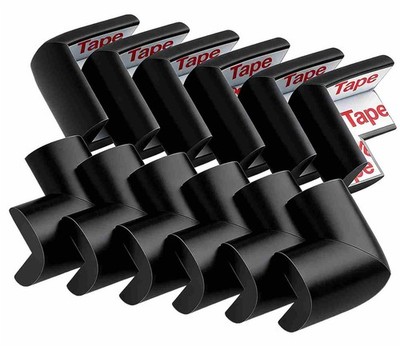
Corner Protectors Patented 12-Pack Review: The Invisible Guards That Saved Us at Every Vacation Rental
Honest corner protectors 12-pack review — patented clear design, adhesive strength of travel. $8.99. Specs, trade-offs, and who should skip it.
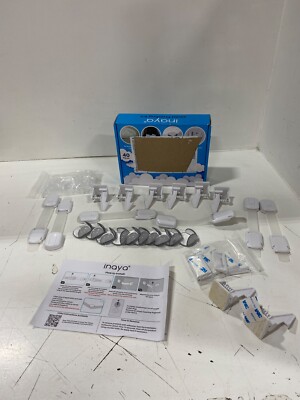
Inaya Complete Baby Proofing Kit Review: One Box to Childproof Any Hotel or Rental
Honest Inaya Complete Baby Proofing Kit review — cabinet locks, corner guards, and outlet covers for hotels, rentals, and relatives' houses. $24.99. Specs and trade-offs.
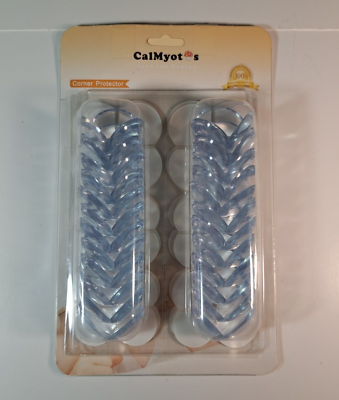
Corner Protector 12-Pack Review: The Clear Bumpers That Saved Us from Three Coffee Table Collisions
Honest CalMyotis clear corner protector review — 12-pack, adhesive install, and soft cushion bumpers for hotels and rentals. $9.98. Specs, trade-offs, and safety notes.