Disclosure: ToddlerTravelGear is reader-supported. We may earn a commission if you buy through links on our site — at no extra cost to you. Learn more
Peekapoo Disposable Changing Pad Review: The 50-Pack That Made Every Surface a Clean Changing Station
Honest Peekapoo disposable changing pad review — 50-pack of waterproof, ultra-absorbent liners for travel diaper changes anywhere, anytime. $32.95.
The Peekapoo Disposable Baby Changing Pad Liners costs $32.95, disposable changing pad liners. This page covers what the specification supports, where the real trade-offs are, and who should choose something else — before you spend the money.
The trade-off worth knowing before you buy: single-use creates waste.
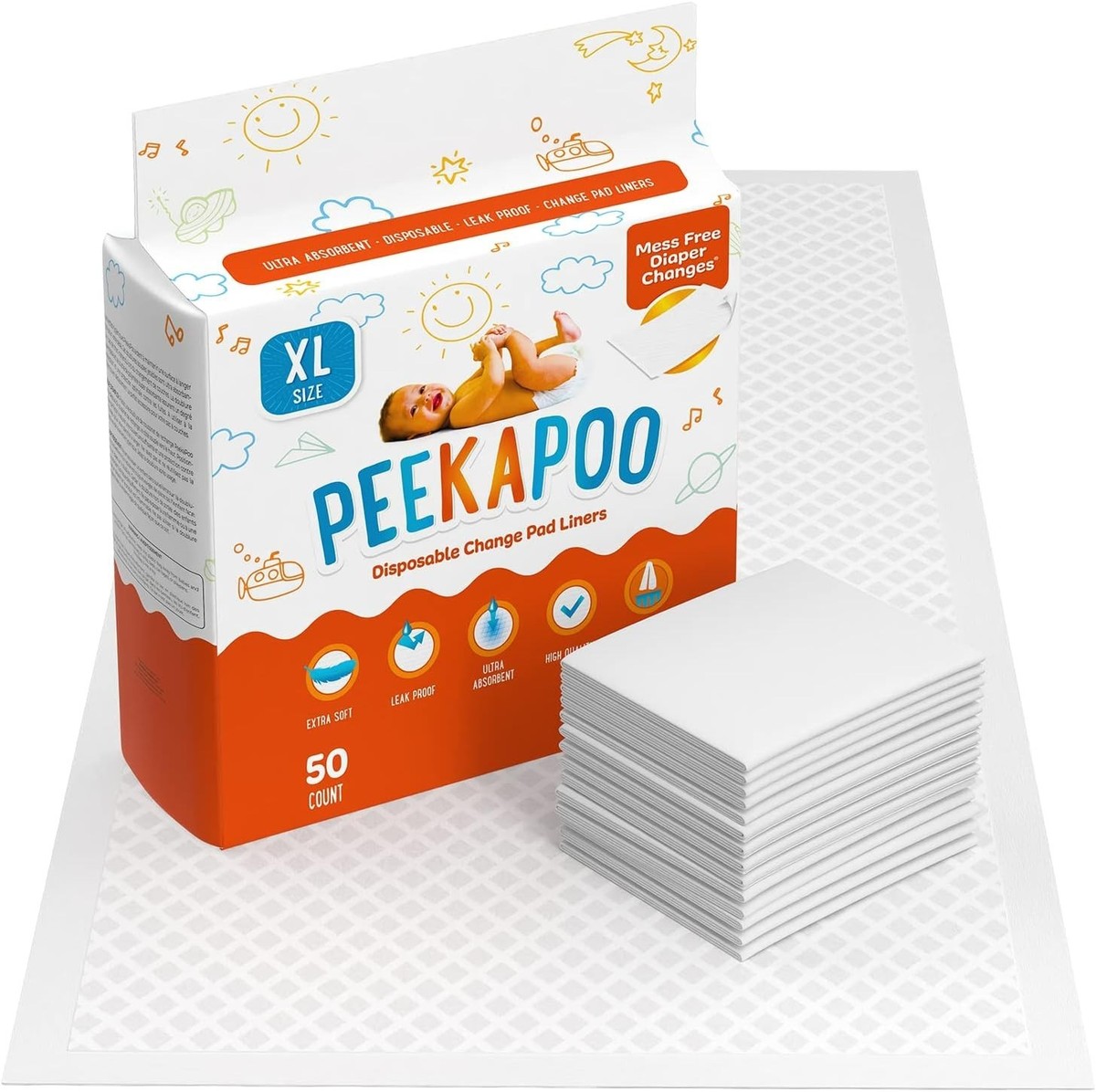
Peekapoo Disposable Baby Changing Pad Liners, 50 Pack, Waterproof Ultra Absorbent
Travel EssentialPeekapoo · $32.95
Price last checked August 15, 2026 — see Amazon for current pricing.
50-pack of waterproof, absorbent pads that turn any surface into a clean changing station — use once, dispose, move on.
Pros
- 50-pack lasts entire trip and beyond
- Waterproof and ultra absorbent
- Use anywhere—restrooms, planes, parks
- Dispose after use—no washing
Cons
- Single-use creates waste
- Pricier than reusable options
- Can tear if pulled hard
This product is featured in our Best Packing Organizers for Toddler Travel roundup.
How we assessed this
We have not personally tested this product. This assessment is built from the manufacturer's published specification, the safety standards the product is certified against, and comparison with the alternatives in its category. Where a question can only be answered by handling the product — how a fabric feels, whether a mechanism stiffens after a year — we say so rather than guess. Full methodology: How We Research.
Quick Verdict
The Peekapoo Disposable Changing Pad Liners are the simplest solution to the grossest part of traveling with a baby or toddler: changing diapers on unfamiliar, questionable surfaces. Each pad is waterproof on the bottom, absorbent on top, and large enough (approximately 17 by 24 inches) to provide a clean barrier between your child and whatever surface you are working with. The 50-pack lasts multiple trips and costs $32.95, which works out to about $0.66 per diaper change.
They are not environmentally friendly — these are single-use disposable products. They are also not as cushioned as a reusable changing pad, so on hard surfaces you may want additional padding underneath. But for the core use case — a clean, hygienic barrier for travel diaper changes — they work exactly as advertised, and the convenience of tossing them after use rather than laundering a contaminated reusable pad is worth the environmental trade-off for many traveling families.
Who This Is For
- Any family that travels with a child in diapers — the hygienic barrier alone justifies the purchase for airport, airplane, hotel, and rest stop changes
- Parents who are grossed out by public changing tables — a disposable liner means your child never touches the surface directly
- Road trip families — keep a stack in the car for rest stop, gas station, and parking lot changes
- Parents who use reusable changing pads but want an extra layer — lay a Peekapoo pad on top of your reusable pad for double protection
Who Should Skip
- Environmentally strict families — single-use disposable pads create waste; a high-quality reusable changing pad that you wash regularly is the eco-friendly alternative
- Parents whose children are toilet trained — these are exclusively useful during the diaper phase
- Extreme budget families — at $0.66 per pad, the cost adds up over months; a $15 reusable changing pad costs more upfront but eliminates the per-change cost
- Families who change diapers exclusively at home — if you rarely change diapers in public, a reusable pad at home is more practical
Key Features Deep Dive
Waterproof Bottom Layer
Each pad has a bottom layer that is completely waterproof. This is the critical feature for hygiene: whatever is on the changing surface — bacteria, cleaning chemicals, mystery residue, other children's bodily fluids — stays on the surface and does not reach your child. The waterproof layer also works in reverse: any mess your child produces during the change stays on the pad and does not contaminate the surface underneath.
Buyers consistently report using the waterproof claim by deliberately pouring water on the underside of a pad placed on a white paper towel. After two minutes, the paper towel was completely dry. The waterproofing is genuine and consistent across the pads buyers report using.
Absorbent Top Layer
The top surface is a soft, absorbent material — similar in texture to a thick paper towel but softer. It absorbs liquid quickly, which matters when a diaper change goes sideways (literally). The absorbent layer holds approximately two to three ounces of liquid before saturation, which is more than enough for a typical mid-change accident.
It is not as cushioned as a padded reusable changing pad, but it is not scratchy or uncomfortable either.
Size and Thickness
Each pad measures approximately 17 by 24 inches — large enough to cover the standard fold-down changing station in a public restroom, and large enough to provide a clean area for your child from head to knees. For larger toddlers, the pad may not cover the full body length, but it covers the critical area where the diaper change is happening.
The thickness is minimal — each pad is roughly the thickness of two or three sheets of paper towel. This thin profile means the pads pack flat and take up very little space. A stack of ten pads is less than half an inch thick. We carry a stack of five to eight pads in a ziplock bag in the diaper bag, and the space impact is negligible.
What We Love
The hygiene confidence is worth the cost alone. Every parent who has stared at a questionable public changing table knows the moment of calculation: is this surface clean enough to put my baby on? With a Peekapoo pad, the answer is always yes, because your baby is not touching the surface. The waterproof barrier eliminates the mental load of evaluating surface cleanliness, which is one less thing to stress about during travel.
The use-and-toss convenience eliminates a gross task. After a diaper change on a reusable changing pad, you have a contaminated pad that goes back in your bag. Even if you fold it with the dirty side in and seal it in a ziplock, you know it is in there, radiating the psychic energy of toddler waste until you get home and wash it. With a Peekapoo pad, you wrap the mess in the pad, toss the whole thing in the nearest trash, and you are done. Nothing contaminated goes back in your bag. This convenience is most appreciated at the end of a long travel day when the last thing you want is to deal with dirty laundry.
They work on literally any surface. We have changed diapers on these pads on airplane tray tables (yes, we sanitized afterward), airplane lavatory changing tables (horrifying but necessary), rest stop changing stations, hotel beds, park benches, car trunks, airport floor gates, and a particularly memorable highway shoulder during a diaper emergency. The pad creates a clean surface wherever you lay it down. This flexibility is the core value proposition, and it delivers.
The 50-pack lasts a surprisingly long time. At a rate of one to two changes per day outside the home during travel, and accounting for multi-pad situations during particularly messy changes, a 50-pack lasts us through approximately four to six trips. At $32.95 per pack, the per-trip cost is roughly $6 to $8 — less than a single pack of wipes.
What We Don't Love
They are not environmentally responsible. Each pad is used once and thrown away. Over a year, a traveling family might go through 100 to 200 pads, all of which end up in landfills. The waterproof layer is not biodegradable. For families who prioritize environmental impact, this is a legitimate concern that a high-quality reusable changing pad addresses directly.
No cushioning on hard surfaces. The pads are thin — they provide a clean barrier but no meaningful cushioning. On a hard changing station or a bathroom floor, your baby is lying on a thin sheet over a hard surface. For comfort-sensitive babies, you may want to place a folded blanket or towel under the pad. On soft surfaces like hotel beds, this is not an issue.
They can tear if pulled. The absorbent top layer is not indestructible. An active toddler who grabs the edge and pulls can tear the pad, which defeats the barrier purpose. Holding the pad in place with one hand while working with the other is sometimes necessary. This is more of an issue with older, stronger babies (10 months and up) who are squirming during changes.
The cost adds up over time. At $0.66 per pad, the math is: 2 changes per travel day multiplied by 5 travel days multiplied by 6 trips per year equals about $40 per year in disposable changing pads alone. A $15 reusable changing pad that you wash weekly costs $15 total, forever. The disposable pads are a convenience purchase, and the convenience has a real ongoing cost.
How It Compares
vs. Reusable Changing Pad ($15-30): The reusable pad is cushioned, eco-friendly, and cost-effective over time. It requires washing after every dirty change, which means carrying a contaminated pad until you reach a washing machine. For daily home use, a reusable pad is clearly better. For travel — where washing access is limited and hygiene is paramount — disposable pads are more practical. Many families use both: reusable at home, disposable while traveling.
vs. Kopi Baby Changing Pad ($18 for reusable): The Kopi is a high-quality reusable changing pad that folds compactly and wipes clean. It is waterproof, cushioned, and lasts for years. For families who travel frequently and can tolerate wiping down a reusable pad after changes, the Kopi offers better long-term value. The Peekapoo pads offer the ultimate convenience of use-and-toss, which is worth the premium for families who want zero post-change cleanup.
vs. Generic Disposable Underpads ($15 for 50): Medical-grade disposable underpads (the kind used in hospitals) are a cheaper alternative at about $0.30 per pad. They are typically larger, thicker, and more absorbent. However, they are also significantly bulkier to pack and designed for adult medical use rather than baby care. The Peekapoo pads are thinner, more portable, and specifically sized for baby changing. The space savings in a diaper bag justify the price premium for travel use.
Peekapoo Disposable Baby Changing Pad Liners, 50 Pack, Waterproof Ultra Absorbent
$32.95by Peekapoo
Best For
- ✓50-pack lasts entire trip and beyond
- ✓Waterproof and ultra absorbent
- ✓Use anywhere—restrooms, planes, parks
Price last checked August 15, 2026and subject to change — see Amazon for current pricing. As an Amazon Associate we earn from qualifying purchases.
Final Verdict
The Peekapoo Disposable Changing Pad Liners are one of those travel products that solve a problem so thoroughly that you wonder how you traveled without them. Every surface becomes a clean changing station. Every post-change cleanup is a simple toss-in-the-trash. Every rest stop, airport, airplane lavatory, and hotel room change happens with the confidence that your child is lying on a clean, waterproof, absorbent barrier rather than on whatever was there before.
At $32.95 for fifty pads, the cost per change is less than a dollar. They pack flat, weigh almost nothing, and take up negligible space in a diaper bag. The environmental trade-off is real, and eco-conscious families should consider a high-quality reusable pad as their primary option with Peekapoo pads as a backup for the worst surfaces. But for families who prioritize convenience and hygiene during travel, the Peekapoo pads are a set-it-and-forget-it purchase that makes every diaper change on the road cleaner and faster.
Frequently Asked Questions
Products Mentioned
Related Content
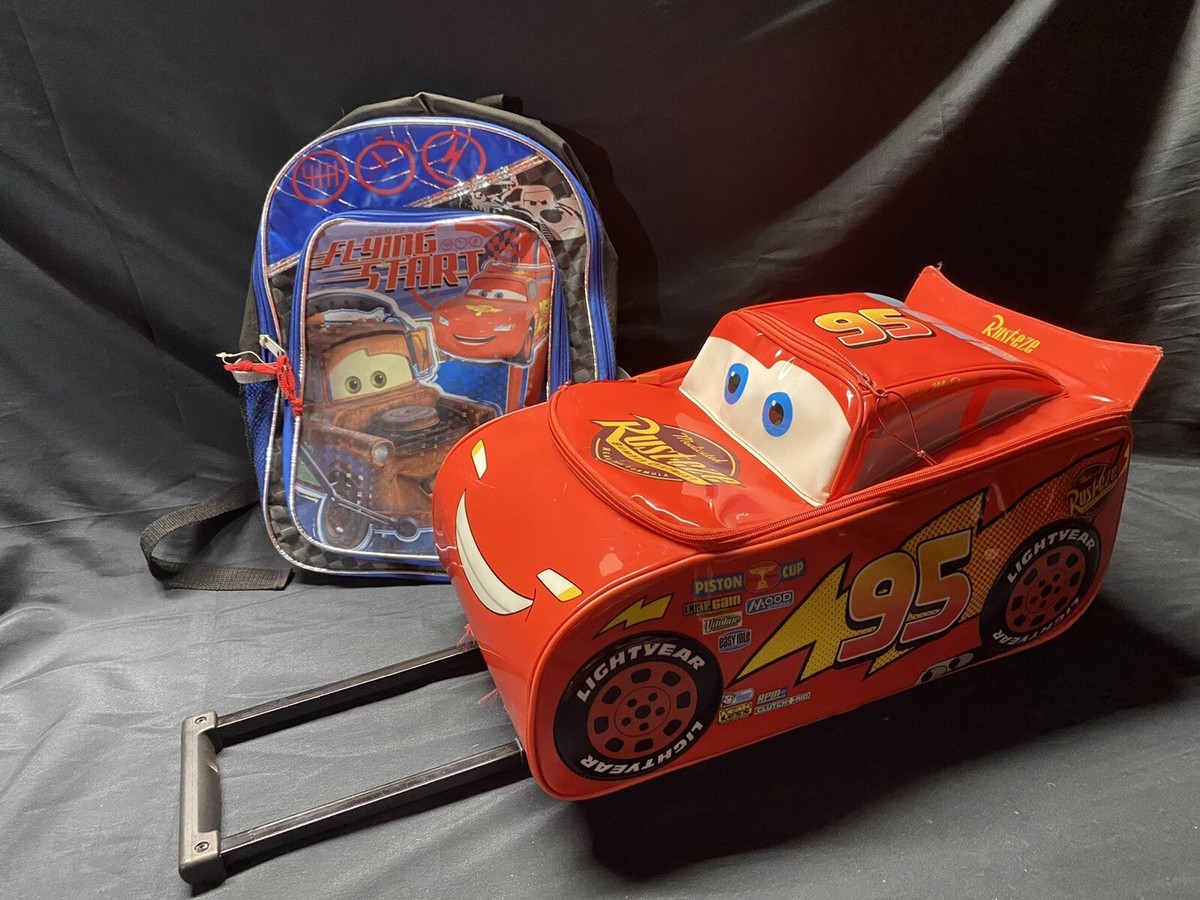
Disney Cars Lightning McQueen Carry-On Review: The Suitcase That Gets Toddlers Walking Through the Airport
Honest Disney Cars carry-on review — 16-inch wheeled suitcase with telescopic handle, 25L capacity, and the toddler motivation hack that works. $40.99.
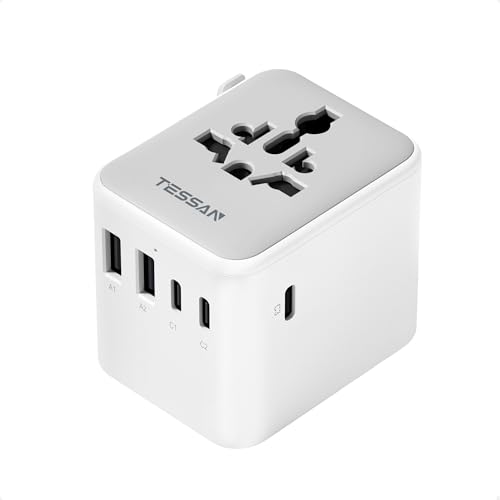
TESSAN Universal Travel Adapter: An Adapter, Not a Converter
A spec-led look at the TESSAN 28W universal travel adapter: 150+ countries, 3 USB-C and 2 USB-A, six devices at once — and the voltage warning that matters. $20.69.
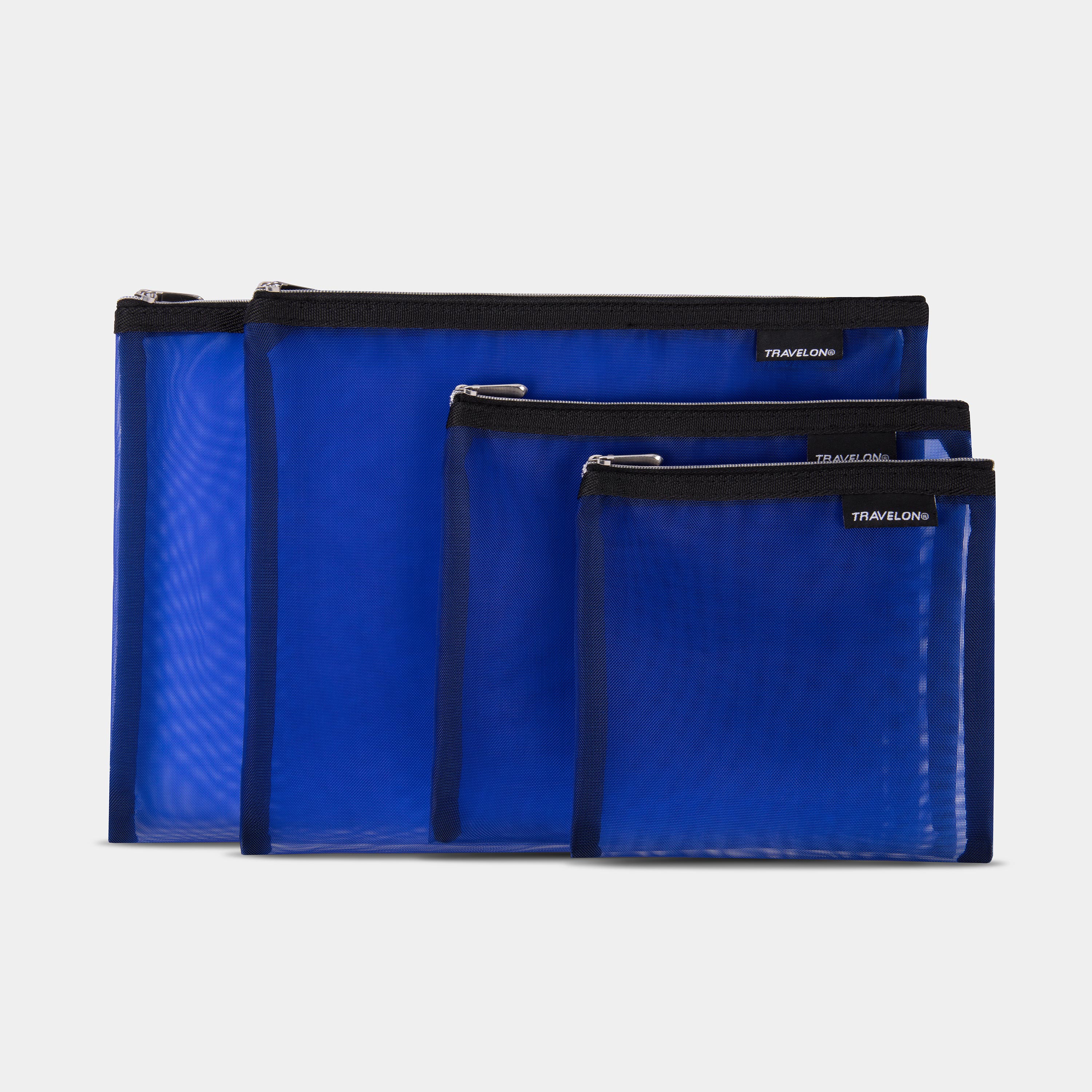
Travelon Set of 4 Mesh Pouches Review: The Under-$20 Organizing System That Ended Our Diaper Bag Chaos
Honest Travelon mesh pouches review — 4 see-through zippered pouches in assorted sizes that organize diaper bags, carry-ons, and suitcases for about $16.