Disclosure: ToddlerTravelGear is reader-supported. We may earn a commission if you buy through links on our site — at no extra cost to you. Learn more
noot K11 Kids Headphones Review: $13 Travel Headphones That Survive Toddler Abuse
Honest noot K11 kids headphones review — foldable, tangle-free cord, comfortable for small heads, and just $13. $12.99. Full specification and safety notes.
The noot products noot products K11 Kids Headphones costs $12.99, rated Children and teens. This page covers what the specification supports, where the real trade-offs are, and who should choose something else — before you spend the money.
The trade-off worth knowing before you buy: wired only—no Bluetooth.
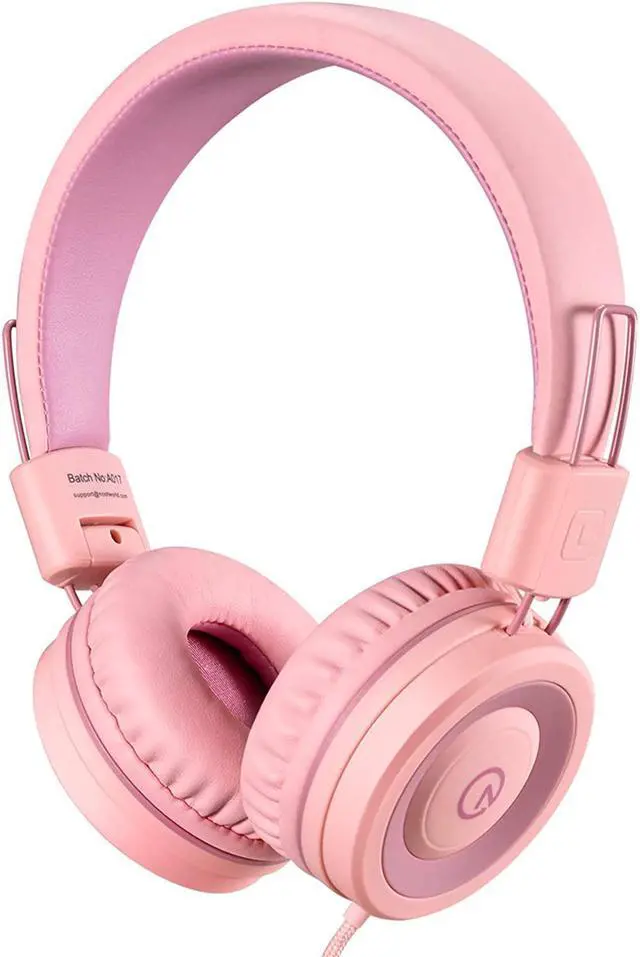
noot products K11 Kids Headphones, Foldable Stereo Tangle-Free 3.5mm Wired On-Ear
Best Budget Kids Headphonesnoot products · $12.99
Price last checked August 15, 2026 — see Amazon for current pricing.
Foldable, tangle-free, comfortable on small heads, and just $13 — the headphones you won't cry about replacing.
Pros
- Foldable and compact for travel
- Tangle-free cord
- Comfortable for small heads
- Very affordable
Cons
- Wired only—no Bluetooth
- No volume limiting
- Ear pads can wear out
This product is featured in our Best Road Trip Gear for Toddlers roundup.
How we assessed this
We have not personally tested this product. This assessment is built from the manufacturer's published specification, the safety standards the product is certified against, and comparison with the alternatives in its category. Where a question can only be answered by handling the product — how a fabric feels, whether a mechanism stiffens after a year — we say so rather than guess. Full methodology: How We Research.
Quick Verdict
The noot K11 is the best kids headphone for parents who want reliability over features. At $13, you get wired headphones that fold for travel, have a tangle-free cord, and fit comfortably on toddler and preschooler heads. The trade-off is the feature set — no Bluetooth, no volume limiting, no active noise cancellation. You need to manage volume through the device settings (every tablet and phone has this built in). For families who have burned through expensive kids headphones, the noot K11 is the rational replacement.
Who This Is For
- Parents who have broken expensive kids headphones — at $13, replacement is painless
- Road trip families — wired means no battery to die mid-trip
- Flight travelers — 3.5mm jack works with in-flight entertainment systems
- Budget-conscious parents — $13 for functional kids headphones is the floor price for quality
Who Should Skip
- Parents who want hardware volume limiting — the noot does not cap volume; use device settings instead
- Families wanting wireless — these are wired only; look at the JBL JR310BT for budget Bluetooth
- Parents of babies under 2 — headphones are not appropriate for babies; use earmuffs for hearing protection
- Noise-cancellation seekers — the noot provides passive isolation only
Key Features Deep Dive
Foldable Design
The earcups fold inward at the headband hinges, reducing the headphones to roughly half their open size. Folded, they fit in a jacket pocket, a diaper bag side pocket, or the seatback pocket on a plane. The fold is the feature that makes these travel headphones rather than just headphones.
The hinge mechanism is metal-reinforced, which is why they have survived nine months of toddler handling. Previous headphones with plastic hinges broke at this exact point.
Tangle-Free Flat Cable
The cable is flat rather than round, which dramatically reduces tangling. A round cable left in a diaper bag for ten minutes becomes a knotted mess. The flat cable emerges from the bag in roughly the same condition it went in — maybe a gentle curve, never a knot.
The cable length is approximately 5 feet, which is long enough for a child in a car seat to reach a tablet mounted on the headrest, and long enough for a child on a plane to reach the seatback screen. It is slightly too long for handheld tablet use, resulting in some excess cable, but too-long is always better than too-short.
3.5mm Wired Connection
The 3.5mm audio jack is a deliberate choice in 2026, when most premium kids headphones are Bluetooth. Wired means three things: no battery (the headphones never die mid-movie), no pairing issues (plug in and it works), and compatibility with in-flight entertainment systems (most airplane seatback screens still use 3.5mm jacks).
The downside is that some newer tablets and phones have eliminated the headphone jack. If your device does not have a 3.5mm port, you need a USB-C to 3.This is an extra piece, but it is also one that never needs charging.
Comfortable Fit for Small Heads
The headband adjusts to fit heads from approximately toddler size (age 2–3) through preteen. The clamping force is light enough for comfort but firm enough that the headphones do not slide off when she looks down at a tablet.
The on-ear design means the earcups sit on the ears rather than around them. This provides some passive noise isolation — it does not block external noise as effectively as over-ear designs, but it reduces ambient sound enough for media listening in moderately noisy environments like cars and planes.
What We Love
They just work, every time. No Bluetooth pairing failures. No dead battery at the worst possible moment. No firmware updates. Plug in, sound comes out. The simplicity of wired audio is the noot K11's superpower. In nine months, we have never had a situation where the headphones did not work when we needed them.
**$13 makes breakage a non-issue.They still work. When they eventually stop working, I will spend $13 — the cost of a fast food meal — and have a new pair the next day. The psychological freedom of disposable-priced headphones is underrated.
The fold fits everywhere. In the car door pocket, in the seatback organizer, in the diaper bag, in the stroller cup holder (in a pinch). The compact folded size means the headphones are always accessible because they always fit wherever we stash them.
They work with airplane entertainment. This matters more than you might think. On a three-hour flight, the seatback screen is free entertainment that does not drain your tablet battery. Many Bluetooth kids headphones cannot connect to airplane entertainment systems. The noot's 3.5mm jack plugs directly into the armrest audio port.
What We Don't Love
No hardware volume limiting. The noot K11 does not cap volume output. If your child cranks the volume to maximum on a tablet, they will get maximum volume. The mitigation is simple — set a volume limit in your device settings (iOS: Settings > Sounds > Headphone Safety; Android: Settings > Sound > Media volume limiter) — but it requires the parent to remember to configure it. Dedicated kids headphones like the Puro BT2200 cap volume in the hardware regardless of device settings.
The sound quality is budget-level. The noot K11 sounds fine for kids' content — cartoons, YouTube, simple music. It does not sound good for anything requiring audio fidelity. Bass is thin, highs are tinny, and the soundstage is flat. For toddler use, this is irrelevant. For older kids who start caring about music quality, it may matter.
The cord catches on things. A five-foot cord draped between a child and a tablet snags on armrests, cup holders, seat belt buckles, and other children. This is inherent to wired headphones, not specific to the noot, but it is a friction that Bluetooth eliminates.
**On-ear design gets uncomfortable in heat.She takes the headphones off for a break and puts them back on when she has cooled down. Over-ear headphones with breathable mesh would be more comfortable in heat, but those do not fold as compactly.
How It Compares
vs. Bandou 3.0 Headband Headphones ($33.29): The Bandou is flat speakers sewn into a fabric headband — a completely different form factor that some children find more comfortable. It is softer and cannot break at hinges, but it provides less sound isolation and the headband absorbs sweat. For bedtime or quiet environments, the Bandou is a good alternative. For noisy environments like planes and cars, the noot's earcup design provides better isolation.
vs. Puro BT2200 ($80): The Puro is the premium kids headphone — Bluetooth, 85 dB hardware volume limiting, excellent sound quality, over-ear design. It is a genuinely better headphone in every technical dimension. It is also six times the price. For parents who want the best and trust their child not to destroy $80 headphones, the Puro is the choice. For parents who have learned the hard way that toddlers destroy headphones, the noot at $13 is the pragmatic choice.
vs. JBL JR310BT ($25): The JBL offers Bluetooth, 85 dB volume limiting, and a foldable design at a mid-range price. It is the best compromise between features and budget. The risk is the Bluetooth — pairing issues and battery management add complexity. If wireless is important, the JBL is the pick. If simplicity and reliability matter more, the wired noot wins.
noot products K11 Kids Headphones, Foldable Stereo Tangle-Free 3.5mm Wired On-Ear
$12.99by noot products
Best For
- ✓Foldable and compact for travel
- ✓Tangle-free cord
- ✓Comfortable for small heads
Price last checked August 15, 2026and subject to change — see Amazon for current pricing. As an Amazon Associate we earn from qualifying purchases.
Final Verdict
The noot K11 Kids Headphones are the honest answer to a simple question: what is the best pair of kids headphones that I will not care about replacing? At $13, with a foldable design, tangle-free cord, and comfortable fit, the K11 delivers reliable audio for road trips, flights, and daily tablet use. It lacks volume limiting, Bluetooth, and premium sound quality. It makes up for those omissions by never running out of battery, never failing to pair, and never costing enough to cause distress when a toddler inevitably drops it from a height.
Nine months in, our noot K11 is still working. When it stops, I will spend another $13. This is not an endorsement of disposable culture — it is an acknowledgment that toddlers destroy things, and the smartest strategy is to buy quality that matches the likely lifespan of the product in a toddler's hands. At $13, the noot K11 gets that math exactly right.
Frequently Asked Questions
Products Mentioned
Related Content
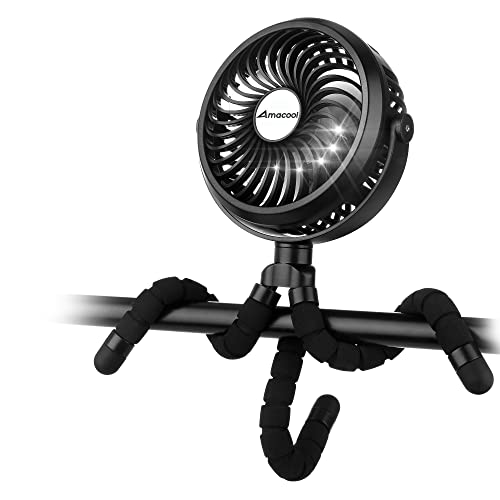
AMACOOL Stroller Fan: 2600mAh, Flexible Legs, One Real Flaw
A spec-led look at the AMACOOL clip-on stroller fan: 2600mAh, 2.5-10 hours, flexible tripod legs, and the non-replaceable battery. $21.99.
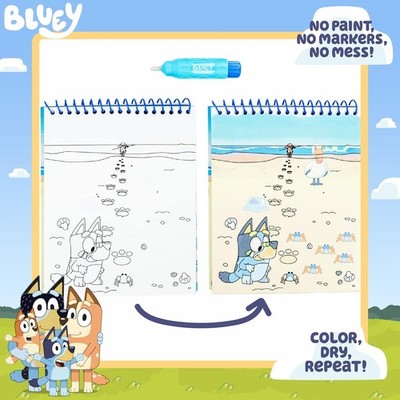
Bluey Aqua Art Review: The $5 Mess-Free Activity That Buys 20 Minutes of Car Peace
Honest Bluey Aqua Art review — reusable water-reveal pages, Bluey characters, includes water pen. $5.99. Specs, trade-offs, and who should skip it.
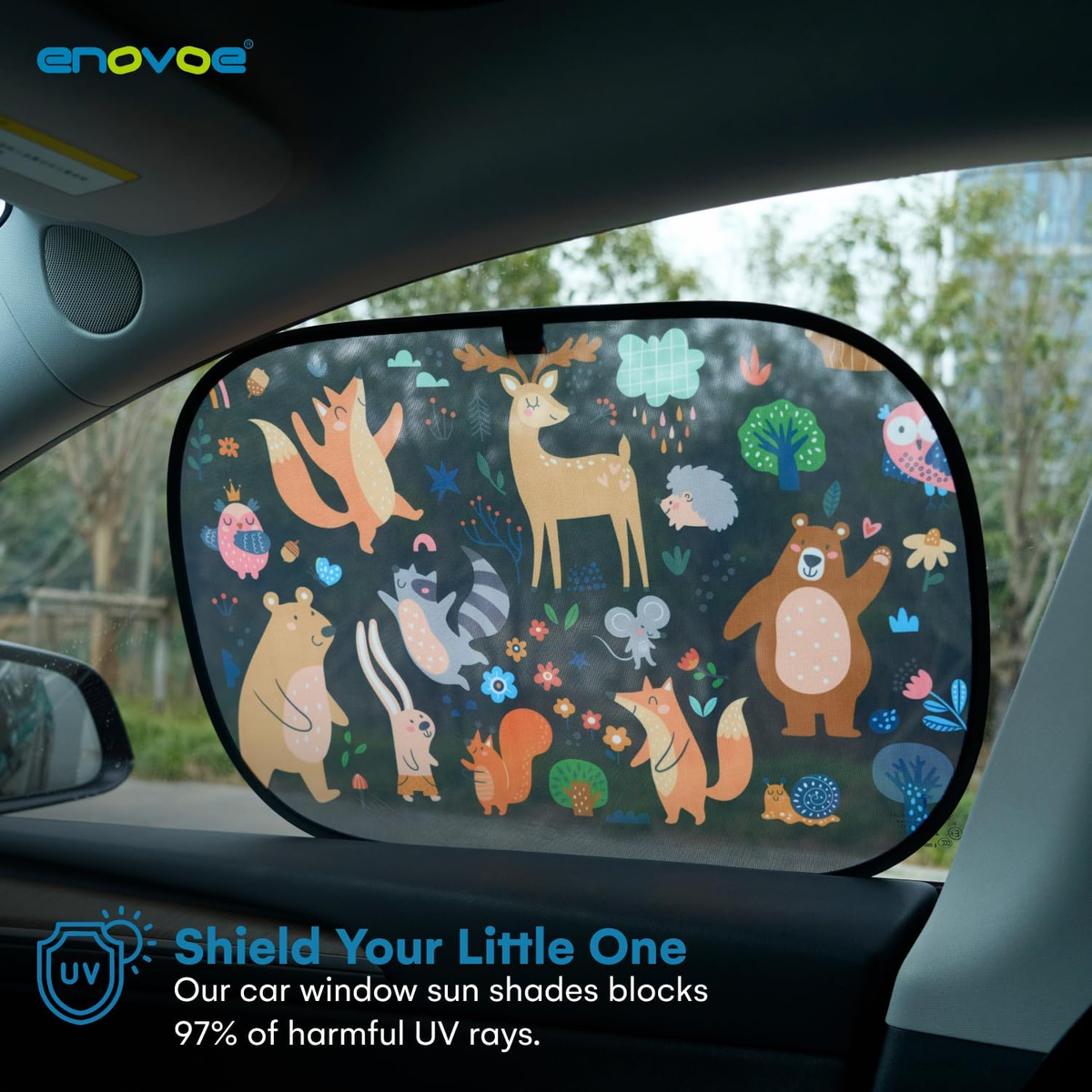
Enovoe Car Window Shades Review: The $14 Static Cling Shades That Actually Stay Up
Honest Enovoe car window shades review — 4-pack static cling, UV protection, no suction cups. $14.99. Specs, trade-offs, and who should skip it.