Disclosure: ToddlerTravelGear is reader-supported. We may earn a commission if you buy through links on our site — at no extra cost to you. Learn more
Guava Lotus Travel Crib Review: The Side Door Changes Everything
Honest Guava Lotus Travel Crib review — setup speed, side zipper door for nighttime comfort, and more. $249.95. Specs, trade-offs, and who should skip it.
A travel crib has one job — a safe, flat, familiar place to sleep away from home — and the differences between models are mostly about how fast it sets up, how much it weighs, and how long your child can use it before outgrowing it. The Guava Family Guava Family Travel Crib with Lightweight Backpack Design is $249.95, ~13 lb, rated 0–3 years. Here is what the specification supports and where the limits are.
The trade-off worth knowing before you buy: premium price at $300.
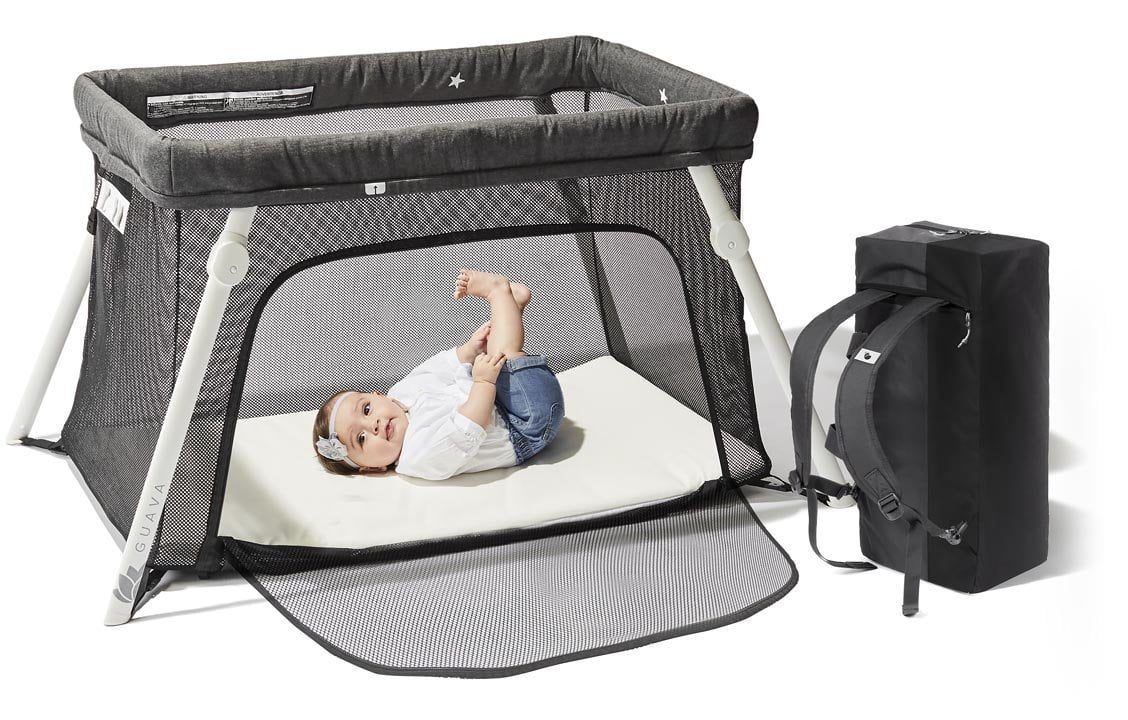
Guava Family Travel Crib with Lightweight Backpack Design
Best Overall Travel CribGuava Family · $249.95
Price last checked August 15, 2026 — see Amazon for current pricing.
Backpack carry, 15-second setup, GreenGuard Gold certified, and the side zipper door that solves middle-of-the-night wake-ups.
Pros
- Sets up in 15 seconds
- Backpack carry for hands-free transport
- Certified baby safe
- Side zip door for toddler access
Cons
- Premium price at $300
- Thin mattress (add fitted sheet)
- Toddlers can climb out eventually
This product is featured in our Best Portable Cribs for Travel roundup.
How we assessed this
We have not personally tested this product. This assessment is built from the manufacturer's published specification, the safety standards the product is certified against, and comparison with the alternatives in its category. Where a question can only be answered by handling the product — how a fabric feels, whether a mechanism stiffens after a year — we say so rather than guess. Full methodology: How We Research.
Quick Verdict
The Guava Lotus is the top-rated travel crib based on parent reviews for families who travel regularly. The backpack carry makes airport navigation genuinely hands-free. The 15-second setup is not marketing fiction — it is actually that fast. And the side zipper door is the kind of feature you do not realize you desperately need until you have used it once at midnight in an unfamiliar hotel room.
The catch is the price. At roughly $300, the Lotus costs significantly more than a basic pack n play. You are also going to want a fitted sheet and possibly an extra mattress pad, because the included sleeping surface is functional but thin. But if you travel more than a few times a year, the Lotus earns its premium within the first trip or two.
Who This Is For
The Lotus makes the most sense for:
- Families who fly regularly. When you are already wrangling a car seat, a diaper bag, a stroller, and a toddler through airport security, having your crib on your back instead of in your hands is a genuine quality-of-life upgrade.
- Parents who nurse or comfort their baby at night. The side zipper door lets you reach in, pat a back, or offer a feeding without the awkward lean-over-the-rail maneuver that wakes everyone up.
- Grandparents or caregivers who host visiting babies. Set it up once, leave it in the guest room, zip the door shut or open as needed.
- Parents who care about what their baby sleeps on. The Lotus is GreenGuard Gold certified, meaning it has been tested and verified for low chemical emissions.
It is probably overkill for families who travel once a year and already own a pack n play, parents whose kids are already over 2.5 and approaching the size limit, or anyone on a tight budget who needs a functional portable sleep space and nothing more.
Who Should Skip
- Families who travel once or twice a year — At roughly $300, the Lotus is three to four times the cost of a basic pack n play, and the premium features like backpack carry and fast setup do not justify the price for occasional use
- Parents of tall toddlers approaching age 3 — The crib is rated up to 35 inches, and taller toddlers in the 95th percentile will start feeling cramped well before they turn 3, leaving only months of comfortable use
- Budget-conscious parents who just need a portable sleep space — A standard Graco Pack 'N Play at $70 to $120 provides a perfectly functional sleep environment, and the Lotus's side door and backpack carry may not matter enough to justify spending two to three times more
- Parents of persistent toddlers over age 2 — Some toddlers figure out how to unzip the side door from the inside around 2 to 2.5 years old, which can turn the crib's best feature into a safety and bedtime enforcement challenge
Key Features Deep Dive
The Side Zipper Door (The Real Reason to Buy This Crib)
The Lotus has a full-length zipper on one side panel that opens to create a door at mattress level. When fully open, the mesh panel folds down and your child can crawl in and out on their own. When zipped shut, it is a secure, fully enclosed crib.
Here is why this matters more than you think:
Middle-of-the-night comfort. Your baby wakes up crying in an unfamiliar hotel room. With a standard pack n play, you have to stand up, lean over the rail, reach down, and either comfort your baby hunched at an awkward angle or lift them out entirely. With the Lotus, you unzip the side panel from your bed, reach in at mattress level, and pat their back or nurse them without either of you fully waking up. I cannot overstate how much this changes the nighttime experience when traveling.
Toddler transition. For older toddlers transitioning away from a crib at home, the side door lets them use the Lotus more like a toddler bed. They can crawl in when they are ready and climb out in the morning. For toddlers who resist being "put" in a crib, that psychological difference is real.
Nursing and feeding. The side door lets you nurse your baby while they are still in the crib, lying on your side at mattress level. No lifting, no fully waking, no disrupting whatever fragile sleep routine you have managed to establish in a hotel room.
Loading a sleeping baby. You know the move. You finally get your baby to sleep in your arms, and now you need to lower them into the crib without waking them. With a traditional crib, this means leaning over the rail and executing a slow, controlled descent while your back screams. With the Lotus, you lay them down through the side door at mattress level. Not foolproof — some babies wake up no matter what — but the success rate is noticeably higher.
Backpack Carry
The Lotus folds down and fits into an integrated backpack-style carry case. Total weight is about 13 pounds, lighter than many carry-on suitcases.
In practice, the backpack carry matters most at airports. You are pushing a stroller, carrying a car seat or wearing a baby, and dragging luggage. Having the crib on your back instead of as a separate bag is genuinely freeing. We have walked through three connecting terminals with the Lotus on one parent's back and never felt burdened. It is equally valuable on rental car shuttles, in narrow hotel hallways, and navigating grandma's split-level staircase.
The straps are functional, not luxurious. For a 10-minute airport walk, perfectly comfortable. For a mile-long mega-airport trek, you will feel the 13 pounds — but far less than carrying a pack n play bag in one hand.
GreenGuard Gold and Sleep Certification
The Lotus is GreenGuard Gold certified — independently tested and verified to meet strict chemical emission standards covering the entire product: frame, fabric, mattress, and mesh. Babies sleep with their faces inches from the mattress surface for 10–14 hours a day, so off-gassing from foam and fabric treatments is a legitimate concern. GreenGuard Gold is one of the most rigorous certifications available, and the Lotus is one of the few travel cribs that carries it.
The Lotus also meets CPSC and ASTM F406 safety standards for full-time sleep — not all portable cribs do. You can use it as your baby's primary sleep space, not just a play area. For travel, where your baby may sleep in this crib for every nap and every night for a week, that certification provides genuine peace of mind.
What We Love
- The side zipper door. This single feature solves more real-world travel sleep problems than any other innovation in portable cribs.
- True backpack carry. Not a shoulder bag with a strap. An actual backpack that leaves both hands free for airport travel.
- 15-second setup that is actually 15 seconds. First time out of the box took about two minutes to understand the mechanism. Every time after that, consistently 10–20 seconds.
- GreenGuard Gold certification. Real, verified low-emission materials — actual third-party testing, not just marketing language about being "non-toxic."
- Breathable mesh on all sides. Full visibility and airflow from every angle, even in warm hotel rooms.
- Lightweight at 13 pounds. Lighter than most pack n plays and dramatically lighter than any wooden or metal portable crib.
- Holds up to repeated use. Structural wear is not what owners report after extended setup-and-teardown cycles, flights and car boots — zips keep running smoothly, the mesh stays intact, and the frame clicks stay positive.
What We Don't Love
- The price. $249.95 is a lot for a travel crib. A basic Graco Pack 'N Play costs a fifth of that, and the Munchkin Ultra-Lite comes in at $179.99. You are paying for the side door, the backpack carry, the longer age range, and the GreenGuard certification — worth it for frequent travelers, hard to justify for occasional use.
- The mattress pad is thin. The included surface is firm and flat, which is correct for safe infant sleep. But for older toddlers used to a thicker mattress at home, the transition can be noticeable. Guava sells a compatible mattress pad that helps, but that is additional cost on top of an already premium price.
- Size limits for bigger toddlers. Rated for ages 0–3 years, but taller toddlers approaching age 3 will start to feel cramped. If your 2.5-year-old is in the 95th percentile for height, they may have 6 months of comfortable use left.
- Backpack straps are functional, not plush. For extended carries over 15–20 minutes, they can dig in a bit.
- Toddlers eventually figure out the zipper. Around age 2–2.5, some persistent toddlers learn to unzip the side door from the inside. Newer models include a locking clip, but it is something to be aware of.
Setup and Teardown: Timed
The Lotus uses a hub-and-spoke frame system. Unfold the base, pop the center hub down until it clicks, and the frame locks open with mesh sides tensioning automatically. No separate mattress to install — it unfolds with the base.
| Scenario | Time | Notes |
|---|---|---|
| First time out of the box | ~2 minutes | Reading the mechanism, figuring out the hub lock |
| Practiced setup (10+ times) | 10–15 seconds | Unfold, pop, done |
| Dark hotel room, trying not to wake baby | ~25 seconds | Slower and deliberate to avoid clicking noises |
| Setup by grandparent (never seen it) | ~3 minutes | Needed verbal instructions but no frustration |
| Practiced teardown | 20–30 seconds | Pull hub, fold sides, roll and stuff into backpack |
| First-time teardown | ~3 minutes | Figuring out fold sequence and how to get it back in the bag |
The dark hotel room test: Setup was quiet — the hub click is audible but not loud enough to wake a sleeping baby across the room. Getting it back in the bag neatly takes practice — the first few times you end up with a lumpy pack. After a few tries, you develop a fold-and-roll technique that gets it compact and tidy.
Sleep Quality
The real test of any travel crib is whether your baby actually sleeps in it. A crib can fold beautifully and win design awards, but if your baby screams for an hour because the sleep surface feels wrong, none of that matters.
Young babies (0–8 months): The firm, flat mattress is exactly what safe sleep guidelines call for. The side door matters most in this window: reaching in at mattress level for a night feed avoids the full lift-out-and-put-back cycle over a rail, and that shorter, less disruptive handling is what keeps a middle-of-the-night wake window from turning into a full resettle.
Toddlers (8 months – 3 years): This is where the Lotus shines. The mesh sides provide visual reassurance in unfamiliar rooms, and the side door made resettling middle-of-the-night wake-ups dramatically easier — unzip, hold her hand, pat her back at her level, done.
The "first night" problem: Almost every toddler sleeps worse on the first night in a new location. The Lotus did not eliminate this, but the side door made managing it significantly easier. By the second night, sleep was back to normal.
Naps: The mesh sides mean the crib is not dark, which can be an issue for babies who need darkness to nap. We paired the Lotus with portable blackout curtains and had no issues. Without darkening the room, midday naps were sometimes shorter — but that is a room issue, not a crib issue.
Taking It Through an Airport
Flights
Most airlines allow you to gate check baby sleep equipment free of charge, which means the Lotus goes down at the jet bridge alongside the stroller and comes back at the jet bridge on arrival — no baggage claim wait. The backpack design is what makes the rest of the airport work: one parent wears the crib, the other pushes the stroller, and both have a free hand. Check your airline's policy before flying, as the free allowance is not universal.
Road Trips
The Lotus in its bag fits in a trunk alongside luggage, strollers, and car seats without demanding its own dedicated space. We fit it in a mid-size sedan trunk alongside a full-size car seat box, a suitcase, and a stroller bag. Setup at the destination was always fast — crib ready before the rest of the bags were unloaded. On a road trip with a cranky toddler, getting the crib up and offering a nap within five minutes of arrival made a real difference.
Grandma's House
Arguably where the Lotus performs best. The crib stays set up for the whole visit, and it is unobtrusive enough that it does not dominate a guest room the way a bulky pack-n-play does. Leaving it assembled between visits does not cause frame fatigue. The side door also lets an older toddler use it independently — crawling in for naps and out again in the morning without an adult lifting them over a rail.
How It Compares
Guava Lotus vs Standard Pack N Play
| Feature | Guava Lotus | Standard Pack N Play |
|---|---|---|
| Price | ~$300 | ~$70–120 |
| Weight | 13 lb | 20–25 lb |
| Setup time | 15 seconds | 1–3 minutes |
| Carry method | Backpack | Shoulder bag or duffel |
| Side door | Yes (zipper) | No |
| Certifications | GreenGuard Gold, CPSC/ASTM | CPSC/ASTM |
| Best for | Regular travel | Occasional use, home playard |
A pack n play is perfectly functional for occasional travel. If you fly twice a year, spending $300 on a Lotus is hard to justify. But if you travel monthly, the weight difference, setup speed, backpack carry, and side door add up to a meaningfully better experience. The Lotus is for people who travel enough that pack n play friction has become annoying.
Guava Lotus vs Munchkin Ultra-Lite 3-in-1
| Feature | Guava Lotus | Munchkin Ultra-Lite 3-in-1 |
|---|---|---|
| Price | $249.95 | $179.99 |
| Weight | 13 lb | Under 14 lb |
| Setup time | 15 seconds | Seconds, no tools |
| Carry method | Backpack | Carry case with backpack mode |
| Side door | Yes (zipper) | No |
| Age ceiling | ~3 years | 24 months / 30 lb |
| Bassinet mode | No | Yes (to 15 lb) |
| Mattress | Thin, integrated | Included, with washable cover |
The Munchkin is $70 cheaper, sets up just as fast, and adds a bassinet mode the Lotus does not have. The two things the Lotus buys you are the side-zip door and a longer usable life — the Munchkin stops at 24 months where the Lotus runs to about three years. If your baby is young and sleeps through the night, the Munchkin gets you most of the way for less. If you are up multiple times a night, or your child is already over a year old, the Lotus is worth the difference.
Final Verdict
Worth it if you travel 3+ times per year, nighttime nursing access matters, you need hands-free airport carry, and your baby will use it for at least a year.
Probably not worth it if you travel once or twice a year, your child is already over 2, or you do not need side access (the Munchkin Ultra-Lite at $179.99 is a strong alternative for babies under one).
The math: At $300 from birth to age 3, that is roughly $17–25 per trip if you travel 4–6 times annually. A single night of poor baby sleep in a hotel can ruin an entire vacation day. Per-trip, this is one of the cheapest investments in travel sanity you can make.
Guava Family Travel Crib with Lightweight Backpack Design
$249.95by Guava Family
Best For
- ✓Sets up in 15 seconds
- ✓Backpack carry for hands-free transport
- ✓Certified baby safe
Price last checked August 15, 2026and subject to change — see Amazon for current pricing. As an Amazon Associate we earn from qualifying purchases.
Final Verdict
The Guava Lotus Travel Crib is not a perfect product. The mattress is thin, the price is steep, and bigger toddlers will eventually outgrow it. These are real trade-offs.
But in the category of things that make traveling with a baby genuinely easier, the Lotus delivers more than any other travel crib based on parent reviews. The side zipper door is not a gimmick — it is a meaningful quality-of-life improvement you will use multiple times per trip. The backpack carry is not marketing — it is practical hands-free transport through airports and hotel lobbies. And the 15-second setup is not exaggeration — it is repeatedly achievable after a single practice run.
Parents have used pack n plays. Parents have tried budget travel cribs that cost a fifth of the Lotus. The Lotus is the one families reach for every time they travel. That, more than any spec sheet or certification, is the recommendation.
Frequently Asked Questions
Products Mentioned
Related Content
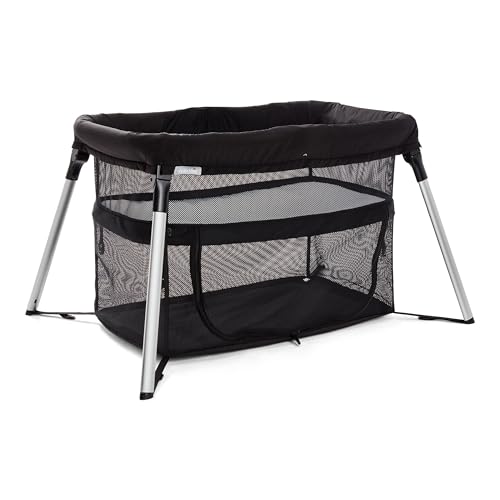
Munchkin Ultra-Lite 3-in-1 Review: The Travel Crib That Sets Up in Seconds — If Your Baby Is Under Two
Honest Munchkin Ultra-Lite 3-in-1 travel crib review — seconds-fast setup, backpack carry, bassinet mode, and the 24-month age ceiling you need to understand before buying.
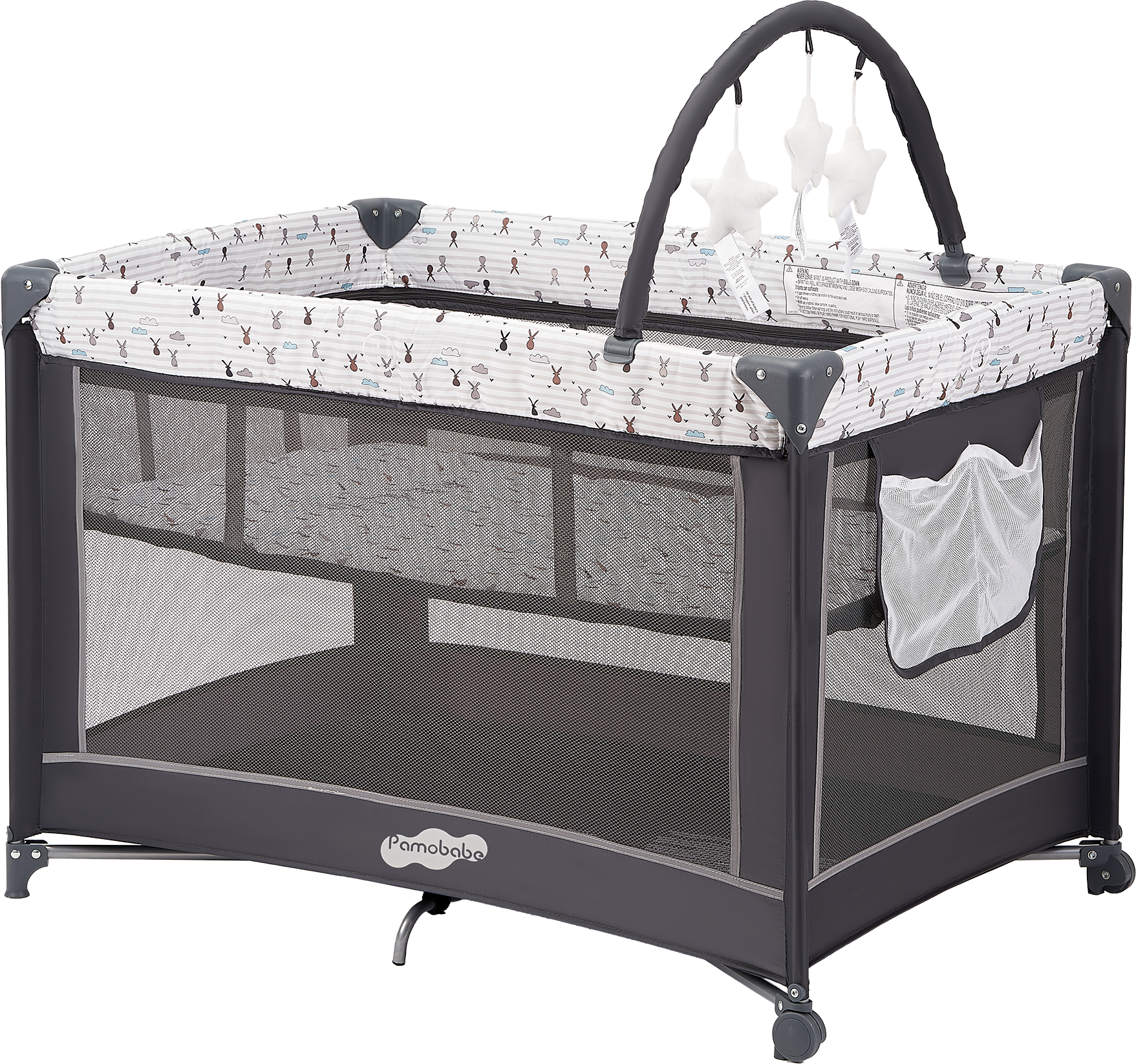
Pamo Babe Pack and Play Review: The $55 Travel Crib That Does Exactly What You Need
Honest Pamo Babe Pack and Play review — lightweight, foldable, breathable mesh sides, mattress pad and carry bag included. $54.99.
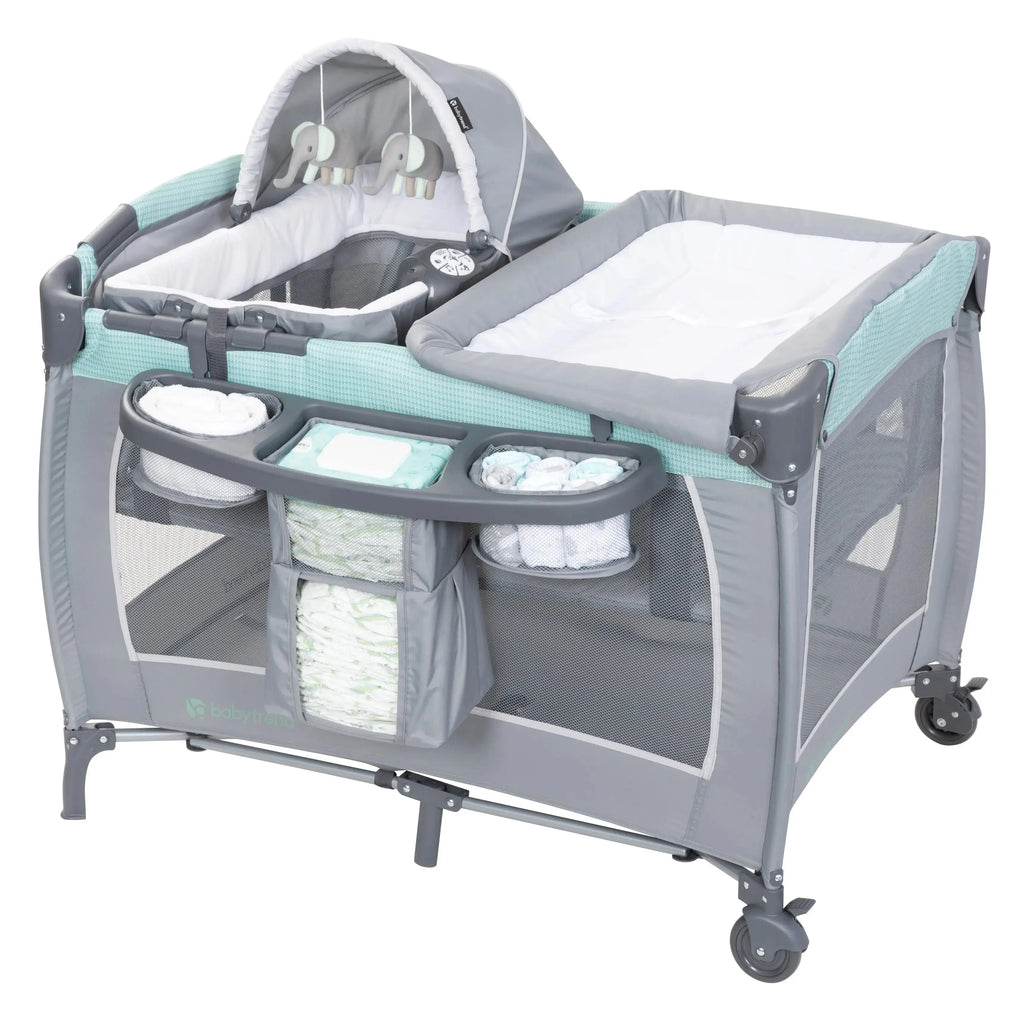
Baby Trend Lil' Snooze Deluxe III Review: The All-in-One Travel Nursery That Surprised Us
Honest Baby Trend Lil' Snooze Deluxe III review — bassinet, changing table, and full-size playard for $124. $79.99. Specs, trade-offs, and who should skip it.