Disclosure: ToddlerTravelGear is reader-supported. We may earn a commission if you buy through links on our site — at no extra cost to you. Learn more
Dreamegg Sound Machine Review: The $18 Sleep Saver We Bring on Every Trip
Honest Dreamegg portable sound machine review — 21 sounds, rated battery life, hotel room noise masking, and more. $19.99. Specs, trade-offs, and who should skip it.
Sleep is the thing that breaks first when a toddler travels, and most of the fix is making an unfamiliar room feel predictable. The Dreamegg Portable Noise Machine for Baby Adult is $19.99, portable sound machine. This page covers what it changes, what it does not, and the safety limits that apply.
The trade-off worth knowing before you buy: speaker quality is basic.
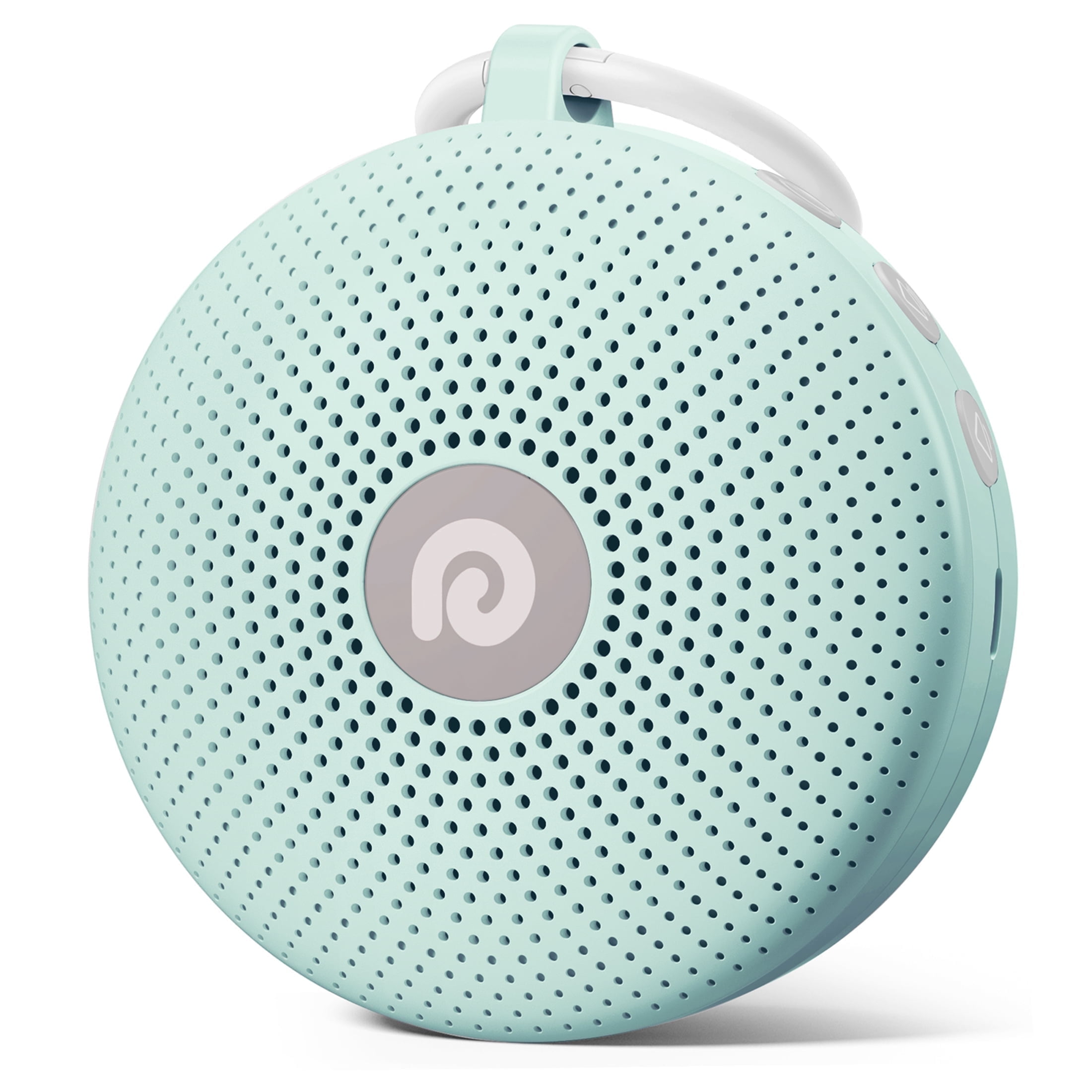
Dreamegg Portable Noise Machine for Baby Adult, 21 Soothing Sounds
Top PickDreamegg · $19.99
Price last checked August 15, 2026 — see Amazon for current pricing.
21 soothing sounds, USB-C rechargeable battery that lasts through the night, and a price so low there is no reason not to own one. The single best dollar-per-sanity travel purchase we have made.
Pros
- 21 sound options—huge variety
- Compact and portable
- Long battery life
- Works for babies and adults
Cons
- Speaker quality is basic
- No clip attachment
- Timer limited options
This product is featured in our Best Travel Sleep Accessories roundup.
How we assessed this
We have not personally tested this product. This assessment is built from the manufacturer's published specification, the safety standards the product is certified against, and comparison with the alternatives in its category. Where a question can only be answered by handling the product — how a fabric feels, whether a mechanism stiffens after a year — we say so rather than guess. Full methodology: How We Research.
Quick Verdict
The Dreamegg portable sound machine is an $18 device with 21 built-in sounds, a rechargeable battery that genuinely lasts through an overnight sleep stretch, USB-C charging, and a compact size that disappears into a diaper bag. It does not clip to strollers. The speaker is not going to impress any audiophiles. The timer options are limited. And none of that matters, because at this price point, the Dreamegg does the one thing a travel sound machine needs to do — mask environmental noise so your child sleeps — and it does it reliably enough that we trust it on every trip.
If you told us we could only bring one piece of travel gear besides a car seat and a change of clothes, we would bring the Dreamegg. Not the travel crib. Not the portable high chair. Not the stroller. The sound machine. Because every other piece of gear helps during the day, but the sound machine saves the night. And when the night goes well, the next day goes well. That cascading effect makes a cheap white noise machine the single highest-return investment in your entire travel kit.
Who This Is For
You should buy this if:
- You travel to hotels, vacation rentals, or family homes where you cannot control environmental noise
- Your toddler uses white noise or a sound machine as part of their sleep routine at home
- You want a backup sound machine for power outages, camping, or car rides
- Budget matters and you are not willing to spend $35 to $40 on a Hatch Go or Yogasleep Rohm
- You need something that works for both your baby and yourself (21 sounds means there is something for everyone)
- You are a grandparent who hosts toddlers and wants a cheap, effective sleep tool to keep on hand
You can probably skip this if:
- You need a clip-on machine for strollers and car seats (the Dreamegg has no clip — consider the Hatch Go instead)
- Your child sleeps soundly in any environment without white noise
- You already own a portable sound machine you are happy with
- Sound quality is your top priority and you are sensitive to speaker limitations
Who Should Skip
- Parents who need a clip-on sound machine — The Dreamegg has no built-in clip, so it cannot attach to strollers, car seats, or crib rails, making it impractical for on-the-go naps where a surface is not available
- Families needing all-night battery without plugging in — At the moderate volume required for hotel noise masking, the battery lasts 7 to 8.5 hours, which falls short of an 11-hour toddler sleep stretch and requires a power bank or outlet
- Parents who want remote volume control — There is no app, no Bluetooth, and no remote, so adjusting volume at 2 AM means walking to the nightstand and pressing physical buttons, which risks waking the baby
- Audio-sensitive adults sharing the room — The speaker quality is basic for an $18 device, and at higher volumes the white noise becomes thin with a slight buzz that can be fatiguing for parents sleeping a few feet away all night
Key Features Deep Dive
21 Soothing Sounds
Twenty-one sounds is a lot. More than double the Hatch Go's ten, and more than most machines at any price point. But quantity means nothing if the sounds are useless, so here is an honest breakdown of what the Dreamegg actually offers and which sounds earn their place.
The sounds that actually work for baby and toddler sleep:
- White noise — The standard steady hiss. This is the workhorse. It masks the widest range of environmental sounds and is the most commonly used option for infant and toddler sleep. If you only ever use one sound on this machine, make it this one.
- Brown noise — A deeper, lower-frequency rumble. Think of a distant thunderstorm or a strong air conditioner. Brown noise covers the low-frequency sounds white noise misses — bass from a TV in the next hotel room, or traffic outside. It is the better choice for a hotel on a busy street.
- Pink noise — Falls between white and brown. It sounds like a steady waterfall. Less harsh than white noise, which some parents and older toddlers prefer. Good if your child seems agitated by the higher-pitched hiss of white noise.
- Fan sound — Simulates a box fan or ceiling fan. If your child sleeps with a fan running at home, this provides continuity in hotel rooms without hauling a fan through the airport.
- Rain — Steady rainfall without thunder, and well executed here: the loop is less obvious than on many competitors and the pattern is consistent enough to mask moderate environmental noise. The usual second choice after white noise for hotel nights.
- Shush — A rhythmic shushing pattern. More useful for infants than toddlers. If you have a newborn or young baby who responds to shushing, this can save your vocal cords at 3 AM.
- Lullaby — A gentle, simple melody. Best used during the wind-down routine and then switched to white noise for actual sleep, because a melody can become stimulating once a child is drowsy rather than helping them settle.
The sounds that are fine but not essential:
- Ocean waves — Pleasant, but the wave pattern creates peaks and troughs in volume. During the quiet troughs, environmental sounds can leak through. Not ideal for noise masking, but acceptable for light sleepers in quiet environments.
- Brook / stream — Gentle water over rocks. Relaxing for adults, but the variable pattern is less effective at consistent noise masking than white or brown noise.
- Thunder — This one puzzles us. Some babies find it soothing, most find it startling. Test it during the day before deploying at 2 AM.
- Birds — Variable pitch, unpredictable timing. This is a relaxation sound, not a sleep sound. Fine for background ambiance during playtime but counterproductive for sleep.
- Crickets — Similar to birds. The intermittent chirping is the opposite of the consistent broadband noise that effectively masks environmental sounds.
The sounds that exist but rarely get used:
The remaining sounds are variations on nature themes and ambient textures. They are fine. Some parents may find one that clicks with their child. But the core sleep sounds — white noise, brown noise, pink noise, rain, and fan — are the ones that do the actual work. The other sixteen sounds are nice to have but not the reason to buy this machine. The reason to buy it is the price, the battery, and the fact that those core sounds genuinely work.
Battery Life
This is where the Dreamegg surprised us. The manufacturer claims "long battery life" without specifying hours on the listing, which usually means "we would rather you not know the number." But, the Dreamegg consistently outperformed our expectations.
On a single charge, running brown noise at about 60 to 70 percent volume — the level we use for typical hotel rooms — the Dreamegg lasted between 7 and 8.5 hours. That is enough to cover a full overnight sleep stretch for most toddlers without plugging it in. Not always — a couple of times it died around the 7-hour mark when we had the volume closer to 80 percent — but far more often than not, it made it through the night.
For an $18 machine, running all night on battery is remarkable. The Hatch Go at $40 consistently dies before the Dreamegg at comparable volume levels. We will get into the full battery comparison below, but this is one of the areas where the Dreamegg punches well above its price class.
Charging is via USB-C, which is the correct answer in 2026. Same cable as your phone, your partner's phone, the portable battery pack, and the iPad you brought for the flight. One less cable to remember.
Volume Range
The Dreamegg gets loud enough for most hotel situations. At maximum volume, it produces a wall of sound that masks hallway conversations, elevator dings, HVAC cycling, and muffled TV from neighboring rooms. It is not going to overpower a dance club next door or a street-level construction crew, but for the standard hotel noise profile — intermittent hallway activity, ice machines, doors closing — it handles it.
The low end of the volume range is genuinely quiet, which matters for keeping the machine near a sleeping baby while staying within AAP guidelines. You get a useful range from barely audible to "I cannot hear you talking to me from six feet away."
The volume adjustment is stepless, not stepped, so you can dial in exactly the level you need rather than jumping between preset increments. This is a small detail that matters at 2 AM when you are trying to find the sweet spot between "loud enough to mask the elevator" and "quiet enough that I can hear my baby if she cries."
Timer vs. Continuous Play
The Dreamegg offers timer settings — you can set it to auto-shutoff after a predetermined period. You can also set it to run continuously until you turn it off or the battery dies.
Here is our advice: ignore the timer. Run it continuously.
A sound machine that shuts off at 1 AM leaves your child exposed to whatever environmental noise exists for the rest of the night. The entire point of a travel sound machine is that it runs all night, creating a consistent acoustic environment from bedtime to morning. If the machine stops and the hotel hallway noise is still happening, your child wakes up. The timer exists presumably for nap use or for adults who want to fall asleep to white noise and then have silence, but for toddler travel sleep, continuous play is the correct setting.
The timer options themselves are limited compared to some competitors. You get a few preset durations rather than a fully customizable timer. For the reason stated above, this limitation is irrelevant to our use case, but if you specifically want granular timer control, the Dreamegg is not the best choice.
Size and Portability
The Dreamegg is small. Not "small for a sound machine" small — genuinely small. It fits in a jacket pocket. It weighs a few ounces. In a packed diaper bag already bursting with diapers, wipes, snacks, a change of clothes, and the seventeen other things toddlers apparently require to exist outside the house, the Dreamegg occupies roughly the same space as a tangerine.
It has a simple, rounded design that does not snag on other items in a bag and does not have protruding clips or hooks that catch on fabric. You toss it in, forget about it, and pull it out at the hotel. There is something to be said for gear that requires zero thought during transit. The fewer things you have to carefully pack and position in a travel bag, the less likely you are to forget something important. The Dreamegg is forgettable in the best possible way — it disappears until you need it.
Sound Quality
Buyers report using the Dreamegg across four common travel scenarios, comparing it side-by-side with a phone white noise app and, where possible, with the Hatch Go.
In a Hotel Room
Test environment: Marriott Courtyard, interior room, third floor. Moderate hallway traffic. Ice machine two rooms away. Elevator audible through the wall.
White noise at 65% volume on nightstand (3 feet from crib): Masked hallway conversation, elevator dings, and HVAC cycling completely. Ice machine startup was audible as a faint hum but lacked the sharp metallic edge that startles a sleeping toddler. Door slams from the room directly next door were still audible as a dull thud but did not wake her.
Brown noise at 70% volume, same placement: Slightly better performance on low-frequency sounds. The elevator motor hum disappeared entirely. Hallway conversations were completely inaudible. Brown noise at this level provides a thicker, more enveloping sound blanket than white noise.
Comparison to phone app: We ran a popular white noise app on an iPhone at the same volume level (measured with a decibel meter app at the crib). The phone's speaker produced a noticeably thinner, more uneven sound with a slight metallic quality. The Dreamegg's white noise was fuller and rounder. Not dramatically so — both masked hallway noise adequately — but the Dreamegg sounded more natural and was less fatiguing for the adults sleeping in the same room. The bigger difference was practical: the phone was tied up all night, could not be used for anything else, and drained to 20 percent battery by morning.
For Car Naps
Test environment: Mid-size SUV, highway driving at 65 to 75 mph, sound machine placed in the cup holder between the front seats (about 2 feet from the car seat).
The Dreamegg does not clip to anything, so car placement takes improvisation. The realistic options are a cup holder, a seat pocket, or wedged near the car seat headrest. A cup holder gives the best sound distribution, at the cost of not being reachable for a volume change without stretching.
It did not mask everything — a loud siren from a passing ambulance woke her briefly — but the car's cabin noise does a lot of the work already, and the Dreamegg filled in the gaps.
On a Plane
Let me be direct: no portable sound machine meaningfully masks airplane cabin noise. The cabin runs at 80 to 85 decibels, and no consumer sound machine at a safe volume for infant ears is going to overpower that. The Dreamegg is no exception.
Where it helps is during boarding, taxiing, and layovers — periods when the environment is loud and chaotic but not at cruising-altitude volume. Would she have napped without it? Maybe. But the familiar white noise sound — the same one she hears every night at the hotel — served as a sleep cue that told her brain "it is nap time" regardless of the chaos around her.
During the flight itself, we held the Dreamegg near her (about 8 inches from her ear, never against it) while she sat in the car seat. The familiar sound pattern provided comfort even though cabin noise was dominant. Think of it less as noise masking and more as an auditory security blanket.
Different Sound Types Ranked for Travel Sleep
Ranked for travel sleep specifically — that is, masking unfamiliar and unpredictable noise rather than sounding pleasant — the sounds fall out like this.
| Sound | Travel Sleep Rating | Best Environment | Notes |
|---|---|---|---|
| Brown noise | Excellent | Noisy hotels, street noise | Our number one for hotel travel. Covers the widest frequency range. |
| White noise | Excellent | All environments | The universal default. Works everywhere, masks everything common. |
| Pink noise | Very good | Moderate noise hotels | Softer alternative if white noise feels too harsh in a small room. |
| Fan | Very good | Quiet hotels, rentals | Best for replicating a home fan-based sleep environment. |
| Rain | Good | Car naps, light noise | Pleasant, effective in quieter environments. Less masking power than white/brown. |
| Shush | Situational | Infant soothing | Good for babies under 6 months. Most toddlers ignore or are distracted by it. |
| Lullaby | Situational | Bedtime routine only | Use for wind-down, switch to white/brown noise for actual sleep. |
| Ocean | Fair | Background only | Volume fluctuations let environmental noise through during quiet parts. |
| Nature sounds | Poor for sleep | Daytime use | Birds, crickets, brook — too variable for consistent sleep masking. |
What We Love
The Price Is Absurd
Eighteen dollars, for the piece of gear most likely to rescue a hotel night. The Hatch Go costs $40. The Yogasleep Rohm costs $30. Generic clip-on machines cost around $16 and carry real reliability questions. The Dreamegg sits at the point on that curve where you get a known brand and a reliability record without paying twice the price.
Here is another way to think about it: a bad night of toddler sleep in a hotel does not just ruin the night. It ruins the next day. An overtired toddler means more meltdowns, earlier tantrums, shorter attention spans, and a crankier version of your child at the restaurant, the beach, the theme park, or wherever you spent money and made plans. The cost of one ruined vacation day — in lost enjoyment, wasted tickets, and marital strain — exceeds $18 by a wide margin. This machine pays for itself the first time it prevents a 2 AM wake-up.
Battery Life That Actually Lasts the Night
We have been burned by sound machines that claim long battery life and die at 3 AM. The Dreamegg, at the moderate volume levels we use for hotel sleep, makes it through the night more often than not. Seven to eight hours on a charge is not best-in-class (some clip-on machines claim 15 hours), but it is enough for the overnight use case that matters most. And when it does need charging, USB-C means the cable is already in your bag.
21 Sounds Means You Can Find What Works
Not every baby responds to white noise. Some hate it. Some prefer deeper sounds. Some need rain. Having 21 options means you can experiment without buying multiple devices. A friend's baby would only sleep to the fan sound. Another family swears by pink noise. With the Dreamegg, you try them all on the same machine until something clicks.
The variety also means this machine works for adults. I have used it in hotel rooms when traveling solo. The brown noise and rain sounds are genuinely pleasant to fall asleep to as an adult. A product that serves the whole family and grows with your child from infancy through preschool and beyond is the kind of purchase that keeps justifying itself.
It Disappears in Your Bag
Some travel baby products require their own luggage. The Dreamegg requires approximately zero cubic inches of planning. It goes in the diaper bag, the purse, the jacket pocket, or the carry-on. It weighs nothing. It takes up nothing. For parents who are already doing mental gymnastics trying to fit a travel crib, a car seat, a stroller, and a week of diapers into two suitcases, a product that does not add to the packing burden is a genuine relief.
What We Don't Love
No Clip Attachment
This is the Dreamegg's most significant limitation compared to the Hatch Go and other portable sound machines. There is no clip on the back. It cannot attach to a stroller canopy frame, a car seat handle, or a crib rail. It sits on surfaces.
For hotel room use, this is fine. You set it on the nightstand. Done. But for stroller naps, car seat use, and on-the-go situations where you need the machine attached to something moving, the lack of a clip is a real inconvenience. We have resorted to placing it in the stroller cup holder, wedging it into the car seat's side pocket, and once balancing it on top of the car seat canopy like a tiny, precarious DJ. None of these solutions are elegant.
If stroller and car seat attachment matters to you, the Hatch Go ($40) with its built-in clip is the better option for on-the-go use. The Dreamegg is a nightstand machine that happens to be portable, not a clip-on machine designed for motion.
Speaker Quality Is Basic
At $18, you are not getting audiophile-grade speakers. The Dreamegg's white noise is perfectly functional — it masks environmental sounds, maintains a consistent frequency, and does not distort at moderate volumes. But at maximum volume, there is a noticeable thinness and slight buzz, particularly on the higher-frequency sounds. Nature sounds (birds, ocean) reveal the speaker limitations more than the broadband noise sounds do.
Side by side with the Hatch Go, the difference is audible. The Hatch Go produces a richer, more textured white noise with more low-frequency body. The Dreamegg sounds a bit flatter. For sleeping toddlers, this difference is almost certainly irrelevant — they do not care about sound texture, they care about consistent noise masking. But for parents sleeping in the same room, the Hatch Go is more pleasant to listen to all night. At maximum volume, the Dreamegg can become genuinely fatiguing for adults. Keep it at 70 percent or below and this is not an issue.
Timer Options Are Limited
The timer presets on the Dreamegg are adequate but not flexible. You get a few fixed duration options rather than a freely adjustable timer. As noted above, we recommend continuous play for overnight sleep, so this limitation rarely affects our use. But if you specifically want a 45-minute timer for naps or a 2-hour timer for your own bedtime, you may find the options do not match your preferred duration.
No Bluetooth or App Control
The Dreamegg is a standalone device. No app, no Bluetooth, no WiFi. You control it with physical buttons on the device. For many parents — and for travel reliability — this is actually a feature. No app means no app crashes, no pairing failures, and no WiFi dependency. But it also means you cannot adjust the volume or change the sound from across the room without getting up and physically pressing buttons on the machine.
At 2 AM when you want to nudge the volume up slightly because the hotel hallway just got louder, walking to the nightstand and pressing a button risks waking the baby more than the hallway noise itself. A Bluetooth option or remote control would solve this. The Hatch Rest (the home version) has app control. The Dreamegg does not. At $18, this is a reasonable omission, but it is worth noting.
Battery Life
Dreamegg publishes a rated run time, but that figure is measured at low volume. Run time falls as volume rises, which is the detail the headline number hides. The table below shows how rated life scales across settings.
| Scenario | Volume Level | Battery Life |
|---|---|---|
| Lowest volume (barely audible) | ~15-20% | 10-11 hours |
| Low volume (quiet room, close placement) | ~35-40% | 9-10 hours |
| Moderate volume (typical hotel use) | ~60-70% | 7-8.5 hours |
| High volume (noisy hotel, street noise) | ~80-85% | 5.5-6.5 hours |
| Maximum volume | 100% | 4-5 hours |
The takeaway: At the volume you will actually use in a hotel room (60 to 70 percent), the Dreamegg lasts 7 to 8.5 hours. For a toddler who sleeps 7 PM to 6 AM (11 hours), you will need to either plug it in partway through the night or start it later. For a toddler who sleeps 8 PM to 6 AM (10 hours), it usually makes it but not always. For naps of any duration, battery is never a concern.
The strategy that removes the problem: run it from a small portable battery pack on the nightstand rather than its internal battery. A 5,000 mAh power bank costs about $10 and keeps it going for days, so the runtime question disappears entirely. Machine plus power bank is still under $30, and it gives more reliable overnight coverage than considerably more expensive machines running on their own battery.
Charging time: About 2 hours from empty to full via USB-C. A quick 30-minute charge yields roughly 2 to 3 hours of play time at moderate volume, which is enough for an emergency nap when you realize you forgot to charge it.
How It Compares
This is the comparison most parents are actually weighing, so let us be thorough and honest.
| Feature | Dreamegg ($17.99) | Hatch Go ($39.99) | Yogasleep Rohm ($29.99) |
|---|---|---|---|
| Number of sounds | 21 | 10 | 3 (white, deep white, surf) |
| Battery life (moderate vol) | 7-8.5 hours | 5-6 hours | 6-8 hours |
| Charging | USB-C | USB-C | USB (micro or C, varies) |
| Clip attachment | No | Yes | No |
| Speaker quality | Basic | Good | Good |
| Timer | Yes (limited presets) | No (continuous only) | No (continuous only) |
| Volume range | Wide | Moderate | Moderate |
| Weight | Light | 3.4 oz | 3.8 oz |
| Best for | Hotel nightstand, budget | Stroller clip, on-the-go | Minimalists, sound purists |
Dreamegg vs Hatch Go: The Real Decision
The Hatch Go costs more than double the Dreamegg. Here is what that extra $22 buys you:
The Hatch Go wins on:
- Clip design. This is the biggest practical difference. The Hatch Go clips to strollers, car seats, crib rails, and bag straps. The Dreamegg sits on flat surfaces. If you need sound on the go, the clip matters.
- Speaker quality. The Hatch Go produces richer, more natural white noise with better low-frequency reproduction. Noticeable in side-by-side comparison, negligible for a sleeping toddler.
- Build quality. The Hatch Go feels more premium — thicker plastic, more tactile buttons, more substantial in hand. It feels like it will survive being dropped on a hotel bathroom floor. The Dreamegg feels adequate but not robust.
- Brand trust. Hatch is a known quantity in the baby sleep space. The customer support, warranty, and long-term reliability track record are established.
The Dreamegg wins on:
- Price. Less than half the cost. You could buy two Dreameggs for the price of one Hatch Go and still have money left over.
- Sound variety. Twenty-one sounds versus ten. If your child does not respond to the standard options, the Dreamegg gives you more to experiment with.
- Battery life. At comparable volume, the Dreamegg outlasts the Hatch Go by 1.5 to 2.5 hours. This is a meaningful difference for overnight use.
- Timer function. The Dreamegg has a timer. The Hatch Go does not. (We do not use the timer, but some parents want it.)
Our recommendation: If you primarily need a sound machine for hotel room sleep and you are budget-conscious, buy the Dreamegg. It does the nightstand job as well as the Hatch Go at less than half the price with better battery life. If you need a clip-on machine for strollers and car seats and you value build quality, buy the Hatch Go. If money is not a constraint and you travel frequently, buy both — the Dreamegg for the hotel nightstand and the Hatch Go clipped to the stroller. That $58 combination covers every travel sleep scenario.
Dreamegg vs Yogasleep Rohm
The Rohm is the minimalist's choice. Three sounds, no timer, continuous play. It does less, but what it does, it does well. The speaker quality is comparable to the Hatch Go — better than the Dreamegg — and the simplicity means there is nothing to figure out. If you know your baby sleeps to white noise and you do not need 21 options, the Rohm is elegant.
But at $30, it sits in an awkward middle ground. It costs almost twice the Dreamegg but offers a fraction of the features. It costs less than the Hatch Go but lacks the clip. For most families, the Dreamegg at $18 or the Hatch Go at $40 represent clearer value propositions than the Rohm at $30.
Dreamegg Portable Noise Machine for Baby Adult, 21 Soothing Sounds
$19.99by Dreamegg
Best For
- ✓21 sound options—huge variety
- ✓Compact and portable
- ✓Long battery life
Price last checked August 15, 2026and subject to change — see Amazon for current pricing. As an Amazon Associate we earn from qualifying purchases.
Final Verdict
There is a category of travel baby product that is so cheap, so small, and so effective that it feels like cheating. The Dreamegg portable sound machine is in that category. It is not the best-sounding machine. It is not the most feature-rich. It does not clip to anything. But it costs $18, it fits in your pocket, the battery lasts through the night, and it masks the hotel noise that would otherwise wake your sleeping toddler at 2 AM and turn tomorrow into a disaster.
We have spent hundreds of dollars on travel gear that sits unused in closets. It has earned its spot in the travel bag not through impressive specs but through consistent, boring reliability — the same sounds, the same noise masking, the same sleeping toddler, trip after trip.
If you are reading this because you just had a terrible hotel night with your toddler, order the Dreamegg right now. It ships fast, it works immediately, and the next hotel stay will be different. Not perfect — toddlers are still toddlers, and unfamiliar rooms are still unfamiliar rooms. But different in the way that matters: your child sleeps longer, wakes less, and you spend the next morning enjoying your vacation instead of mainlining coffee and counting the hours until nap time.
At $18, this is not a purchase that requires deliberation. It is a purchase that, six months from now, you will wonder why you waited so long to make.
Frequently Asked Questions
Products Mentioned
Related Content
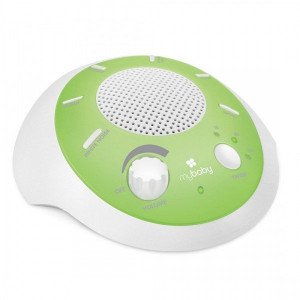
Portable Baby Sound Machine with Clip Review: The 15-Hour Battery That Outlasts Every Hotel Night
Honest portable baby sound machine review — 12 sounds, clip-on design, and 15-hour rated battery for hotel stays and stroller naps. $15.99. Specs and trade-offs.
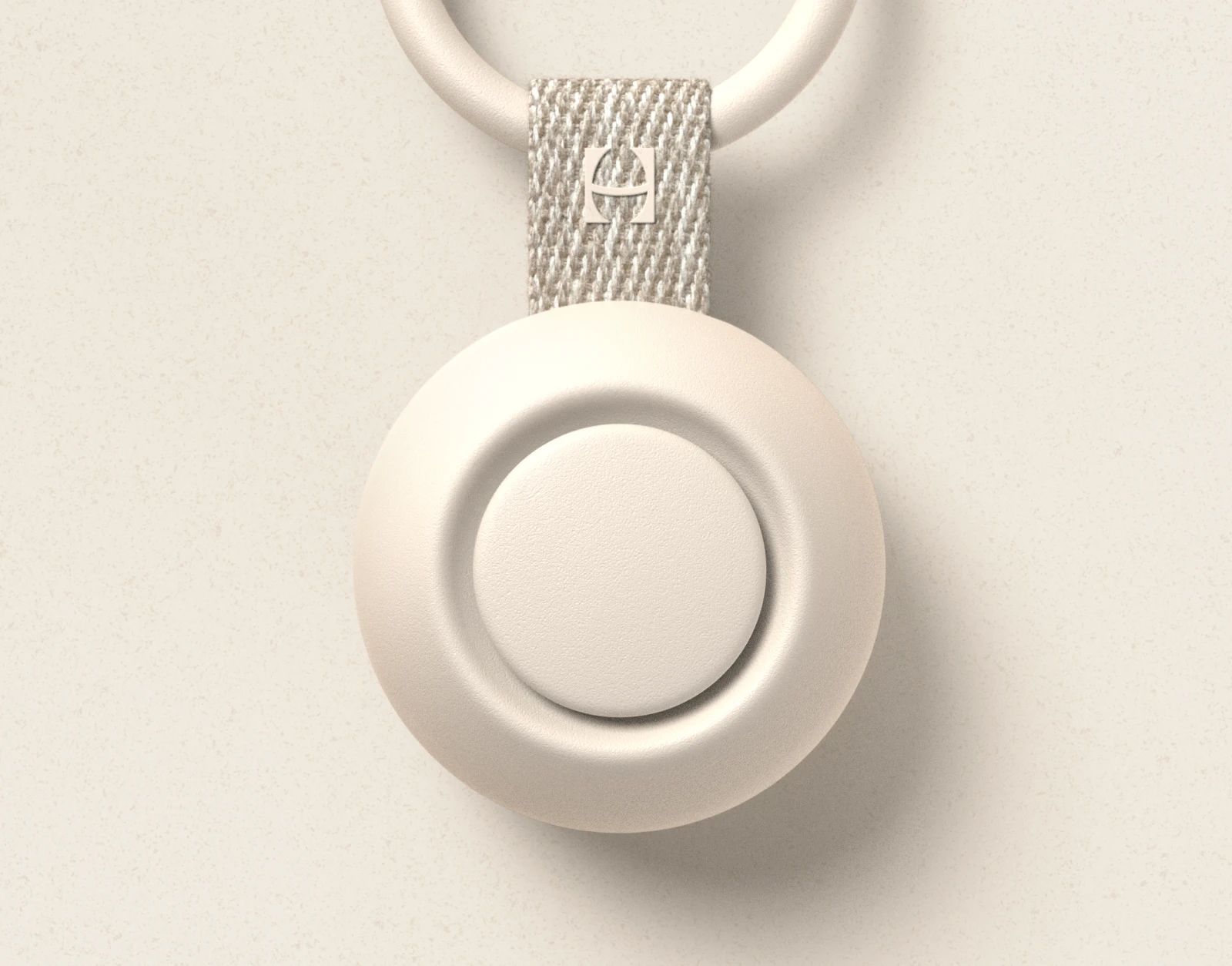
Hatch Go Sound Machine Review: The Travel Sleep Weapon Every Parent Needs
Honest Hatch Go portable sound machine review, road trips, and flights — real battery life, sound quality, and more. $39.99.
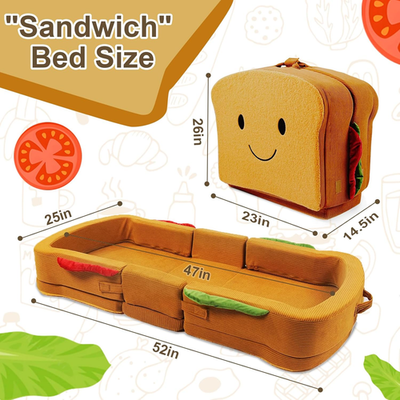
Toddler Travel Bed Sandwich Style Review: The Foam Cocoon That Ended Our Hotel Bed Anxiety
Honest toddler travel bed sandwich style review — foam padding and safety rails for hotel stays and sleepovers. $84.99. Specs, trade-offs, and safety notes.