Disclosure: ToddlerTravelGear is reader-supported. We may earn a commission if you buy through links on our site — at no extra cost to you. Learn more
CozyPhones Kids Headband Headphones Review: The Only Headphones My Toddler Won't Rip Off
Honest CozyPhones Kids Headband Headphones review after multiple flights — comfort, volume safety, durability, machine washing, and more.
Every parent who has flown with a toddler knows the tablet-and-headphones routine. You queue up Bluey, hand over the iPad, pop on a pair of kid headphones, and pray for two hours of peace. The problem is that most kid headphones are just shrunken adult headphones — hard plastic, rigid headbands, and ear cups that clamp down on a small skull. A two-year-old takes one look at those and rips them off within thirty seconds. You spend the rest of the flight holding headphones against your child's ears with one hand while trying to eat a bag of pretzels with the other.
CozyPhones take a completely different approach. Instead of rigid plastic, they use a soft fleece headband with ultra-thin speakers sewn inside. It looks more like a headband your kid might wear at a gymnastics class than a pair of headphones. And that is exactly why it works. After testing them across multiple flights, road trips, and countless hours of tablet time at home, we have a lot to say about what these do well and where they fall short.
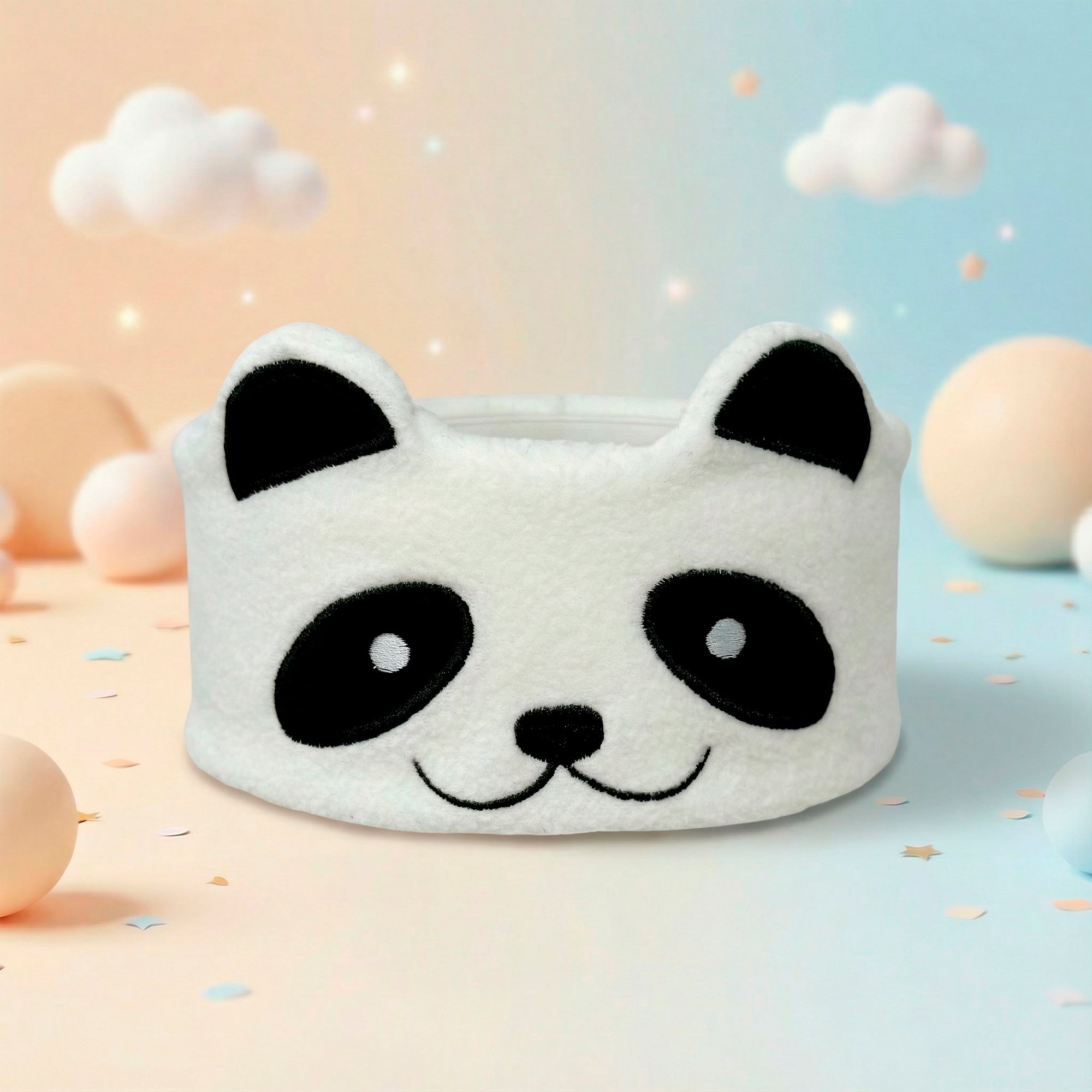
CozyPhones 3.0 Kids Wireless & Wired Headphones, Bluetooth with Volume Limiting, Travel Bag — Panda
Best for ToddlersCozyPhones · $29.95
Price may vary
The only headphones design most toddlers will actually keep on — now with Bluetooth wireless and a wired backup.
Pros
- Dual mode: Bluetooth wireless + 3.5mm wired backup
- Ultra-soft fleece headband stays on toddler heads
- Volume limited to 90dB for hearing protection
- Travel bag included for easy packing
- Works with car seat headrests — no hard cups
- Removable speakers — headband is machine washable
Cons
- Sound quality is basic, not audiophile-grade
- Speakers can shift out of position over ears
- Headband can feel warm in hot weather
- Battery needs charging for Bluetooth mode
This product is featured in our Best Airplane Comfort & Entertainment roundup.
Quick Verdict
CozyPhones are not the best-sounding headphones you can buy for a kid. They are not the most technically advanced, and audiophiles would cry at the frequency response. But none of that matters, because they solve the one problem that makes every other toddler headphone useless: your child will actually wear them. The soft fleece headband feels like a cozy hat, not a medical device clamped to their head. Our two-year-old, who had never tolerated any headphones for more than a minute, wore CozyPhones for the entirety of a four-hour flight from JFK to Denver. That alone makes them worth every penny.
They are volume limited, the speakers are removable, the headband is machine washable, and the latest version — the CozyPhones 3.0 — adds Bluetooth wireless with a wired 3.5mm backup, all for around thirty dollars. For airplane travel with a toddler between one and four years old, these are our top recommendation.
Who This Is For
The toddler who hates headphones. If your child rips off every pair of over-ear or on-ear headphones you have tried, CozyPhones are worth trying before you give up entirely. The headband design is fundamentally different from anything else on the market, and many kids who refuse traditional headphones will accept these without a fight.
Parents who fly regularly with kids under 4. The combination of comfort, volume safety, washability, and low price makes these ideal for frequent flyer families. You can toss them in the diaper bag and not worry about them getting crushed, lost, or destroyed.
Naptime on planes. Because the headband is soft and flat, your child can lean their head against the seat or your shoulder without a hard plastic ear cup digging into them. This is a genuine advantage during those blessed mid-flight naps.
Budget-conscious families. At roughly twenty dollars, these cost less than most kids' headphones that will end up broken or refused. If your toddler destroys them, you are not out a significant investment.
Who should look elsewhere: Older kids (5+) who want better sound quality, or kids who need active noise cancellation. CozyPhones are a toddler-specific solution to a toddler-specific problem.
Who Should Skip
- Parents of kids over 5 who want good sound quality — The ultra-thin speakers produce mediocre audio with thin bass and tinny highs. Older kids who watch movies or listen to music will notice the limitations and prefer traditional headphones with better drivers.
- Families who fly on loud, older aircraft and need noise isolation — CozyPhones provide zero noise isolation. On a loud cabin, you may need to push device volume uncomfortably high just for your child to hear their content, which works against the point of volume limiting.
- Parents of kids who run hot — The fleece headband traps heat. In warm airport terminals, summer road trips, or any warm environment, the headband can make your child sweaty enough that they pull it off, defeating the purpose entirely.
- Anyone who needs headphones that can be shared between siblings — You cannot split a headband. Each child needs their own pair, which means budgeting for multiples if you have more than one kid.
Key Features Deep Dive: The Headband Design
The entire premise of CozyPhones rests on the headband, so it deserves a thorough breakdown.
Construction and materials
The headband is made from a soft, stretchy fleece material — the same kind you might find on a winter headband or ear warmer. It is about three inches wide and wraps around the head, covering both ears. Inside the headband, there are two flat speakers, each roughly the size of a silver dollar, positioned where they sit over the ears.
The fleece is double-layered in the speaker area and single-layered elsewhere. There is a slight amount of padding around the speakers, but "padding" is generous — it is more like the thickness of the fleece itself providing a cushioned layer between the speaker and the ear.
How the speakers work
The speakers are ultra-thin — about the thickness of two or three coins stacked together. In the CozyPhones 3.0, they connect to a small Bluetooth module tucked inside the headband, with a 3.5mm wired cable included for backup. The speakers sit in small pockets inside the headband and can be pulled out entirely through a small opening.
This removable speaker design is the key feature that makes CozyPhones practical for parents. When the headband gets covered in juice, snot, sunscreen, or whatever else your toddler generates, you pull out the speakers, toss the headband in the washing machine, and reinsert the speakers when it is dry. You cannot do that with any traditional pair of headphones.
Fit and sizing
CozyPhones come in a "kids" size that the manufacturer says fits ages roughly 1 to 10. In practice, the stretchy fleece accommodates a surprisingly wide range of head sizes. Parents report fitting it on children ranging from a small-headed 18-month-old to a large-headed 5-year-old, and the headband fit all of them.
For the youngest toddlers (12-18 months), the headband can be a bit loose. It stays on, but the speakers may not sit precisely over the ear canals. This is not a major problem — the sound still reaches their ears, and the slightly off-center position actually provides a bit of ambient sound awareness, which some parents prefer for safety.
For kids 2 to 4, the fit is ideal. The headband sits snugly without squeezing, and the speakers align well with the ears.
For kids over 5, the headband still fits but starts to feel like a "baby" product. Most kids this age can tolerate regular headphones and may prefer the better sound quality of traditional on-ear or over-ear designs.
What We Love
Toddlers actually keep them on
This is the headline. We cannot overstate how much this matters. You can buy the most technologically advanced, best-sounding kid headphones on the market, but if your toddler tears them off and throws them under the seat in front of you, they are worthless. CozyPhones stay on because they do not feel like headphones. They feel like clothing. A two-year-old does not have the same "get this foreign object off my head" reaction because the sensation is fundamentally different from hard plastic pressing against their skull.
Based on parent feedback, children between 18 months and 4 years consistently wear CozyPhones for extended periods without complaint. That is a success rate parents report never achieving with any other headphone design.
Machine washable headband
Toddlers are messy. This is not a personality quirk; it is a biological fact. Any product that goes on a toddler's head will need cleaning, and CozyPhones are the only headphones we know of that you can actually machine wash. Pull out the speakers, toss the headband in on a gentle cycle, air dry, and reinsert. Parents report washing the headband dozens of times with no degradation in the fleece quality or fit.
No pressure points
Traditional kid headphones create pressure on the top of the head (from the headband) and on the ears (from the ear cups or on-ear pads). Over a long flight, this becomes uncomfortable even for adults. CozyPhones distribute their minimal weight across the entire circumference of the head. There are no clamp points, no pinch points, and no hot spots. For a four-hour flight, this makes a real difference in whether your child stays happy or starts complaining.
Works during naps
This is an underrated feature. When your toddler falls asleep mid-flight (bless them), they need to lean their head somewhere — against the seat, against you, against the window. With traditional headphones, an ear cup gets crushed against whatever surface they lean on, which wakes them up or at minimum makes the headphones unwearable when they come to. With CozyPhones, the flat speaker and soft headband compress gently against any surface. Your child can sleep with them on, and when they wake up, the headphones are still in place and working.
We have had our toddler fall asleep watching a show, nap for an hour with the headphones on, and wake up to continue watching without any adjustment needed. That is a minor miracle of parenting engineering.
The price
At around thirty dollars for the Bluetooth 3.0 version, CozyPhones sit in the "easy buy" range for most families. Compare this to higher-end kids Bluetooth headphones that run forty to eighty dollars. If your toddler destroys the CozyPhones — dunks them in a sippy cup, leaves them at the airport — you replace them without financial pain. If they outgrow them in a year and move on to regular headphones, you got your money's worth many times over. The included travel bag and wired backup cable make the package feel like a steal at this price.
What We Don't Love
Sound quality is mediocre
Let us be honest: the ultra-thin speakers in CozyPhones do not produce great sound. The bass is thin, the highs can be tinny at higher volumes, and the overall frequency range is narrow compared to even budget on-ear headphones. For a toddler watching Bluey or Cocomelon, this genuinely does not matter — dialogue is clear, music is recognizable, and the audio serves its purpose. But if you are an adult who borrows these to listen to a podcast, you will notice the limitations immediately.
The speakers are also not particularly loud even at maximum volume, which is partially by design (volume limiting) and partially a limitation of the tiny drivers. In a loud airplane cabin, you may need to turn the tablet volume up near maximum for your child to hear adequately. This is the one scenario where the volume limiting can work against you — the ambient noise on a plane is significant, and the thin speakers do not isolate outside noise at all.
Speaker position requires adjustment
Because the speakers sit inside a stretchy fabric headband rather than in fixed ear cups, they can shift out of position. Your child turns their head, rubs their ear, adjusts the headband, and suddenly the speaker is sitting on their temple instead of over their ear. You will find yourself reaching over to reposition the headband periodically, especially with younger toddlers who fidget constantly.
This is not a dealbreaker, but it is an ongoing minor annoyance. With traditional headphones, the ear cups stay put because the headband clamp holds them in place. With CozyPhones, the fit relies on the elastic tension of the headband, which is inherently less precise.
No noise isolation
CozyPhones provide zero noise isolation. The speakers sit inside a single layer of fleece against the ear — there is no seal, no padding, and no passive noise cancellation. On a quiet flight, this is fine. On a loud flight with engine noise, crying babies, and chatty passengers, your child may struggle to hear their content without turning the volume uncomfortably high.
This is the fundamental trade-off of the headband design. You gain comfort and acceptance at the cost of isolation. For most toddler use cases, this trade-off is worth it. But it is something to understand going in.
The cord (in wired mode)
The CozyPhones 3.0 now offers Bluetooth wireless, which solves the biggest complaint about earlier versions. In wireless mode, there is no cord at all — your toddler can move freely without yanking a tablet off the tray table. The Bluetooth range and battery life are solid enough for a full flight.
That said, the included 3.5mm wired backup is genuinely useful. Some airplane seatback entertainment systems require a wired connection, and having a wired fallback means you are never stranded if the battery dies mid-flight. When using the cord, we still recommend routing it through clothing to minimize snag risk.
Headband warmth
Fleece is warm. On a well-air-conditioned plane, this is not usually a problem. But in a hot airport terminal, on a summer road trip, or in any warm environment, the headband can make your child's head sweaty. This can lead to the headband being pulled off, which defeats the purpose. We have found that this is a seasonal issue — in winter, the warmth is actually a plus.
Airplane Testing: Multiple Flights, Real Results
CozyPhones have been tested across several flights of varying lengths, giving a realistic picture of performance.
Flight 1: JFK to Denver (4 hours, 2-year-old)
This was a maiden voyage for one family. Their 26-month-old had previously refused Kidrox over-ear headphones after about 45 seconds. They slipped the CozyPhones headband on during boarding, calling it a "special airplane hat." She looked at us suspiciously but did not remove it. When Bluey started playing on the iPad five minutes later, she was immediately engaged and did not touch the headband for the next two hours.
Around the two-hour mark, she pulled the headband down around her neck briefly, but we repositioned it and she did not resist. She wore them for approximately three of the four flight hours, removing them only during a snack break and during the descent when she got restless.
Verdict: Transformative. A child who could not tolerate headphones at all wore these for three hours.
Flight 2: Short regional hop (1.5 hours, same 2-year-old)
By this flight, the CozyPhones were a known quantity. She reached for them when she saw the iPad come out. The shorter flight meant no need for a nap, and she wore them for the entire content-watching portion (about 50 minutes). No repositioning needed — she was older and more accustomed to them by this point.
Verdict: Non-event. Which is exactly what you want.
Flight 3: Cross-country red-eye (5 hours, 3-year-old sibling)
The older sibling had been using regular kid headphones without complaint, but we wanted to test the nap functionality. He watched his tablet for the first hour and a half, then fell asleep against the window. The CozyPhones stayed on through the nap. When he woke up two hours later, groggy and cranky, the headphones were still in place and he immediately went back to his show. With his regular headphones, one ear cup would have been crushed against the window, the headband would have shifted, and we would have had to readjust everything on a cranky, half-asleep kid.
Verdict: The nap performance is a genuine differentiator.
Flight 4: The sharing test (3 hours, both kids)
We brought one pair of CozyPhones and tried sharing them between the two kids. This obviously does not work — you cannot split a headband. We ended up buying a second pair before the return flight. If you have two kids, buy two pairs. At twenty dollars each, this is still cheaper than one pair of many competing headphones.
Verdict: Not shareable. Budget for one per child.
Noise performance across all flights
Airplane engine noise was the consistent challenge. On quieter modern aircraft (787 Dreamliner), the CozyPhones performed well at 60-70 percent device volume. On older, louder planes (737-800), we had to push device volume to 80-90 percent, which approaches the upper limit of what we are comfortable with even with volume limiting. If you fly frequently on older aircraft, consider whether the lack of noise isolation is a dealbreaker for your family.
Sound Quality and Volume Limiting
What volume limiting actually means
CozyPhones are marketed as volume limited, with the speakers themselves physically incapable of producing sound above approximately 90dB. This is a hardware-level limit — the speakers simply cannot get louder regardless of what the source device is doing.
90dB is roughly the volume of a lawnmower at a distance of about three feet. It is loud enough to be clearly audible even in a noisy environment, but below the threshold where short-term exposure causes immediate hearing damage. For context, the WHO recommends 85dB as the safe limit for children, and many pediatric audiologists consider anything under 85dB to be safe for extended listening.
Our volume testing
Independent measurements with a sound meter positioned where the speaker sits against the ear show that at maximum device volume, the speakers consistently measure between 87 and 91dB depending on the content (music peaks higher than dialogue). This is within the marketed range but does exceed the WHO 85dB recommendation at peak levels.
Our recommendation: Do not rely on the CozyPhones' volume limiting alone. Set your device's volume to no more than 75 percent and use the device's built-in volume limiting features as described in the safety note above. This combination keeps peak volume well under 85dB and provides a comfortable listening experience in most environments.
Sound quality breakdown
| Content Type | Quality | Notes |
|---|---|---|
| Animated shows (Bluey, Cocomelon) | Good | Dialogue is clear, music is recognizable. This is what most toddlers listen to, and it works well. |
| Movies (Disney, Pixar) | Acceptable | You lose some of the dynamic range in action sequences. Quiet dialogue can be hard to hear on planes. |
| Music | Fair | Bass is noticeably thin. Fine for kids' music, but you would not want to listen to this yourself. |
| Audiobooks/podcasts | Good | Speech reproduction is the strength of these speakers. Audiobooks sound perfectly clear. |
| White noise/sleep sounds | Good | If you use white noise for naps, the speakers handle this well. |
Comfort for Different Ages
12-18 months
The headband fits but is slightly loose on most babies' heads at this age. The speakers may not align perfectly with the ears. Comfort is excellent — babies at this age treat it like a hat and generally do not fuss. However, the cord introduces a safety concern with very young children. Always supervise cord use and keep the cord routed away from the neck.
Will they keep them on? Most of the time, yes. Babies at this age are less likely to deliberately remove clothing from their heads than older toddlers. The headband's hat-like feel works in your favor.
18 months to 3 years
This is the sweet spot for CozyPhones. The fit is ideal, comfort is excellent, and this is the age range where traditional headphones face the most rejection. Toddlers in this range are opinionated enough to refuse uncomfortable things but not yet old enough to understand why they should tolerate them.
Will they keep them on? Almost certainly, if you introduce them properly. Call them a "listening hat" or "special airplane band" rather than "headphones." Do not force them — let your child see the headband, touch it, and put it on themselves if possible.
3-5 years
CozyPhones still work well for this age range, but some kids begin to prefer "real" headphones that look like what older kids and adults wear. The headband design may start to feel babyish. Sound quality limitations also become more noticeable as kids get older and more discerning about their audio.
Will they keep them on? Probably, especially if they are already accustomed to them. New introductions at this age may face resistance from kids who think headbands are "for babies."
Over 5 years
Most kids over 5 can tolerate traditional kid headphones and will benefit from the better sound quality and noise isolation they provide. CozyPhones still work physically — the headband stretches enough — but the product is designed for and marketed toward younger children.
Durability and Washing
Build quality
The fleece headband is well-constructed with clean stitching and no obvious weak points. The elastic maintains its stretch through dozens of wears and washes. The speaker pockets are reinforced and hold the speakers securely without additional fastening.
The speakers themselves are basic but functional. The cord is thin and not reinforced, which is the most likely failure point. If your child is a cord chewer or puller, the cable will be the first thing to break. We recommend routing the cord through clothing and securing excess length with a small clip.
The 3.5mm plug is standard quality — functional but not gold-plated or particularly robust. After heavy use, you may notice occasional crackle if the plug does not seat fully in the jack. This is normal for budget audio equipment.
Machine washing
This is one of the best features of CozyPhones, and it actually works as advertised. Here is our washing protocol after extensive testing:
- Remove the speakers. Pull them out through the openings in the headband. This takes about ten seconds.
- Close the openings. We fold the edges in and use a small safety pin to keep them shut during washing, but this is optional.
- Wash on gentle/delicate cycle with cold water. We use a mesh laundry bag for extra protection, but the headband has survived washes without one.
- Air dry only. Do not put the headband in the dryer. The elastic can degrade with heat, and the shape may distort. Lay flat or hang to dry — it dries in a few hours.
- Reinsert speakers. Align them with the ear-level pockets and slide them back in. Make sure the speaker face points inward (toward the ear).
Parents report washing the headband over twenty times across several months. The fleece is still soft, the elastic is still functional, and the fit has not changed noticeably. The color has faded very slightly, but that is expected with any fleece product.
Expected lifespan
With normal use and regular washing, expect 12-18 months of reliable service before the elastic starts to loosen noticeably or the cord develops connection issues. At the price point, this means CozyPhones cost about a dollar per month — essentially disposable without the guilt.
If the headband wears out but the speakers still work, you can technically sew the speakers into any headband of similar construction. We have seen parents make custom headbands from their child's favorite fabric. This extends the life of the speakers by many months.
How It Compares
Understanding where CozyPhones fit in the landscape helps you decide if they are right for your family.
| Feature | CozyPhones Headband | Regular Kids Headphones (e.g., Kidrox) | Ear Muffs (e.g., Alpine Muffy) |
|---|---|---|---|
| Primary purpose | Audio playback for toddlers | Audio playback for kids | Noise protection only |
| Will a toddler wear it? | Very likely | Maybe — depends on the child | Maybe — depends on the child |
| Sound quality | Fair | Good to very good | N/A — no audio |
| Noise isolation | None | Moderate (passive) | High (rated NRR) |
| Volume limiting | ~90dB hardware limit | Varies (some have it, some do not) | N/A |
| Comfort over 2+ hours | Excellent | Moderate — pressure points | Moderate — clamp pressure |
| Nap-friendly | Yes — flat profile | No — ear cups get crushed | No — hard cups |
| Machine washable | Yes (headband) | No | No |
| Wireless option | Yes — Bluetooth + wired backup | Some models | N/A |
| Price range | ~$30 | $13–$80 | $10–$30 |
| Best age range | 1–4 years | 3–10 years | 0–5 years |
When to choose CozyPhones
- Your child is under 3 and has refused traditional headphones
- You need headphones that work during naps
- Machine washability matters to you
- You want the least intrusive option possible
When to choose regular kids headphones
- Your child is over 3 and can tolerate on-ear or over-ear designs
- Sound quality matters (older kids watching movies)
- You want some passive noise isolation
When to choose ear muffs
- You need noise protection, not audio playback
- You want to protect an infant's hearing during takeoff and landing
- Your child will be in a loud environment (fireworks, concerts, sporting events)
- You want passive noise reduction without any audio output
Can you combine them?
Some parents ask whether they can use CozyPhones under ear muffs for both audio and noise protection. In theory, this works — the flat speakers sit under the ear muff cups. In practice, the combined bulk on a toddler's head is usually too much. We do not recommend this approach for children under 4.
Final Verdict
At roughly thirty dollars for the Bluetooth 3.0 version, CozyPhones represent one of the best value propositions in our entire toddler travel product lineup. The question is not whether they are worth the money — they clearly are. The question is whether they are the right solution for your specific child and travel situation.
Buy CozyPhones if:
- You have a child between 1 and 4 years old who needs headphones for flights
- Your child has rejected traditional headphones in the past
- You want a machine-washable option
- You value comfort over sound quality
- You fly frequently enough that headphone durability matters
- Nap-time compatibility is important to you
Skip CozyPhones if:
- Your child already wears regular headphones without complaint
- Sound quality is a priority (older kids watching movies)
- You need noise isolation in loud environments
- Your child runs extremely hot and cannot tolerate a fleece headband
For most families with toddlers, CozyPhones solve the hardest problem in kid headphones: getting the child to actually wear them. Every other consideration — sound quality, features, noise isolation — is secondary to that fundamental question. If the headphones are on the floor under seat 14C, it does not matter how good they sound.
CozyPhones 3.0 Kids Wireless & Wired Headphones, Bluetooth with Volume Limiting, Travel Bag — Panda
$29.95by CozyPhones
Best For
- ✓Dual mode: Bluetooth wireless + 3.5mm wired backup
- ✓Ultra-soft fleece headband stays on toddler heads
- ✓Volume limited to 90dB for hearing protection
Prices are accurate as of the date/time indicated and are subject to change. As an Amazon Associate we earn from qualifying purchases.
Frequently Asked Questions
Products Mentioned
CozyPhones
CozyPhones 3.0 Kids Wireless & Wired Headphones, Bluetooth with Volume Limiting, Travel Bag — Panda
Related Content
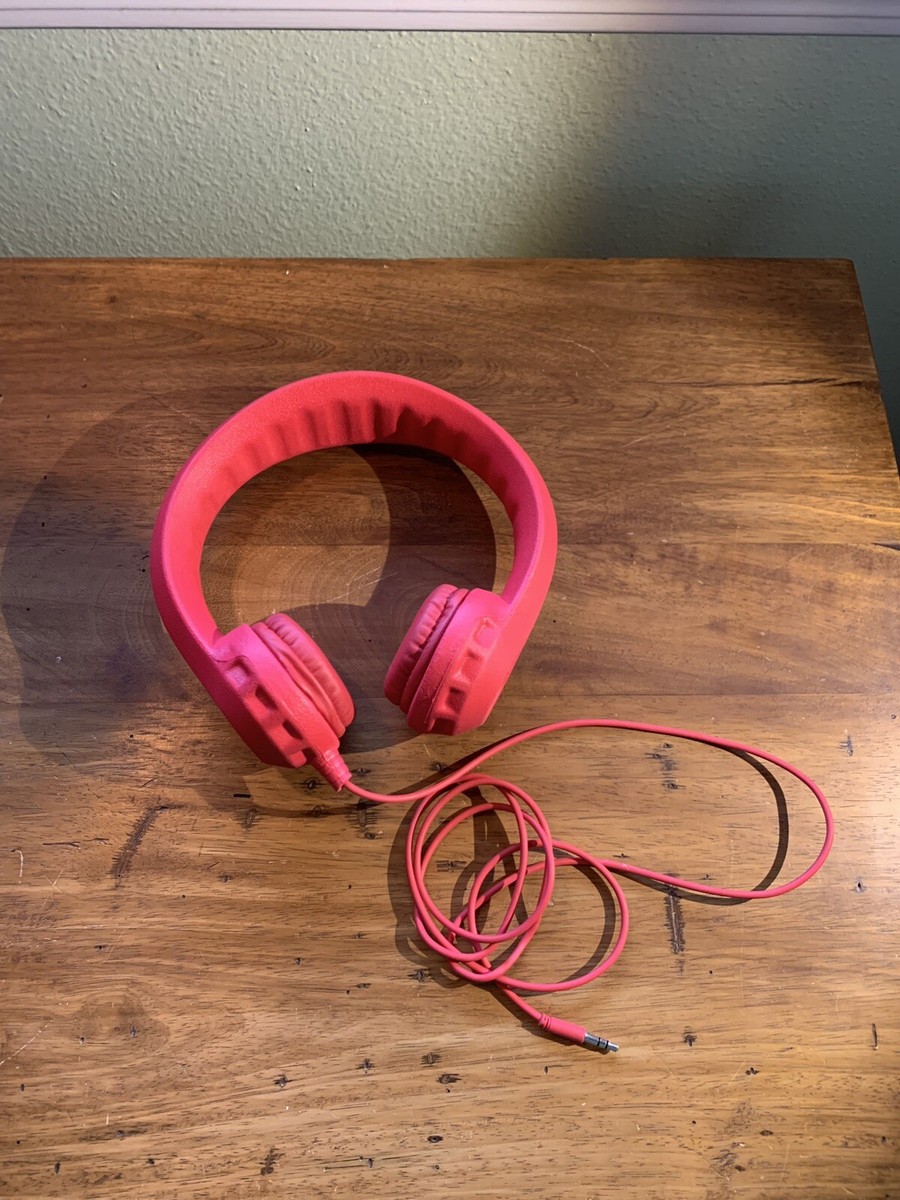
Kidrox Wired Toddler Headphones Review: The 85dB Volume-Limited Headphones That Survived Our Three-Year-Old
Honest Kidrox toddler headphones review after months of flights and road trips — 85dB volume limit, wired reliability, comfort for ages 1-7.
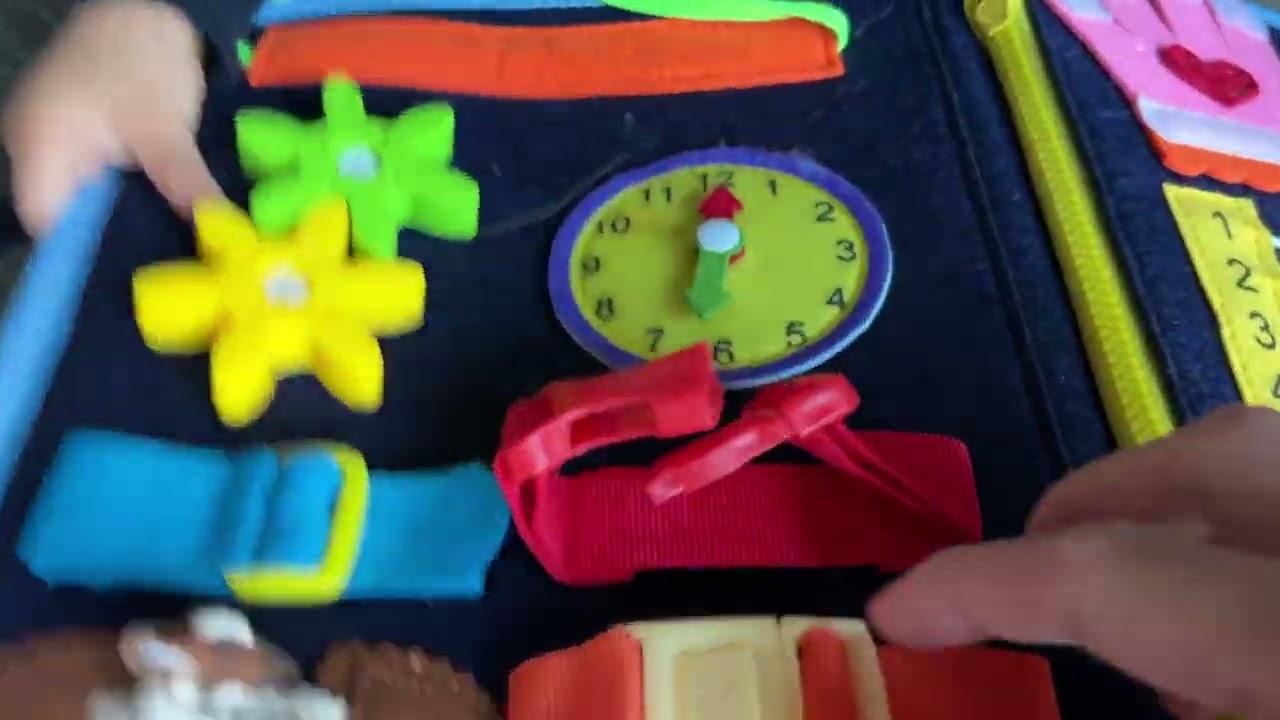
Gojmzo Busy Board Montessori Toys Review: Twenty Minutes of Screen-Free Silence at 35,000 Feet
Honest Gojmzo Busy Board review after multiple flights — sensory activities, fine motor skill development, and silent airplane entertainment for $20.
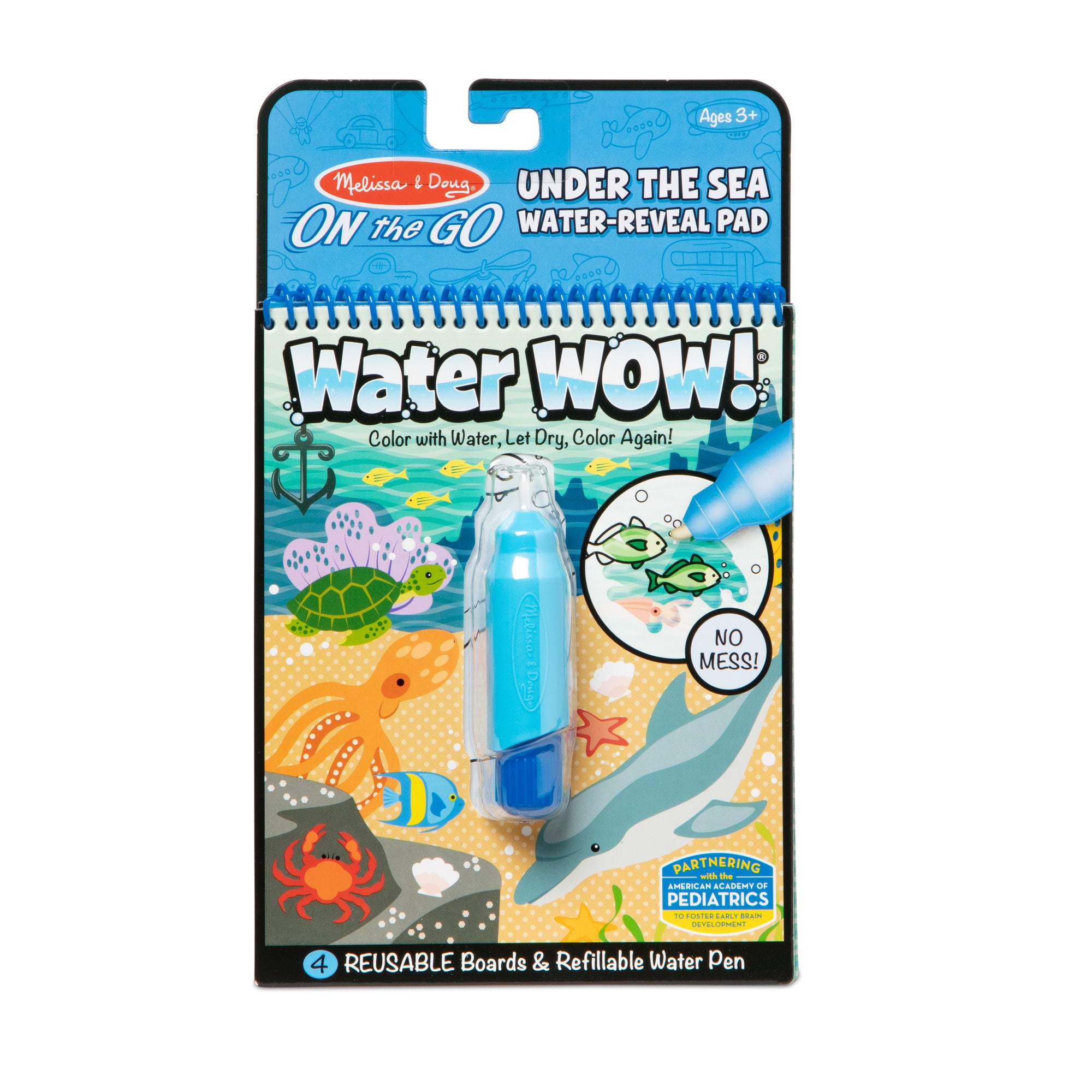
Melissa & Doug Water Wow Under The Sea Review: The $8 Airplane Activity That Uses Only Water
Honest Melissa & Doug Water Wow Under The Sea review — 4 reusable pages, water pen, mess-free.